


Commonly known as: Large Ficus Barok | Ficus Barok | Curly Leaf Ficus | Curly Weeping Fig Ficus Benjamina Barok
Botanical name: Ficus Benjamina Barok
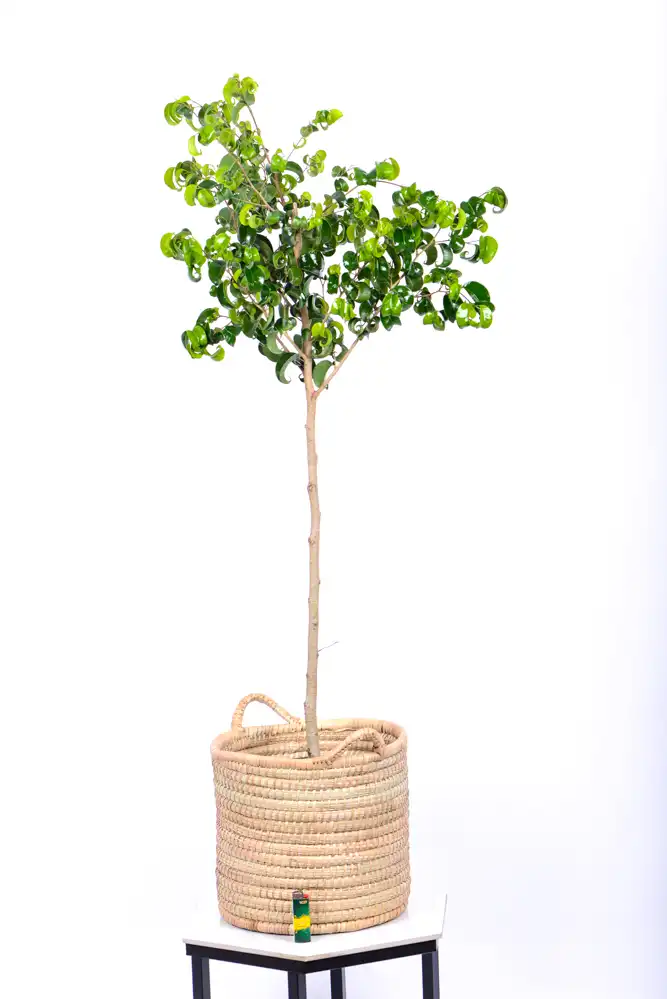
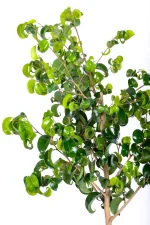
Ficus Barok is one of the more unusual forms of Ficus benjamina, and you only need to look at the leaves to see why.
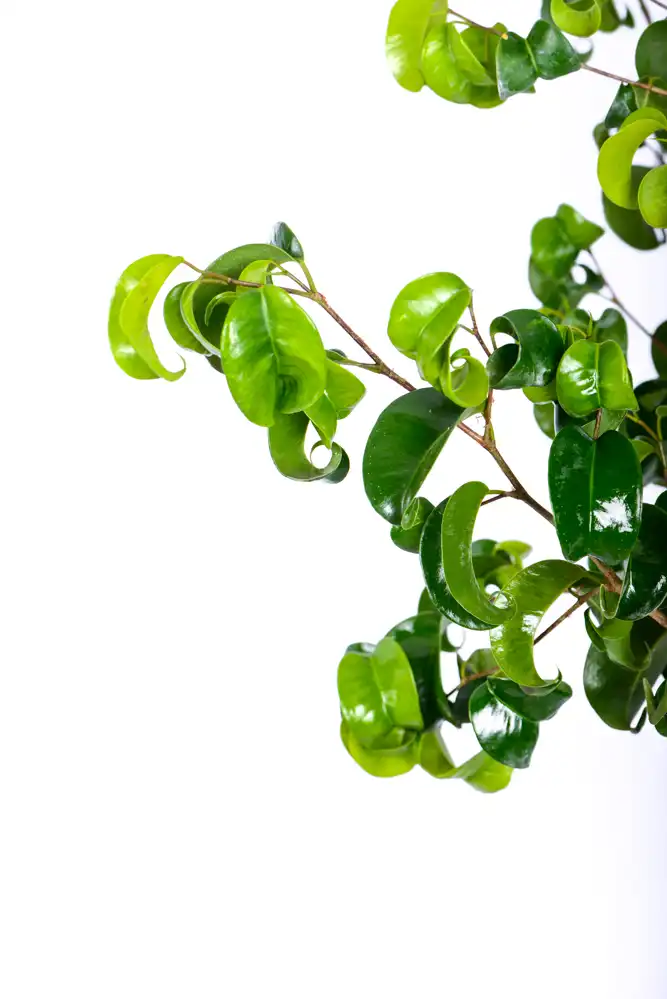
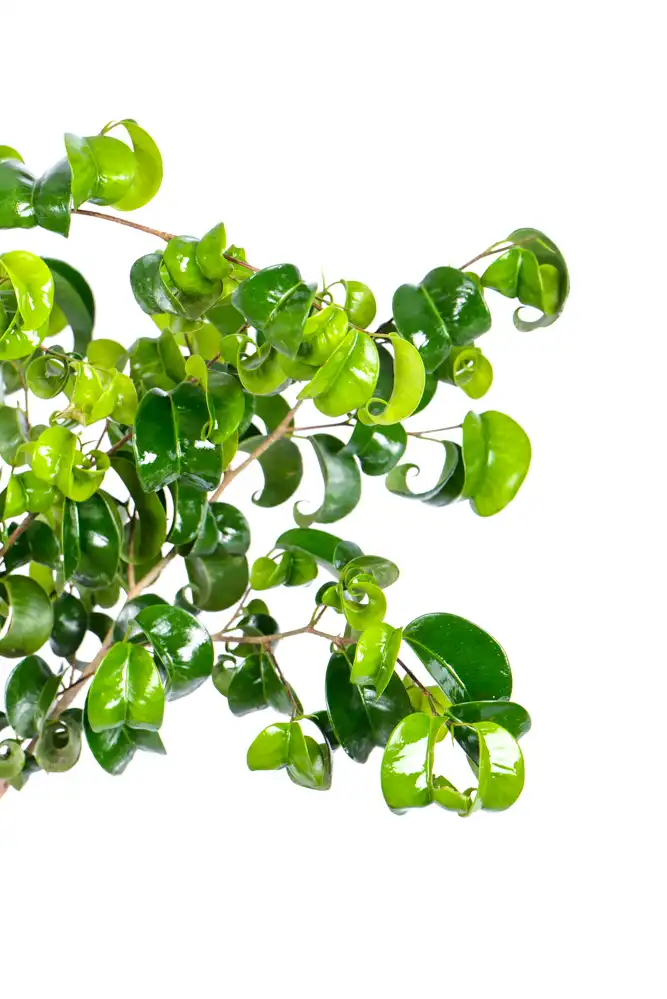
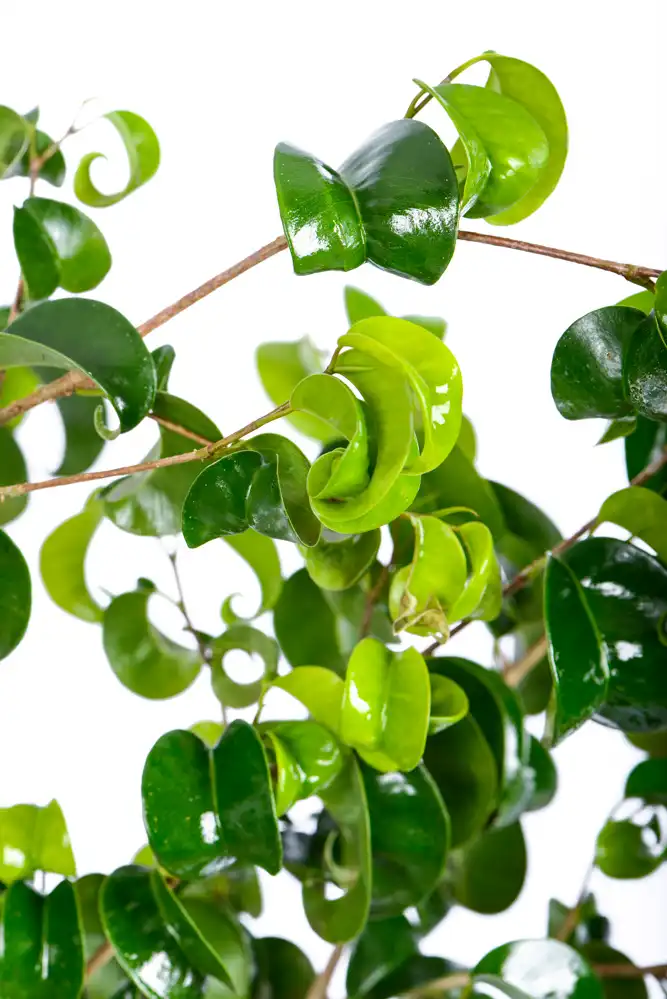
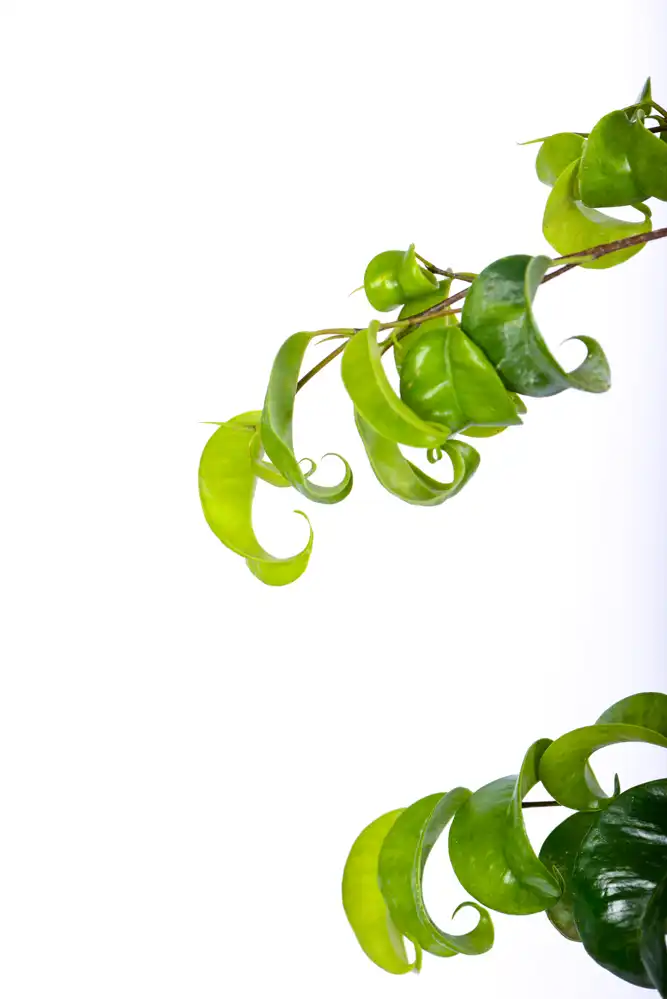
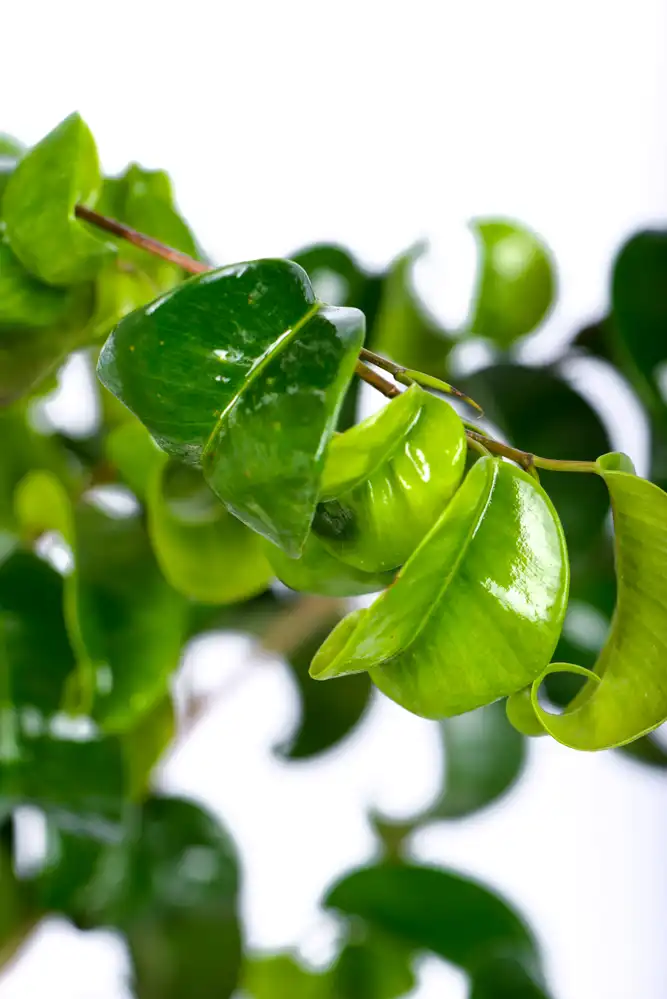
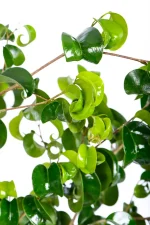
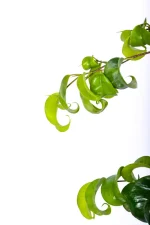
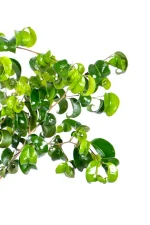
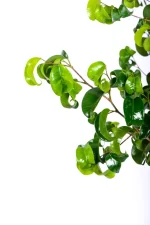
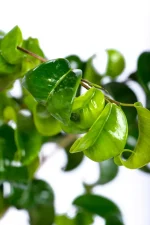
Instead of the flat, pointed foliage of a traditional Weeping Fig, Barok produces small glossy leaves that naturally curl and roll inwards. It’s a genetic characteristic of the cultivar rather than a watering or pest problem, and it gives a mature plant a very distinctive appearance.
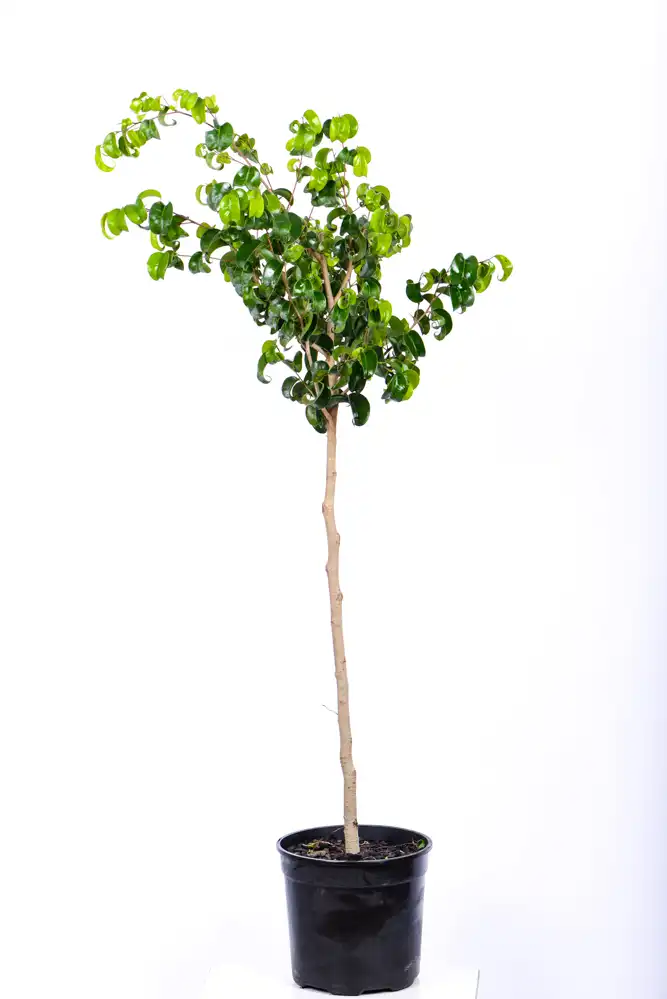
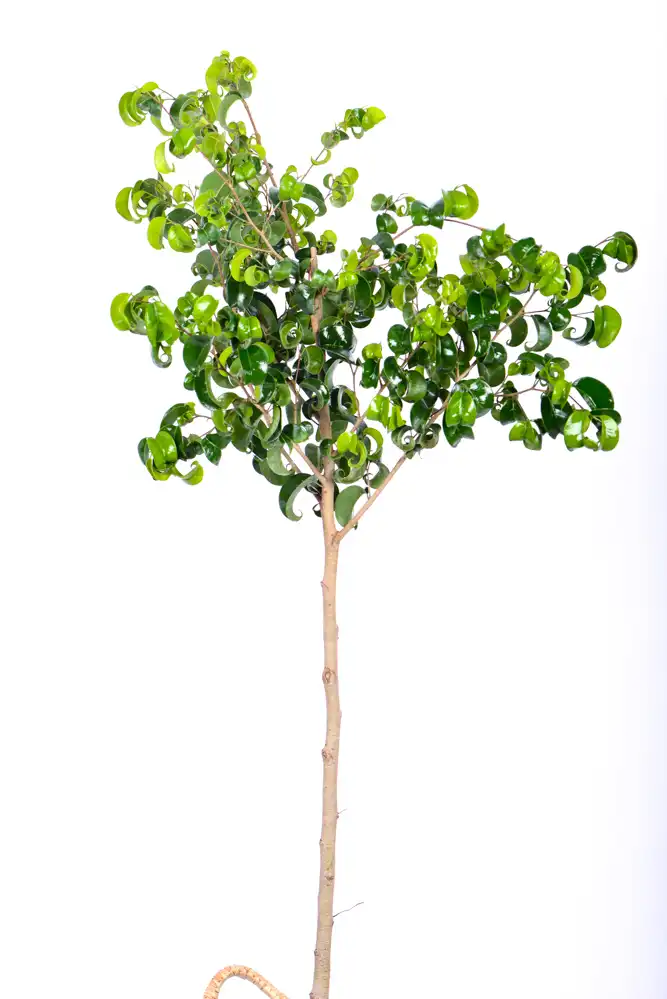
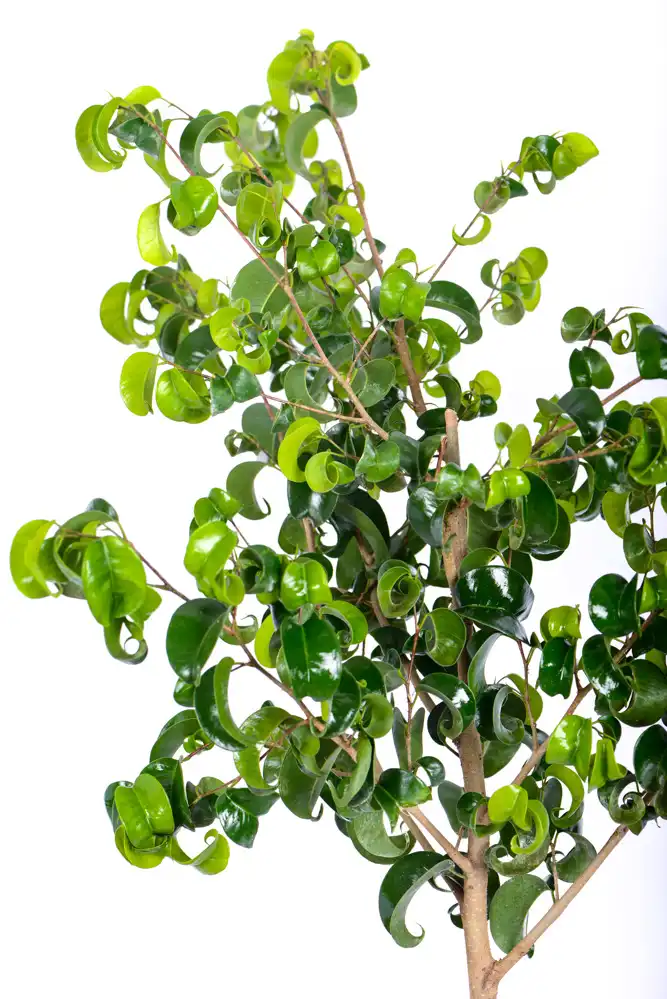
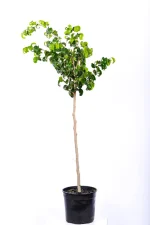
These Large Ficus Barok stand approximately 1.4m tall and are supplied in 23cm pots. At this size, they’ve already developed plenty of fine woody branching, creating a substantial tree without requiring the floor area of some of our larger 30cm Ficus varieties.
Like other Ficus benjamina varieties, Barok can develop into a dense tree when it receives enough light. And light really matters with this plant.
Ficus are trees. They shouldn’t be treated as plants for dark corners simply because they’re being grown indoors. Keep Barok close to a large window where it receives a massive amount of natural light. Gentle direct sun is beneficial, and an acclimated plant can handle several hours of sun each day.
Good airflow also makes a considerable difference. During suitable weather, open windows and doors or occasionally move the tree outside into a protected position. A regular hose-down outdoors keeps the curled foliage clean and is particularly useful because the shape of the leaves creates plenty of little hiding places for pests.
Watering should remain consistent. Give the root ball a thorough soak and then wait until the upper layer has started drying before watering again. Don’t keep it permanently saturated, but equally, don’t repeatedly allow the entire root ball to become bone dry.
Regular fertilising encourages fresh branching and helps Barok maintain its dense canopy. During spring and summer, a well-fed plant in strong light can put on a surprising amount of new growth.
If you already own some of the more familiar Ficus varieties, Barok is an excellent way to add something genuinely different. The curled foliage gives it its character, while underneath it’s still a tough, long-lived Ficus tree that responds extremely well to good basic care.
Large Ficus Barok Care Guide

Watering – How often should I water it?
Water thoroughly once the upper few centimetres of growing medium have started drying. Allow excess water to drain freely from the pot. Don’t keep the roots permanently wet, but avoid allowing the entire 23cm root ball to dry extensively between waterings.

Light – How much light does Large Ficus Barok need?
A lot. Keep the plant close to a large, bright window rather than several metres back in the room. Gentle morning or late afternoon sun is excellent, and Barok can tolerate several hours of direct sunlight once properly acclimated. Strong light encourages dense branching and helps the tree retain its foliage.

Leaves – Why are the leaves curled?
They’re supposed to be! The curled foliage is the defining characteristic of Ficus Barok. Healthy leaves naturally curl inwards, giving the tree its unusual appearance. Don’t try to flatten them or assume the curling means the plant needs more water.
Leaf Drop – What should I do if my Ficus Barok starts losing leaves?
Ficus Barok can respond to a sudden change in light, temperature or watering by dropping leaves, particularly after being moved to a new position. Don’t immediately start watering it more. First check the light. Move the plant to the brightest position available, ideally right next to a large window, and keep your watering consistent rather than trying to compensate with extra water.
If leaf drop continues, I strongly recommend moving the plant outside into a bright, protected position for a few days. Give it plenty of airflow, hose the foliage down thoroughly and give the root ball a deep watering if it needs it. Once growth has stabilised, begin rotating it between a few days outside and a few days indoors while it acclimates to its permanent indoor position.
Ficus trees are remarkably good at recovering when you correct the growing conditions. Even if a Barok loses a considerable number of leaves, don’t give up on the plant or start moving it around the house looking for another indoor position. Get it into much stronger light, keep the watering sensible, feed it during active growth and allow the tree to produce a fresh canopy.

Soil – What growing medium should I use?
Use a growing medium that drains freely while retaining enough moisture to keep the roots evenly hydrated. Milled Bark Growing Medium works particularly well. You can add Perlite for additional drainage and airflow.
Repotting – When should I repot it?
There’s no need to repot immediately. Allow the tree to continue growing in its 23cm pot until the roots have properly filled the container. When it needs additional room, repot during the warmer growing months and move up by only one pot size.

Feeding – How should I fertilise Large Ficus Barok?
Feed it regularly. Producing and maintaining a dense canopy requires plenty of nutrition. Controlled Release Fertiliser provides a balanced and convenient feed consistently over time. Grobest Organic Fertiliser is another excellent regular feed, while Novatec Soluble Fertiliser can be used to push strong, active growth.

Rotating – Should I rotate the pot?
Yes. Give the pot a quarter turn regularly so that all sides of the canopy receive good light. This helps maintain balanced growth and prevents the tree from leaning strongly towards the window.
Pruning – Can I prune Ficus Barok?
Yes. Pruning longer shoots encourages further branching and helps maintain a dense canopy. Spring and summer are ideal times for more substantial pruning. Remember that cut Ficus stems produce a white latex sap, so avoid getting it on your skin.

Pests – What should I look out for?
Scale, mealybugs and spider mites are worth checking for. Because Barok’s leaves curl naturally, inspect inside and underneath the curled foliage rather than simply looking over the outside of the canopy. Regular hosing makes pest management considerably easier.

Temperature – What temperatures does it prefer?
Ficus Barok prefers warm conditions around 18°C–28°C. Protect it from very cold windows and drafts during winter. Water in the morning during colder weather and avoid leaving the growing medium heavily saturated overnight.
FAQ’s
Q: Why does Ficus Barok have curled leaves?
That’s the defining feature of the cultivar. Unlike standard Ficus benjamina, Barok naturally produces small leaves that curl and roll inwards. The curling itself isn’t a sign that anything is wrong with the plant.
Q: How large are these Ficus Barok plants?
These are established Large plants standing approximately 1.4m tall in 23cm pots.
Q: Is Ficus Barok difficult to grow?
No, but you need to give it the conditions a Ficus tree requires. Plenty of natural light, consistent watering, good airflow and regular feeding will make an enormous difference.
Q: Can Ficus Barok grow in low light?
I wouldn’t recommend it. Although Ficus benjamina is sometimes marketed as tolerant of lower light, you’ll get a far healthier and fuller tree close to a bright window.
Q: Can Ficus Barok handle direct sunlight?
Yes. Morning sun is excellent, and an acclimated plant can tolerate several hours of direct sunlight. Increase sun exposure gradually if the tree has previously been grown under filtered nursery light.
Q: Should I put my Ficus Barok outside occasionally?
Yes. A bright protected outdoor position gives the tree additional light and airflow. Regular outdoor rotations during suitable weather are particularly useful when acclimating a Ficus to indoor living.
Q: Can I prune Ficus Barok to make it bushier?
Yes. Cutting back longer growing tips encourages branching below the cut. Combined with plenty of light and regular fertilising, pruning can create a much denser canopy.
Q: Should I be worried if a new leaf isn’t tightly curled?
Individual leaves can vary in how strongly they curl. Look at the overall growth of the plant rather than expecting every leaf to have exactly the same shape.
Q: Is Ficus Barok pet safe?
No. Like other Ficus varieties, the plant contains a milky latex sap that can cause irritation and shouldn’t be eaten by cats, dogs or people.
Be sure to visit and follow us Facebook and Instagram