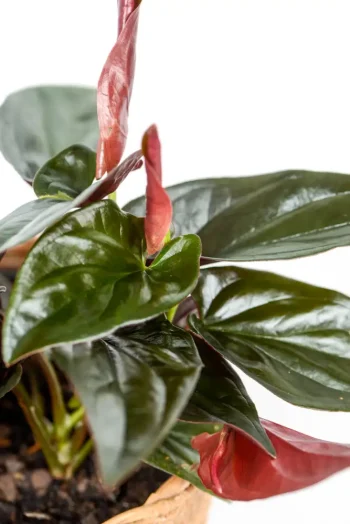






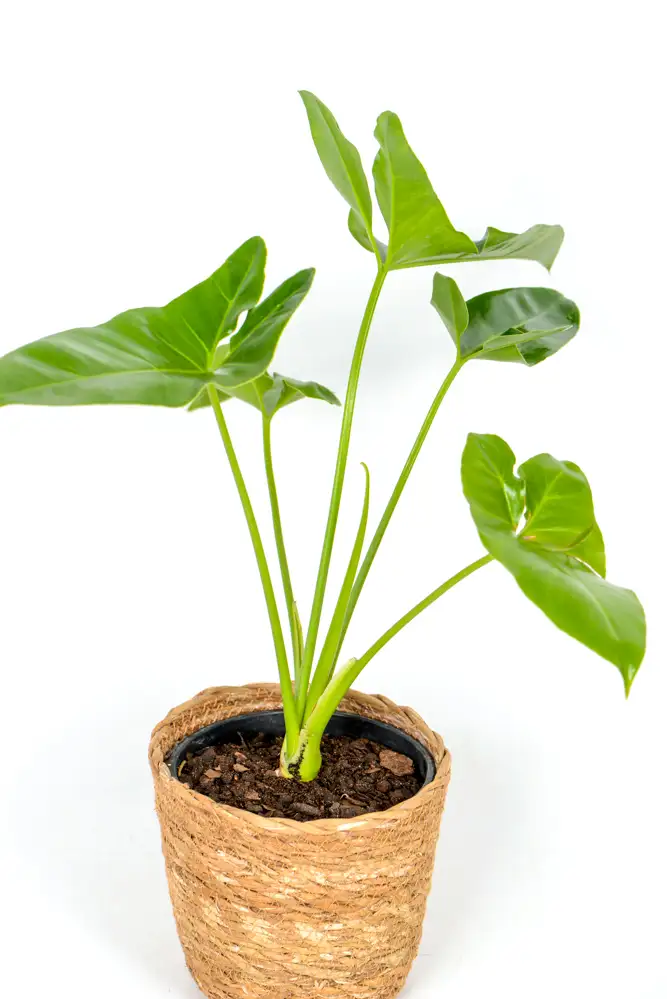

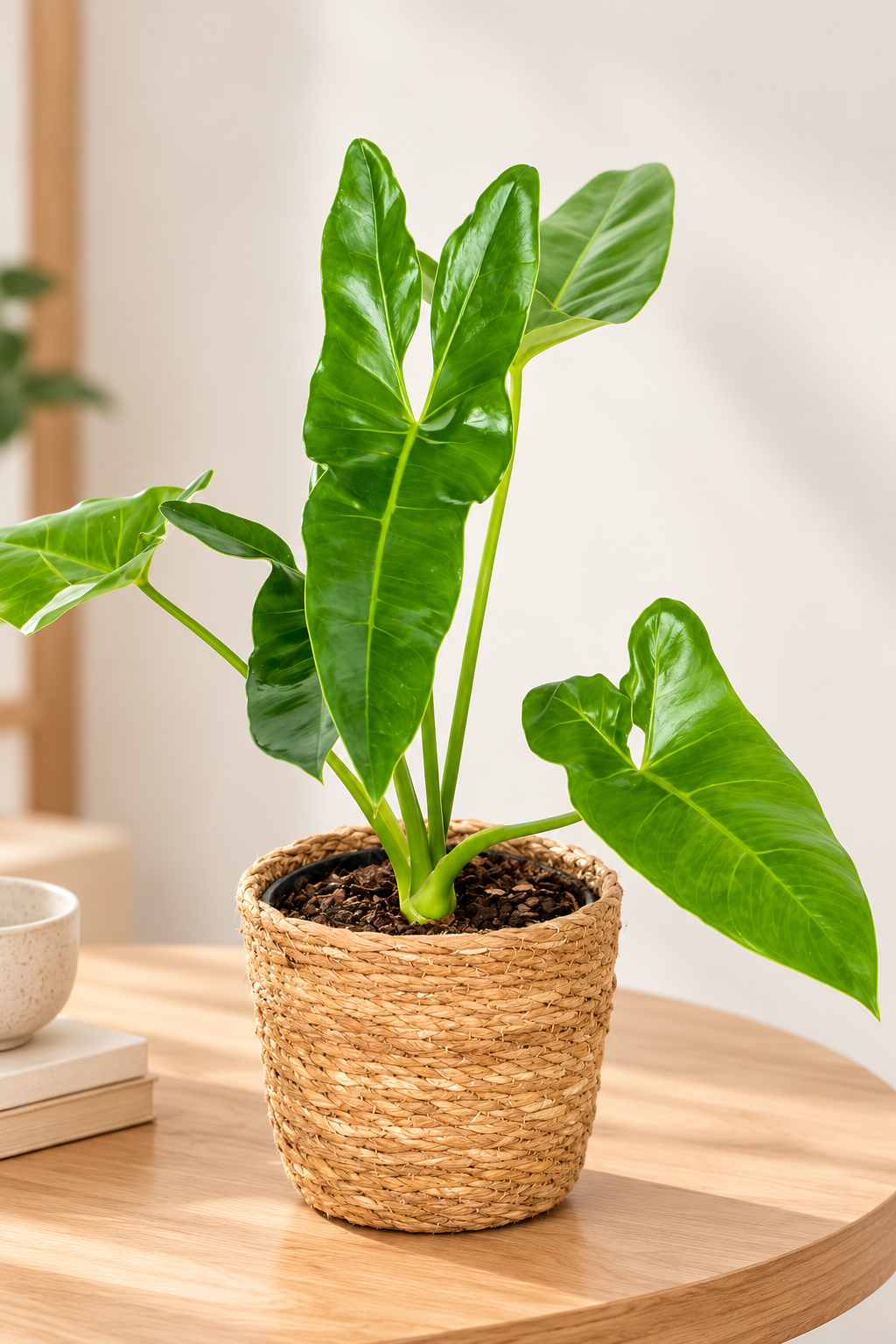
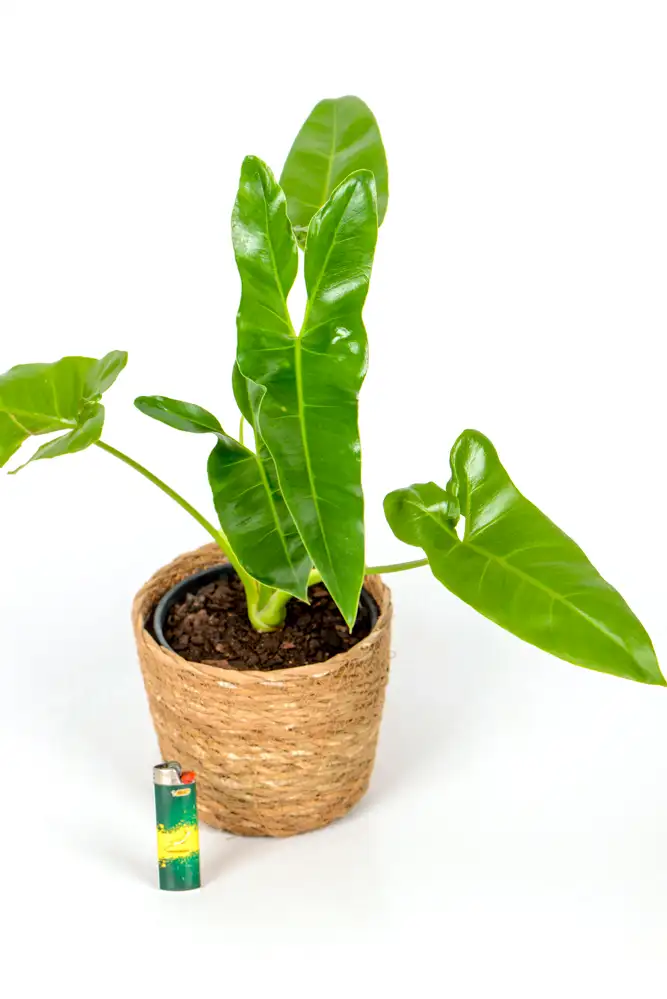
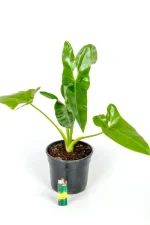
Botanical name: Philodendron stenolobum
Also known as: Thaumatophyllum stenolobum, Narrow-leaf Philodendron
Growth habit: Self-heading; develops a substantial upright stem with age.
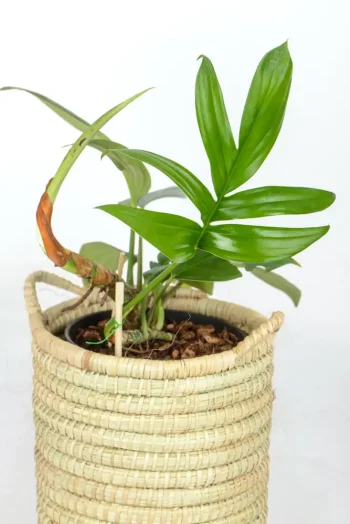
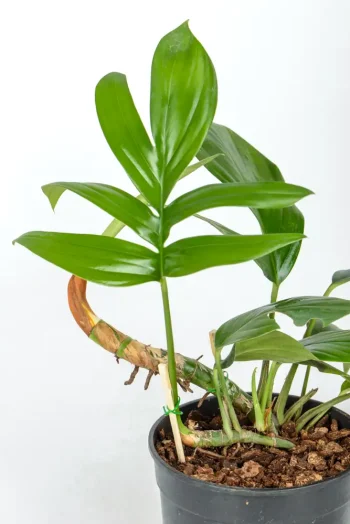
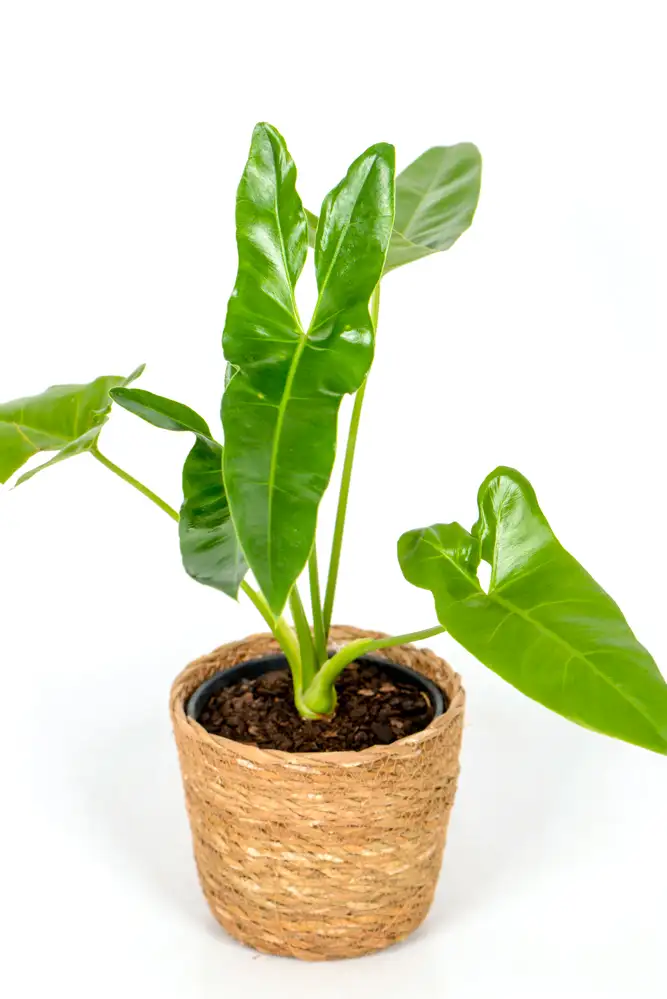
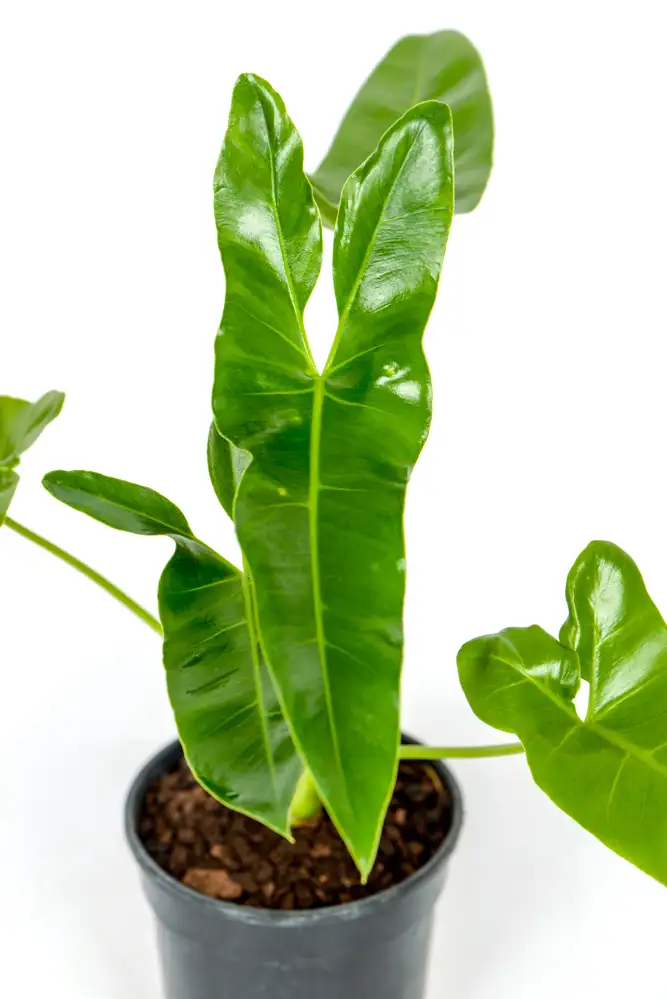
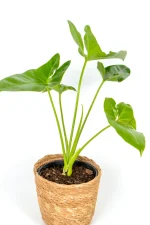
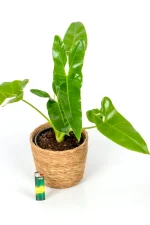
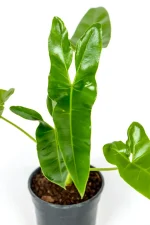
Philodendron Stenolobum brings an elegant, narrow-leaved shape to a tropical plant collection. Its elongated green foliage develops distinctive wavy edges, creating texture without relying on variegation.
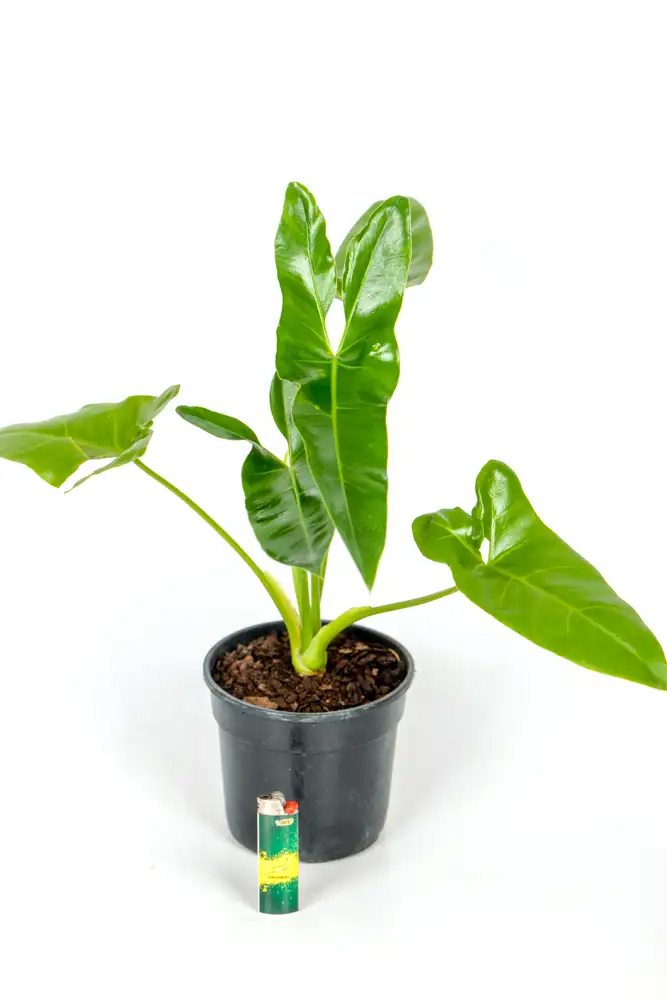
These young plants are supplied in 14cm pots and stand approximately 20–30cm tall. They are at a manageable stage for a plant stand or collection shelf, with the potential to become a much more substantial feature as they mature.
Stenolobum is a self-heading philodendron. The leaves gather around a growing crown as the stem thickens, rather than extending along a slender climbing vine. Larger specimens can eventually need support, but a young plant does not need to be trained up a moss pole in the same way as a vining philodendron.
The species comes from Brazil, where it grows in a humid tropical environment. At home, a loose root zone, steady warmth and a position close to a well-lit window help support healthy development.
Place it within 1m of your brightest north-facing window, with a sheer curtain preventing direct sun from hitting the leaves. Give the leaf tips space to extend, and allow each new leaf to unfurl naturally. Its mature appearance develops gradually, making this a rewarding plant to grow on from a smaller size.
Philodendron Stenolobum Care Guide
Water – When should I water Stenolobum?
Check the top 2–3cm of the potting mix. When this layer feels dry, water thoroughly until excess runs from the drainage holes, then empty the saucer or decorative outer pot.
Let the mix dry slightly between waterings without repeatedly drying the entire rootball. A 14cm pot may dry quickly in warm conditions, so check it rather than relying on a weekly routine.
Light – Where should I place my Stenolobum?
Choose a position within 1m of your brightest north-facing window. Keep direct sun off the leaves; use a sheer curtain between the window and plant when sunbeams enter.
A large east-facing window with the direct morning rays screened is another option. Keep it close to the glass rather than in a dim room corner. Long gaps between leaves and smaller new foliage can indicate that it needs more usable daylight.
Humidity – Does Stenolobum need extra humidity?
Typical household humidity can work, though moderately humid air supports comfortable growth. Keep it away from drying heater or air-conditioner blasts.
If the room is unusually dry, consider a humidifier while maintaining airflow. Avoid keeping unfolding leaves constantly wet.
Soil – What mix should I use for Stenolobum?
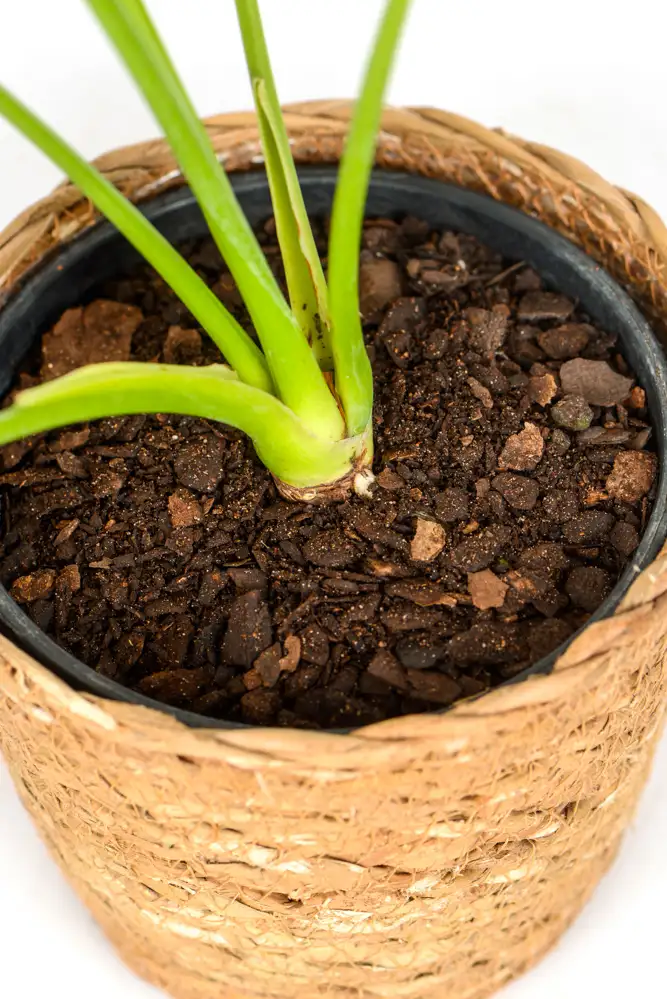
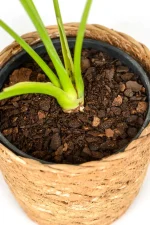
I recommend Milled Bark Growing Medium as the growing medium for an airy, freely draining root zone.
Use a pot with drainage holes and avoid burying the growing crown. Keep the medium airy rather than packing it tightly around the roots.
Feeding – How should I fertilise Stenolobum?
I recommend Novatec Soluble Fertilizer, a high-nitrogen fertiliser that supports leafy growth.
For organic feeding, choose TerraPlus Natura N or Grobest Organic Fertilizer. Controlled Release Fertilizer is another option for a gradual nutrient supply.
Feed during active growth and reduce feeding when growth slows. Follow the chosen product’s label rate and application method. Apply soluble feed to a moist rootball, and avoid combining several products at full rates.
Repotting – When does Stenolobum need a larger pot?
Repot when the roots have filled the container or the plant dries unusually quickly because it is rootbound. Choose a pot only slightly larger with drainage holes, and refresh the mix without burying the crown.
Spring is a useful time. As the stem becomes taller and heavier, assess whether it needs gentle support to remain stable.
Pests – What should I look out for?
Inspect leaf undersides and stem joints for mealybugs, scale, thrips or spider mites. Isolate affected plants promptly and choose a treatment labelled for the pest and ornamental foliage. Wipe dust from mature leaves with a soft damp cloth so you can spot problems early. Test treatments on a small area first.
Temperature – How warm should I keep Stenolobum?
Normal warm room temperatures suit it well. Aim to keep it above about 15°C, away from cold draughts and sudden temperature changes.
Protect it from frost. If growing on a sheltered patio, bring it indoors before cold nights arrive.
Extra Care – Give the crown room to develop
Allow space around the long leaves and avoid forcing new foliage open. Turn the pot occasionally for balanced growth. Remove only fully spent foliage with clean tools.
FAQs
Is Stenolobum self-heading?
Yes. It forms a growing crown on a thickening stem rather than behaving like a long, slender climbing vine. Mature specimens may eventually benefit from support.
How big are these plants?
They come in 14cm pots and stand approximately 20–30cm tall. They will continue growing with suitable care.
Will the leaves stay small?
No. Mature plants develop substantially longer foliage, so allow space as yours grows.
Why are the leaf edges wavy?
Wavy margins are part of its characteristic appearance. Sudden browning or collapse is different and warrants checking water, light and root health.
Is it safe for pets?
Keep it away from pets and children who may chew the foliage. Its tissue is irritating if eaten, and sap may irritate skin.
Be sure to visit and follow us Facebook and Instagram