




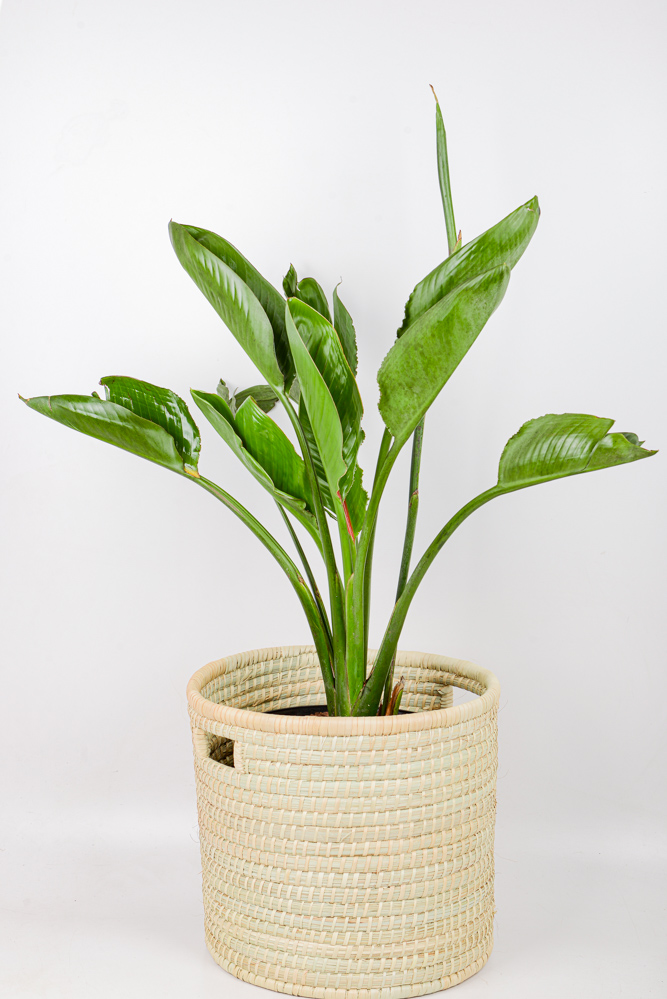
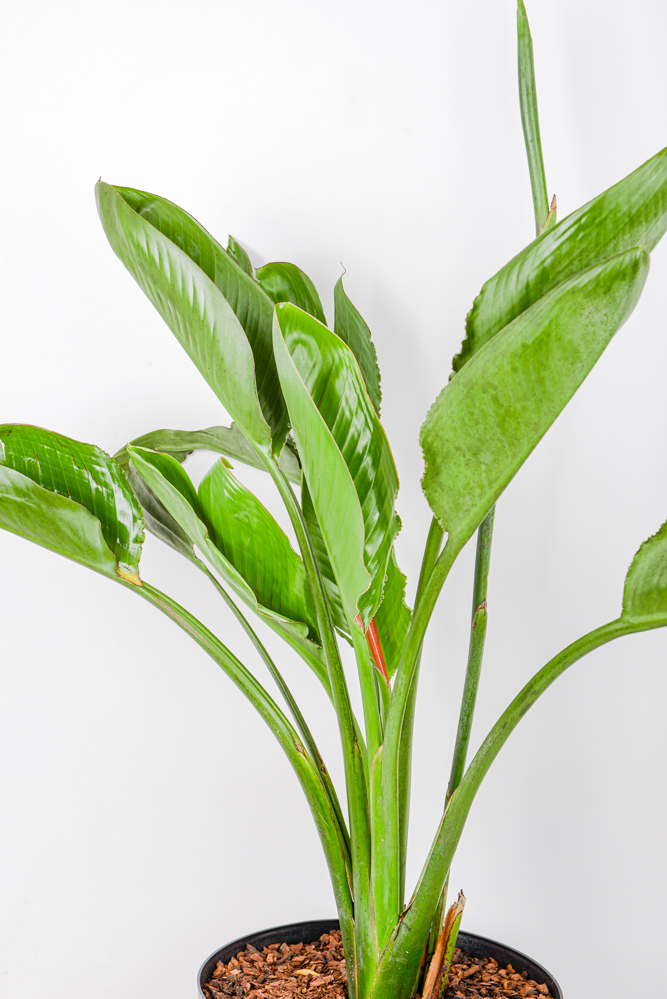
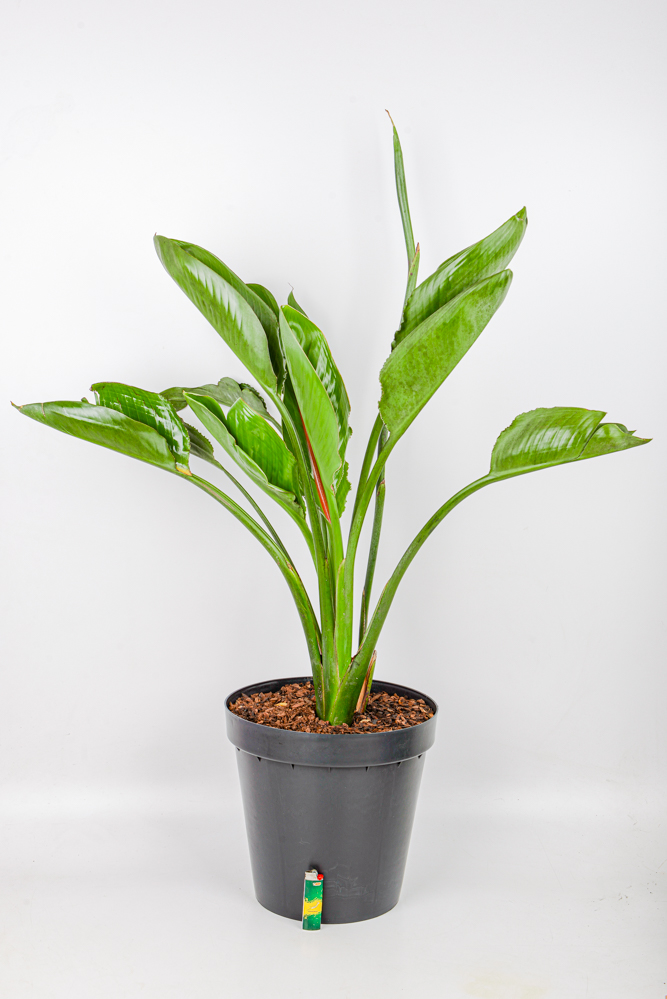
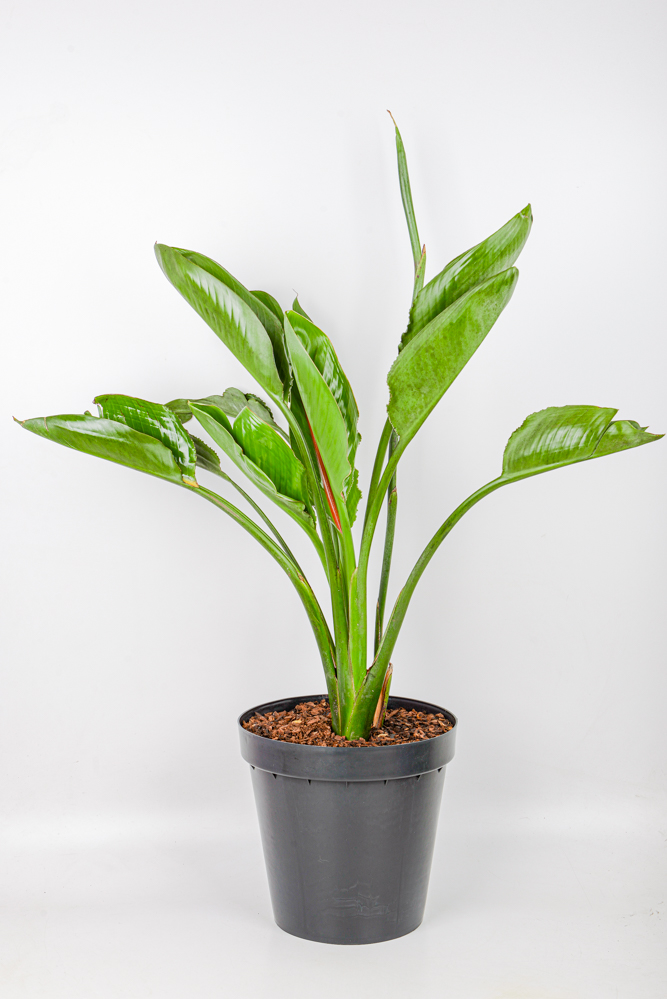
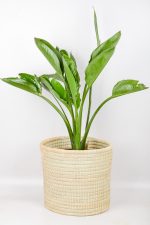
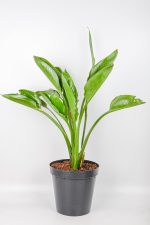
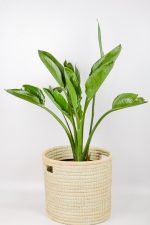
Commonly known as: XL Bird of Paradise
Botanical name:Â Strelitzia reginae
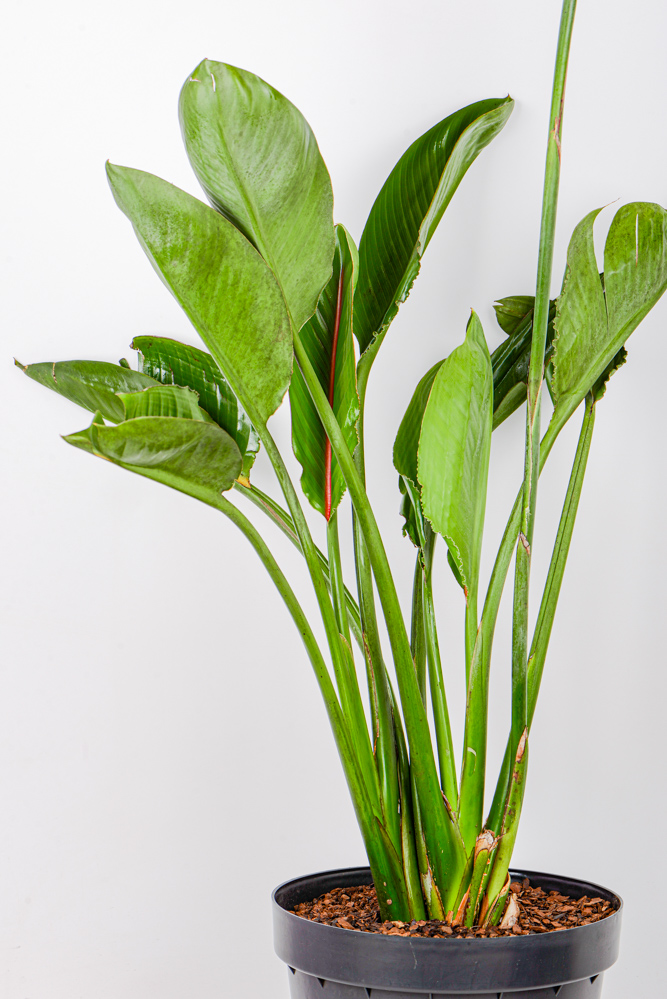
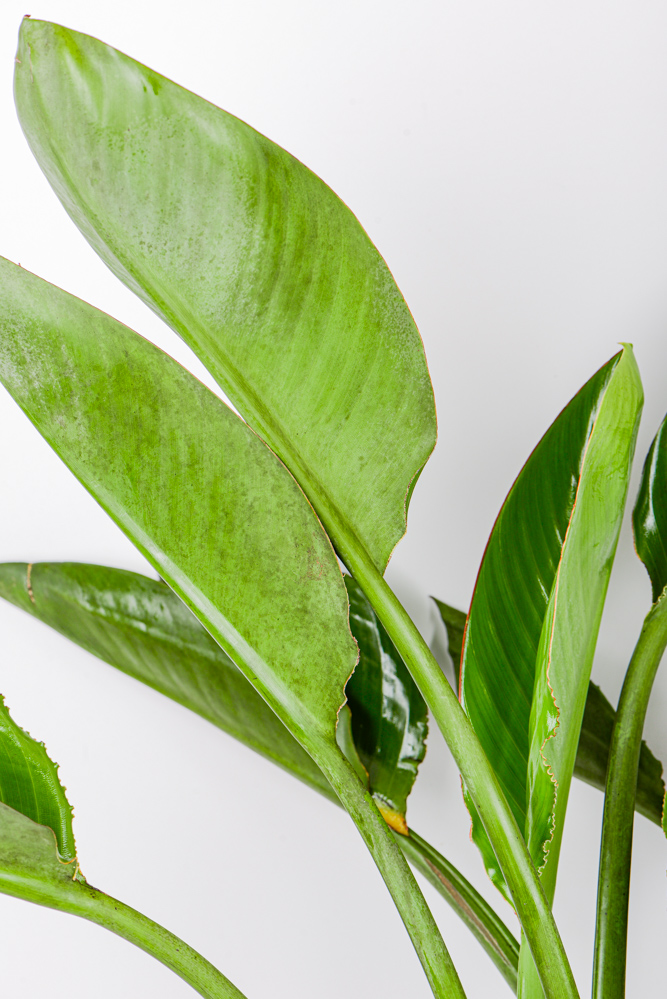
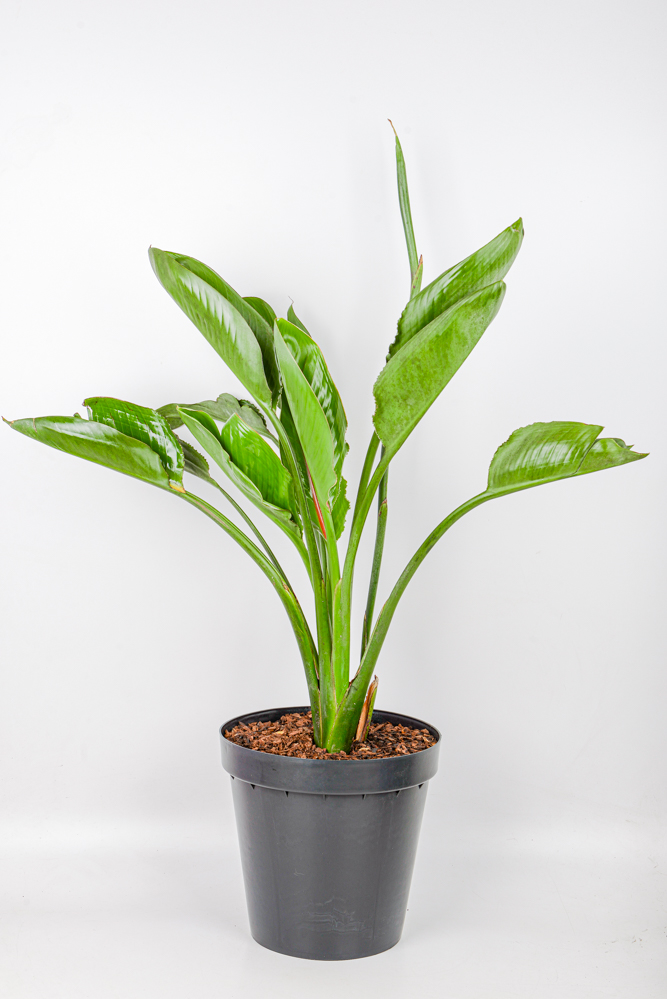
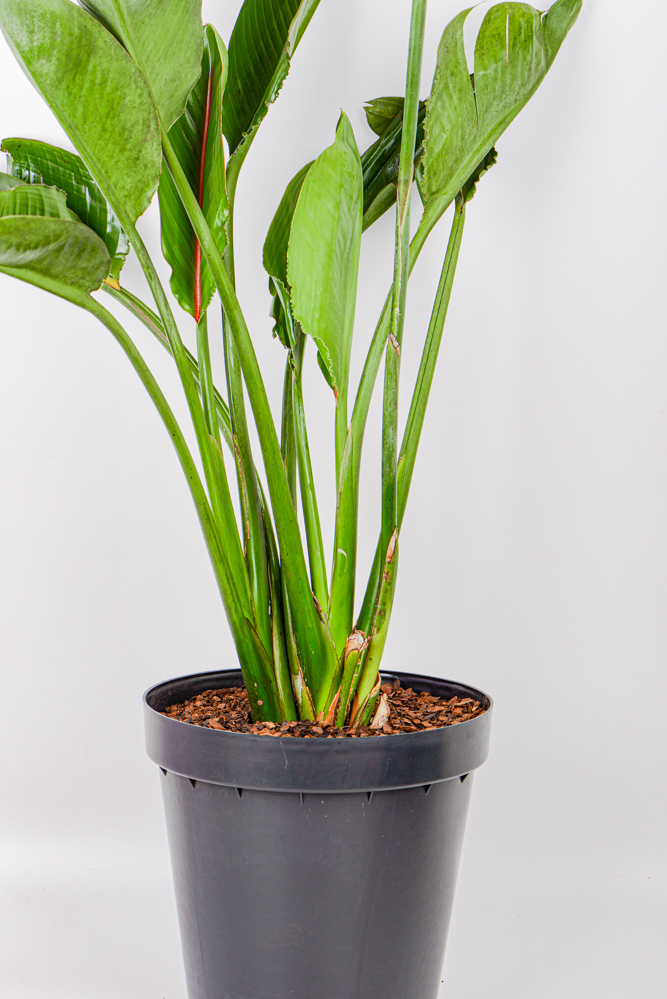
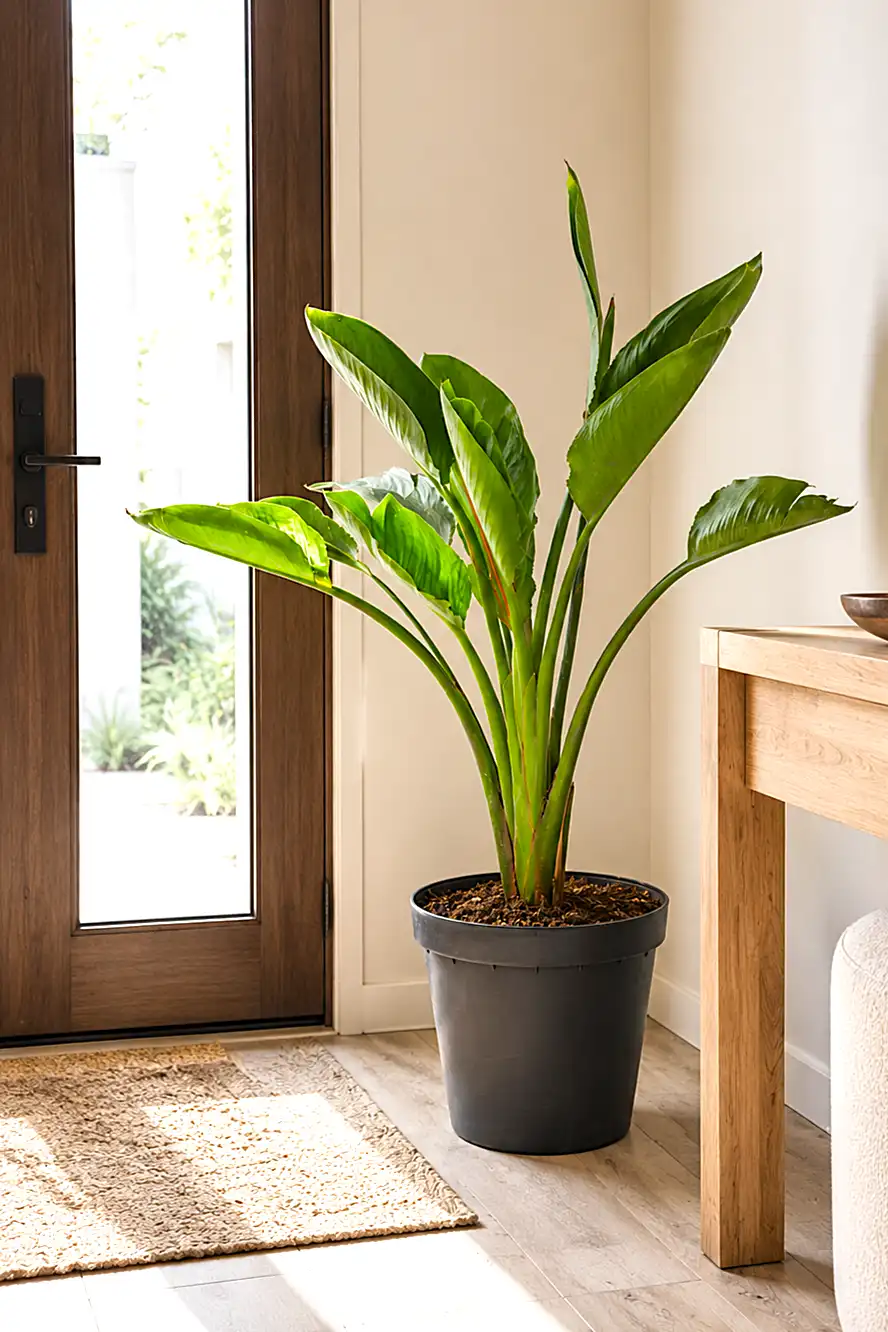
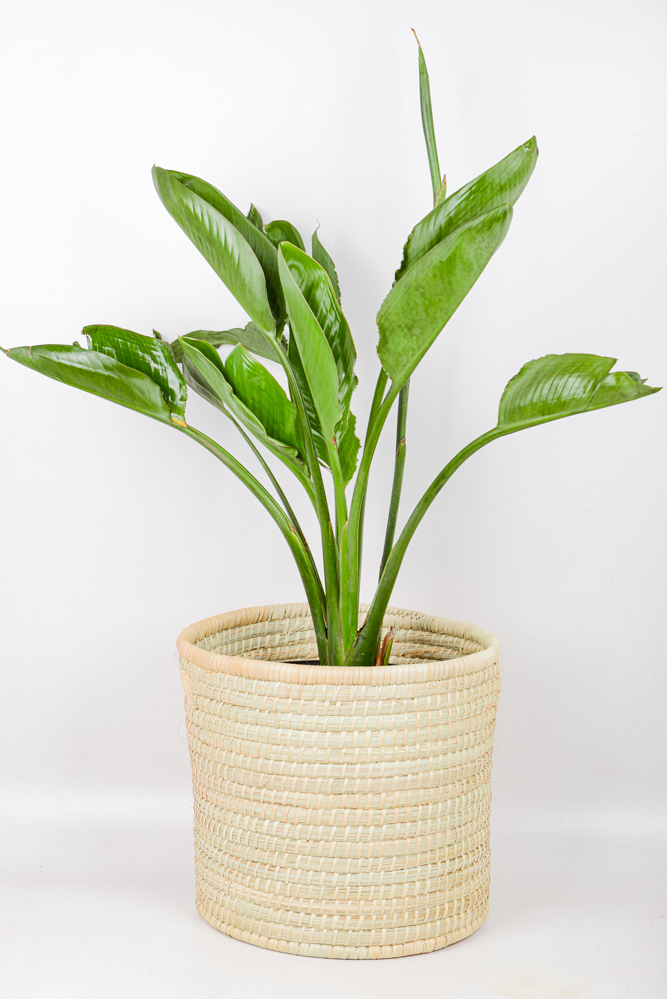
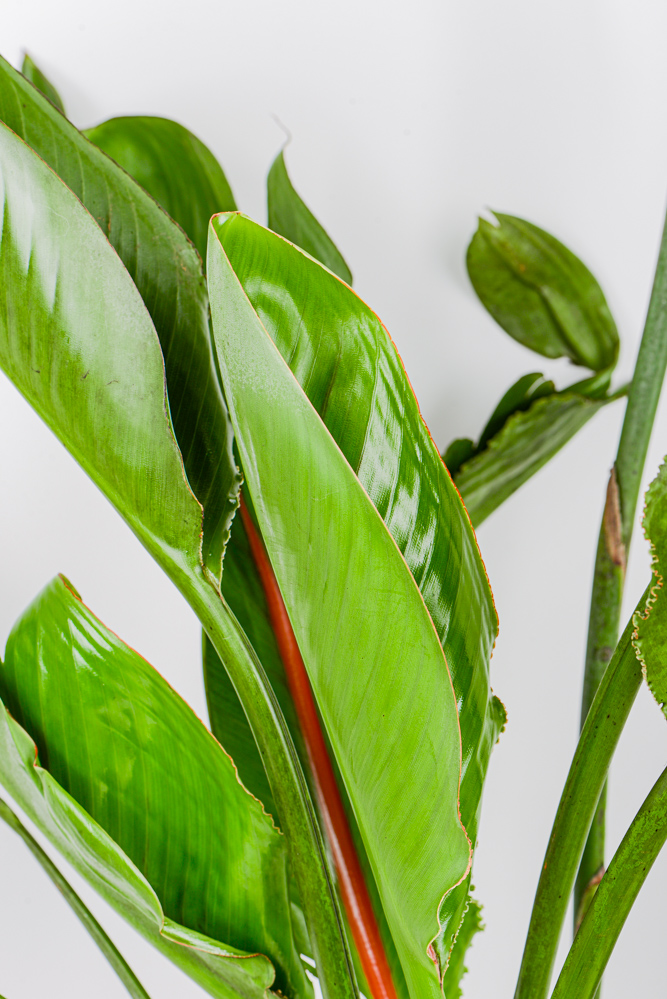
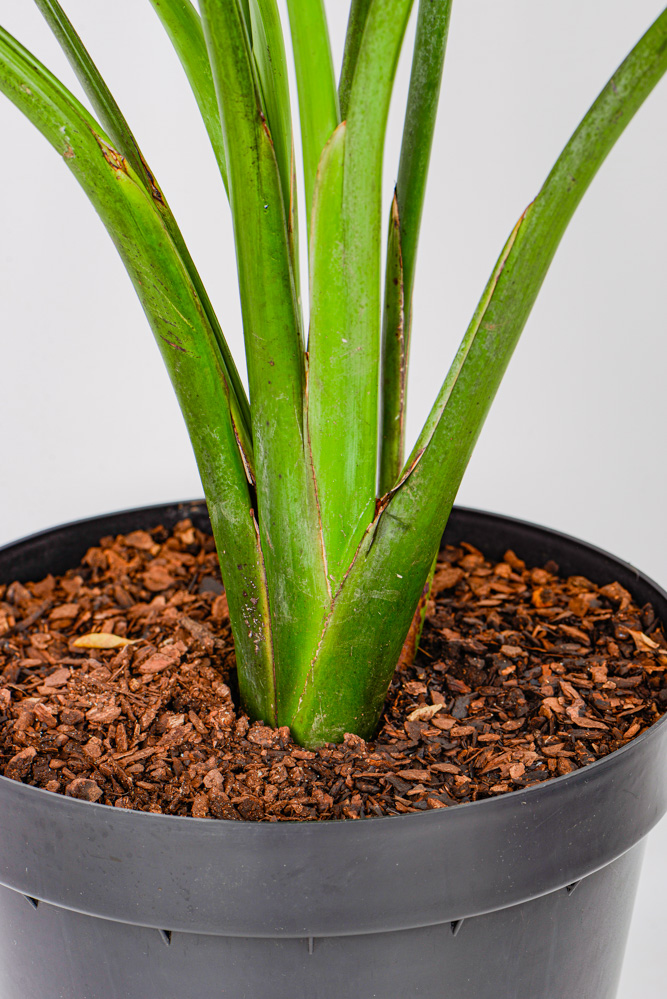
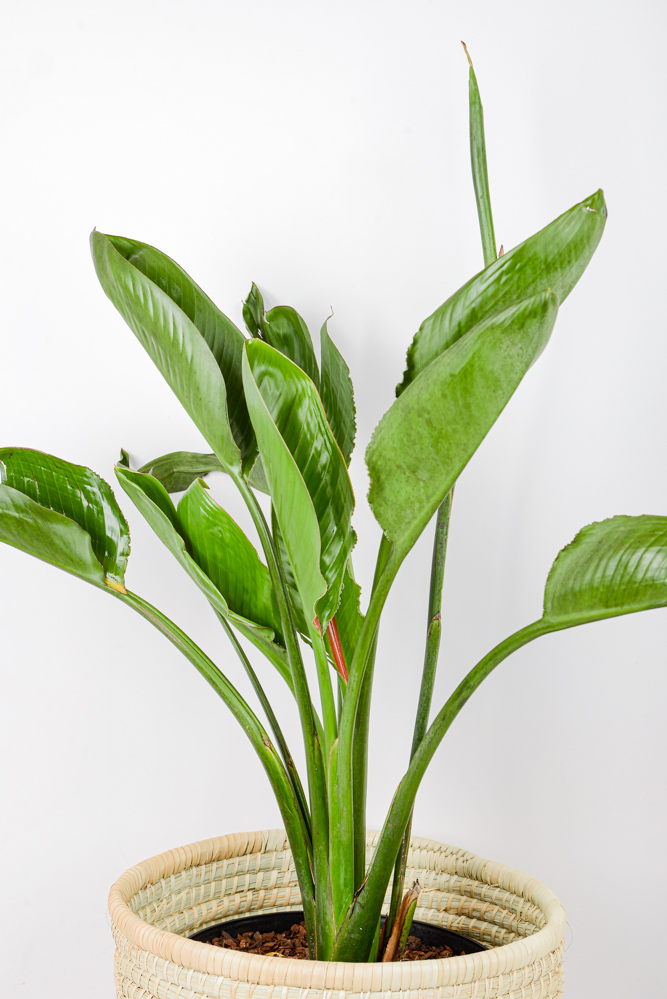
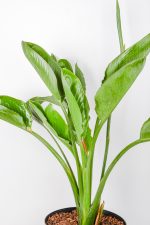
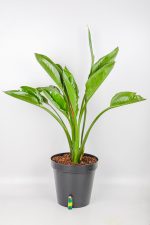
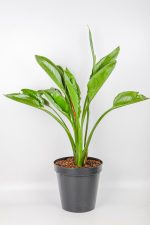
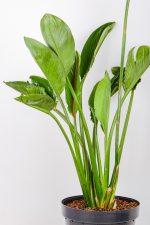
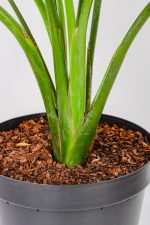
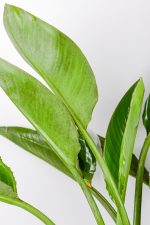
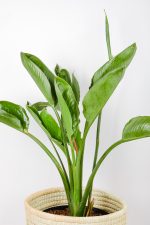
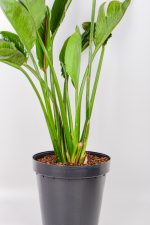
XL Bird of Paradise brings strong tropical structure indoors while maintaining a more refined and manageable form than its larger relative, Strelitzia nicolai. The upright paddle-shaped foliage rises from the base in dense clumps, creating a bold architectural appearance without becoming overwhelming indoors.
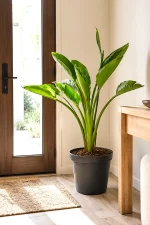
At around 1m tall in a 30cm pot, this is already a substantial and established specimen. The leaves are narrower and more compact than the Giant Bird of Paradise, giving the plant a cleaner silhouette that works particularly well in living spaces, entrances, and brighter indoor rooms.
Unlike Strelitzia nicolai, which eventually develops into a massive tree-like plant with towering foliage, Strelitzia reginae maintains a denser and more controlled growth habit. This makes it easier to manage indoors long term while still delivering the same strong tropical feel.
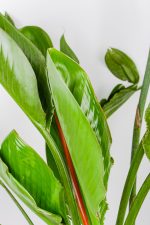
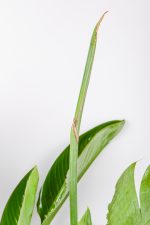
The foliage emerges upright before arching outward slightly as it matures, creating movement and layered depth throughout the plant. With strong light and regular feeding, the leaves continue increasing in size and density over time.
Mature Strelitzia reginae are also known for their iconic orange and blue flowers, although indoors the foliage itself is usually the main attraction. Even without flowering, the plant delivers exceptional structure and presence.
This is an indoor plant chosen for clean tropical lines, upright growth, and long-term impact rather than sheer size alone.
XL Bird of Paradise Care Guide
Watering – How often should it be watered?
Water when the top 3–5cm of the growing medium begins to dry out. Keep moisture levels balanced while ensuring excess water drains freely. Avoid prolonged waterlogging.
Light – What light does XL Bird of Paradise need?
Bright light is essential. Place it near large windows or in very well-lit indoor spaces. Some direct morning or late afternoon sun is beneficial and supports stronger growth. It is ideal to take the plant out every 2 weeks and provide it with some full sun.Â
Humidity – Does it need extra humidity?
Average indoor humidity is suitable, although moderate humidity supports stronger foliage development and healthier growth.
Soil – What soil works best?
Use a breathable, free-draining growing medium. Milled Bark Growing Medium works particularly well, helping maintain airflow around the roots while retaining balanced moisture. Perlite can be incorporated if additional drainage is preferred.
Feeding – How should it be fertilised?
Feed during the growing season with Grobest Organic Fertiliser every 4–6 weeks. For stronger foliage growth and larger leaves, Novatec Soluble Fertiliser can be used regularly.
Repotting – When should it be repotted?
Repot every 18–24 months or once the plant becomes root-bound. Move up one pot size only. Refresh with Milled Bark Growing Medium and incorporate TerraPlus Natura N and Controlled Release Fertiliser during repotting.
Pests – What pests should I watch for?
Watch for spider mites and scale insects, especially on the undersides of leaves. Treat early with an insecticidal spray if needed.
Temperature – What temperature suits it best?
Strelitzia reginae grows well between 18°C and 30°C. Avoid temperatures below 10°C and protect from cold drafts.
FAQ’s
What is the difference between Strelitzia reginae and nicolai?
Strelitzia reginae stays more compact, develops narrower foliage, and is easier to manage indoors than the much larger Strelitzia nicolai.
Does this plant flower indoors?
Mature plants can flower under strong light and stable conditions, although foliage is usually the main feature indoors.
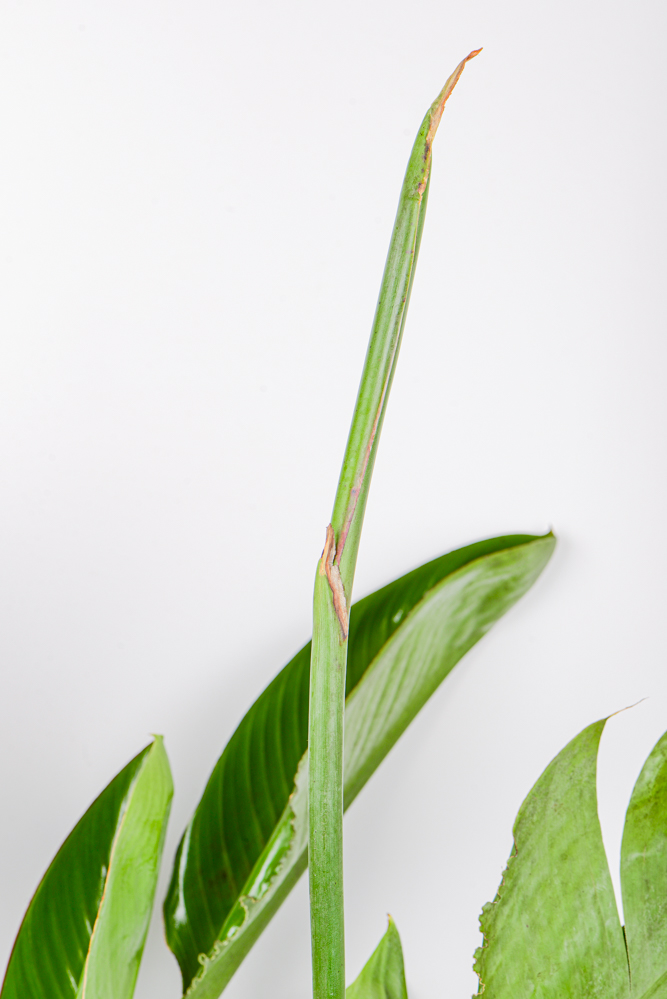
Why do the leaves split?
Leaf splitting is natural and helps the plant handle movement and airflow in nature.
Is it suitable for indoor spaces long term?
Yes. Its more controlled growth habit makes it far more manageable indoors than the Giant Bird of Paradise.
Is it pet-safe?
No. Strelitzia species are considered toxic if ingested.
Be sure to visit and follow us Facebook and Instagram