






Airplant Xerographica

R750.00

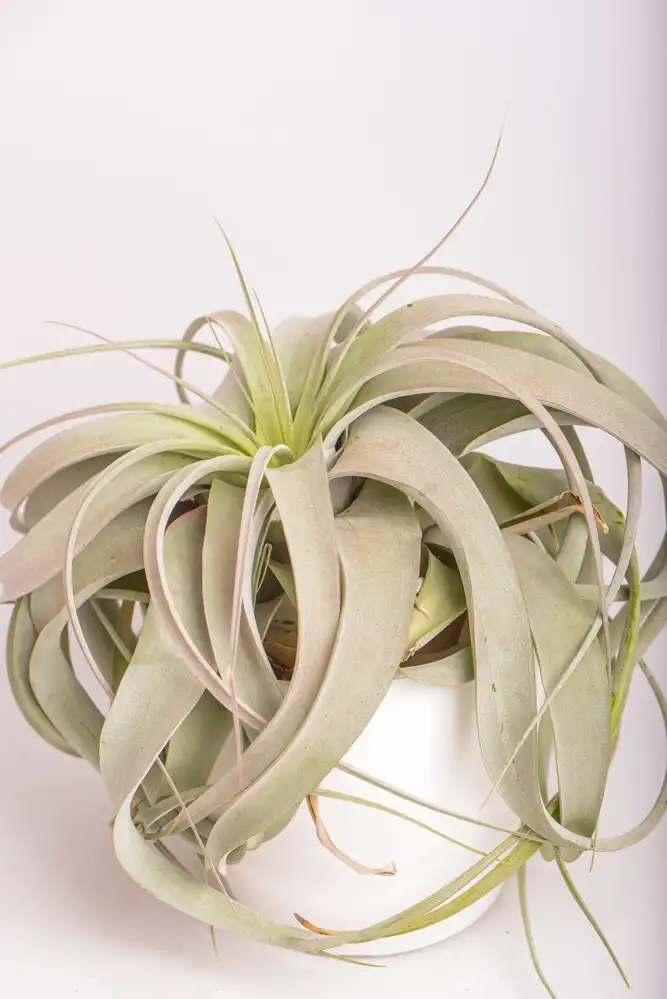
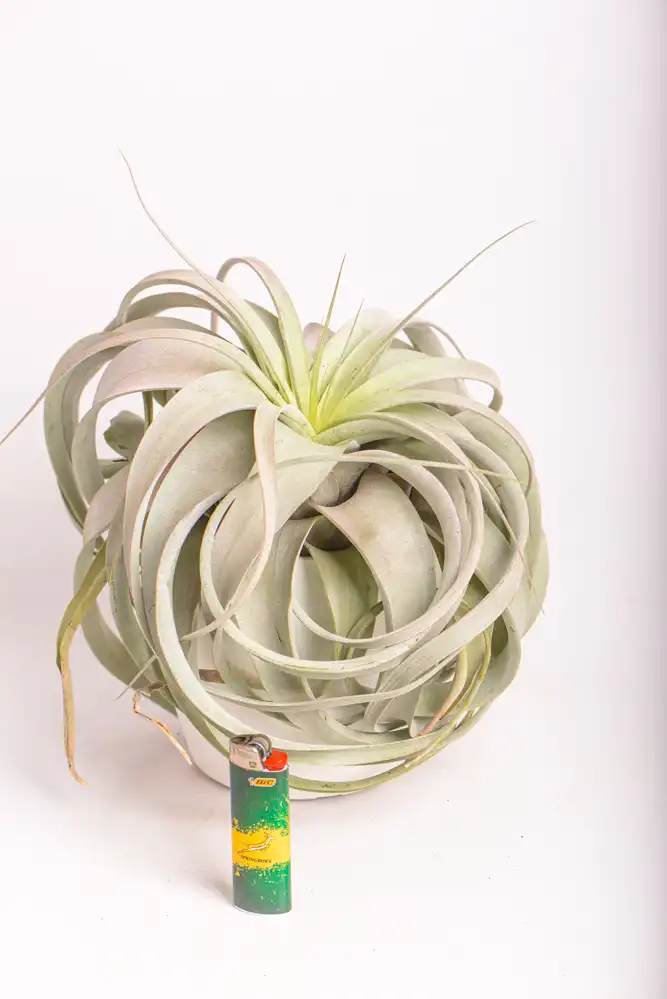
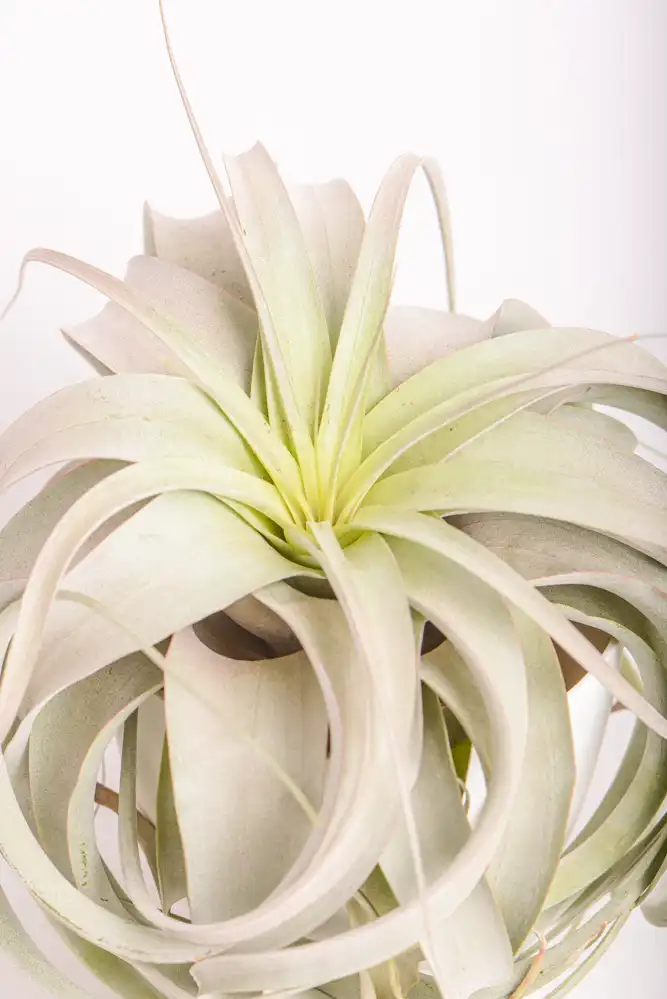
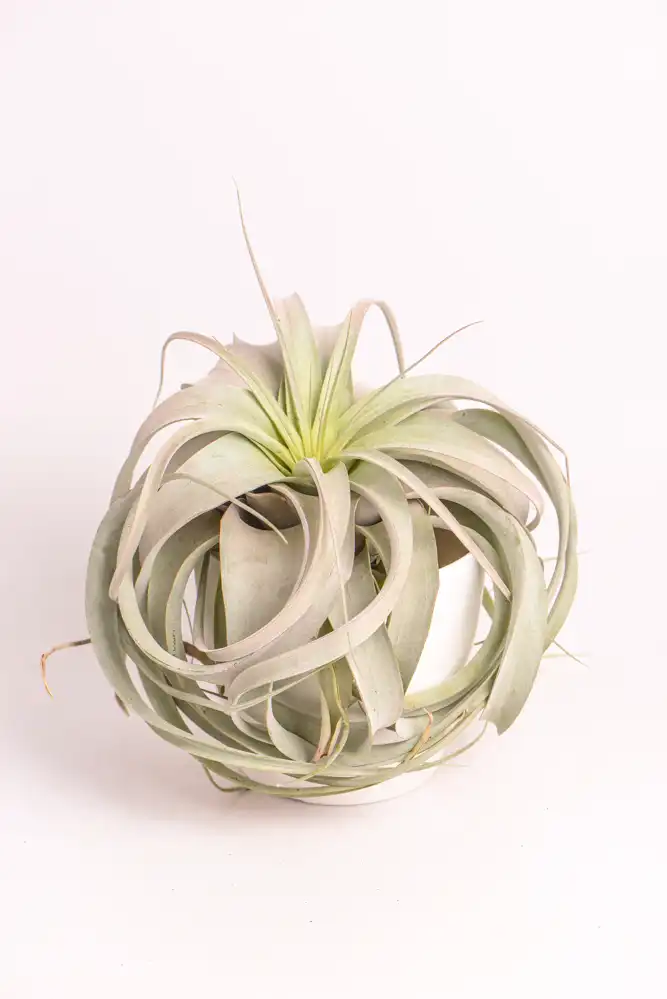
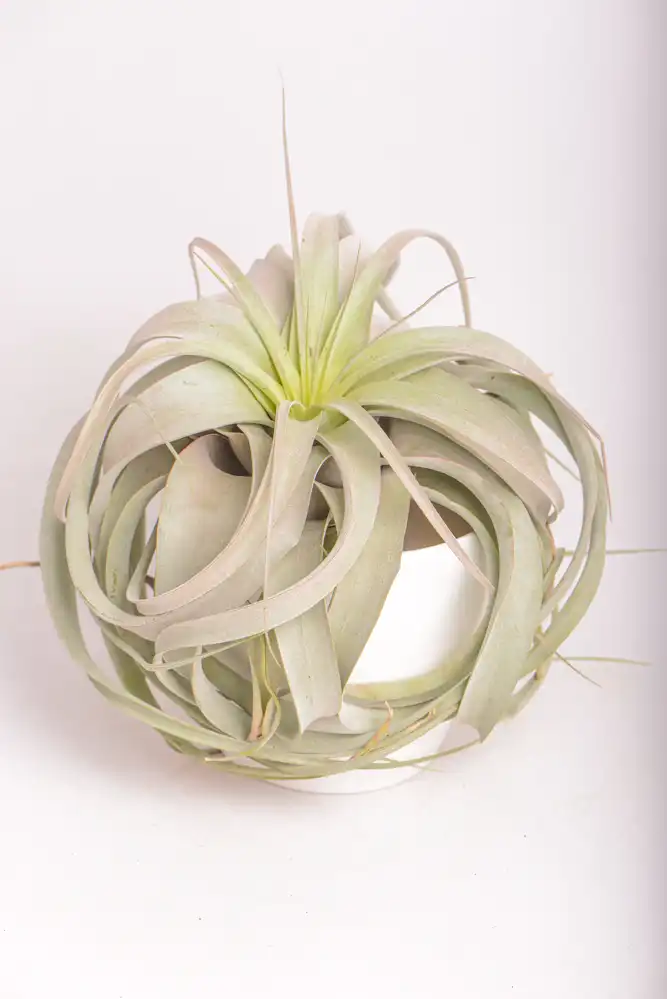
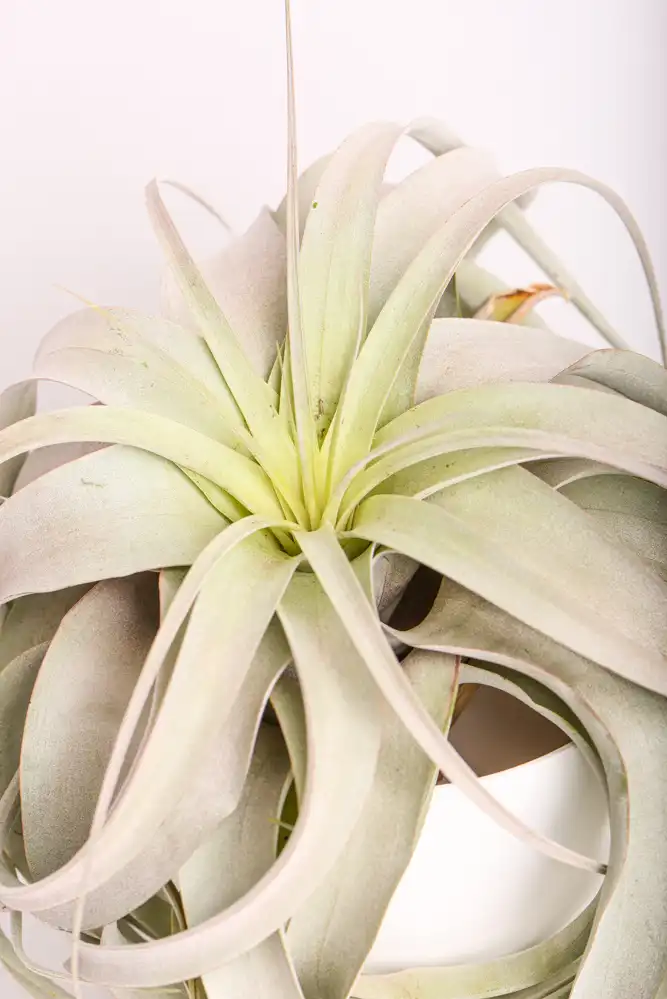
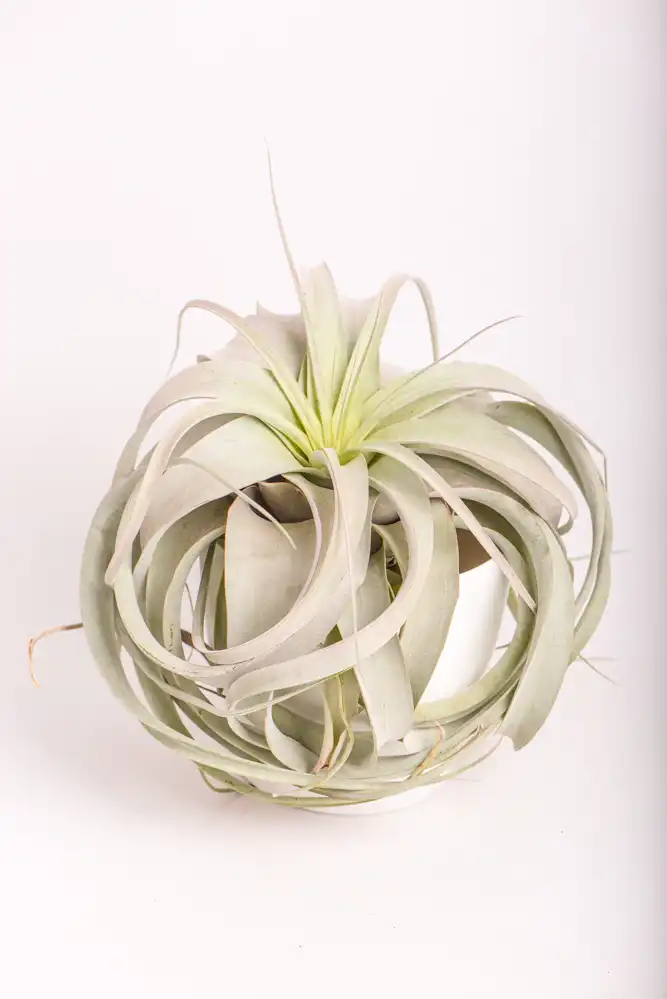
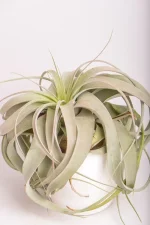
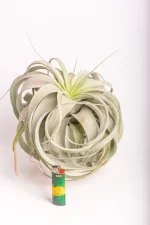
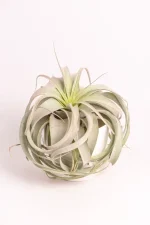
Airplant xerographica is one of the largest and most sought-after air plants. Known as the “Queen of Air Plants”, it forms wide, silver-green leaves that curl into a sculptural rosette. It requires no soil and grows best in bright, indirect light with good airflow. A striking display plant that develops more character as it matures. These plants are approximate 25cm in diameter.

Only 1 left in stock

Add to Cart
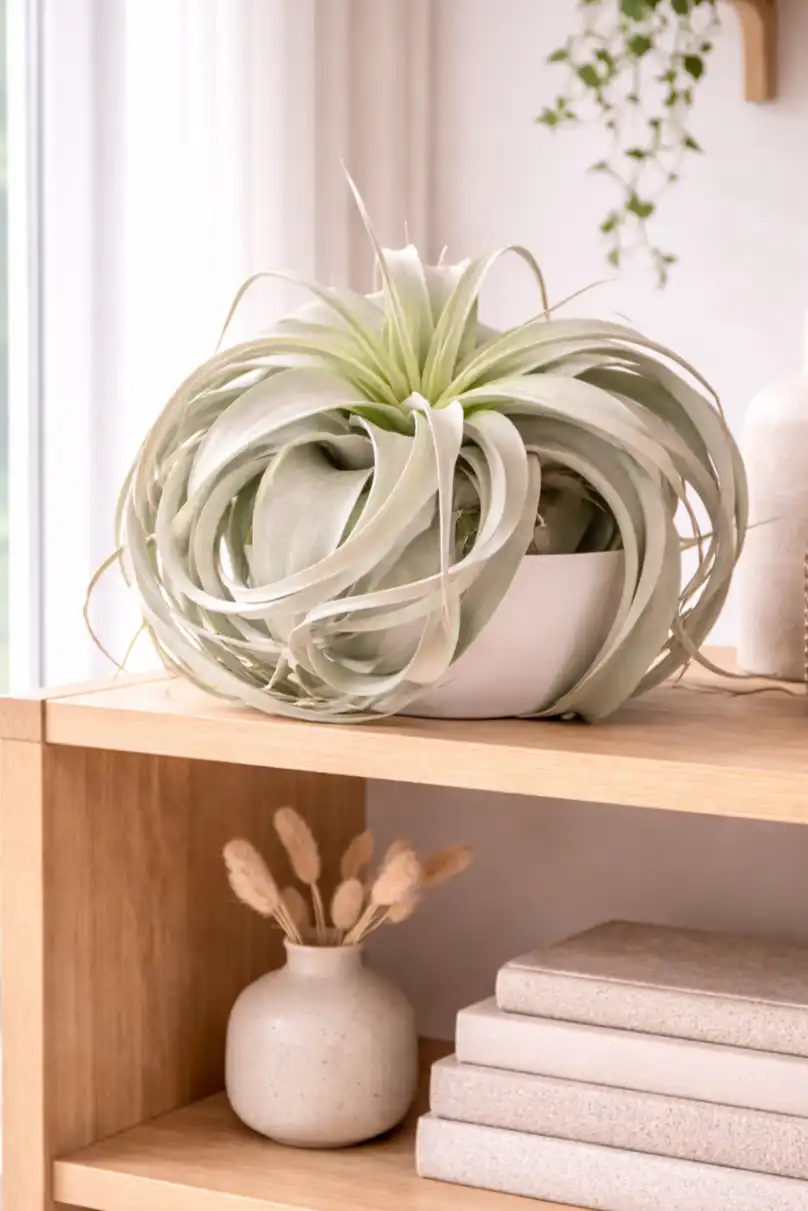
Airplant Xerographica in side shelf next to bright window
Airplant Xerographica
R750.00
Only 1 items left in stock!
Airplant Xerographica in side shelf next to bright window
Airplant Xerographica
R750.00
Questions? Send it to us!
Name

Commonly known as: Airplant Xerographica | 
Queen of Air Plants

Botanical name: Tillandsia xerographica

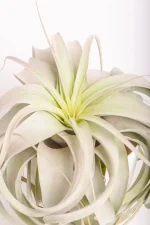
Tillandsia xerographica is widely regarded as the “Queen of Air Plants”, and for good reason. Its broad, silvery leaves curl and twist outward, forming a perfectly balanced rosette that looks sculptural from every angle.

Unlike smaller air plants, Xerographica develops real presence. As it matures, it can reach impressive sizes, often growing up to 60–90cm in diameter under the right conditions. The leaves thicken and hold their shape, giving the plant a bold, structured look that stands on its own without needing filler around it.

The soft silver tone comes from fine trichomes on the leaves, which help the plant absorb moisture from the air. This gives it a slightly matte, almost frosted appearance that works well in clean, modern spaces.

This is not a plant that gets lost in a display. It works best as a standalone piece on a shelf, mounted on wood, or placed where its full shape can be appreciated. As it matures, it becomes more symmetrical and develops a stronger visual impact.

Xerographica is also known for its dramatic flowering stage. Mature plants produce a tall bloom spike with colourful bracts, which further adds to its appeal over time.

Airplant Xerographica Care Guide

Water logo

Watering – How often should it be watered?

Soak the plant in room temperature water for 20–30 minutes once a week. After soaking, shake off excess water and allow it to dry completely within a few hours. Proper drying is critical to prevent rot. In warmer conditions, watering may need to be slightly more frequent.

Light logo

Light – What light does Xerographica need?

Bright, indirect light is essential. These plants can also  tolder a few hours of early morning or late afternoon sun. It thrives in well-lit spaces with good airflow. Avoid strong direct midday sun, especially during the hottest part of the day, as it can dry the plant out too quickly.

Humidity logo

Airflow – Why is airflow important?

Airflow is essential for air plants. Xerographica should never be kept in closed or poorly ventilated containers, even those with small openings. Good airflow ensures the plant dries properly and remains healthy.

Soil Logo

Drying – What should I watch after watering?

The plant should be fully dry within 24 hours. Place it in a well-ventilated area after watering and avoid leaving water sitting in the centre of the rosette.

Fertilizing logo

Feeding – How should it be fertilised?

Feed occasionally using Grobest Organic Fertiliser diluted in water during soaking. For stronger growth and flowering support, Novatec Soluble Fertiliser can also be used periodically.

Repotting logi

Display – How should it be displayed?

Display your Airplan Xerographica in open spaces where air can move freely around it. It can be placed on shelves, mounted on wood, or used as a centrepiece. Avoid enclosed glass containers, as they restrict airflow and can lead to rot.

Pest image

Pests – Are Maidenhair Ferns prone to pests?

They’re fairly pest-resistant but may occasionally attract aphids or scale. Wipe affected areas gently and use an insecticidal spray if needed. Clean fronds with a soft mist or damp cloth now and then to remove dust.

Temerature image

Temperature – What temperature suits it best?

Xerographica grows well between 18°C and 30°C. Avoid temperatures below 10°C and protect it from cold drafts.

FAQ’s

How big does Xerographica get?
It can grow up to 60–90cm in diameter over time, making it one of the largest air plants available.

Why is it called the Queen of Air Plants?
Because of its size, symmetry and sculptural form compared to smaller air plants.

Does it need soil?
No. It absorbs moisture and nutrients through its leaves.

Is it pet-safe?
Yes. Tillandsias are generally considered non-toxic.

Be sure to visit and follow us Facebook and Instagram