








Commonly known as: Ficus Barok | Curly Ficus
Botanical name: Ficus benjamina ‘Barok’
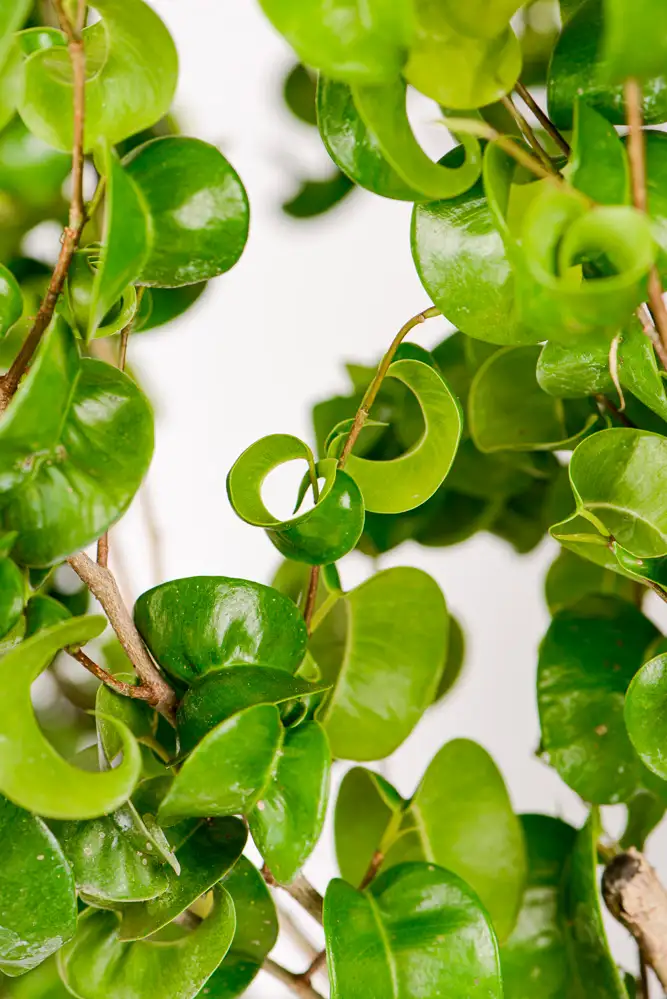
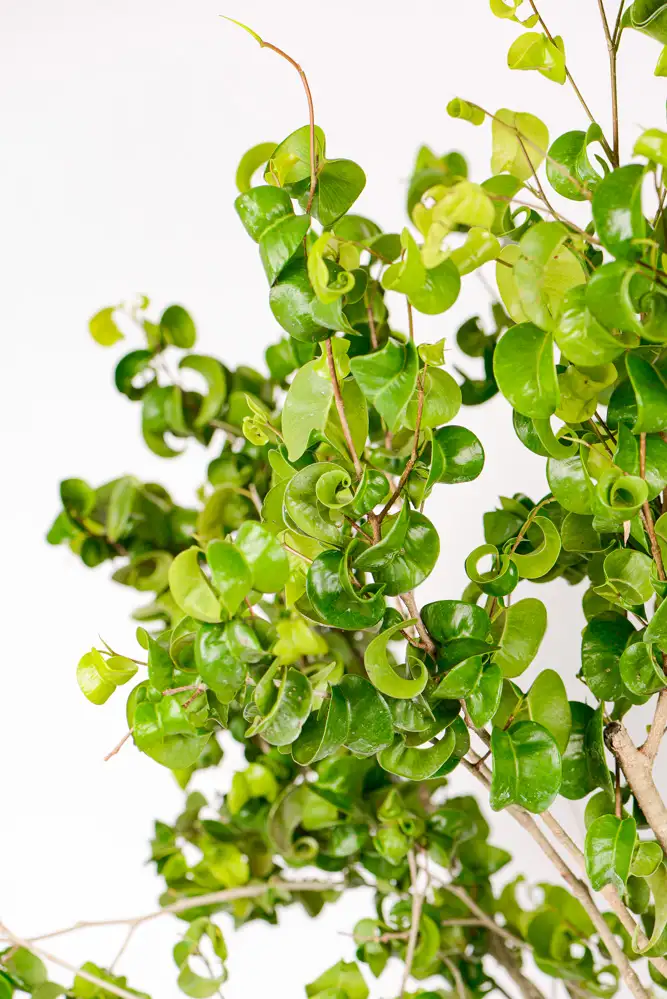
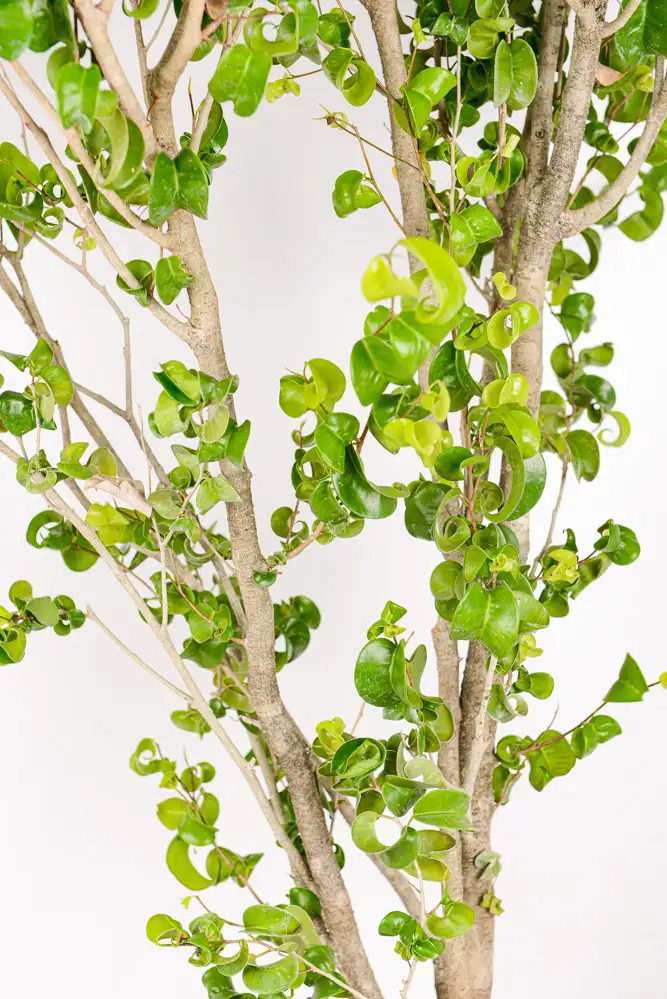
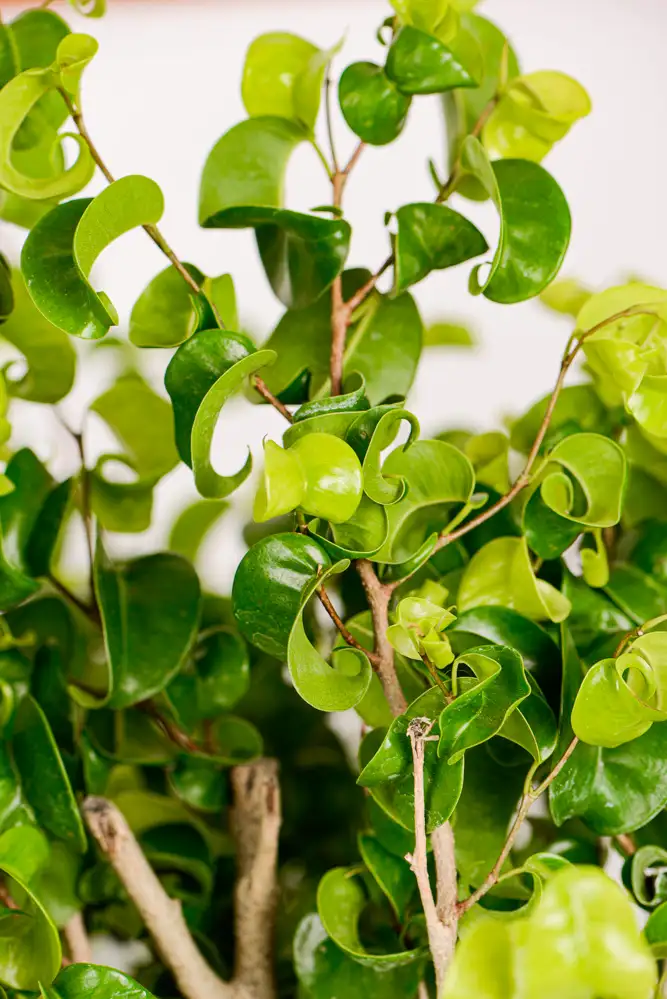
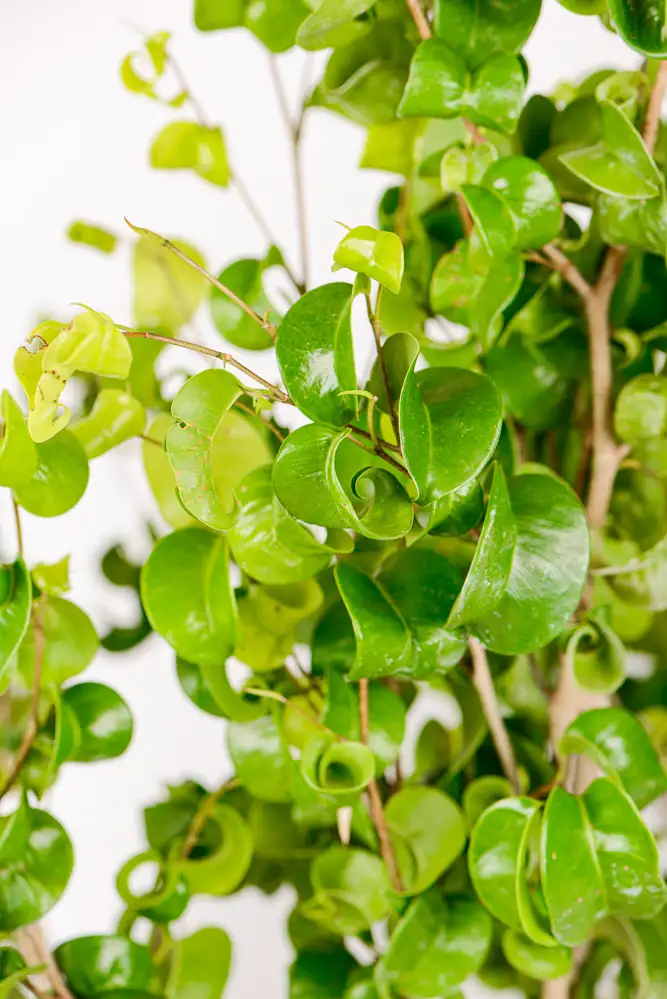
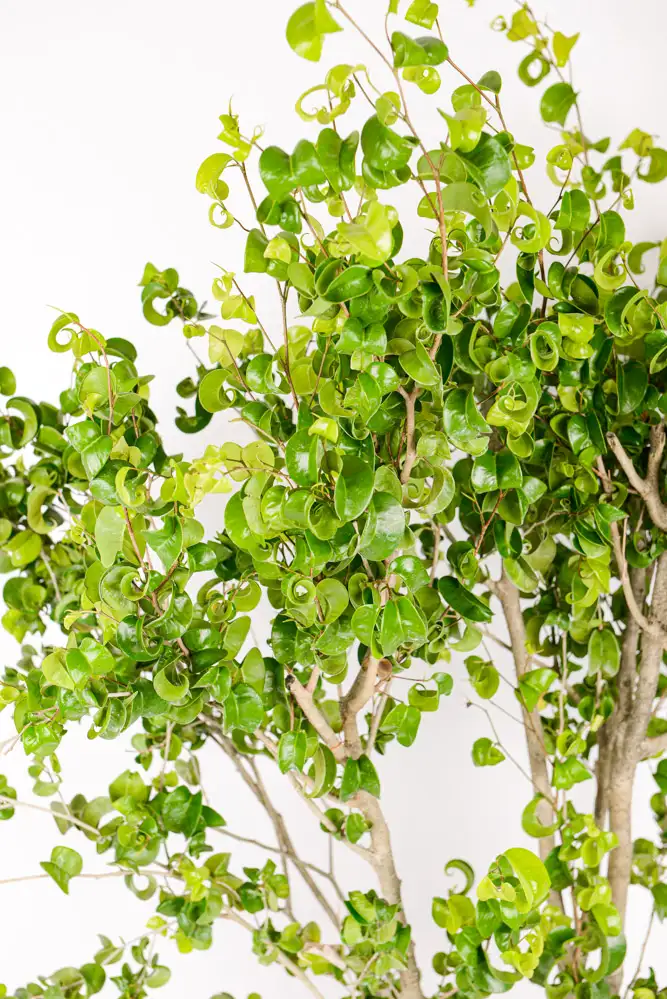
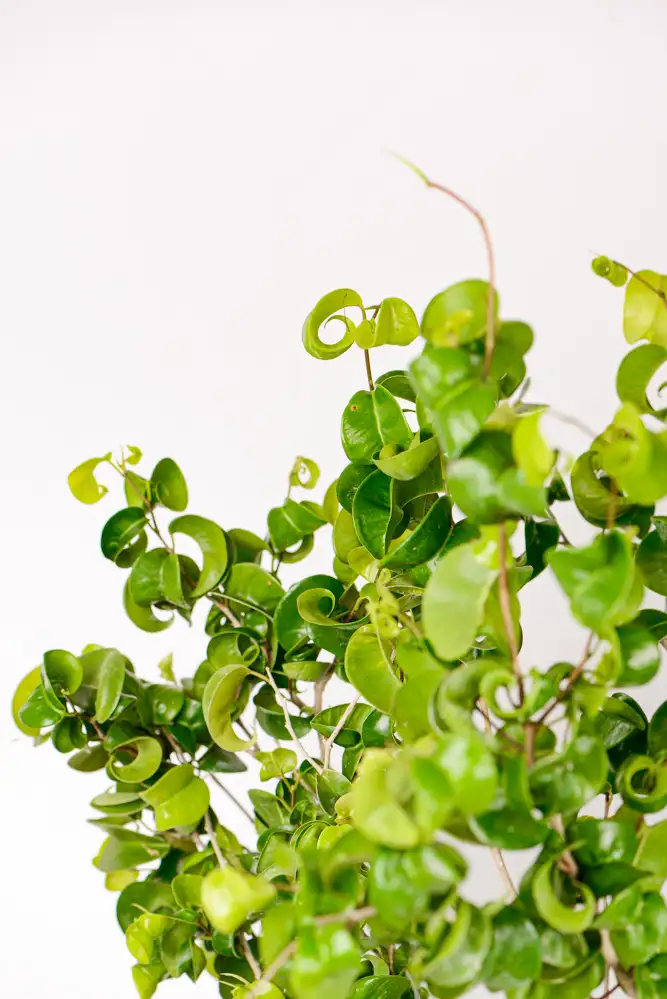
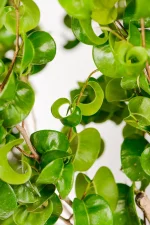
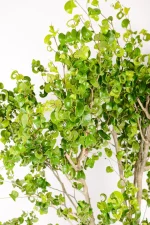
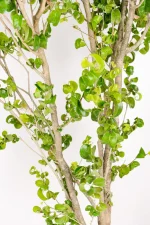
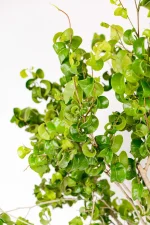
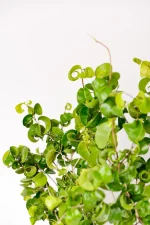
Ficus Barok is recognised immediately by its unusual curled foliage. Each leaf twists inward along its length, creating a textured, almost sculptural appearance that feels very different from standard Ficus benjamina varieties.
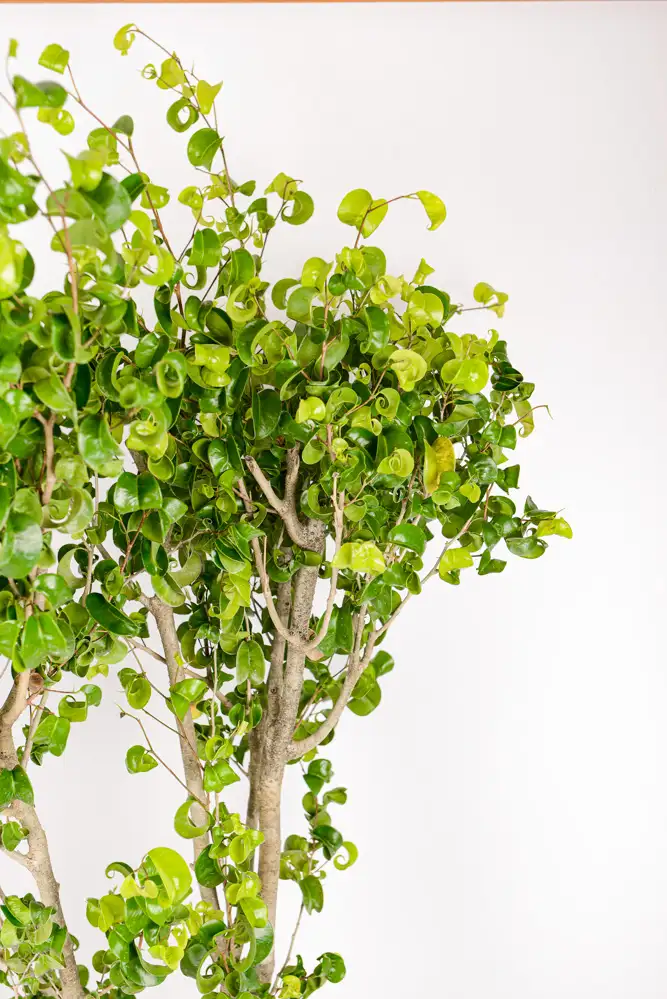
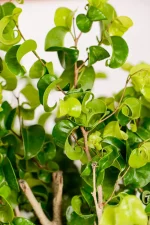
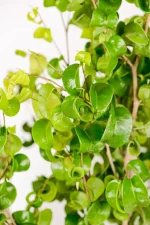
The tightly curled leaves give the plant a denser look overall. Instead of broad flat foliage, the curled structure creates depth and movement throughout the canopy, making the plant appear fuller and more layered even at smaller sizes.
The leaves are glossy and deep green, helping reflect light and keeping the plant looking clean and vibrant indoors. Because of the curled form, the foliage catches light differently throughout the plant, adding more visual detail as you move around it.
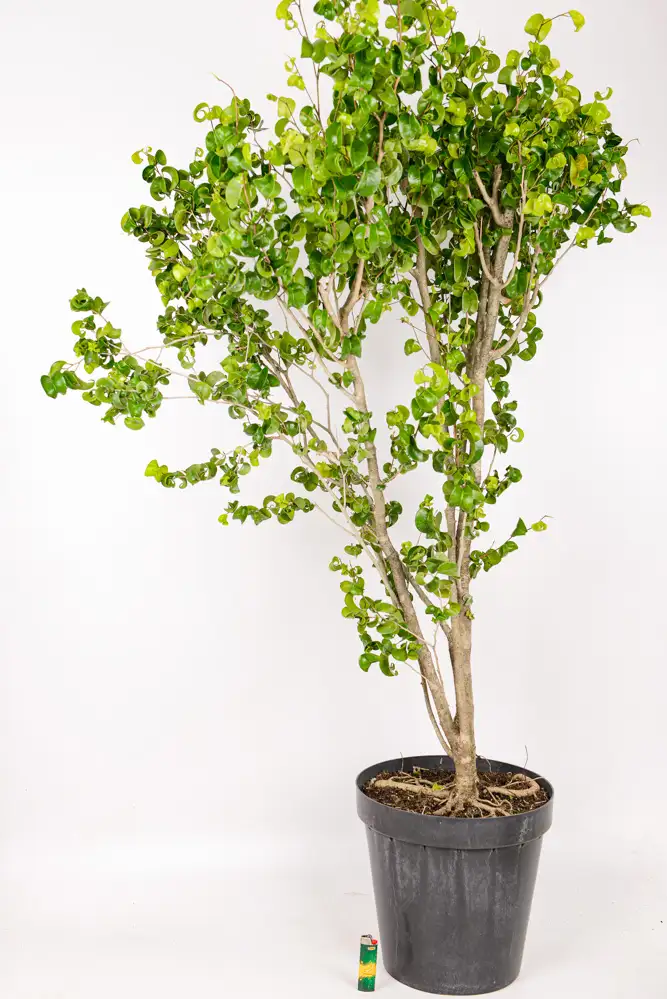
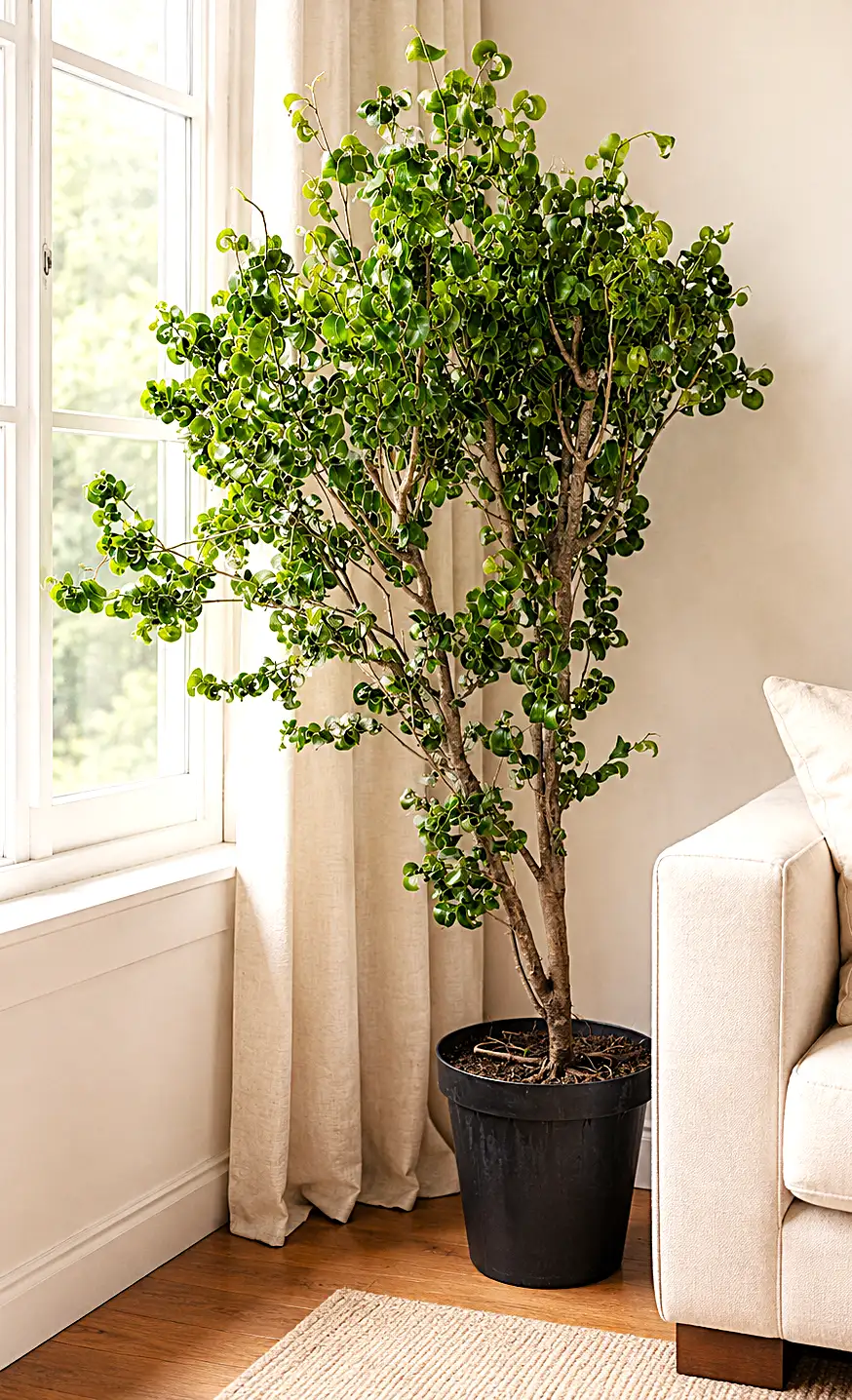
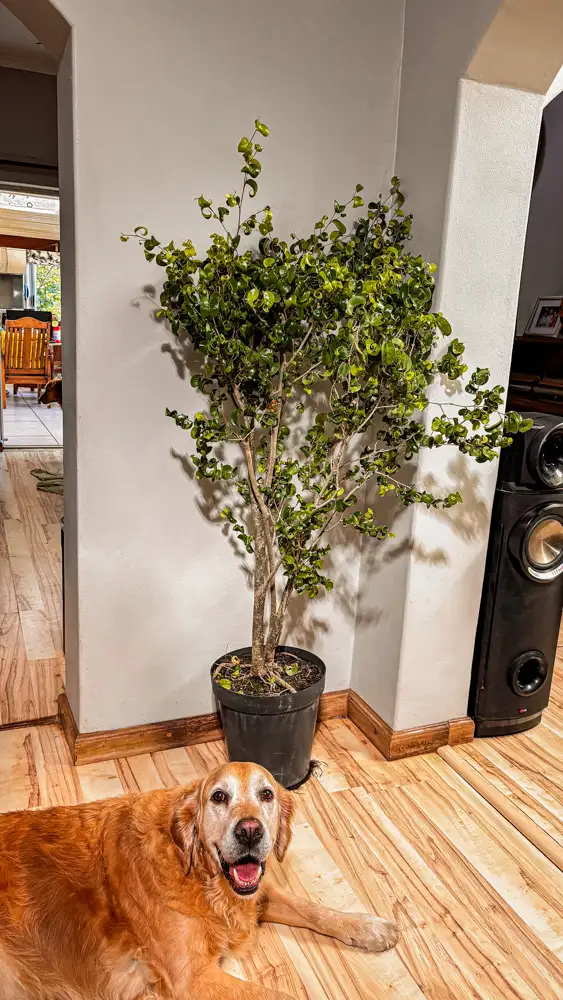
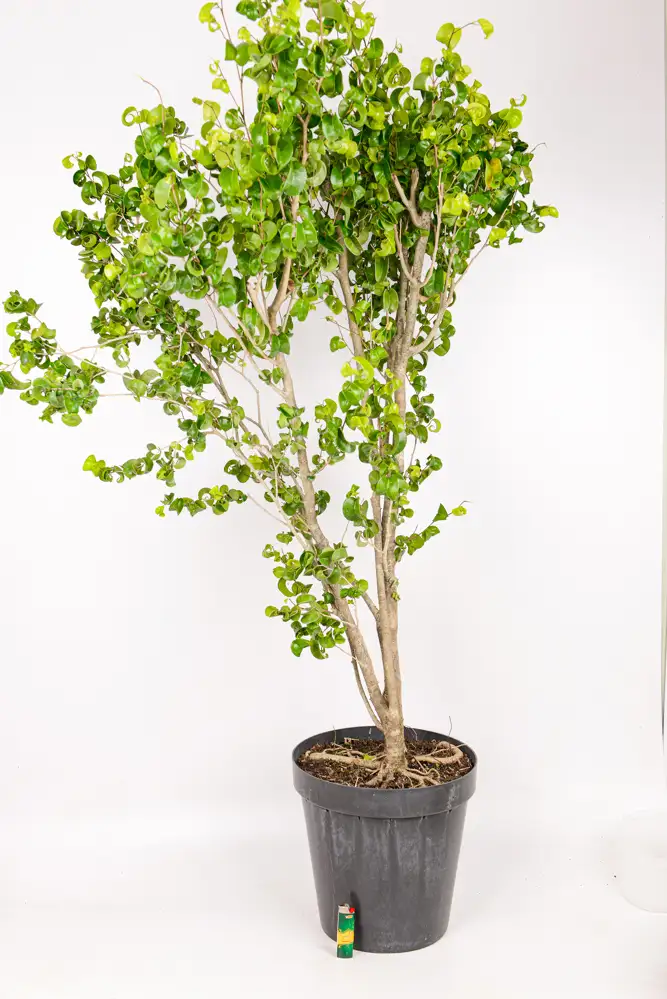
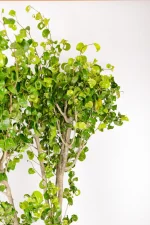
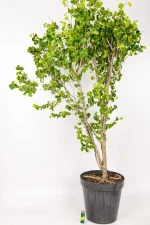
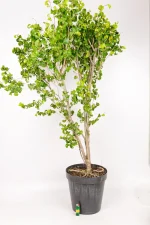
Ficus Barok maintains an upright and compact structure, making it suitable for indoor spaces where a more refined tree form is needed without excessive spread. Over time, the stems gradually strengthen and branch out, increasing canopy density while still maintaining a controlled shape.
Like other ficus varieties, it adapts well to indoor conditions once settled. With strong light and stable watering, it continues to produce steady new growth and becomes increasingly full over time.
This is a ficus chosen more for texture and form than sheer size. The curled foliage gives it a distinctive appearance that stands apart from more common indoor trees.
Ficus Barok Care Guide
Watering – How often should it be watered?
Water when the top 3–5cm of the growing medium begins to dry out. Keep moisture levels balanced while ensuring excess water drains freely. Avoid constantly wet conditions.
Light – What light does Ficus Barok need?
Bright, indirect light is an absolute must. Good light, and even some sun will help maintain it’s dense growth and healthy foliage. Some gentle morning or late afternoon sun is beneficial, if not essential.
Humidity – Does it need extra humidity?
Average indoor humidity is suitable. Stable conditions help reduce leaf drop and maintain healthy growth.
Soil – What soil works best?
Use a breathable, free-draining growing medium. Milled Bark Growing Medium works particularly well for ficus varieties, providing excellent airflow around the roots while maintaining balanced moisture. Perlite can be added if additional drainage is preferred.
Feeding – How should it be fertilised?
It is essential that these plants get substantially during the growing season with Grobest Organic Fertiliser every 1- 2 weeks. For stronger foliage growth, Novatec Soluble Fertiliser can be used regularly.
Repotting – When should it be repotted?
Repot every 18–24 months or when the plant becomes root-bound. Move up one pot size only. Refresh with Milled Bark Growing Medium and incorporate TerraPlus Natura N and Controlled Release Fertiliser during repotting.
Pests – What pests should I watch for?
Watch for scale, spider mites, and mealybugs, especially on the undersides of leaves. Treat early with an insecticidal spray if needed.
Temperature – What temperature suits it best?
Ficus Barok grows well between 18°C and 30°C. Avoid temperatures below 12°C and protect from cold drafts.
FAQ’s
Why are the leaves curled?
The curled foliage is completely natural and is the defining feature of the Barok variety.
Does it grow into a tree?
Yes. Over time it develops a woody structure and fuller canopy.
Is it difficult to care for?
No. Once settled in a stable position with good light, it grows reliably indoors.
Does it lose leaves easily?
Like most ficus varieties, sudden environmental changes can cause some leaf drop, especially after moving.
Is it pet-safe?
No. Ficus species are toxic if ingested.
Be sure to visit and follow us Facebook and Instagram