






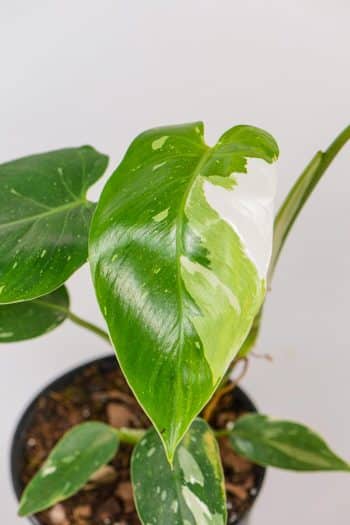
Commonly known as: Giant Monstera Deliciosa | Swiss Cheese Plant | Monstera Deliciosa
Botanical name: Monstera deliciosa
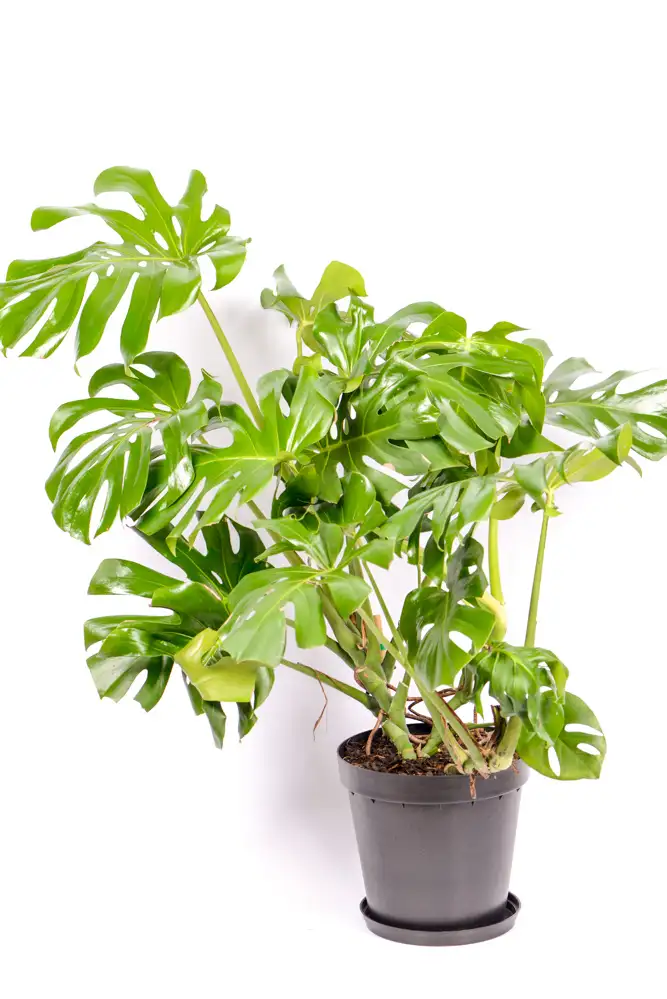
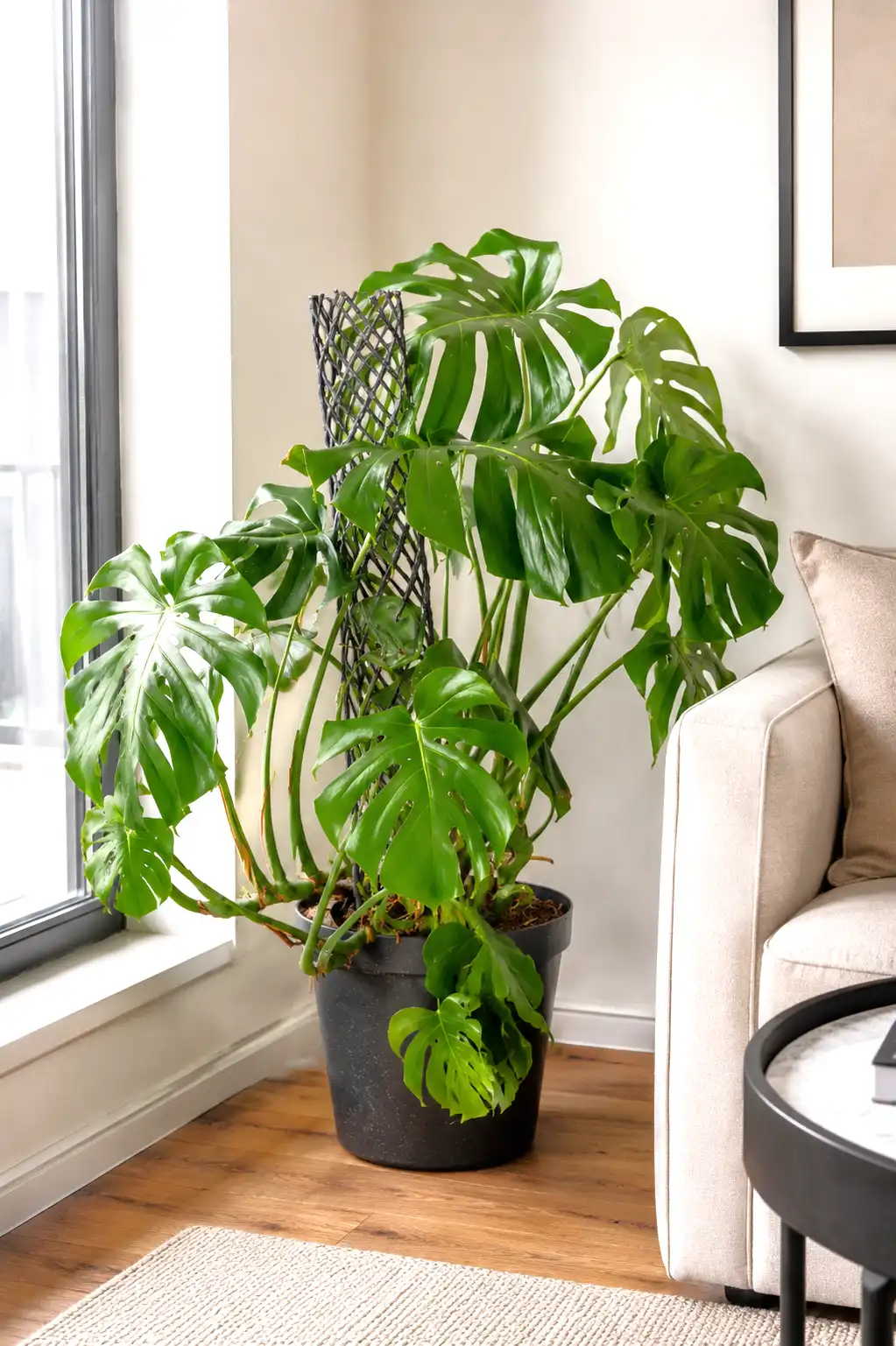
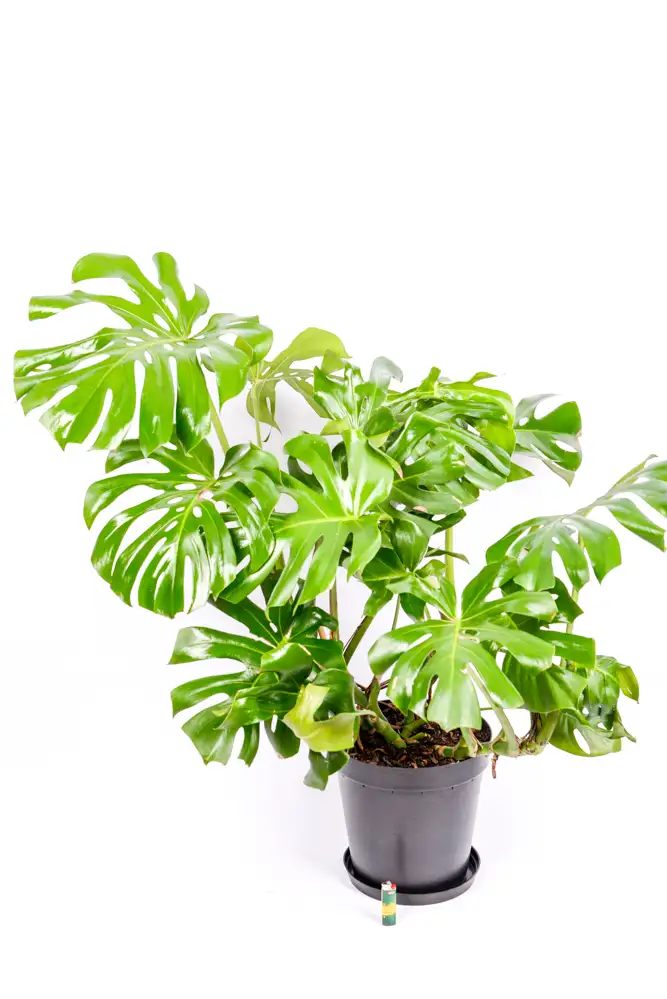
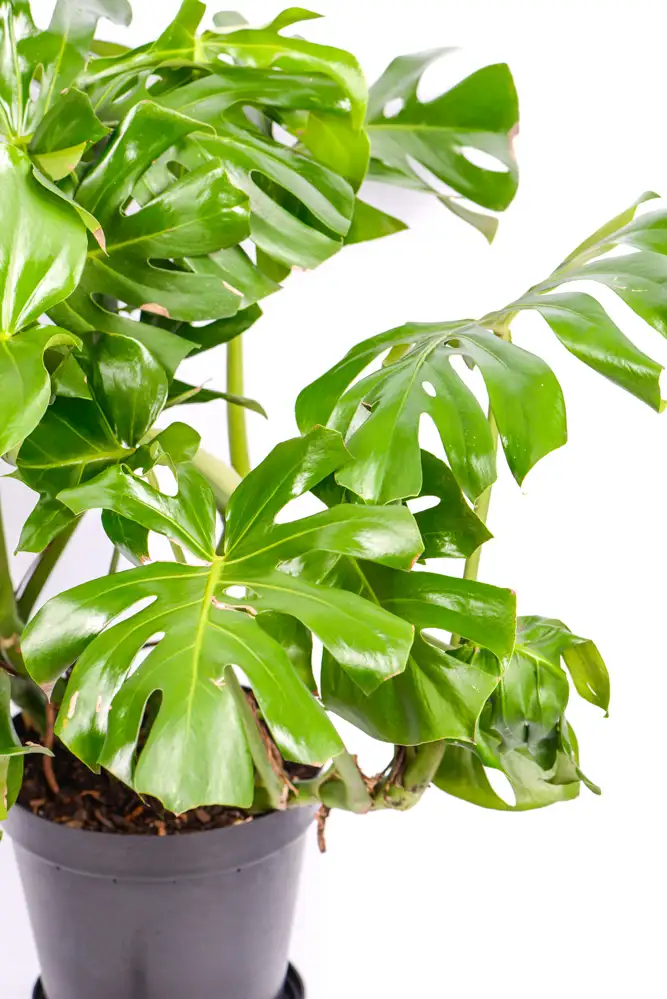
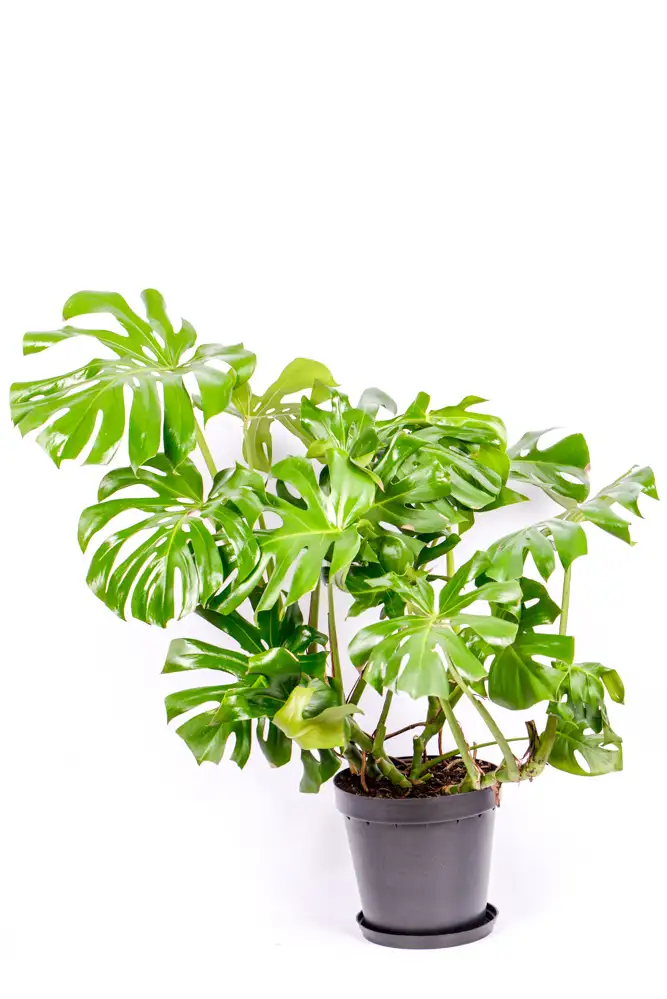
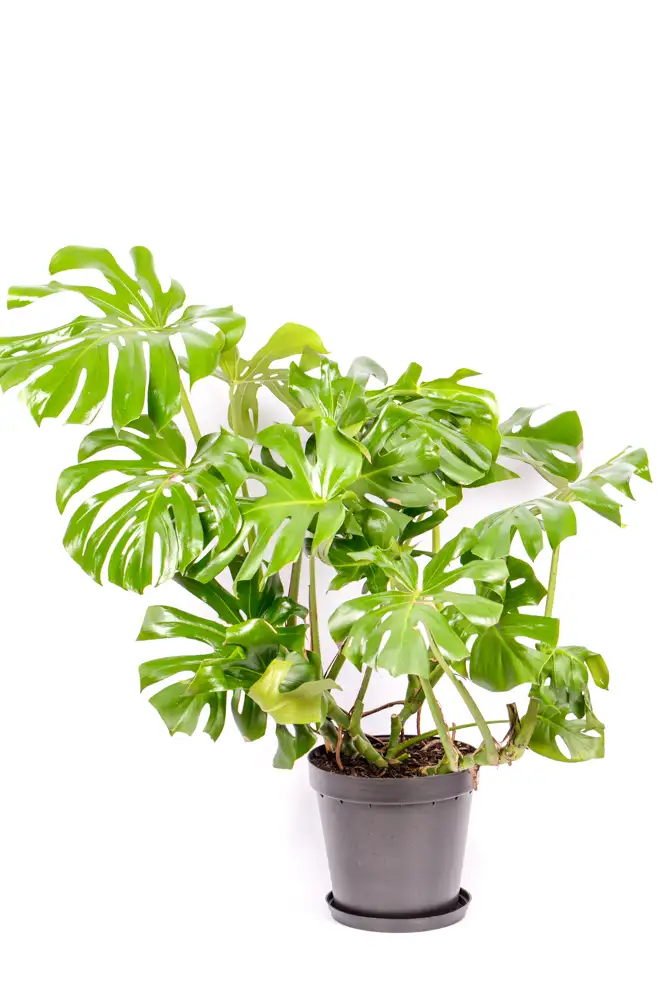
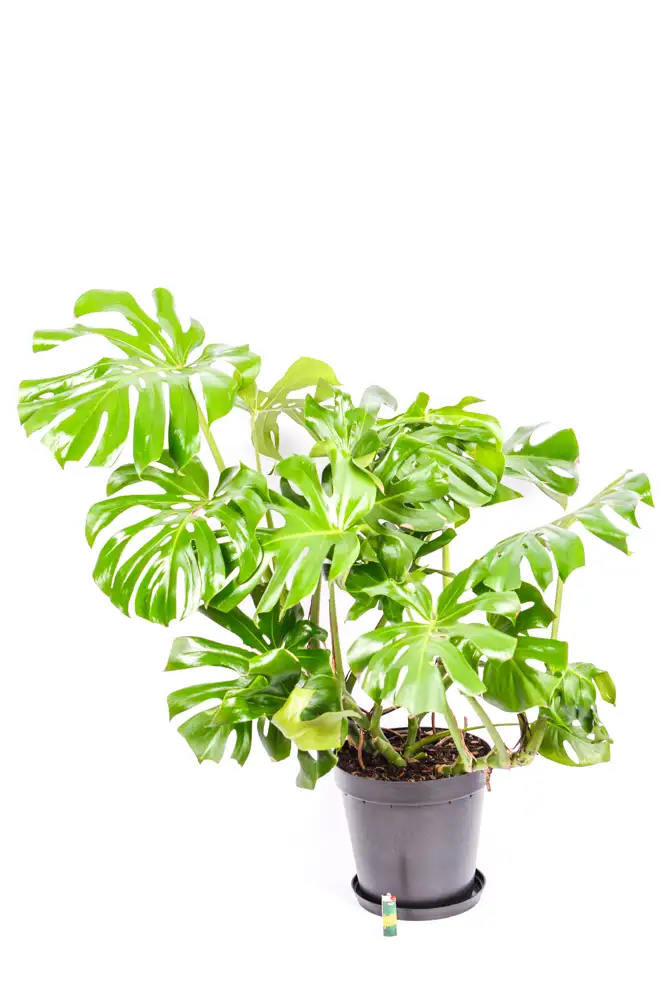
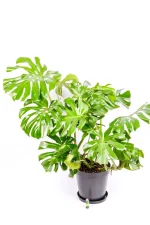
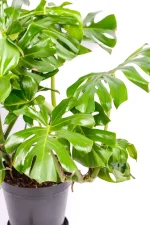
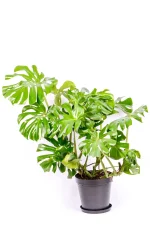
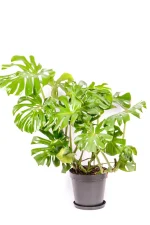
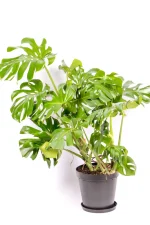
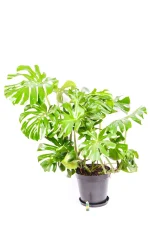
Giant Monstera Deliciosa is built around scale, structure, and mature foliage. Multiple growth points emerge from the base, creating a dense, layered plant rather than a single climbing stem. This gives it immediate fullness and a far more established appearance from the start.
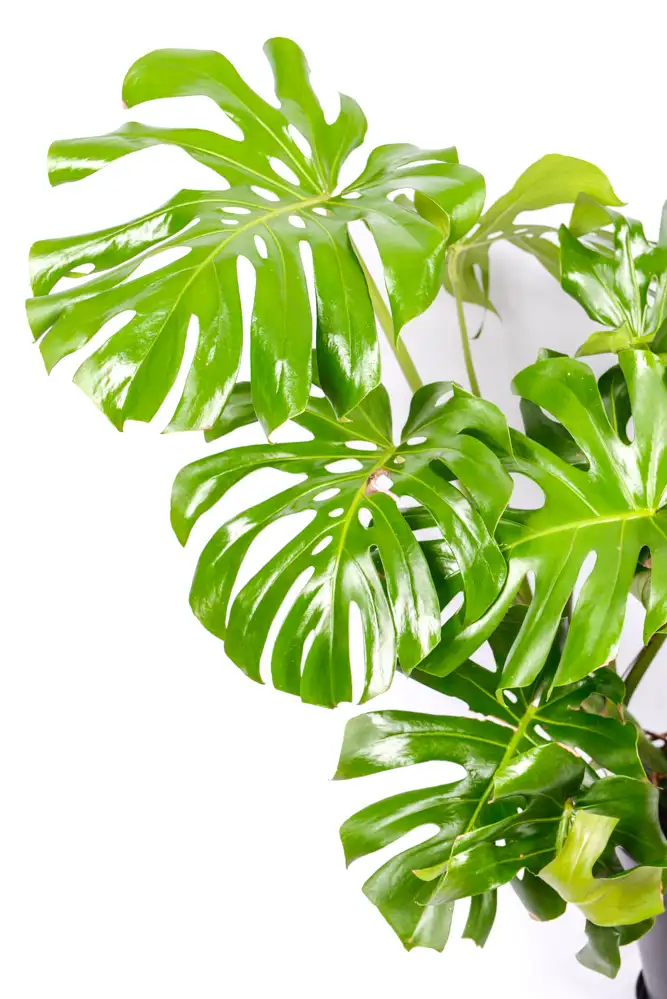
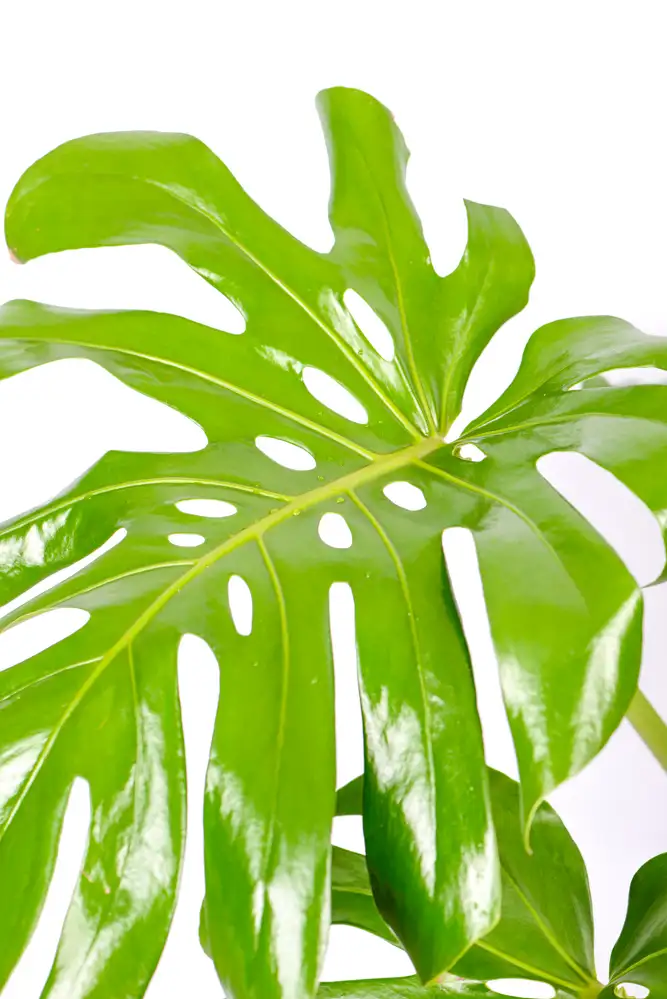
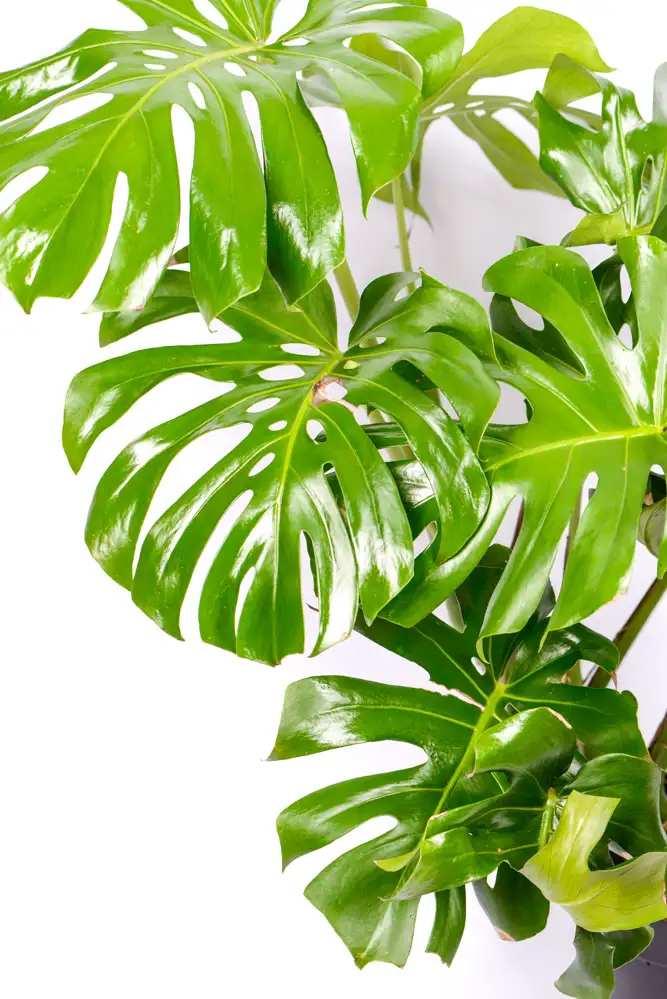
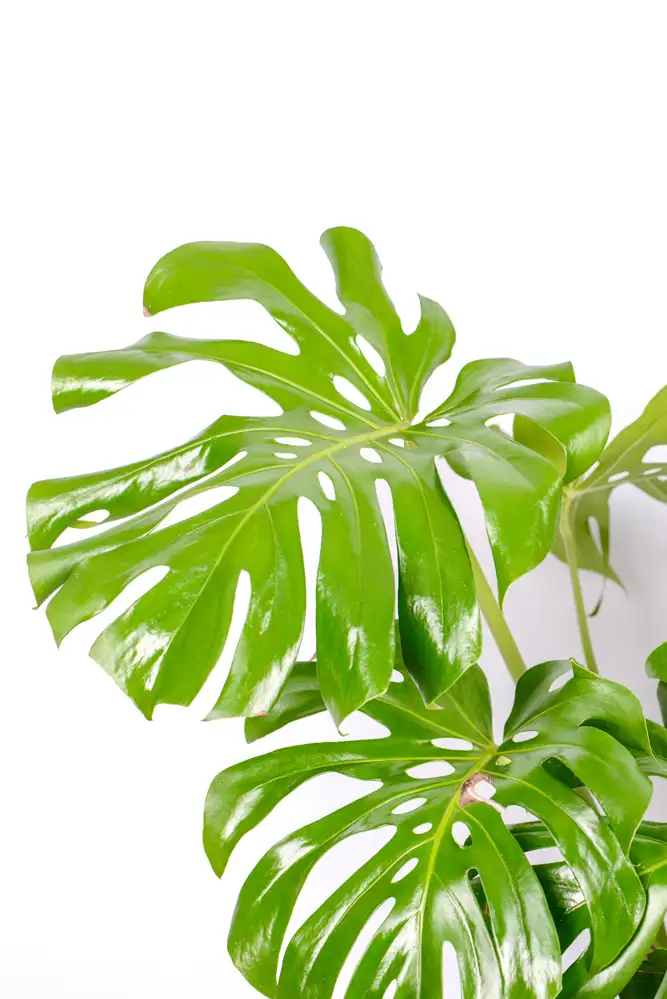
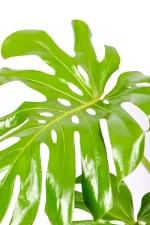
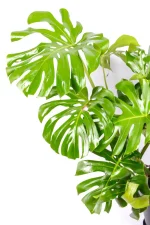
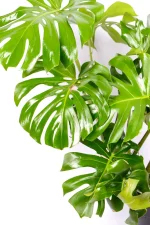
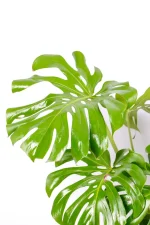
The broad green leaves are already beginning to fenestrate, developing the natural splits and openings that make mature Monsteras so recognisable. As the plant continues climbing, the leaves become larger and more dramatic, with deeper fenestrations forming over time.
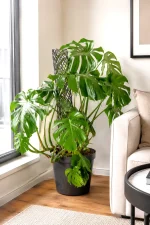
The central moss pole encourages upright growth and allows the aerial roots to attach naturally, supporting stronger leaf development and a more mature growth pattern. Instead of sprawling outward, the plant grows vertically while maintaining a thick, lush form.
At this size, the plant already commands attention. The large foliage creates a strong tropical feel indoors without becoming untidy. The layered growth points also help maintain fullness throughout the plant, rather than leaving long bare stems.
Monstera deliciosa naturally develops into a substantial climbing plant under the right conditions. With strong light, regular feeding, and support from the moss pole, this specimen will continue producing increasingly larger and more architectural foliage over time.
This is not a starter Monstera. It already has the scale and maturity that people spend years trying to achieve.
Giant Monstera Deliciosa Care Guide
Watering – How often should it be watered?
Water when the top 3–5cm of the growing medium begins to dry out. Keep moisture levels balanced while ensuring excess water drains freely. The moss pole can also be lightly moistened to support aerial root attachment.
Light – What light does Giant Monstera Deliciosa need?
Bright, indirect light works best. Strong light encourages larger leaves and deeper fenestrations. Avoid harsh direct afternoon sun, which can scorch the foliage.
Humidity – Does it need extra humidity?
Average indoor humidity is suitable, although moderate to higher humidity supports stronger leaf development and healthier aerial roots.
Soil – What soil works best?
Use a breathable, free-draining growing medium that supports both moisture retention and airflow. Milled Bark Growing Medium works particularly well for Monsteras. Perlite can be added if additional drainage is preferred.
Feeding – How should it be fertilised?
Feed during the growing season with Grobest Organic Fertiliser every 4–6 weeks. For stronger growth and larger foliage, Novatec Soluble Fertiliser can be used regularly.
Repotting – When should it be repotted?
Repot every 18–24 months or when the plant becomes root-bound. Move up one pot size only. Refresh with Milled Bark Growing Medium and incorporate TerraPlus Natura N and Controlled Release Fertiliser during repotting.
Pests – What pests should I watch for?
Watch for spider mites, thrips, and mealybugs, especially around new growth and aerial roots. Treat early with an insecticidal spray if needed.
Temperature – What temperature suits it best?
Monstera deliciosa grows well between 18°C and 30°C. Avoid temperatures below 12°C and protect from cold drafts.
FAQ’s
Why do Monstera leaves develop holes?
Fenestrations develop naturally as the plant matures and climbs.
Will the leaves become more split over time?
Yes. Strong light, climbing support, and maturity all contribute to larger, more fenestrated leaves.
Why does this plant look fuller than standard Monsteras?
Multiple growth points create a denser and more layered structure from the base.
Does the moss pole matter?
Yes. It supports climbing growth and helps encourage larger, more mature foliage.
Is it pet-safe?
No. Monstera species are toxic if ingested.
Be sure to visit and follow us Facebook and Instagram