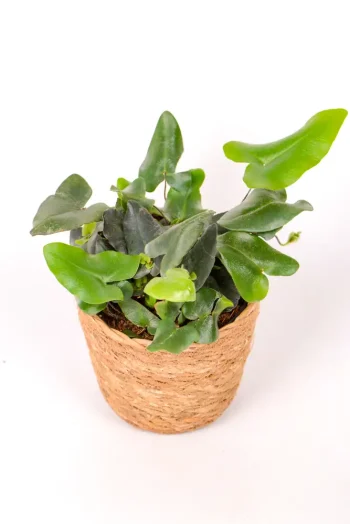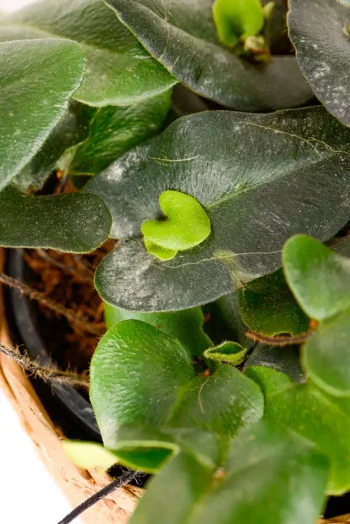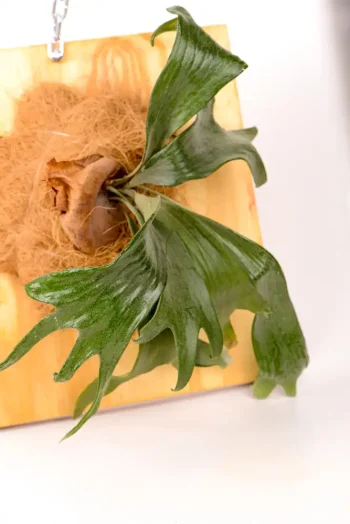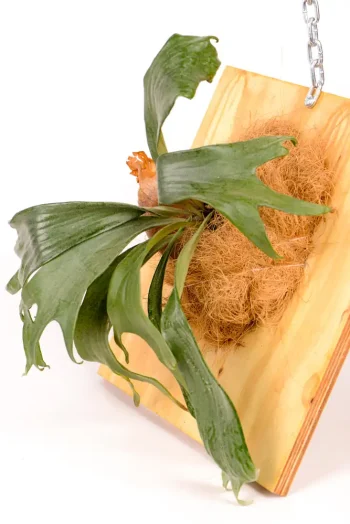







Commonly known as: Peace Lily Sensation
Botanical name: Spathiphyllum ‘Sensation’
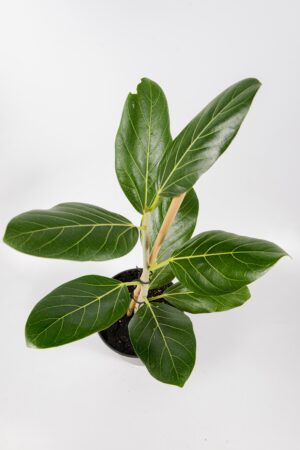
Peace Lily ‘Sensation’ is a larger, more dramatic version of the classic Peace Lily, prized for its broad, ribbed leaves rather than its flowers alone. The foliage creates a strong visual presence without feeling busy, making it well suited to modern interiors and quieter spaces.
Like other Peace Lilies, Sensation is adaptable and tolerant, coping well with lower light levels and occasional missed waterings. Its size gives it more presence, but its care requirements remain straightforward. This makes it a reliable option for homes and offices where conditions are stable but not perfect.
With consistent watering and a steady position, Peace Lily ‘Sensation’ becomes a long-term indoor plant that adds structure, softness, and a sense of calm to a room.
Peace Lily Sensation Care Guide
Watering – How often should I water it?
Water when the top 2–3 cm of soil begins to dry. Peace Lilies prefer evenly moist soil but do not like sitting in water. If the leaves droop slightly, it’s usually a sign the plant needs watering and it will recover quickly once watered.
Light – What light does Peace Lily Sensation need?
Peace Lily Sensation performs well in low to bright, indirect light. While it tolerates lower light better than many plants, brighter indirect light encourages stronger growth and healthier leaves. Avoid direct sun, which can scorch the foliage.
Humidity – Does it need humidity?
Average indoor humidity is usually sufficient. Peace Lily Sensation appreciates slightly higher humidity, but it adapts well to normal home and office environments.
Soil – What soil works best?
A moisture-retentive but free-draining mix works best. Indoor Potting Soil provides a stable base. If you’d like to increase aeration, you can add Perlite and Bark Chips to improve airflow around the roots.
Feeding – How should I fertilise it?
Feed during spring and summer using a diluted dose of Grobest Organic Fertiliser every 4–6 weeks. For stronger leafy growth, Novatec Soluble Fertiliser can be used occasionally at a low dilution as an alternative.
Repotting – When should Peace Lily Sensation be repotted?
Repot every 18–24 months, or when the plant becomes clearly root-bound. Move up one pot size at a time and keep most of the existing soil around the roots intact. When repotting, Indoor Potting Soil can be refreshed and improved with Perlite and Bark Chips if additional aeration is needed.
Pests – What pests should I watch for?
Peace Lilies are generally pest-resistant. Occasionally spider mites or aphids may appear on stressed plants. Regular inspection and early treatment with an insecticidal spray will prevent issues from spreading.
Temperature – What temperature suits it best?
Ideal temperatures range between 18 °C and 28 °C. Avoid cold drafts and sudden temperature changes, which can cause leaf stress.
FAQ’s
Q: Does Peace Lily Sensation flower?
Yes, although it’s often grown more for its foliage. Flowers appear under good light and consistent care.
Q: Can it handle low light?
Yes. It’s one of the better large plants for lower-light indoor spaces.
Q: Why are the leaves drooping?
This is usually a sign the plant needs water. It typically recovers quickly after watering.
Q: Is it pet-safe?
No. Peace Lilies are toxic if ingested and should be kept out of reach of pets.
Be sure to visit and follow us Facebook and Instagram