





Commonly known as:Â Giant Bird of Paradise | White Bird of Paradise
Botanical name:Â Strelitzia nicolai
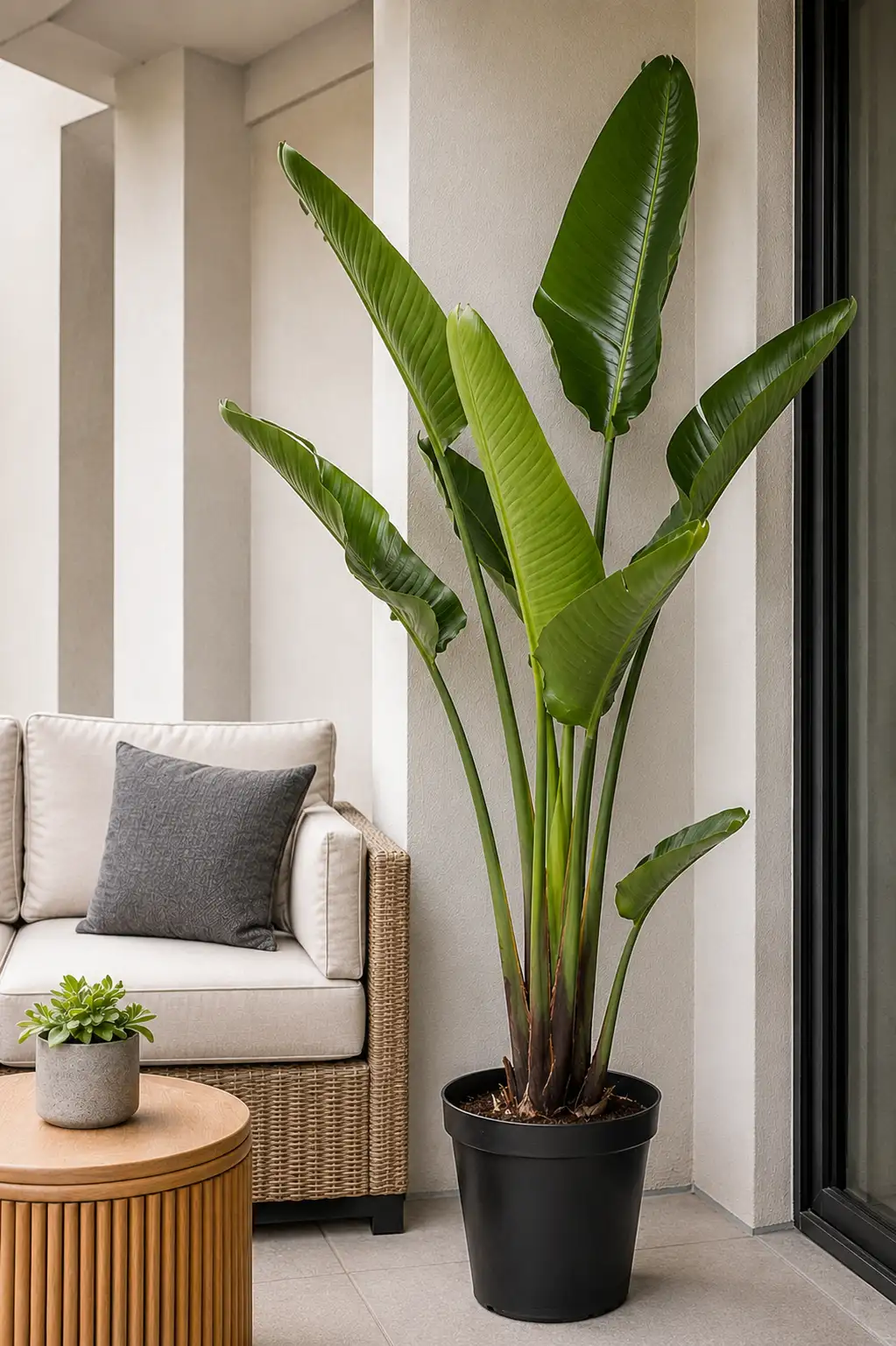
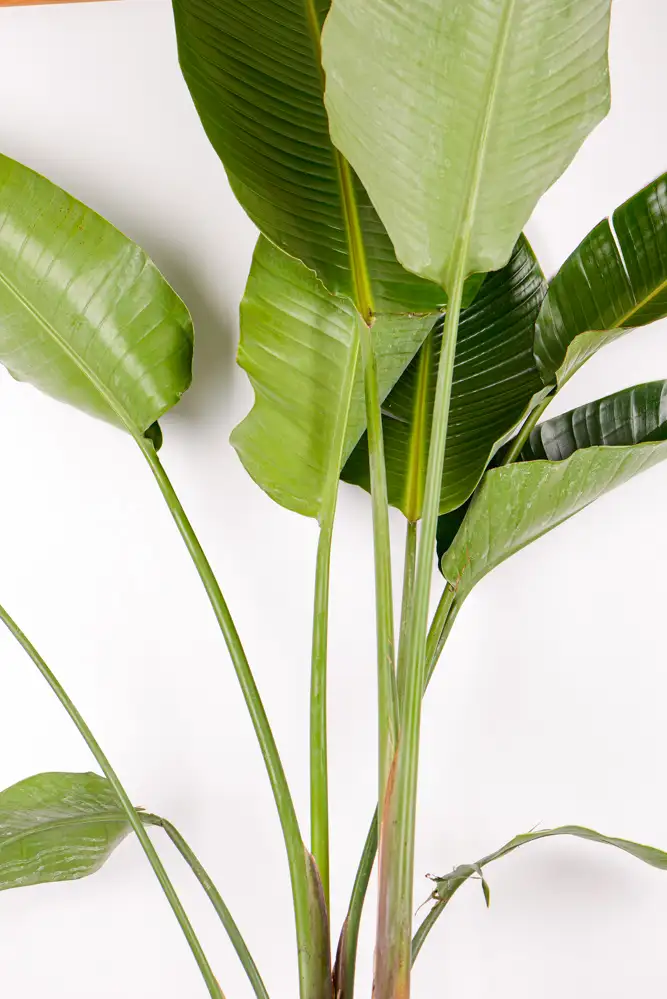
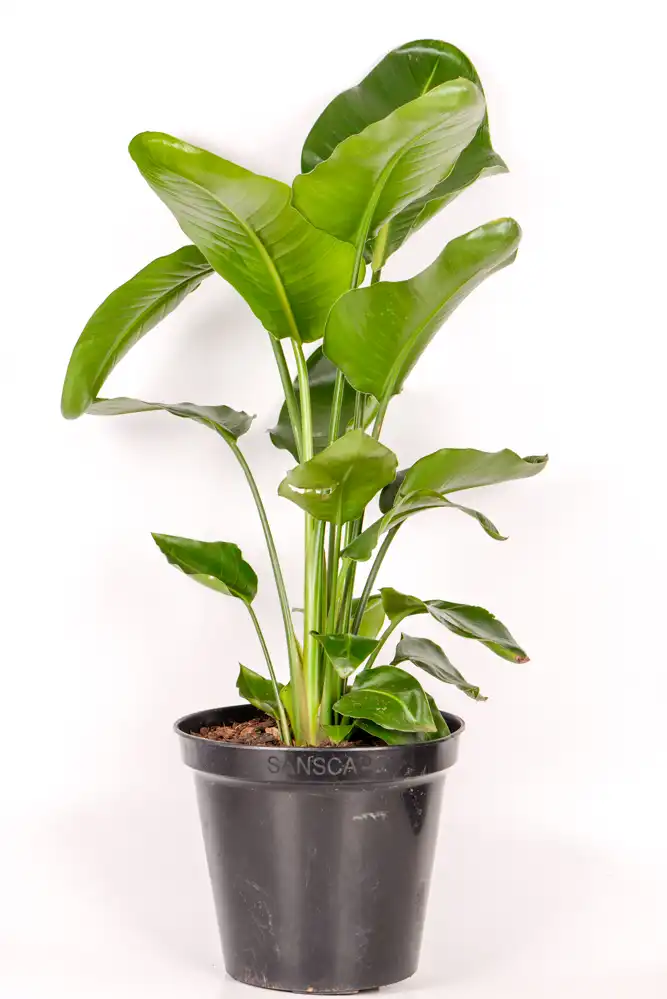
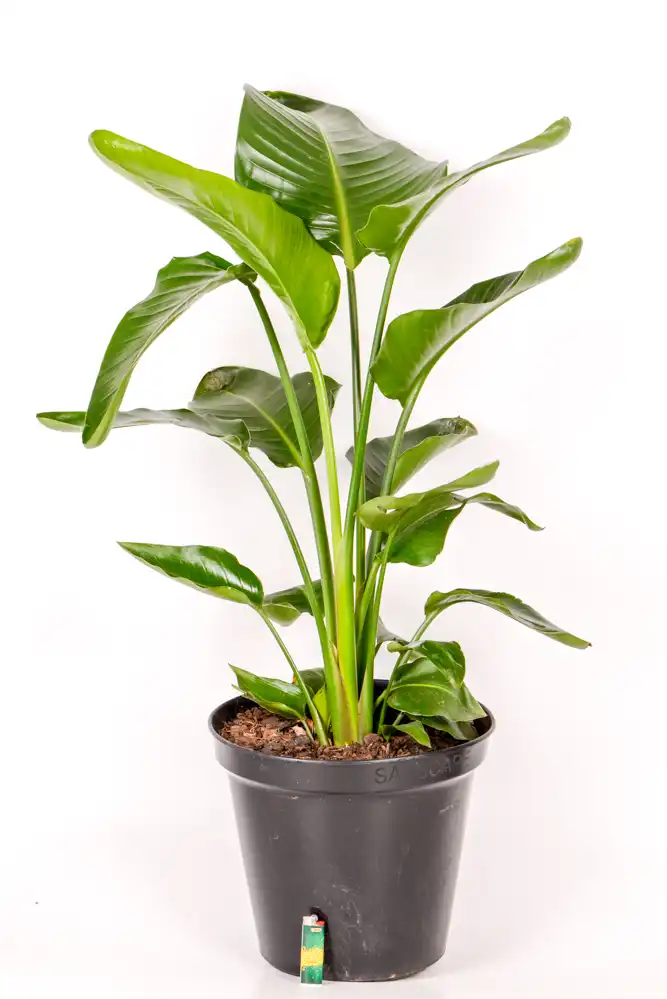
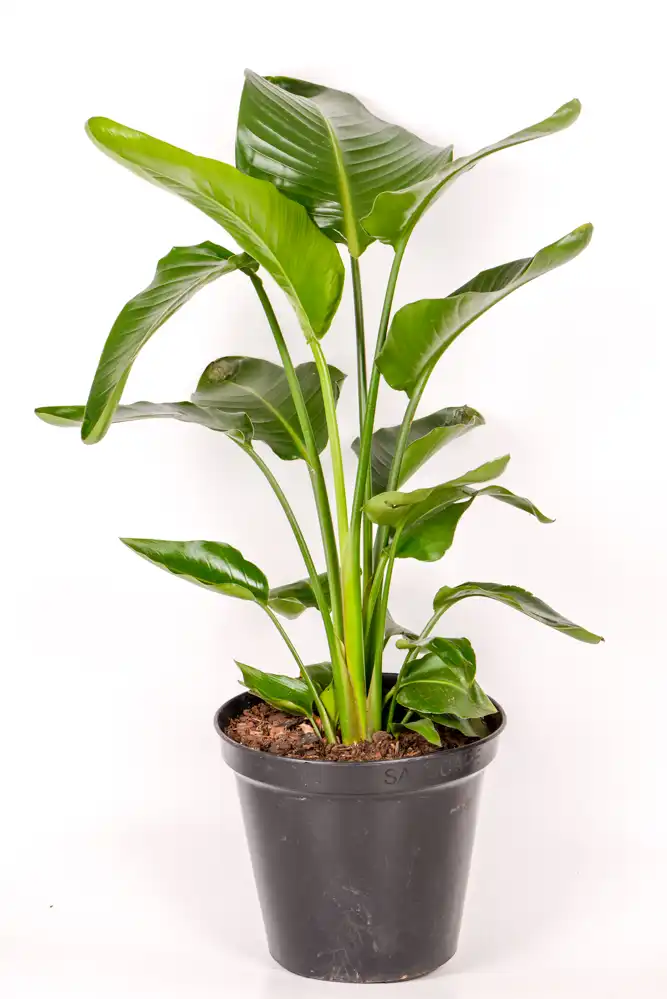
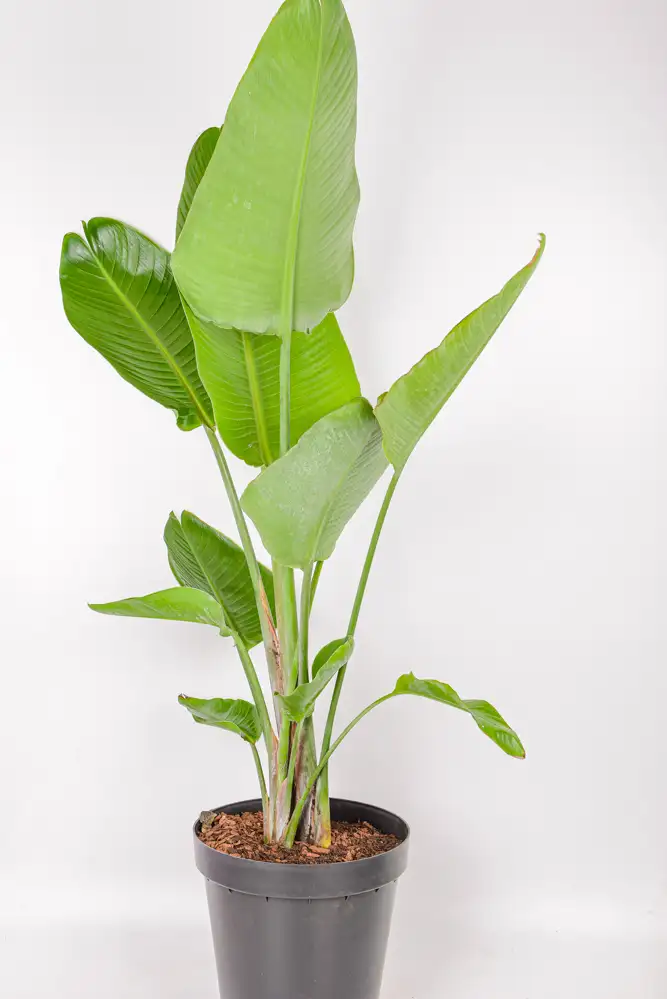
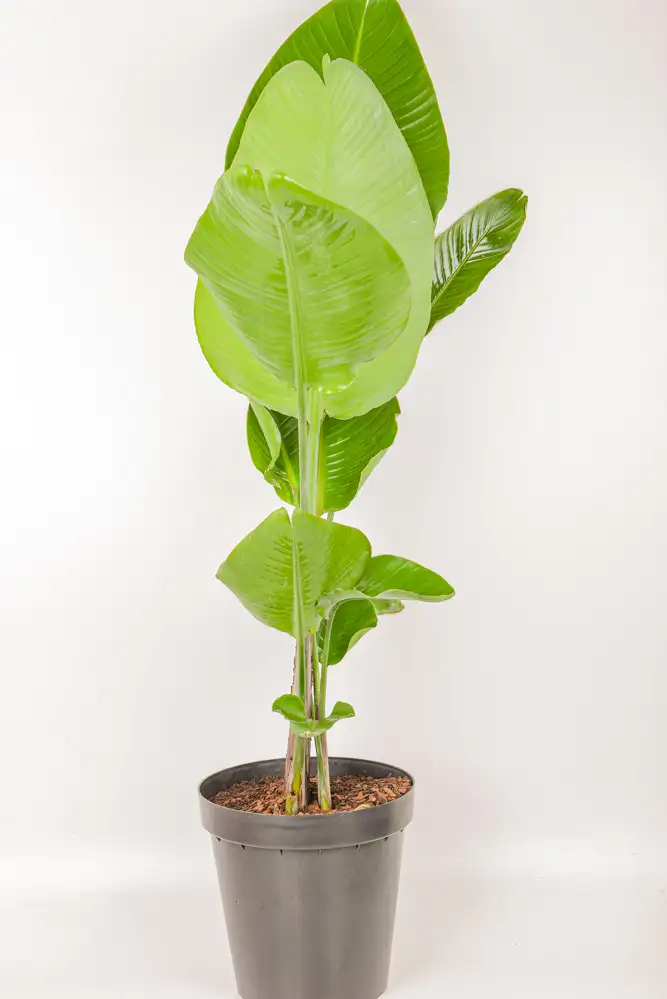
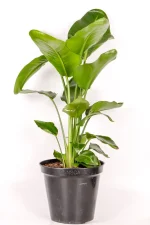
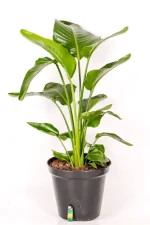
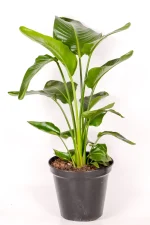
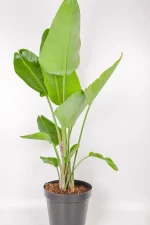
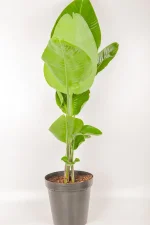
Giant Bird of Paradise is built around scale. The large upright leaves rise from thick stems, creating a bold architectural shape that immediately changes the feel of a space. At around 1.4–1.5m tall in a 30cm pot, this is already a substantial plant with strong presence.
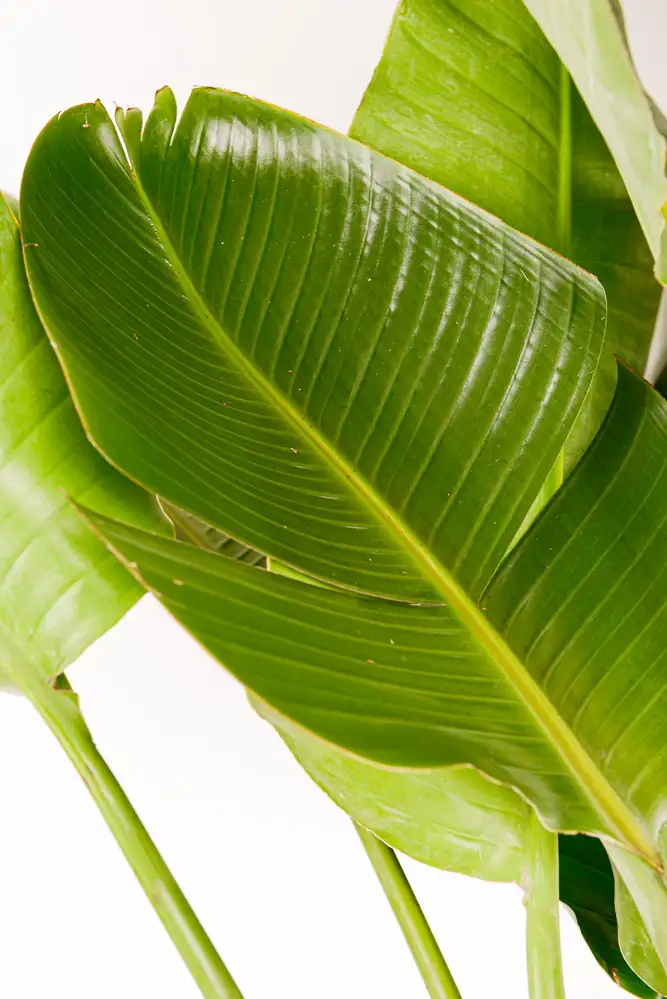
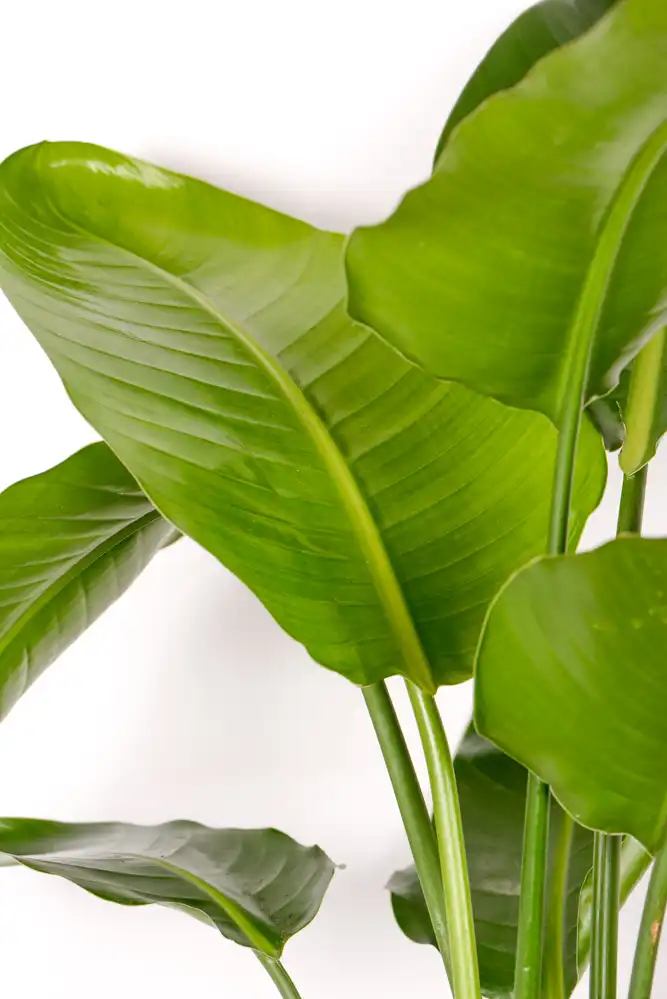
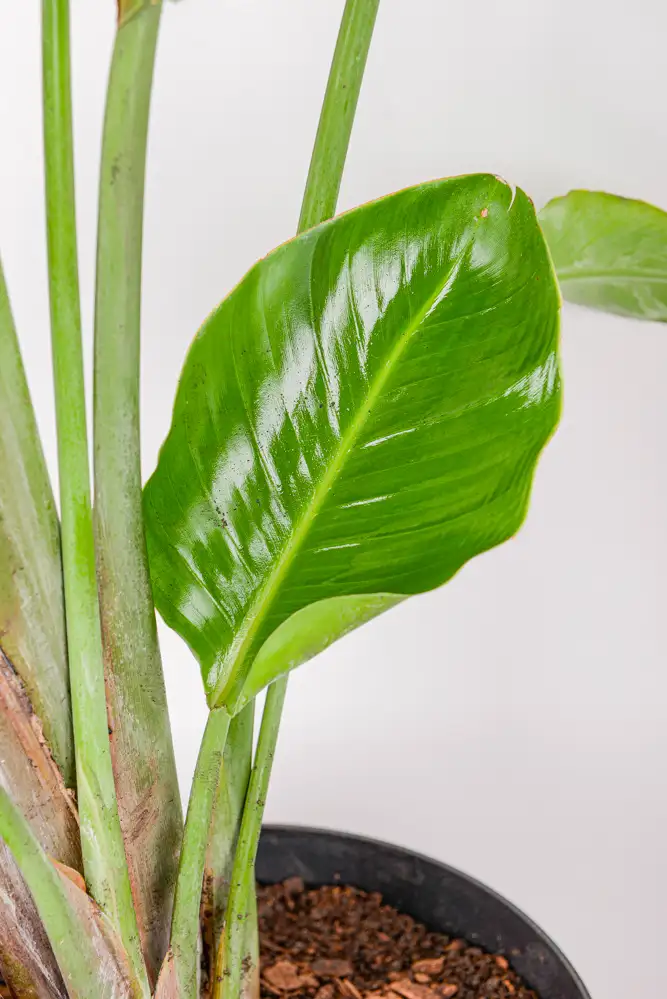
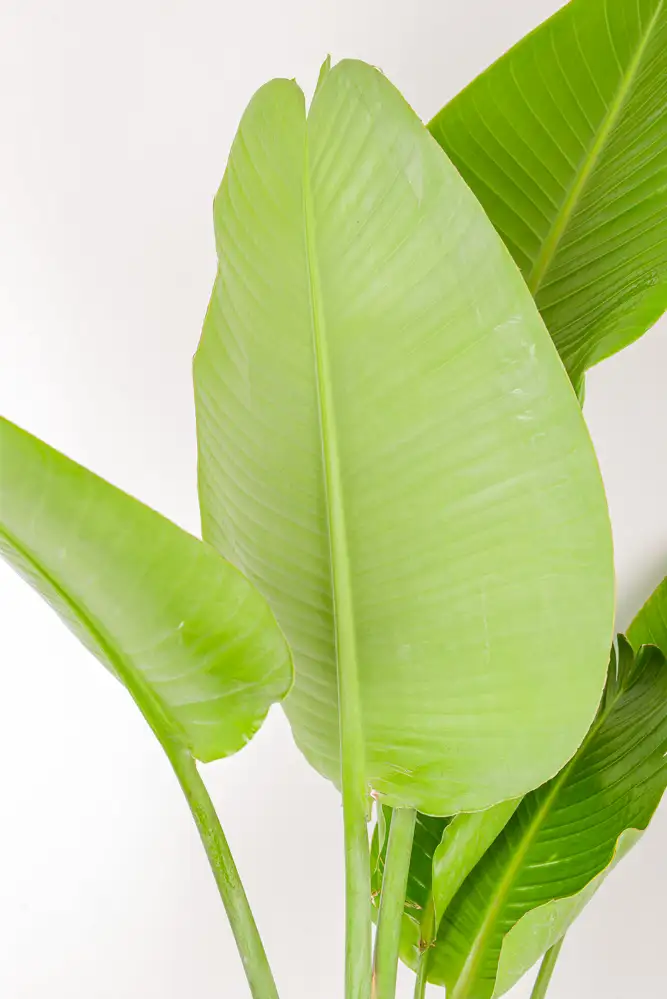
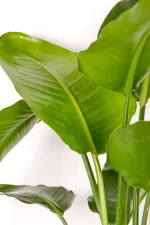
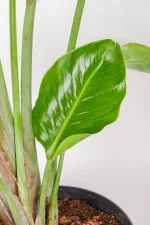
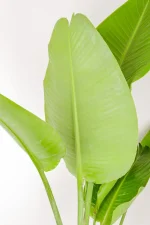
The foliage is broad, heavily structured, and distinctly tropical. Each new leaf emerges tightly rolled before opening into a large paddle-shaped blade that adds depth and movement. As the plant matures, the leaves become larger and more dramatic, giving it the appearance of an indoor tropical tree.
Unlike softer foliage plants, Strelitzia nicolai holds a strong upright form. This allows it to anchor larger interiors naturally without looking loose or sprawling. It works particularly well in open-plan spaces, next to furniture, or in areas where height is needed to balance a room.
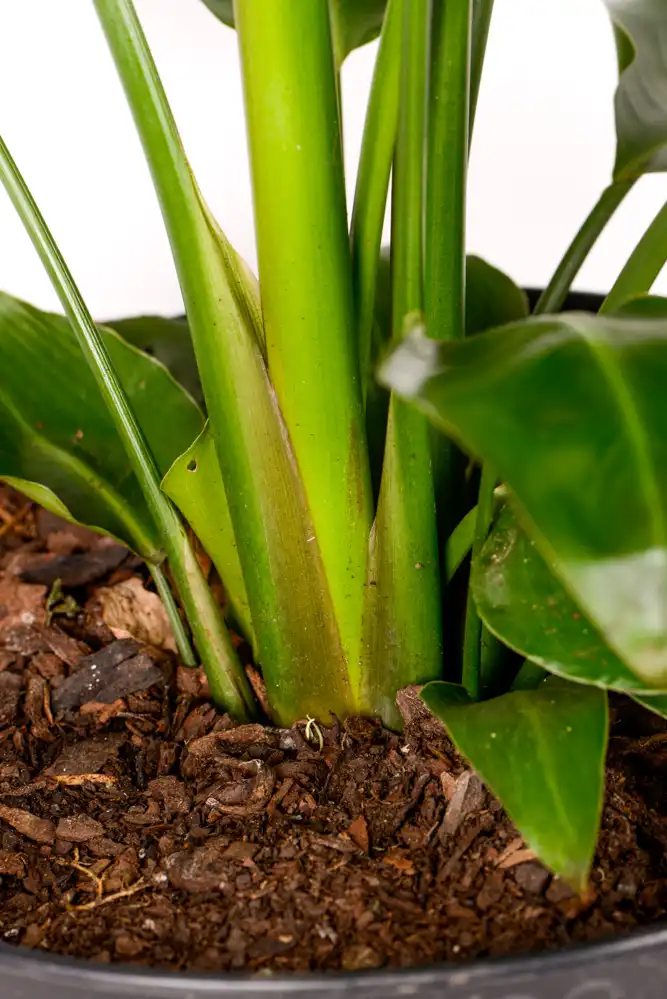
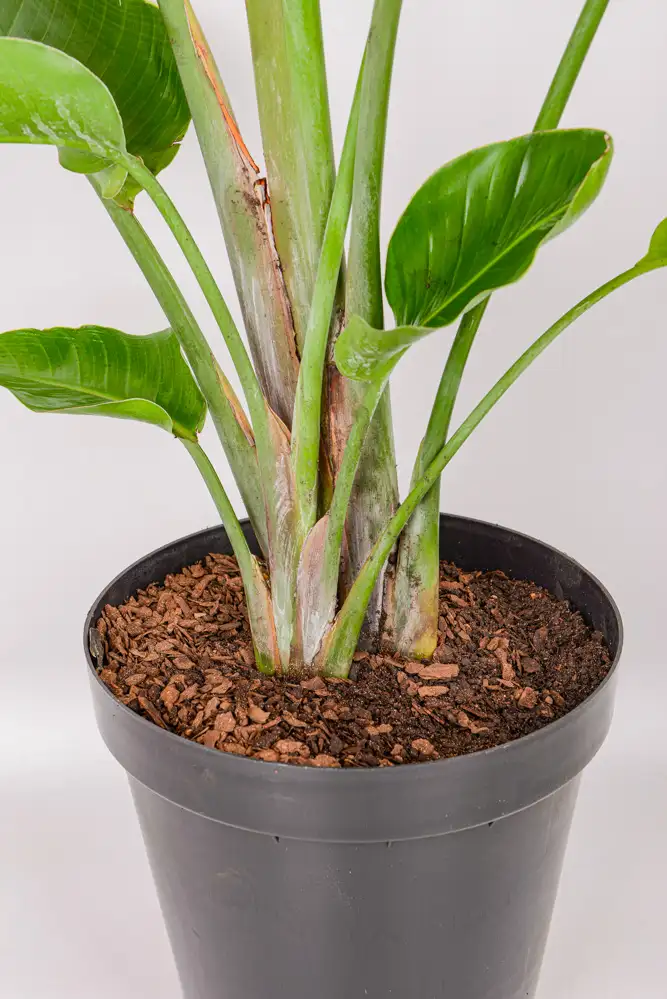
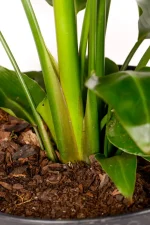
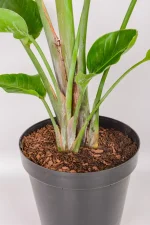
At this size, the plant already feels established. Multiple stems emerge from the base, creating fullness while still maintaining clean vertical growth. With strong light and consistent care, new leaves continue to emerge steadily, increasing both density and scale over time.
The occasional splitting of mature leaves is completely natural and forms part of the plant’s character. This adaptation helps the large foliage handle movement and airflow in nature.
This is not simply another green plant. XL Giant Bird of Paradise is designed to dominate a space.
Giant Bird of Paradise Care Guide
Watering – How often should it be watered?
Water when the top 3–5cm of the growing medium begins to dry out. Keep moisture levels balanced but avoid allowing the roots to remain waterlogged.
Light – What light does XL Giant Bird of Paradise need?
The brightest light is essential. Place it near large windows or in very well-lit spaces. Some direct morning or late afternoon sun is beneficial and supports stronger growth and larger leaves. If time permits, moving it outside in the sun will give it a great boost of energy.
Humidity – Does it need extra humidity?
Average indoor humidity is suitable, although moderate humidity supports better leaf quality and stronger growth.
Soil – What soil works best?
Use a breathable, free-draining growing medium. Milled Bark Growing Medium works particularly well, helping maintain airflow around the roots while retaining balanced moisture. Perlite can be added for additional drainage if desired.
Feeding – How should it be fertilised?
Feed during the growing season with Grobest Organic Fertiliser every 4–6 weeks. For stronger growth and larger foliage, Novatec Soluble Fertiliser can be used regularly.
Repotting – When should it be repotted?
Repot every 18–24 months or when the plant becomes root-bound. Move up one pot size only. Refresh with Milled Bark Growing Medium and incorporate TerraPlus Natura N and Controlled Release Fertiliser during repotting.
Pests – What pests should I watch for?
Watch for spider mites and scale insects, especially on the undersides of leaves. Treat early with an insecticidal spray if needed.
Temperature – What temperature suits it best?
Strelitzia nicolai grows well between 18°C and 30°C. Avoid temperatures below 10°C and protect from cold drafts.
FAQ’s
Why do the leaves split?
Leaf splitting is completely natural and helps reduce wind resistance in nature.
Does it stay upright as it grows?
Yes. Strelitzia nicolai maintains strong vertical growth and structure.
Can it grow indoors long term?
Yes. With enough light, it adapts very well to indoor conditions.
Is it pet-safe?
No. Strelitzia species are considered toxic if ingested.
Be sure to visit and follow us Facebook and Instagram