


Commonly known as:Â Spider Plant Bonnie | Curly Spider Plant | Ribbon Plant
Botanical name:Chlorophytum comosum ‘Bonnie’
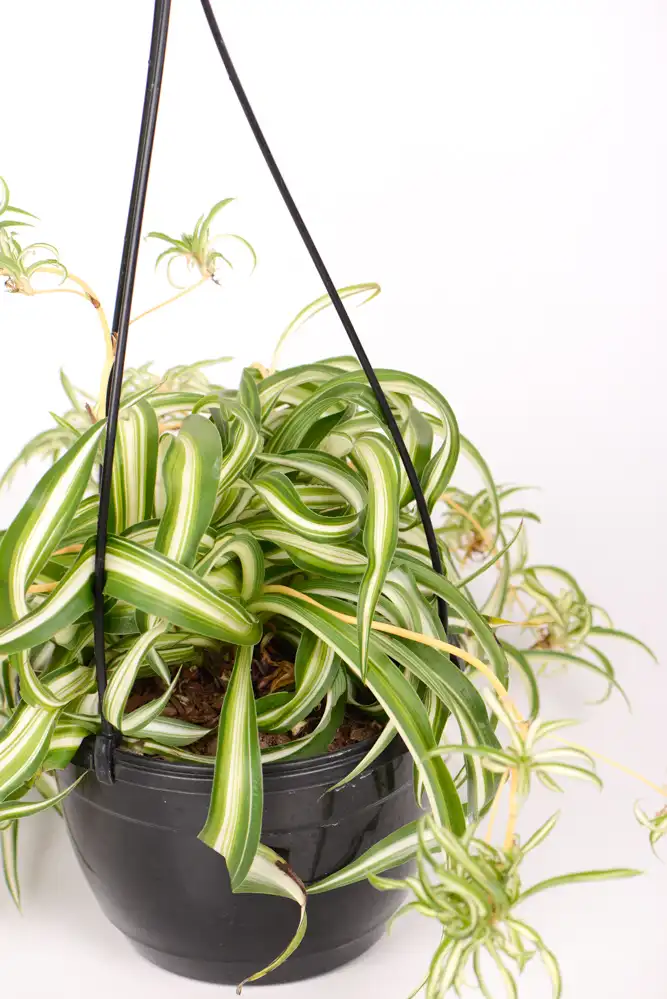
Spider Plant Bonnie takes everything people love about the traditional Spider Plant and adds a playful twist.
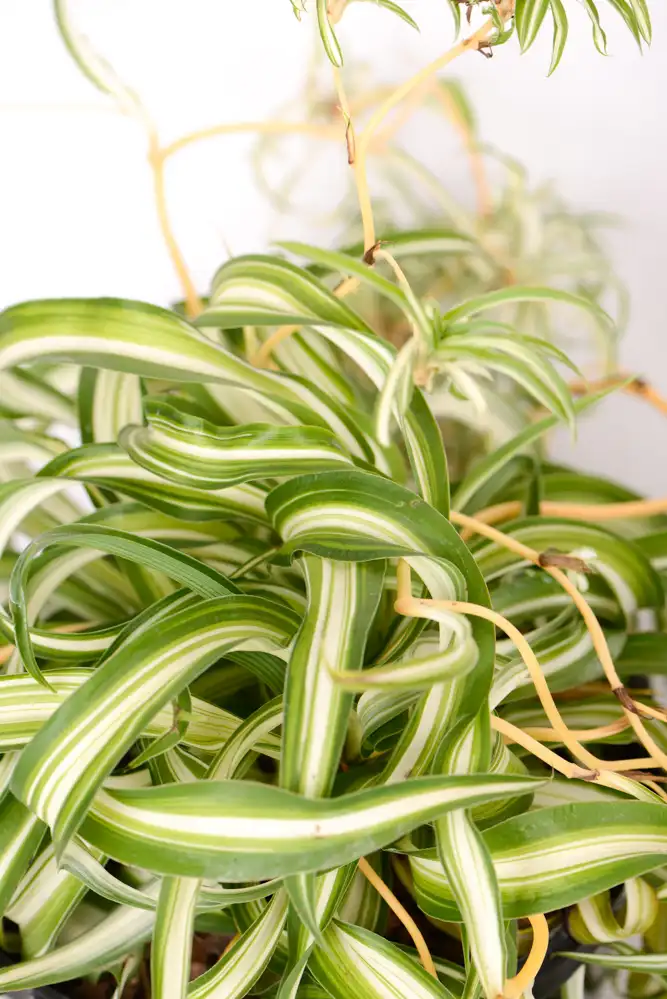
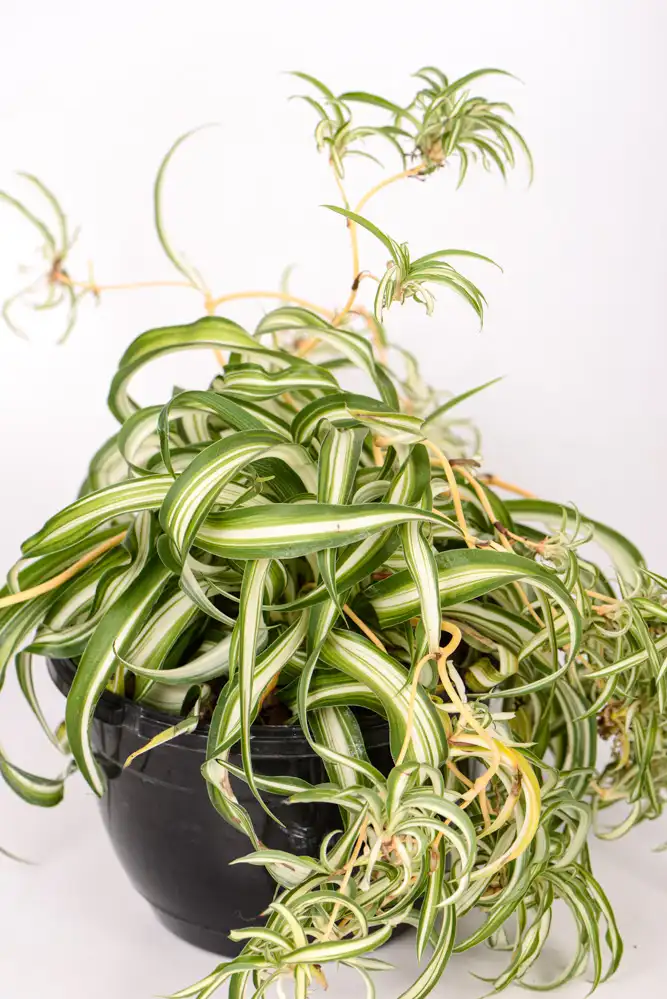
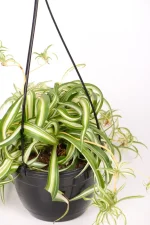
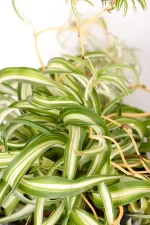
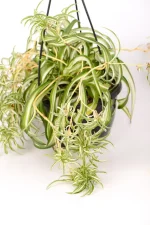
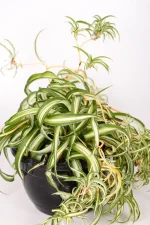
Instead of growing in long, mostly straight ribbons, its green and cream-striped leaves curl and twist as they arch away from the centre of the plant. The result is a fuller, more compact shape with plenty of movement and texture.
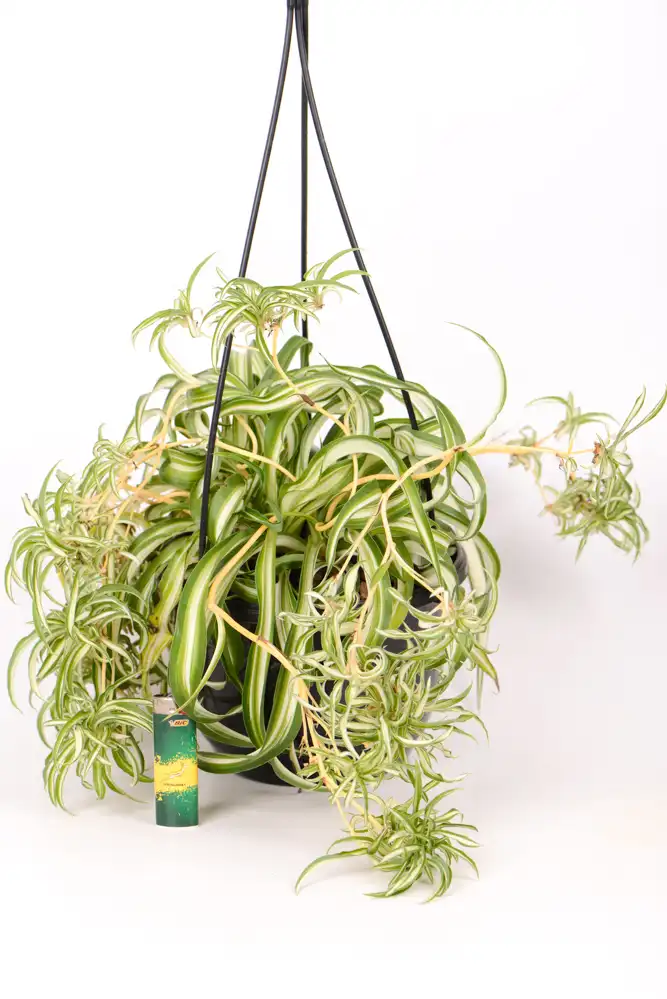
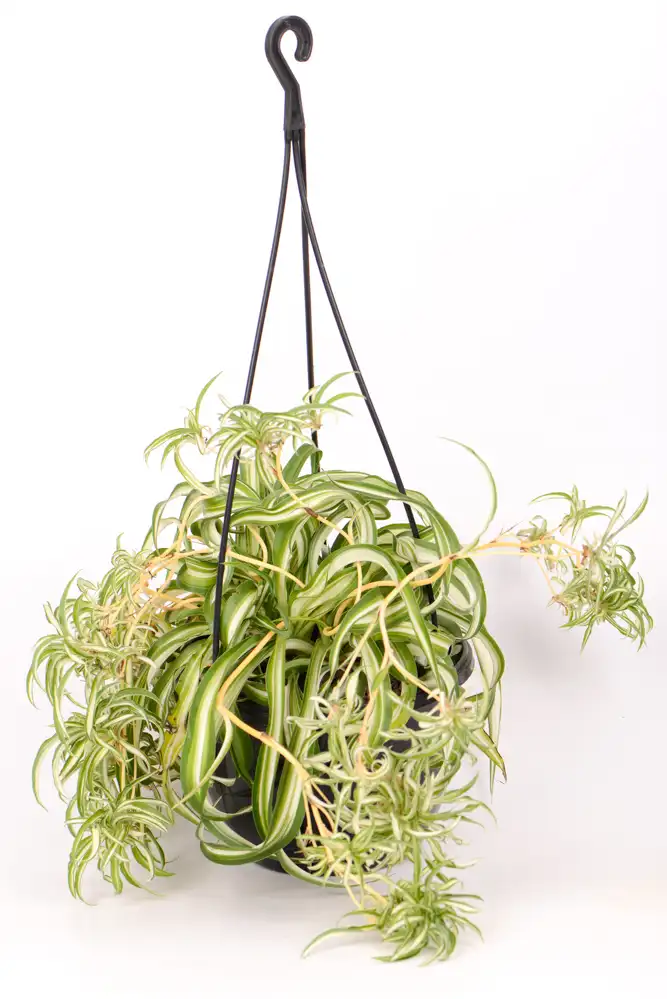
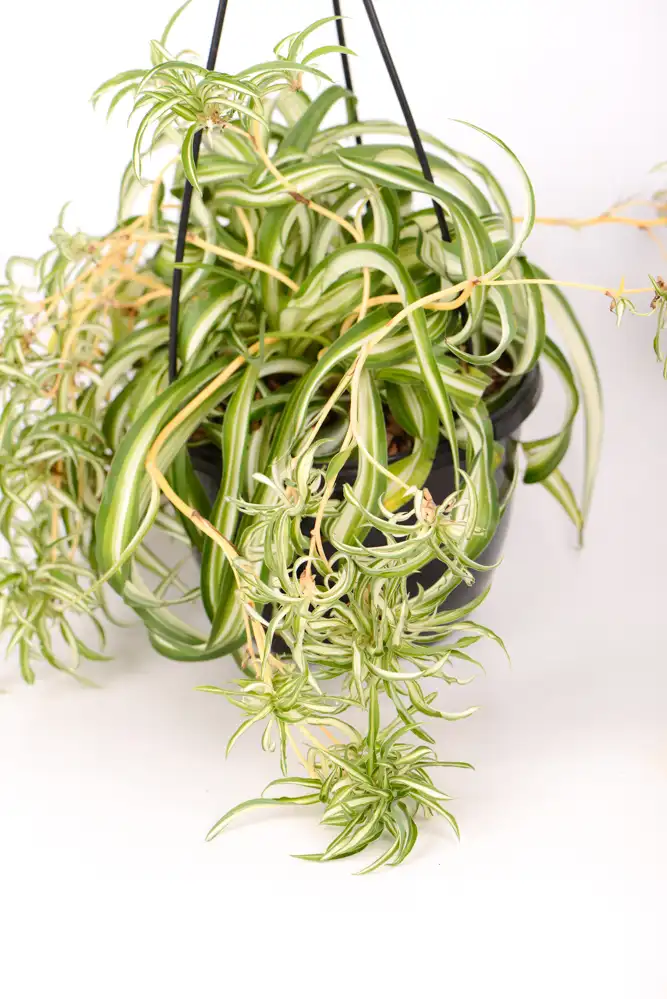
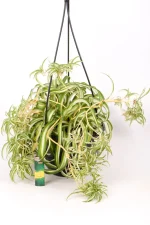
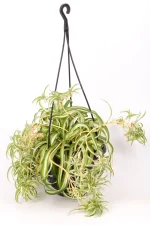
Because Bonnie stays tidier than many standard Spider Plants, it works especially well on desks, shelves and smaller plant stands. It also looks fantastic in a hanging basket, where the curled foliage and developing plantlets can spill naturally over the edge.
As the plant matures, it may produce long stems carrying small white flowers followed by baby Spider Plants, often called spiderettes. These young plants develop their own curly foliage and can be left attached for a fuller cascading display or removed and propagated.
This plant is just as easy-going as the original variety. It adapts well to ordinary household conditions, tolerates the occasional missed watering and does not need high humidity to remain attractive.
Bright, indirect light will keep the cream striping clear and encourage dense, healthy growth. However, it will also adapt to medium light, making it suitable for many different rooms around the home or office.
If you want an easy-care plant with a little more personality than the classic Bonnie is a brilliant choice.
Spider Plant Bonnie Care Guide
Watering – How often should I water it?
Allow the top few centimetres of the growing medium to dry before watering thoroughly. Spider Plants store water in their thick, fleshy roots, so they cope well with a slightly drier period between waterings. Reduce watering during winter when growth slows.
Light – Where should I place my Spider Plant Bonnie?
They grow best in bright, indirect light. Good natural light helps maintain its cream striping and encourages compact, curly growth. It will also tolerate medium light, although the growth may become slower and less dense. Avoid strong afternoon sun, which can mark the leaves.
Humidity – Does it need high humidity?
Normal household humidity is perfectly suitable. Spider Plant Bonnie does not need the high humidity required by many tropical plants, although good airflow will help keep the foliage fresh and healthy.
Soil – What growing medium should I use?
Use a loose, well-draining growing medium that allows air to move around the roots. I recommend Milled Bark Growing Medium because it drains freely while still holding enough moisture for steady growth. Perlite can be added if you would like an even lighter mix.
Feeding – How should I fertilise it?
Feed every 4–6 weeks during spring and summer with Grobest Organic Fertiliser. For faster growth and increased production of plantlets, Novatec Soluble Fertiliser is another excellent option during the growing season.
Repotting – When should I repot?
Repot every 1–2 years or once the thick roots have filled the container. Spider Plants often grow well while slightly snug in their pots, so there is no need to move them into a much larger container. Refresh the plant with Milled Bark Growing Medium and add TerraPlus Natura N or Controlled Release Fertiliser for continued feeding.
Pests – What should I look out for?
Spider Plant Bonnie is generally resilient, although mealybugs, aphids and spider mites may occasionally appear. Check around the centre of the plant and beneath the leaves, particularly if growth begins looking less vigorous.
Temperature – What is the ideal temperature?
Spider Plant Bonnie grows best between 15°C and 28°C. It tolerates cooler indoor conditions better than many tropical plants but should still be protected from frost and very cold drafts.
FAQ’s
Q: What makes Spider Plant Bonnie different from a normal Spider Plant?
Bonnie has distinctive curled and twisted leaves rather than the longer, straighter foliage of a traditional Spider Plant. It also tends to maintain a more compact, rounded shape.
Q: Is Spider Plant Bonnie easy to care for?
Yes. It is an excellent beginner plant and adapts well to normal indoor conditions. Bright light and sensible watering will keep it full and healthy.
Q: Will it produce baby Spider Plants?
Yes. Mature plants may produce long stems with small white flowers followed by curly baby plants. These can remain attached or be propagated once they develop roots.
Q: Can I grow Spider Plant Bonnie in a hanging basket?
Absolutely. Its curled leaves and trailing plantlets make it especially attractive in hanging baskets or elevated pots.
Q: Why are the tips of the leaves turning brown?
Brown tips often develop after inconsistent watering or from mineral and salt build-up in the growing medium. Water thoroughly, allow excess water to drain and flush the pot occasionally with fresh water.
Q: Is Spider Plant Bonnie pet safe?
Yes. Spider Plants are generally regarded as non-toxic to cats and dogs, making Bonnie a good option for pet-friendly homes.
Be sure to visit and follow us Facebook and Instagram