






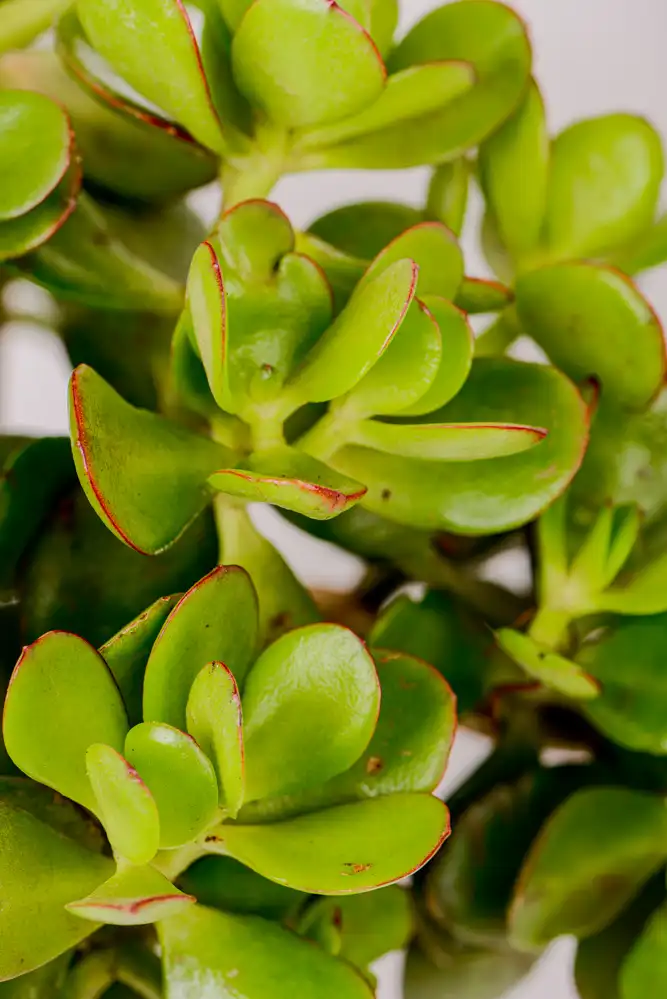
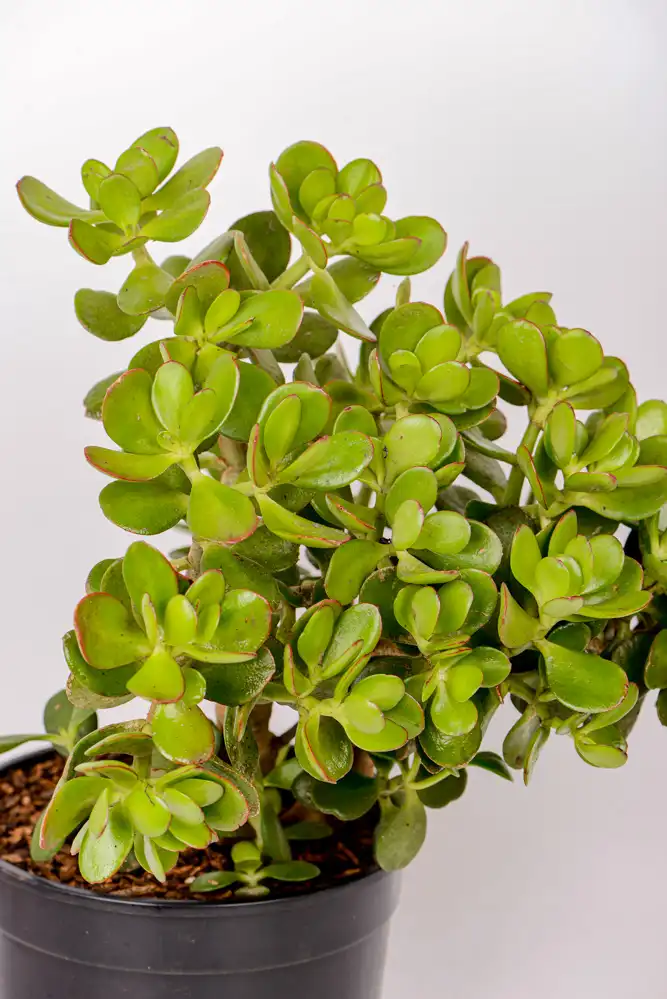
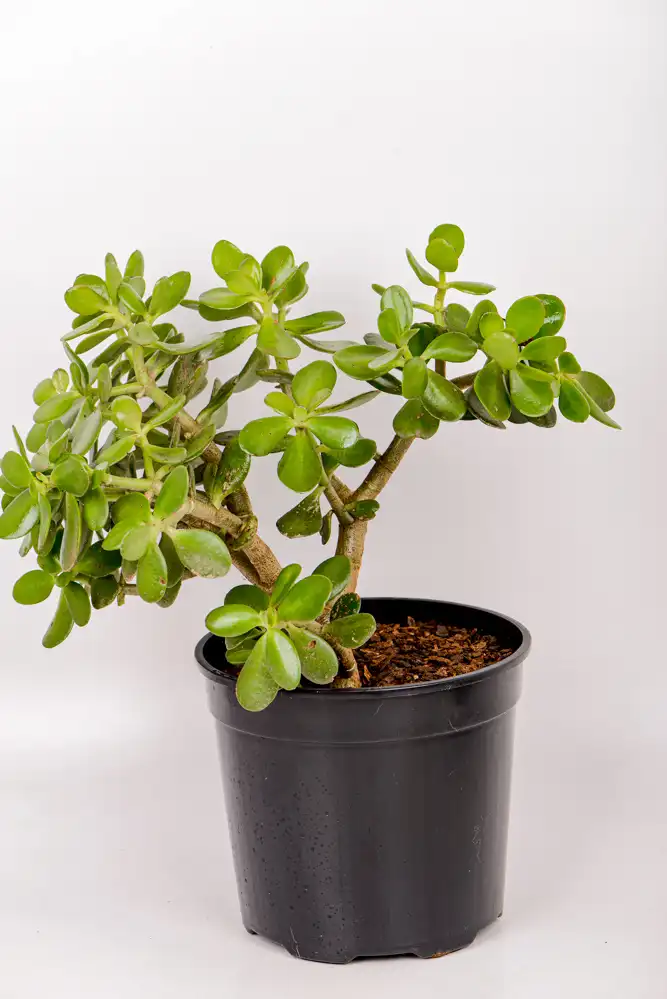
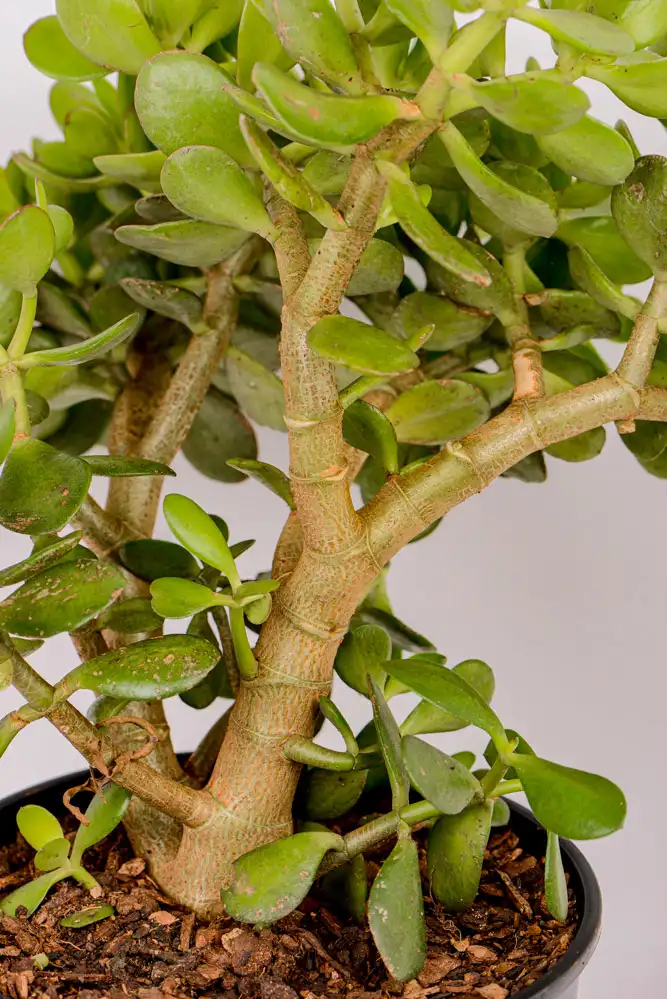

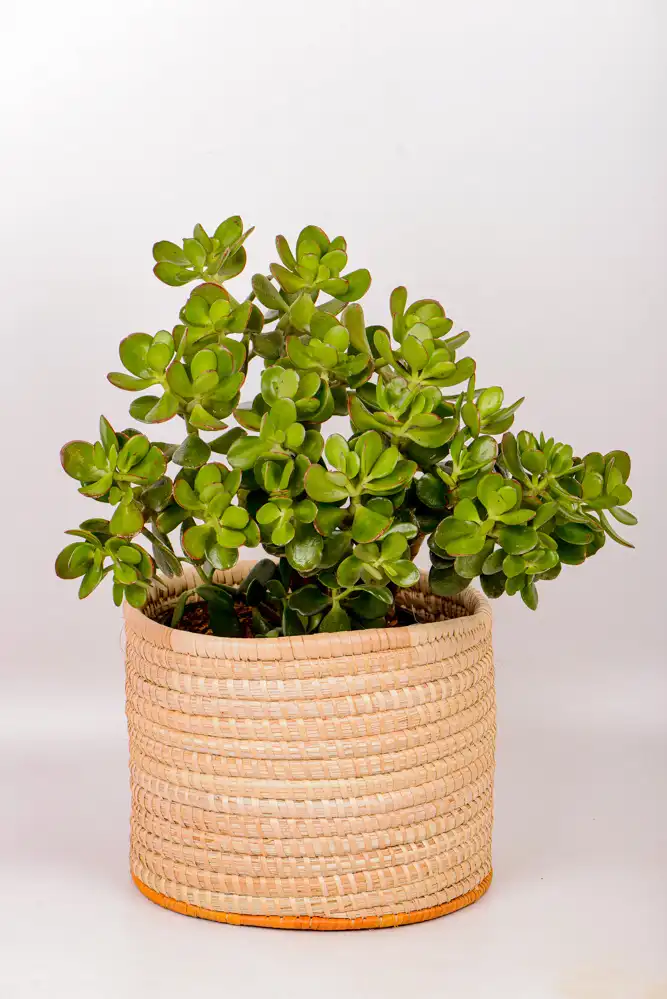
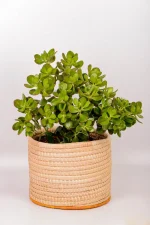
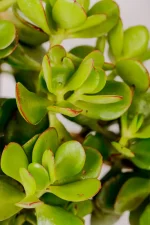
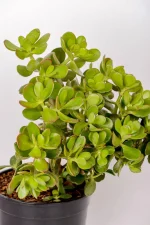
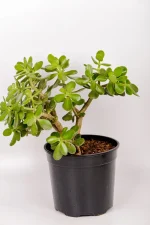
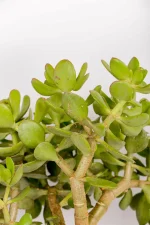
Commonly known as: Large Jade Money Plant | Money Tree Plant | Jade Plant
Botanical name: Crassula ovata
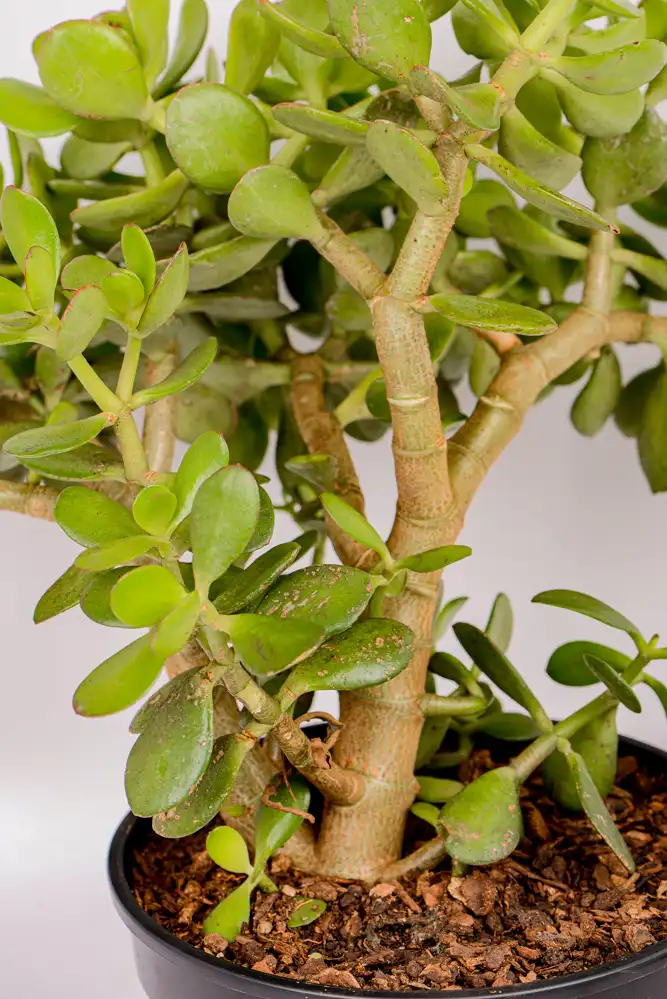
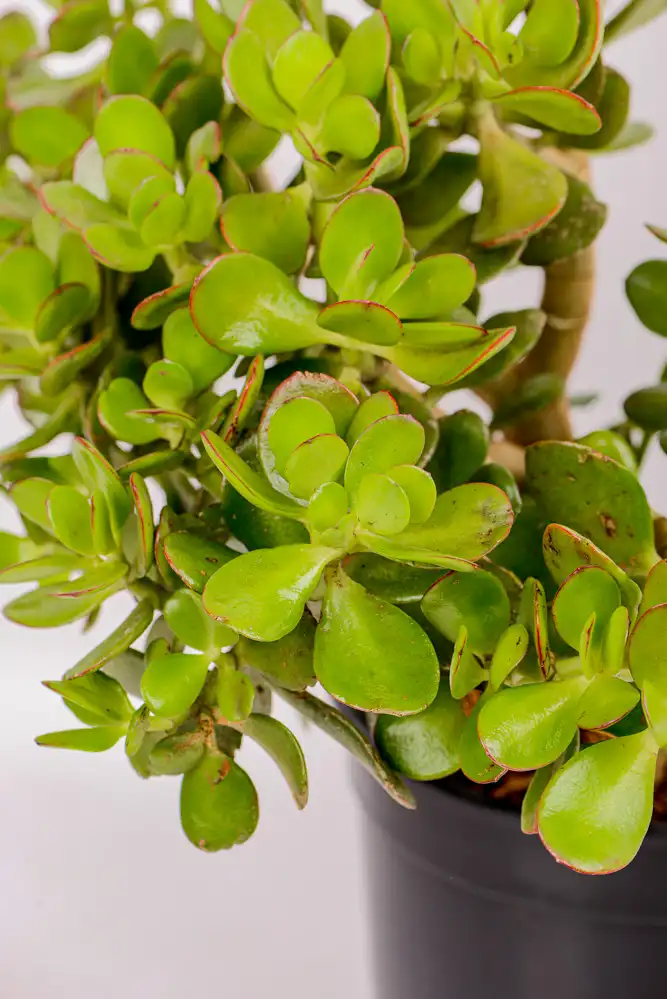
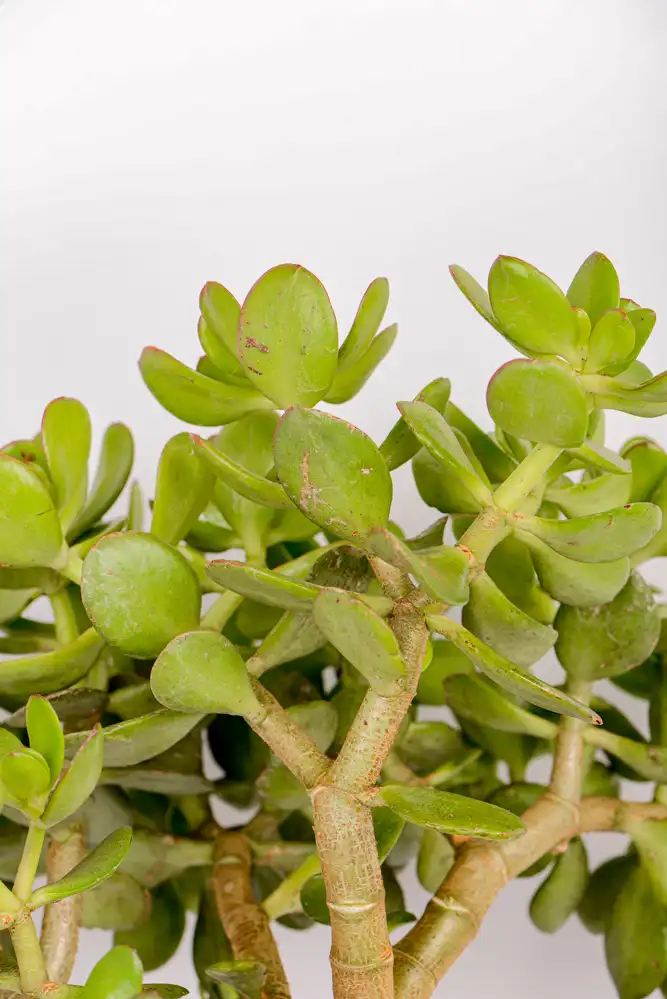
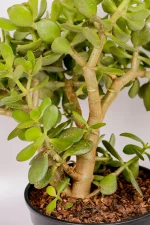
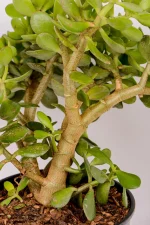
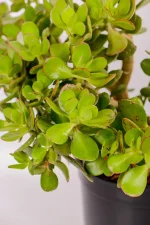
The Jade Money Plant has earned its place as one of the world’s most loved indoor plants, and it’s easy to see why. Its thick woody stems, glossy succulent leaves and tree-like appearance give it character that only improves with age.
These larger specimens already have the look of a mature miniature tree. Multiple thick stems emerge from the base, supporting a dense canopy of fleshy green leaves that stays neat and compact. Unlike younger Jade Plants that can look sparse, these have already developed into full, established plants that make an immediate statement.
Many people also know the Jade Plant as the “Money Plant” because it has long been associated with prosperity, success and good fortune. Whether you believe the legend or not, there’s no denying that it makes a beautiful addition to any home or office.
One of the best things about Crassula ovata is how rewarding it is to grow. With plenty of bright light and the occasional feed, the trunk slowly thickens, the branches become stronger, and the plant develops into an impressive indoor tree. Some specimens are known to live for decades, becoming treasured plants that are passed down through generations.
If you’re looking for an indoor plant that’s attractive, forgiving and built to last, it’s hard to find a better choice than a mature Jade Money Plant.
Large Jade Money Plant Care Guide
Watering – How often should I water my Jade Plant?
Allow the growing medium to dry out completely before watering thoroughly.
Because the leaves store water, Jade Plants are much happier being slightly too dry than too wet. During winter, reduce watering even further as growth naturally slows.
Light – Where should I place my Jade Money Plant?
Jade Plants love bright light. Position yours as close as possible to a sunny window where it receives several hours of natural light each day.
A little morning or late afternoon sun is ideal and helps keep the plant compact with strong branching.
Humidity – Does it need high humidity?
No. Jade Plants thrive in average household humidity and are perfectly suited to dry indoor conditions.
Soil – What soil works best?
Use a fast-draining growing medium with excellent airflow around the roots.
Milled Bark Growing Medium provides excellent drainage while still retaining enough moisture for healthy growth. Additional Perlite can be incorporated if even faster drainage is preferred.
Feeding – How should I fertilise my Jade Plant?
Feed once every 4–6 weeks during spring and summer using Grobest Organic Fertiliser.
If you want to encourage stronger branching and faster growth, Novatec Soluble Fertiliser works exceptionally well during the active growing season.
Repotting – When should I repot?
Repot every two to three years or once the roots begin filling the pot.
Refresh the growing medium using Milled Bark Growing Medium, then add TerraPlus Natura N together with Controlled Release Fertiliser to give the plant the best possible start.
Pests – What pests should I watch for?
Occasionally inspect for mealybugs around stem joints and beneath leaves. Healthy plants are generally very pest resistant.
Temperature – What temperature suits it best?
Jade Plants grow best between 18°C and 30°C.
Avoid temperatures below 10°C and protect from frost.
FAQ’s
Why is it called a Money Plant?
Across many cultures, Jade Plants are believed to symbolise prosperity, success, wealth, and good fortune, making them popular gifts for new homes and businesses.
How long do Jade Plants live?
With good care, they can live for many decades, gradually developing thick trunks and impressive tree-like forms.
Can it be pruned?
Yes. Jade Plants respond extremely well to pruning and naturally develop thicker branching over time.
Does it flower?
Mature plants can produce clusters of small white or pale pink flowers, although flowering is uncommon indoors.
Is it pet-safe?
No. Crassula ovata is considered toxic if ingested by cats and dogs.
Be sure to visit and follow us Facebook and Instagram