





XL Platycerium Bifurcatum

(1 Reviews)

R590.00

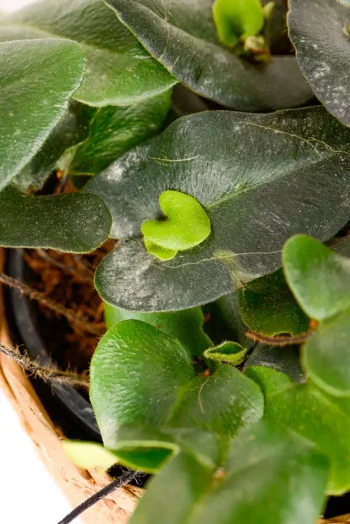
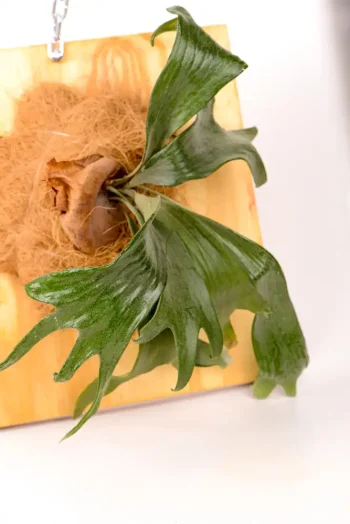
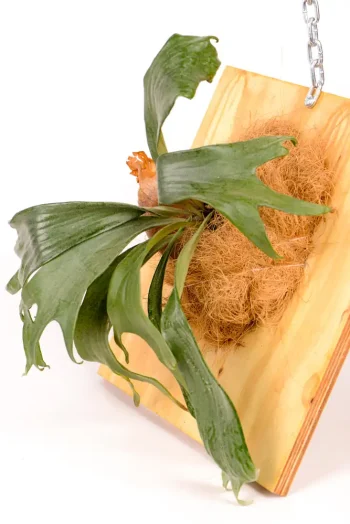
Our XL Platycerium bifurcatum is a living masterpiece. Each fern is mounted on a 40 × 40 cm treated wooden board and ready to hang. With layered shield fronds and gracefully branching fertile fronds, it brings a rainforest aesthetic to any shaded patio or bright indoor wall.

In stock
Add to Cart
Side angle showing layered shield and branching fertile fronds of mounted staghorn.
XL Platycerium Bifurcatum
R590.00
Less than 3 items left!
Side angle showing layered shield and branching fertile fronds of mounted staghorn.
XL Platycerium Bifurcatum
R590.00
Questions? Send it to us!
Name

Botanical name: XL Platycerium bifurcatum

Commonly known as: Staghorn Fern

XL Platycerium bifurcatum is one of the most iconic mounted fern species available. The large forked fertile fronds extend outward like antlers while the rounded shield fronds gradually wrap around the mounting surface, eventually forming a dramatic layered display over time.

Mounted staghorns have a very different growth habit to conventional potted plants. In nature they grow attached to trees where their roots receive constant airflow and rapid drying between rainfall. Understanding this is the key to keeping them healthy long term.

These XL specimens already have substantial size and presence. The fertile fronds arch outward with strong texture and movement, while the shield fronds continue expanding across the mounting board as the plant matures. Over time, the entire board becomes engulfed by layered shield growth, creating a living sculptural piece.

Unlike many indoor ferns, Platycerium bifurcatum prefers excellent airflow and periods of dryness between watering. Constant moisture around the root zone is one of the fastest ways to lose the plant. They thrive when watered deeply and then allowed to dry properly before the next soaking.

These plants generally perform far better outdoors or in very bright, airy spaces indoors. Covered patios, shaded verandas, and bright walls with strong ventilation are ideal. Indoors, stagnant air combined with excessive moisture often leads to rot.

During colder months, watering becomes even more critical. Cold wet moss and low night temperatures can quickly cause blackening fronds and crown rot. In winter, it is often better to underwater slightly than to keep the plant constantly damp.

Once established, however, Staghorn Ferns become exceptionally rewarding long-term specimens. Mature plants develop immense shield fronds, increasingly dramatic fertile fronds, and eventually produce pups that create massive clustered displays over time.

XL Platycerium Bifurcatum Care Guide

Water logo

Watering – How often should I water a mounted Platycerium bifurcatum?

Water thoroughly in warmer months once the moss pad and root zone have dried properly. This is usually around once a week in active growing conditions.

During winter, reduce watering significantly. Cold wet moss is one of the main causes of rot in mounted Platyceriums. In cooler months, watering every 2–3 weeks is often sufficient depending on conditions.

A good method is to remove the board and soak the moss thoroughly, then allow all excess water to drain completely before rehanging.

Always allow the mount to dry between waterings.

Light logo

Light – Where should I hang my Staghorn Fern?

Bright, indirect light is ideal. Early morning sun or filtered light under a patio roof keeps the fronds healthy and strongly coloured. Avoid harsh midday sun, which can scorch and dehydrate the fertile fronds.

Outdoors under cover is usually ideal. Indoors, place it near very bright windows with strong airflow.

Humidity logo

Humidity – Does it need humidity?

Yes, but humidity must be combined with airflow.

Platyceriums enjoy humid conditions and appreciate occasional misting during hot weather, especially outdoors. However, stagnant humid air without drying can quickly cause fungal issues and rot.

These plants generally perform much better in naturally ventilated areas.

Soil Logo

Mounting & Growing Medium – What is the plant mounted on?

Each staghorn is secured onto a treated wooden board using a bed of coir. Over time, the shield fronds will gradually cover the mount and create a self-supporting structure.

The treated board improves longevity and helps resist decay over time.

Fertilizing logo

Feeding – How should I fertilise a mounted Staghorn Fern?

Feed monthly during spring and summer with Grobest Organic Fertiliser or a gentle liquid feed.

For stronger growth and larger fronds, Novatec Soluble Fertiliser can also be used lightly during active growth.

A small amount of Controlled Release Fertiliser can be tucked carefully into the coir pad for gradual feeding.

Reduce feeding heavily during winter.

Repotting logi

Repotting – Does it need remounting?

Not often.

These XL mounted specimens can remain on their boards for many years. Once the fern eventually outgrows the mount, the entire plant can simply be secured onto a larger board.

Avoid disturbing the root ball unnecessarily.

Pest image

Pests – What pests should I watch for?

Scale insects and mealybugs can occasionally appear, particularly beneath fronds and around shield growth. Treat early with an insecticidal spray if required.

Good airflow helps prevent many common issues.

Temerature image

Temperature – What temperature suits it best?

Platycerium bifurcatum grows best between 18°C and 28°C.

Protect from frost, prolonged cold, and icy winter winds. Cold wet conditions are especially dangerous and can quickly lead to rot.

FAQ’s

Why do Staghorn Ferns rot so easily?
Most losses occur because the plant stays wet for too long without enough airflow or warmth.


Should the coir always stay moist?
No. The mount should dry properly between waterings.


Can they grow indoors?
Yes, but only in very bright areas with good airflow. They generally perform better outdoors under cover.


Can I remove the brown shield fronds?
No. The shield fronds protect the root zone and help anchor the plant to the mount.


How large do they eventually become?
Mature Platycerium bifurcatum can become enormous over time, producing large layered colonies with massive shield and fertile fronds.

Be sure to visit and follow us Facebook and Instagram

Customer Reviews

Vicki Bannister
Rating: 5/5
Platycerium Bifurcatum
Tue Dec 12 2023 19:32:02 GMT+0000 (Coordinated Universal Time)