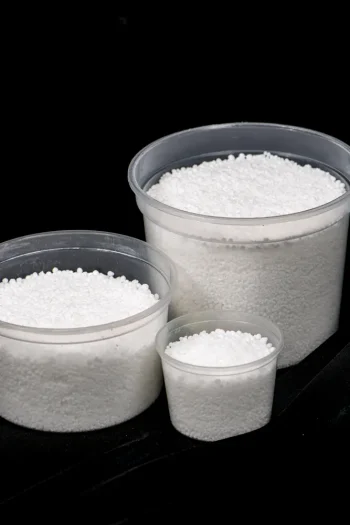



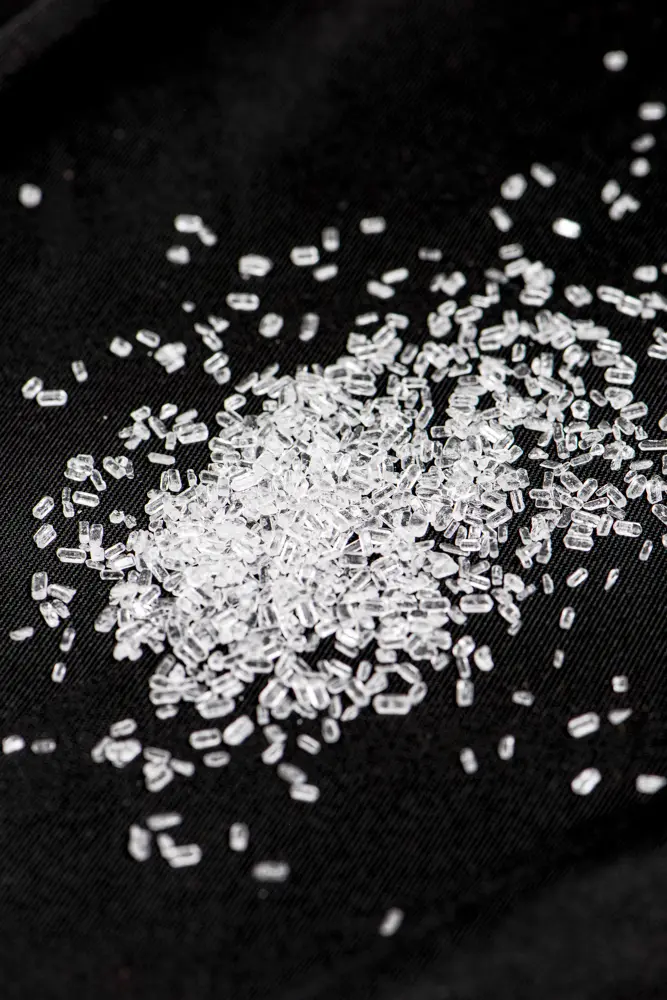
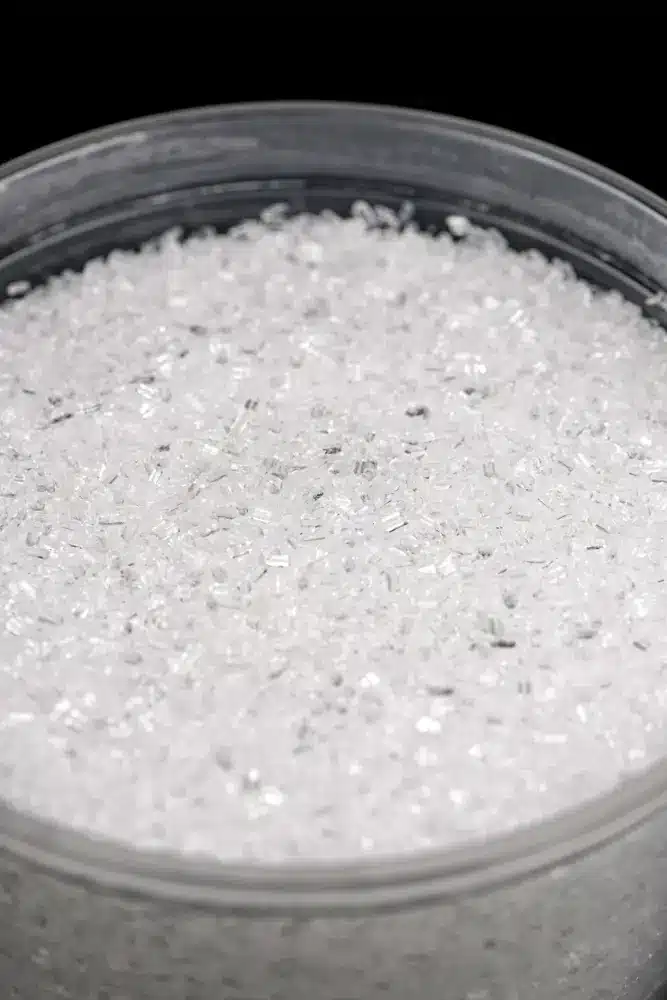
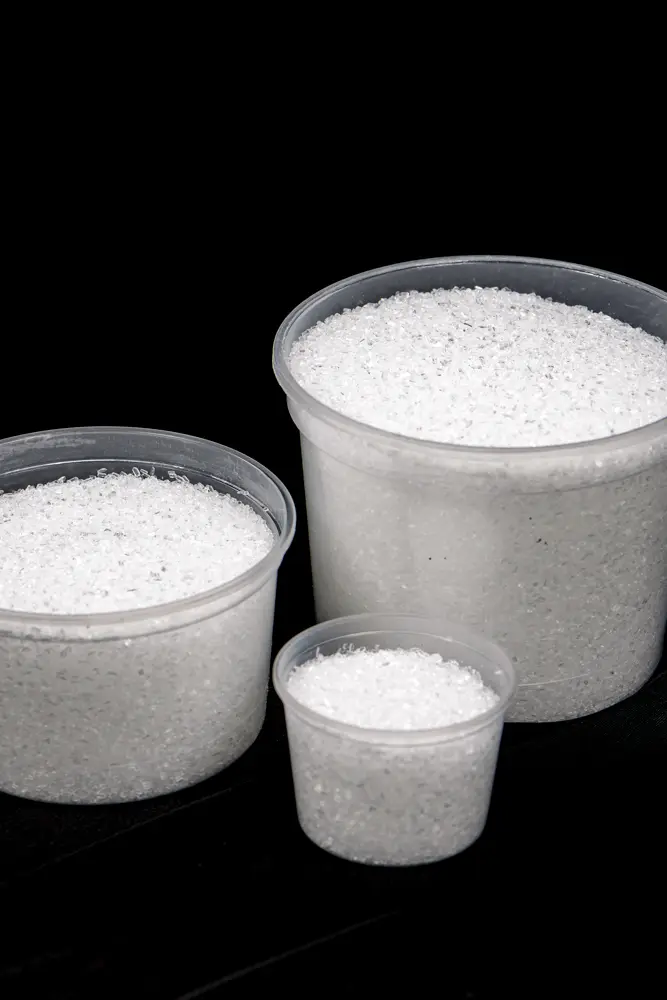
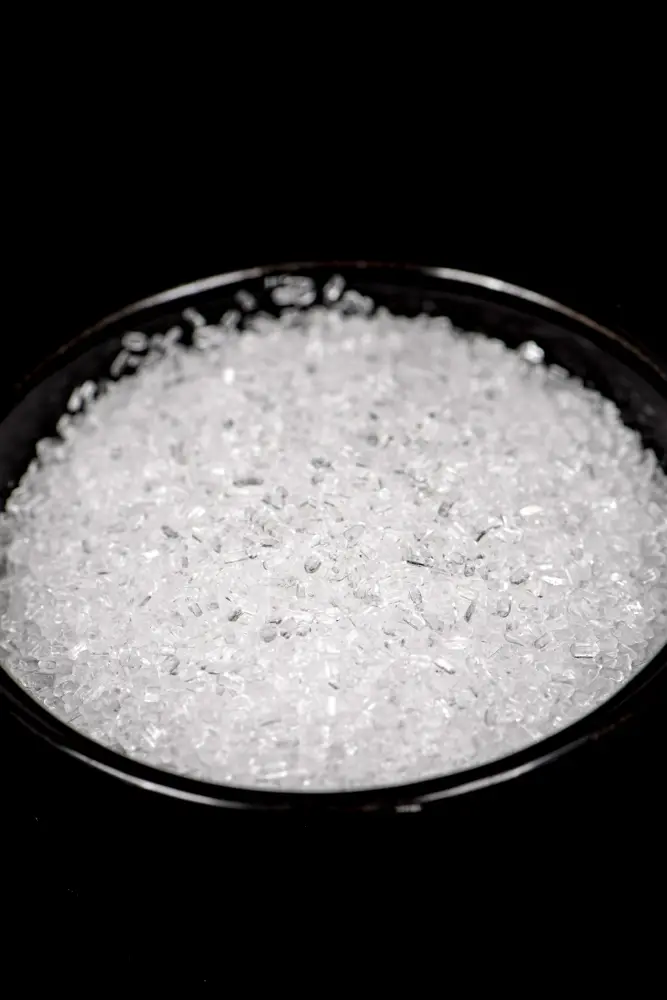
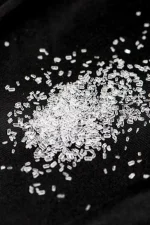
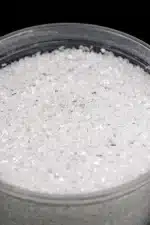
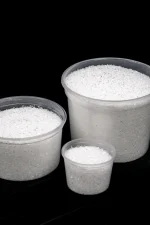
Commonly known as: Magnesium Sulphate / Epsom Salt
Product name:Â Magnesium SulphateÂ
Magnesium Sulphate, commonly known as Epsom Salt, is one of the most useful mineral supplements for plants. Magnesium is a core part of chlorophyll, the pigment responsible for rich green colour and efficient photosynthesis. Sulphur supports enzyme function and enhances nutrient uptake, helping plants grow stronger and more resilient.
Many potting soils gradually lose magnesium, especially with frequent watering or heavy feeders like Monsteras, Philodendrons, Strelitzias, and palms. This supplement restores depleted magnesium quickly and gently, without raising nitrogen or phosphorus levels. It is also safe for most houseplants when used at the correct dose.
Beyond indoor plant care, Magnesium Sulphate has additional uses in the garden and home — making it one of the most versatile products to keep on hand.
Magnesium Sulphate Benefits & Usage
Excellent for heavy feeders
Plants like Monsteras, Alocasias, palms, Strelitzia, and citrus use magnesium quickly. Supplementing keeps growth steady and leaves vibrant.
Boosts flowering in certain species
For flowering shrubs and garden plants, magnesium helps support bud development and stronger blooms.
Improves leaf colour & prevents yellowing
Magnesium is essential for chlorophyll. Deficiency often shows as pale or yellowing leaves with green veins (interveinal chlorosis). A magnesium boost restores colour and vitality.
Enhances nutrient uptake
Sulphur helps plants absorb key nutrients efficiently, especially nitrogen and phosphorus.
How do I use Magnesium Sulphate for indoor plants?
Dissolve 1 teaspoon per litre of water and use as a soil drench every 4–6 weeks during active growing seasons.
For very magnesium-hungry plants (large Monsteras, Bird of Paradise, palms), you may apply every 3–4 weeks.
Can I use it as a foliar spray?
Yes — dissolve ½ teaspoon per litre and spray leaves lightly.
Foliar application offers rapid absorption and is helpful for visible deficiencies.
How much should I use for garden beds or outdoor plants?
Apply 1–2 tablespoons around the base of shrubs, citrus trees, or palms, then water well. Repeat every 6–8 weeks during warm months.
Will Magnesium Sulphate burn plants?
Not at recommended doses. It contains no nitrogen, phosphorus, or potassium — only magnesium and sulphur — making it gentle and safe for regular use.
 Should I use it in winter?
Most plants slow down during winter, so reduce application to once every 8–12 weeks unless a visible deficiency is present.
Other Uses (Garden & Household)
Garden beds
Improves magnesium in depleted soils, especially sandy or heavily watered areas.
Citrus trees
Great for preventing yellow leaves and improving fruiting.
Lawn maintenance
Can help improve colour and density when applied lightly.
Household use (non-plant)
Epsom salt is also well known for bath soaks, easing muscle tension and reducing inflammation. (This does not affect the quality used for plants.)
FAQ’s
Q: How do I know my plant needs magnesium?
Leaves turn pale or yellow between veins while veins stay dark green. Often mistaken for nitrogen deficiency.
Q: Can I mix Magnesium Sulphate with my Organic or Controlled Release Fertiliser?
Yes. It complements these products beautifully because it supplies magnesium without affecting the NPK balance.
Q: Is it safe for indoor plants?
Yes — just follow the dilution guidelines. It’s one of the safest supplements for houseplants.
Q: Will it fix brown leaf tips?
Only if caused by magnesium deficiency. If tips are from underwatering, low humidity, or salt build-up, the treatment differs.
Q: Can I use it in hydroponics?
Yes, but only as part of a balanced nutrient recipe.
Be sure to visit and follow us Facebook and Instagram