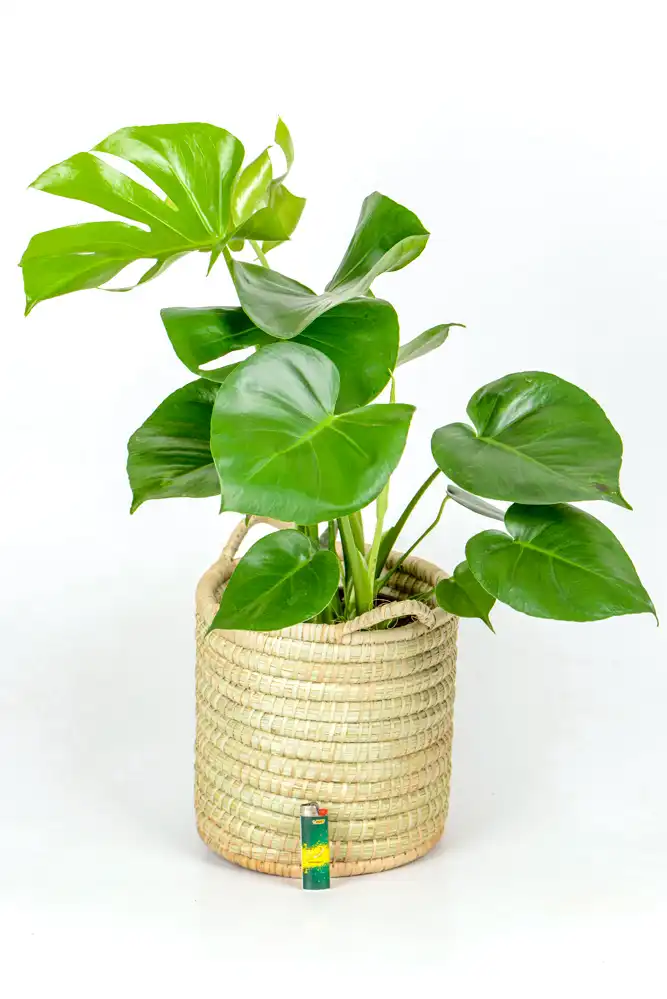
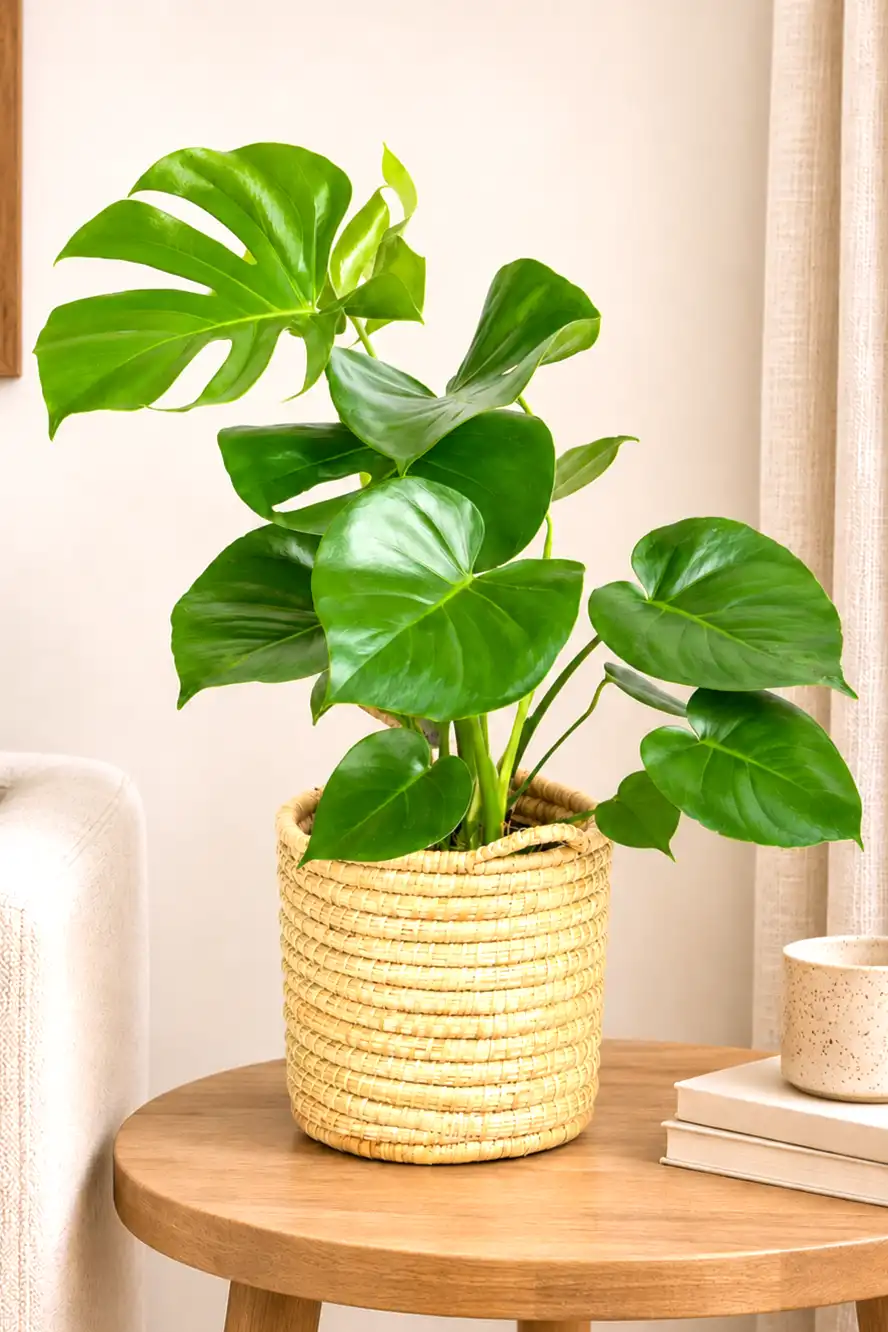
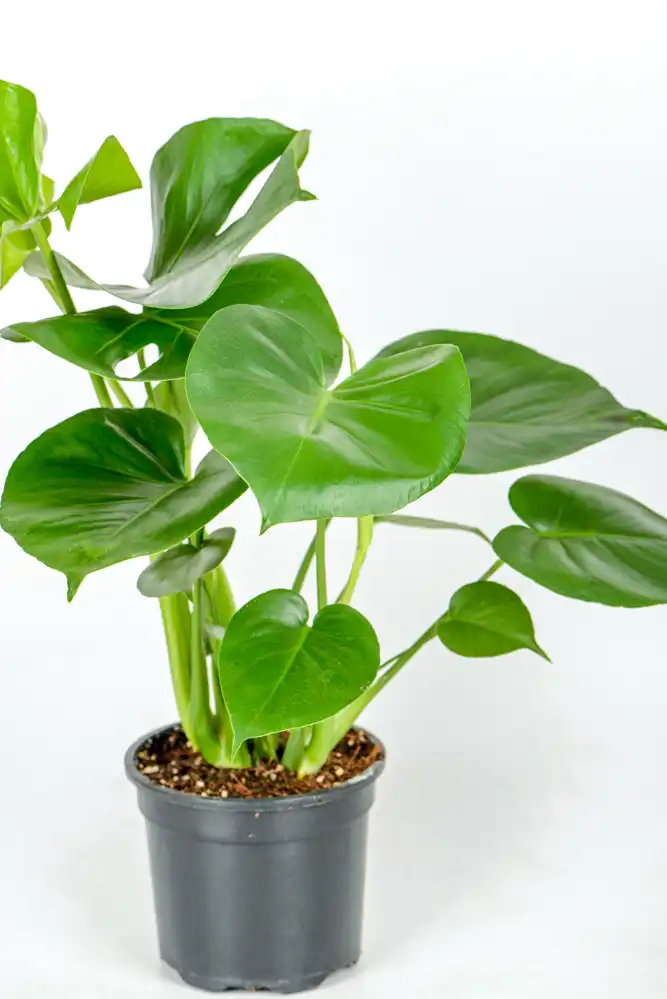
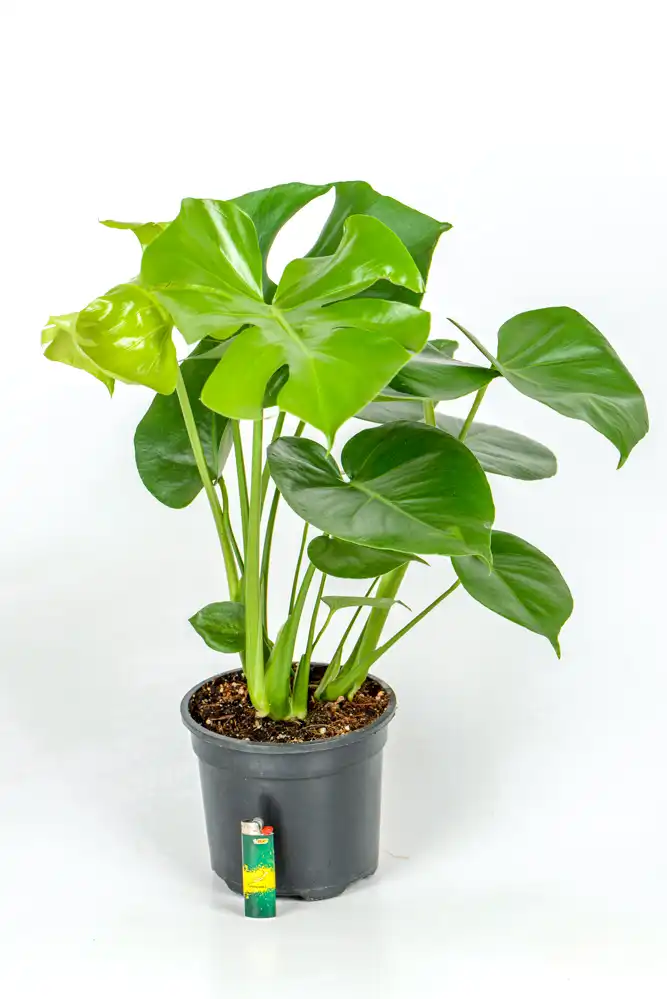
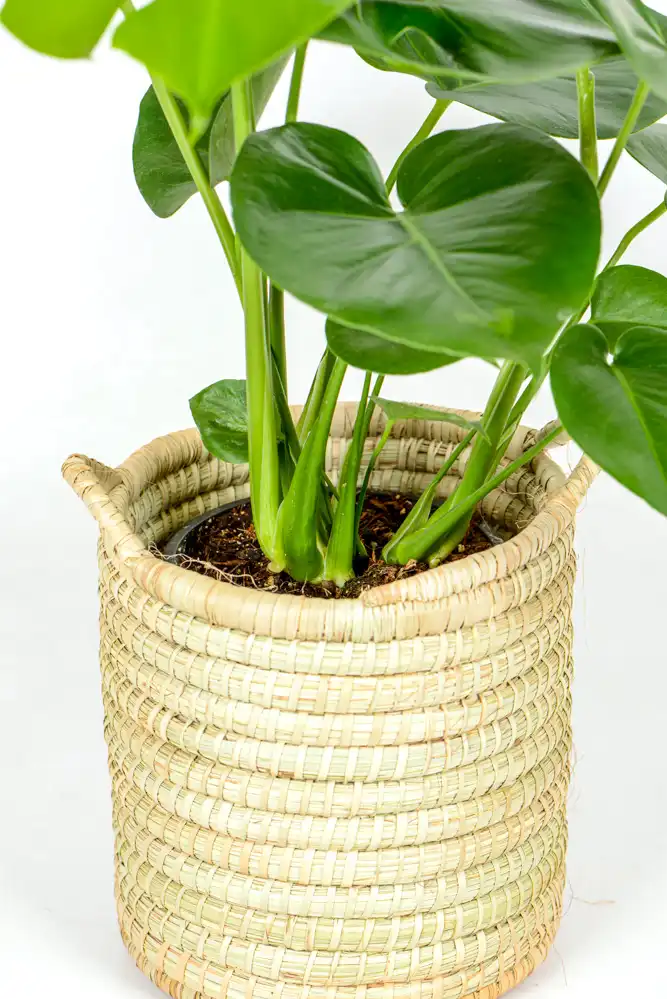
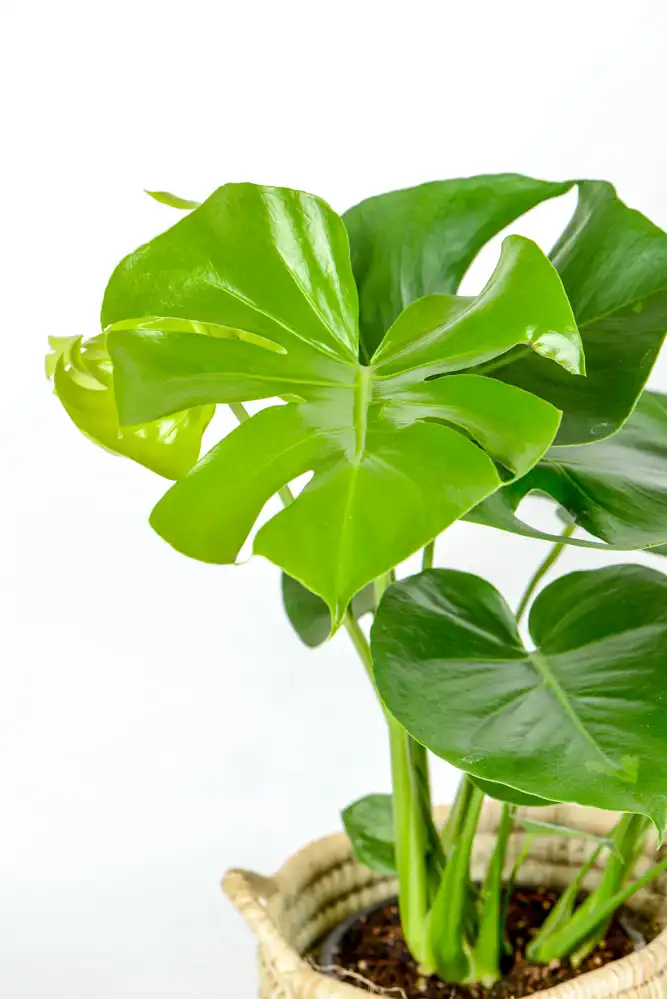
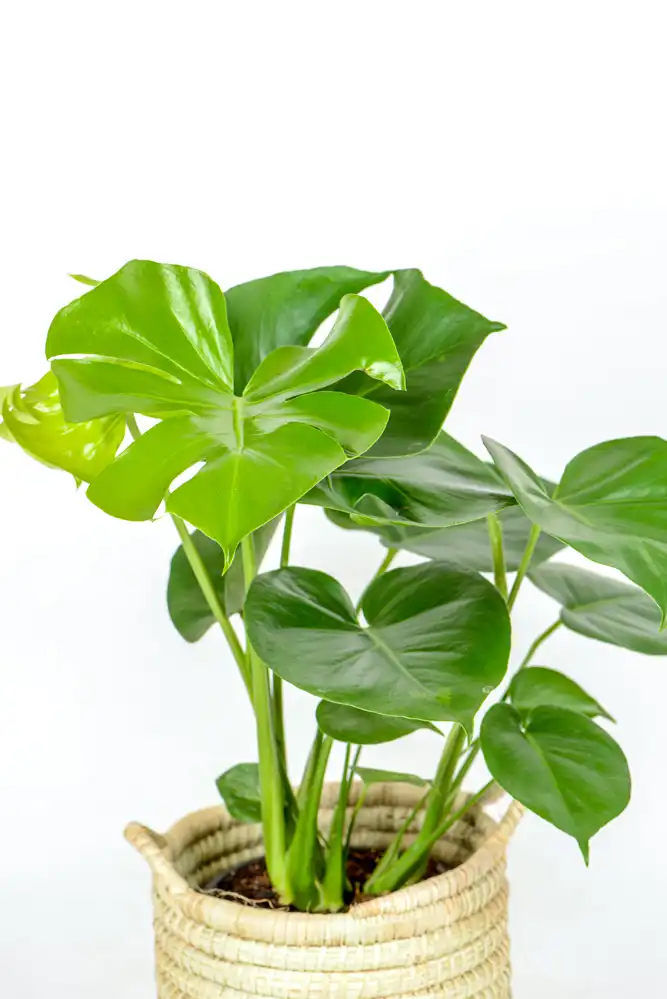
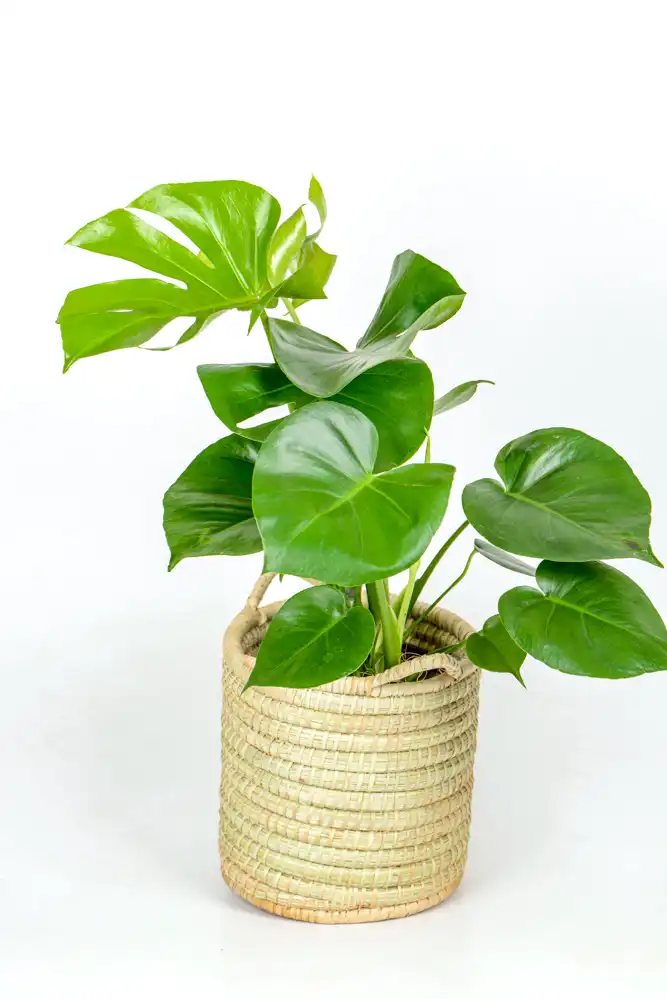
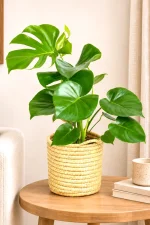
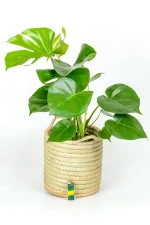
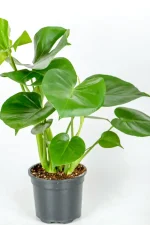
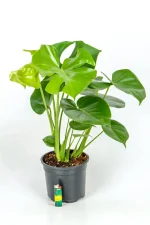
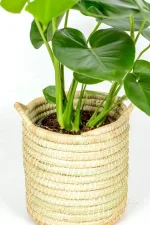
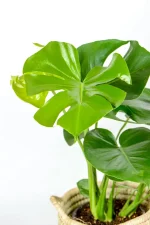
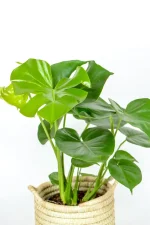
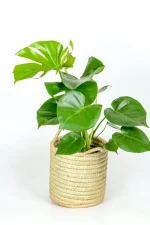
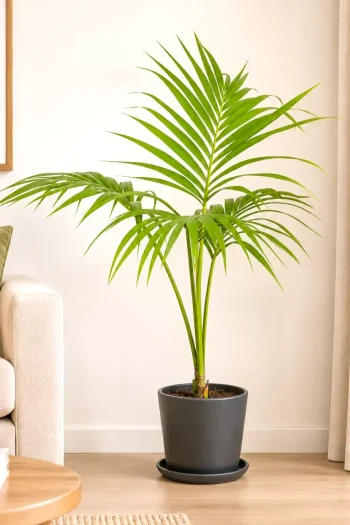
Commonly known as: Monstera, Swiss Cheese Plant, Medium Monstera Deliciosa
Botanical name: Monstera deliciosa
The Medium Monstera Deliciosa is one of those indoor plants that almost everyone recognises, thanks to its beautiful green foliage and distinctive split leaves.
Its large, glossy leaves emerge tightly rolled before gradually opening into their familiar heart-shaped form. As the plant matures, the foliage develops natural splits and openings called fenestrations, giving Monstera deliciosa its characteristic appearance.
At approximately 60cm tall in a 16.5cm pot, these are already established plants with attractive foliage and plenty of room to develop.
One of the most interesting things about Monstera deliciosa is that it’s a natural climbing plant.
In its native tropical forests of Central America, it uses aerial roots to attach itself to trees and gradually climb towards brighter light. As the plant becomes established and develops upwards, it can produce increasingly large, mature leaves.
Indoors, you can encourage this natural growth by providing a moss pole or similar vertical support. The stems will gradually develop aerial roots that can attach to the support, helping the plant grow upwards.
Monstera deliciosa is also relatively straightforward to care for.
Give it plenty of bright, indirect natural light, ideally close to a large window. Gentle morning sunlight is beneficial once the foliage has acclimatised, but avoid suddenly exposing nursery-grown leaves to harsh afternoon sun.
Keep the growing medium consistently hydrated without leaving it permanently wet. Water thoroughly once the upper portion starts to dry, then allow the excess to drain away.
Regular feeding during active growth helps encourage strong stems, healthy foliage and the development of larger leaves.
As your Monstera grows, you’ll also notice thick aerial roots emerging from the stems. These are completely normal and play an important role in supporting the plant as it climbs.
With good light, regular feeding and a suitable climbing support, your Medium Monstera can gradually develop into a substantial, mature plant with beautiful split foliage.
Medium Monstera Deliciosa Care Guide

Watering – How often should I water my Monstera?
Monstera deliciosa appreciates consistent moisture without permanently wet roots.
Water thoroughly when the upper few centimetres of the growing medium begin to dry, making sure the entire root ball receives water before allowing the excess to drain away.
Don’t leave the plant bone dry for extended periods, particularly during warm weather when it’s actively producing new growth.
In a 16.5cm pot, the growing medium can dry relatively quickly, so check it regularly rather than following a fixed watering schedule.
During winter, watering will naturally become less frequent as growth slows.

Light – Where should I place my Monstera?
Give it plenty of bright, indirect natural light.
A position close to a large window is ideal, particularly where the foliage receives good light throughout the day.
Gentle morning sunlight is beneficial, and established plants can tolerate some direct sunlight once properly acclimatised.
Avoid placing your Monstera in a dark corner. Insufficient light can result in stretched growth, smaller leaves and reduced fenestration as the plant develops.

Humidity – Does it need high humidity?
Monsteras appreciate moderate to higher humidity, particularly while actively producing new leaves.
However, established plants generally adapt well to normal household conditions.
Good airflow is important, and an occasional gentle hose-down is an excellent way to remove dust from the large leaves.
There’s no need to constantly mist the foliage. Good light, consistent watering and healthy roots are far more important.

Soil – What growing medium suits Monstera deliciosa?
Monstera deliciosa is a climbing aroid, so it needs a loose, well-aerated growing medium that allows oxygen to reach the roots.
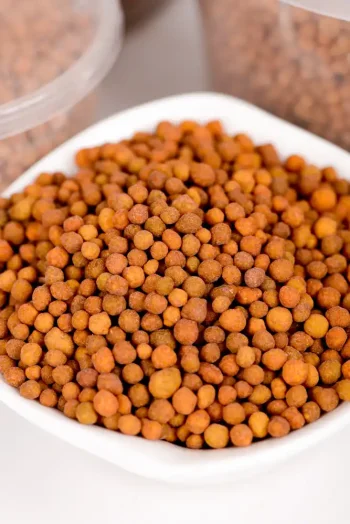
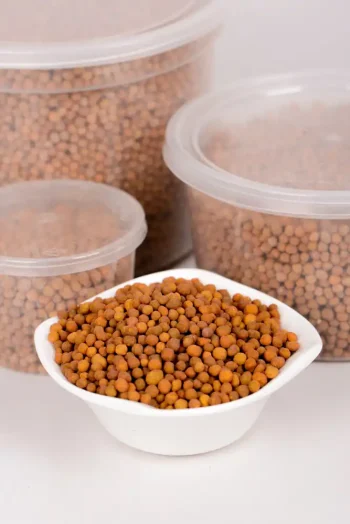
Our Aroid Mix is ideal. It provides a good balance between moisture retention, drainage and airflow around the root system.
You can also add some Perlite if additional drainage is needed.
Avoid dense growing media that become compacted and remain waterlogged.

Feeding – Should I fertilise my Monstera?
Definitely. Monsteras are vigorous growers when conditions are good and respond very well to regular feeding.
Controlled Release Fertiliser provides consistent, balanced nutrition over time.
Novatec Soluble Fertiliser is another excellent option for encouraging strong, active growth.
Regular feeding during the warmer growing months will help support healthy foliage and the development of larger, more mature leaves.

Repotting – When should I move it into a larger pot?
Wait until the root system has properly filled the existing pot before moving up.
When repotting becomes necessary, choose one sensible pot size larger and use fresh Aroid Mix.
A Monstera with a healthy root system can grow surprisingly quickly, particularly during spring and summer.
Avoid unnecessarily disturbing the roots, and make sure the new container has proper drainage.
Climbing support – Should I give my Monstera a moss pole?
Yes. I’d strongly recommend giving your Monstera something to climb as it grows.
Monstera deliciosa naturally climbs trees in its native habitat, using aerial roots to attach itself to the bark.
A moss pole or similar vertical support encourages the plant to grow upwards rather than sprawling outwards.
As the stem matures and becomes established on its support, it can develop stronger growth and increasingly large leaves with more pronounced fenestrations.
Position the support behind the main stem and gently secure the plant as needed. Avoid tying the leaf stalks tightly, as they need freedom to move towards the light.

Pests – What should I watch for?
Thrips, spider mites, scale and mealybugs are the main pests worth checking for.
Thrips can be particularly troublesome on Monstera foliage, often leaving silvery damage or marks on fresh leaves.
Check the undersides of leaves regularly and inspect new growth as it develops.
An occasional thorough hose-down helps remove dust and makes it easier to spot pests before they become established.

Temperature – What temperatures suit Monstera deliciosa?
Monstera deliciosa grows best in warm conditions, ideally around 18°C–28°C.
Protect the plant from frost and prolonged exposure to temperatures below approximately 12°C.
During cold Gauteng winters, keep it away from chilly drafts and reduce watering as growth slows.
Frequently asked questions
Why doesn’t my Monstera Deliciosa have splits in all its leaves?
Young Monstera leaves often emerge without splits or holes. Fenestrations develop as the plant matures, particularly when it receives plenty of natural light and has suitable climbing support.
Will my Medium Monstera produce larger leaves as it grows?
Yes. With good light, regular feeding and a suitable climbing support, new leaves can gradually become considerably larger as the plant matures.
What are the thick roots growing out of my Monstera’s stems?
Those are aerial roots, and they’re completely normal. Monsteras use them to attach themselves to climbing supports and absorb moisture from their surroundings. You can guide them towards a moss pole or into the growing medium.
Can I prune my Monstera if it becomes too large?
Absolutely. You can cut back longer stems to control the plant’s growth. Healthy stem sections containing at least one node can also be propagated.
Can Monstera Deliciosa grow outdoors?
Yes, in a warm, sheltered position with bright filtered light. Protect the foliage from harsh direct sunlight until properly acclimatised, and avoid exposing the plant to frost or very cold winter temperatures.
Is Monstera Deliciosa pet safe?
No. Monstera deliciosa contains insoluble calcium oxalate crystals that can cause irritation if chewed or eaten. Keep it away from pets that may chew the foliage.
Be sure to visit and follow us Facebook and Instagram