







Sale!

Multi-Stem Rubber Tree Tineke

Original price was: R800.00.Current price is: R600.00.

-25%

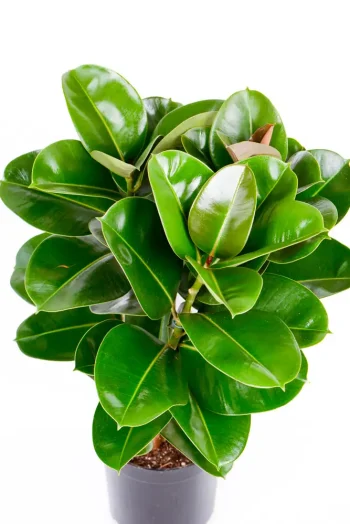
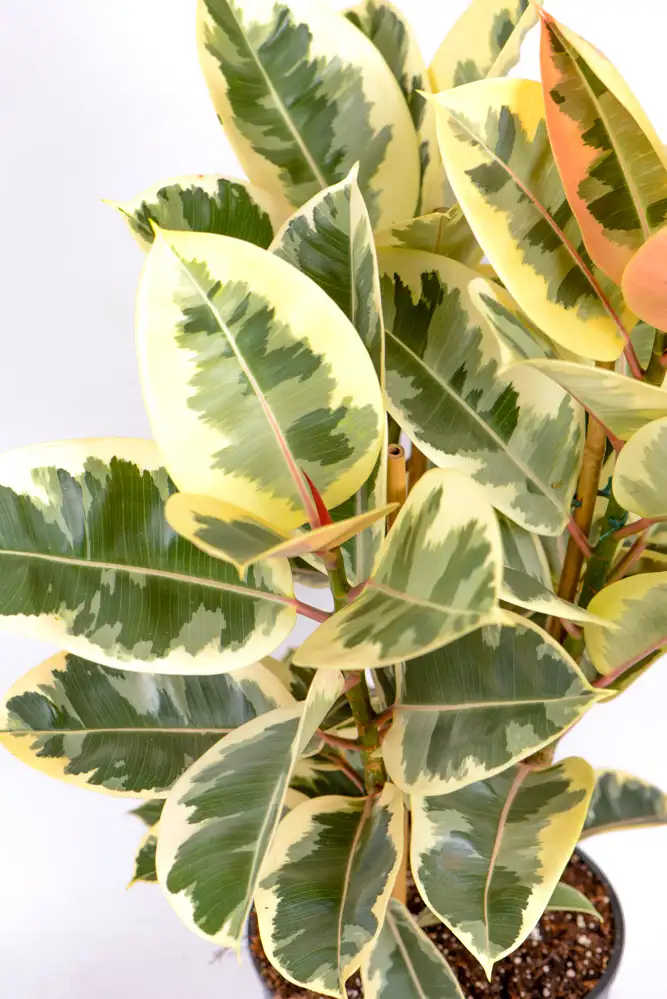
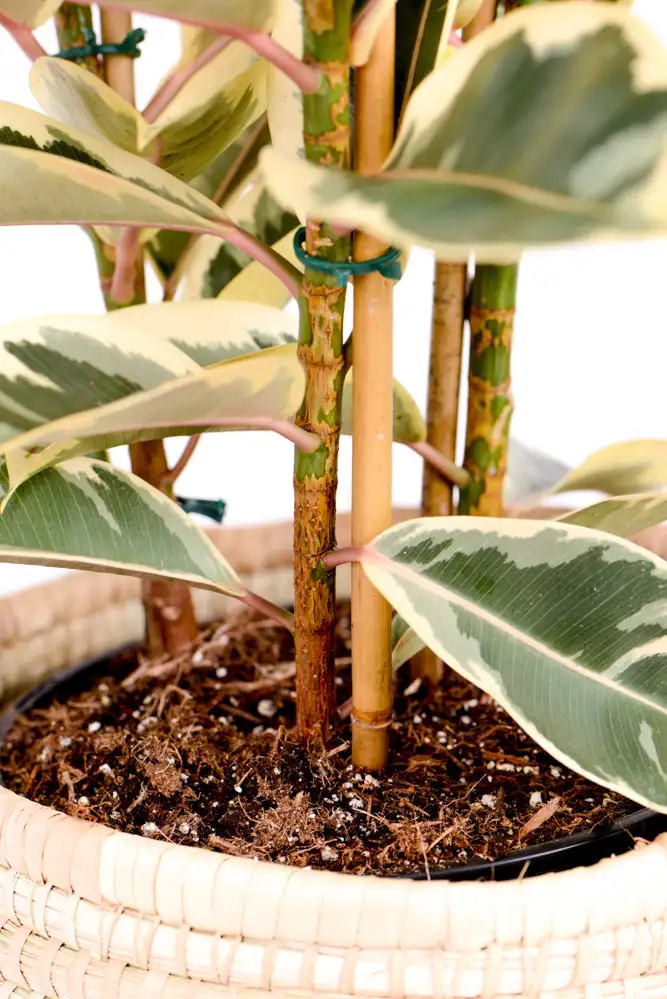
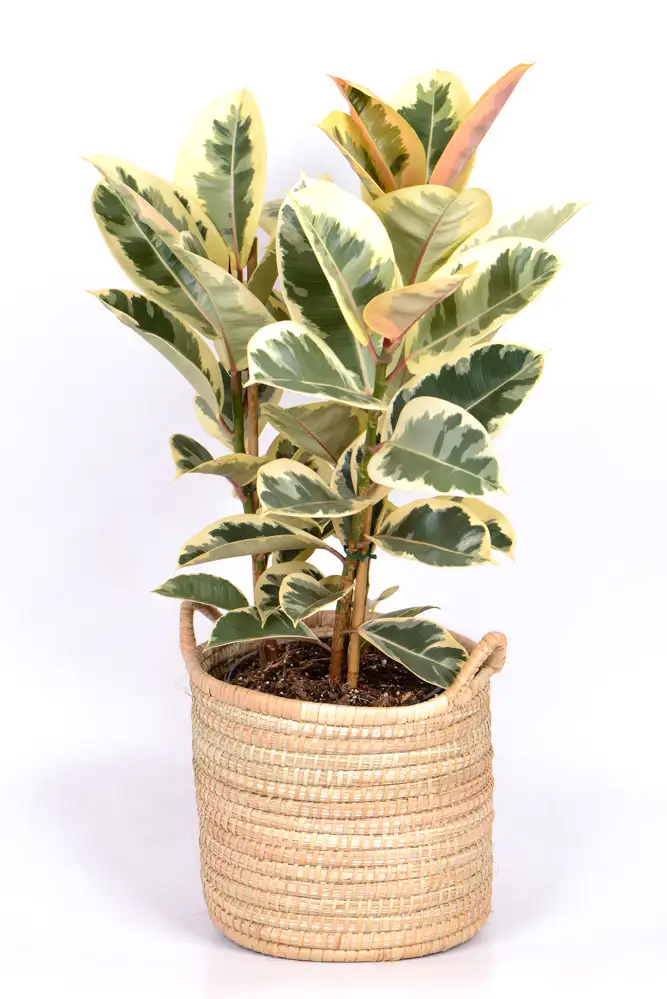
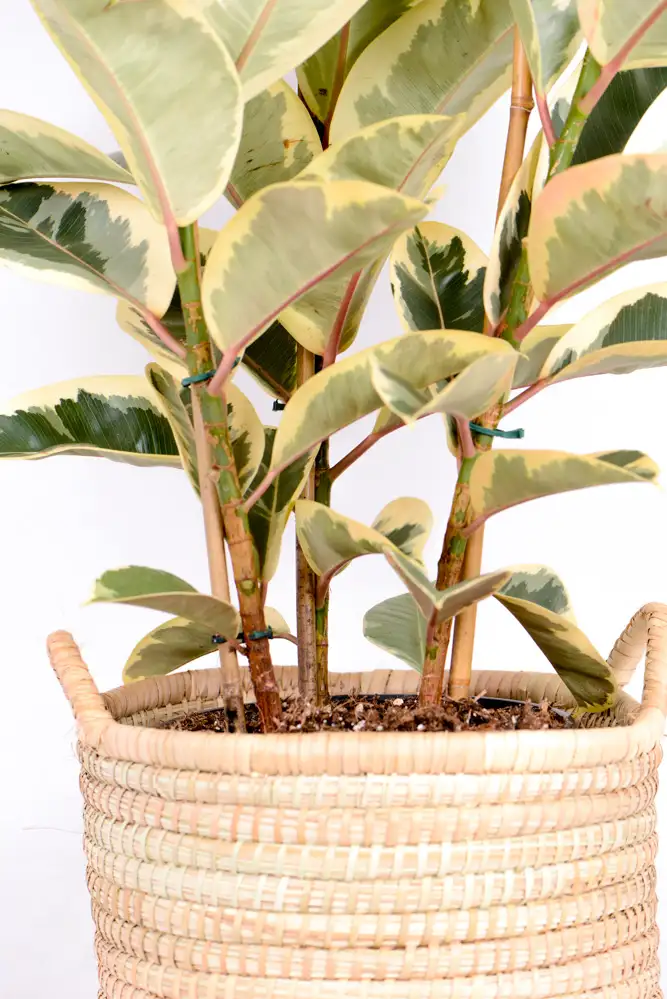
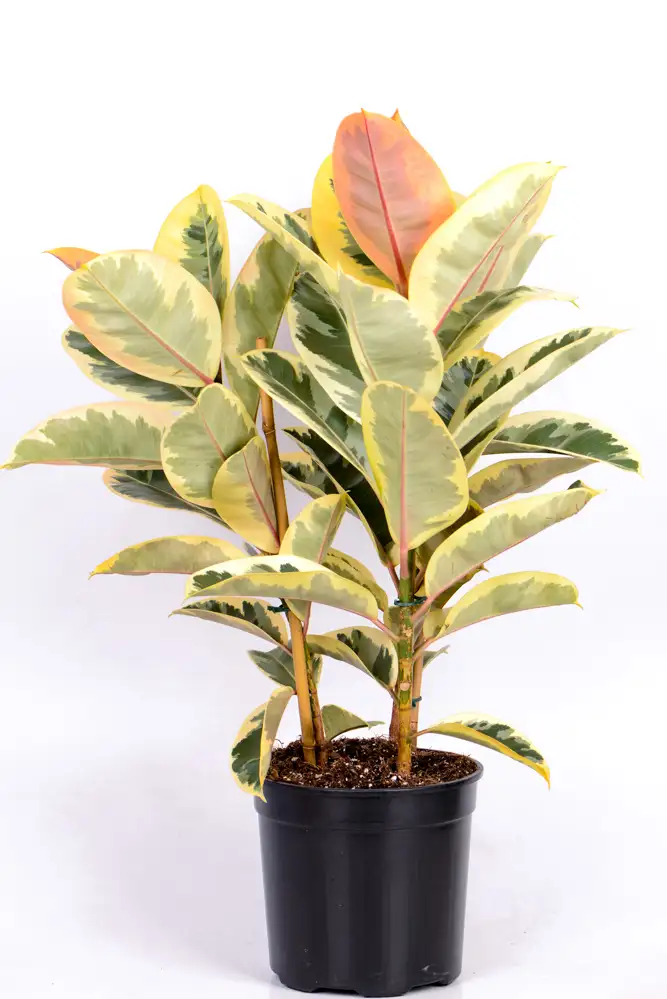
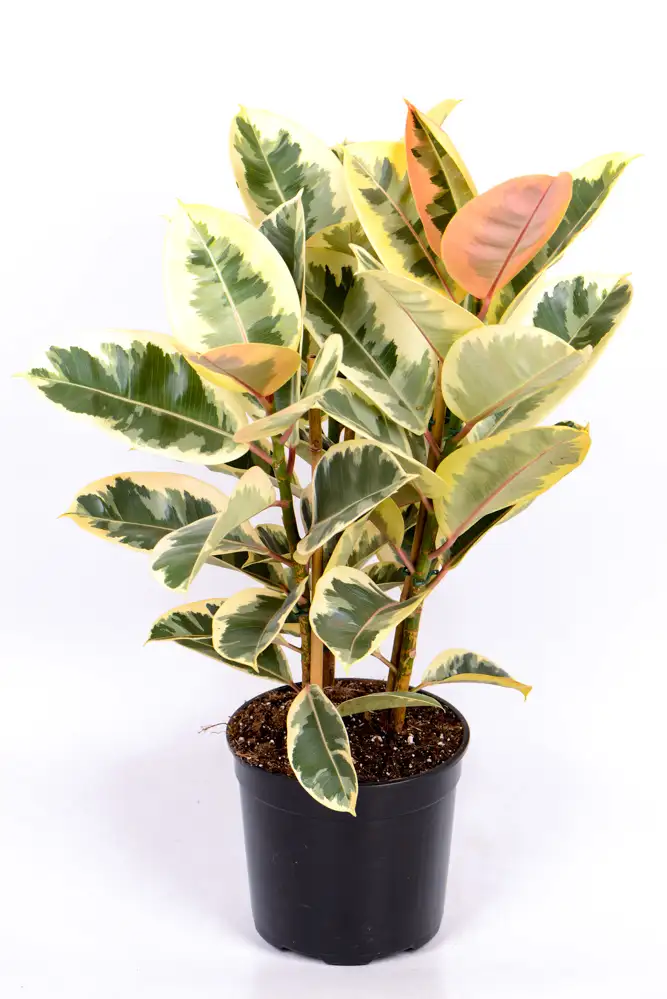
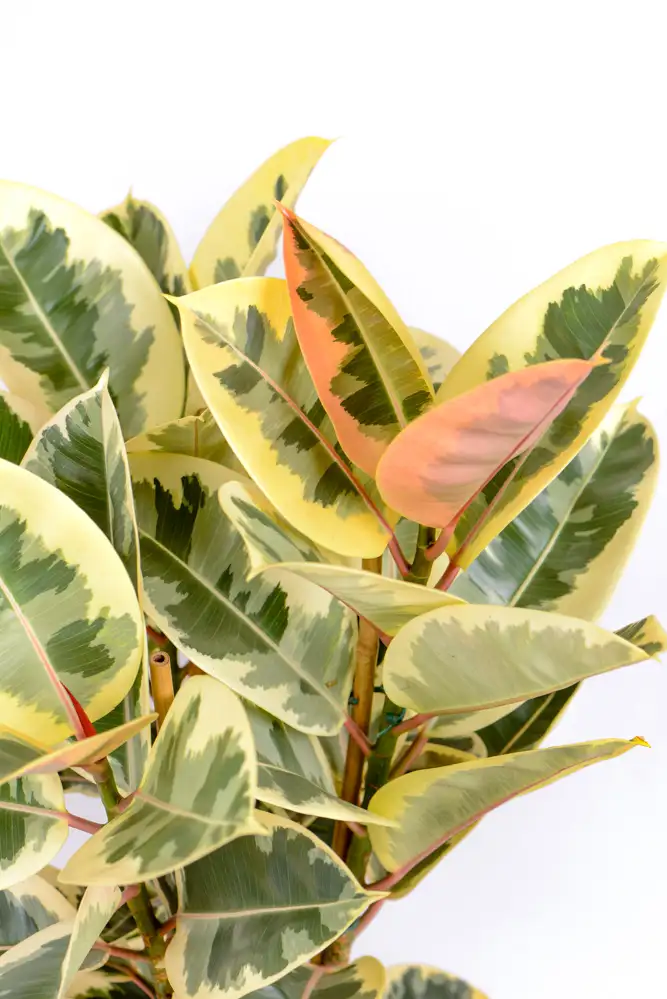
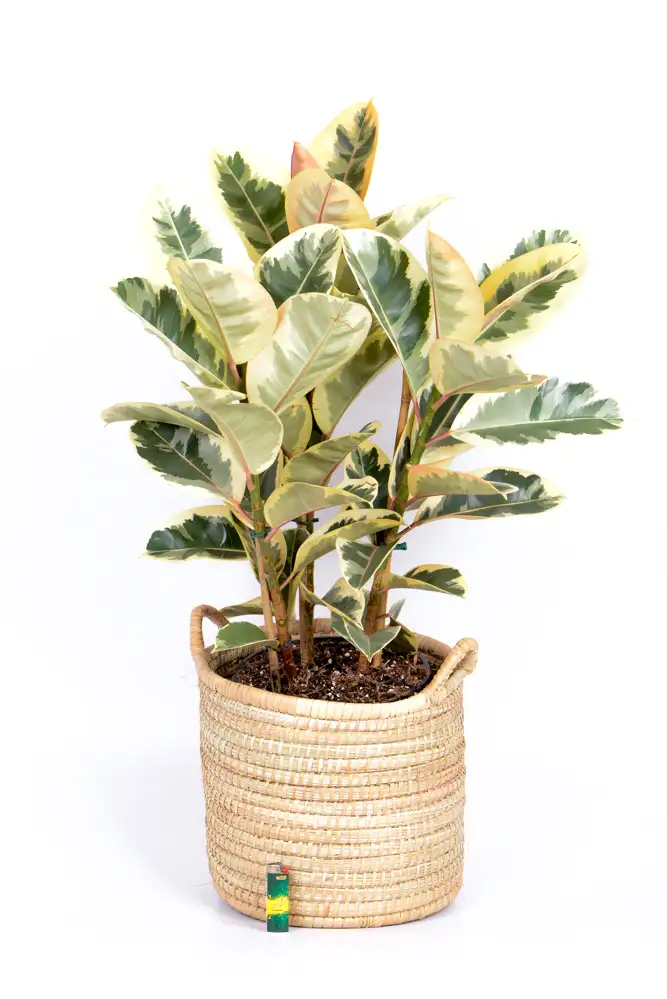
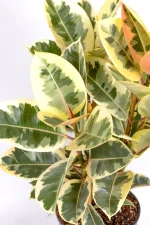
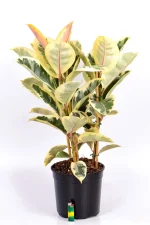
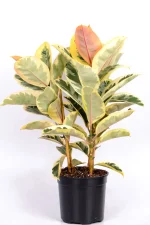
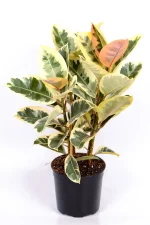
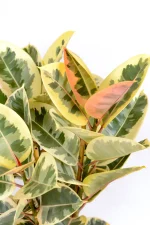
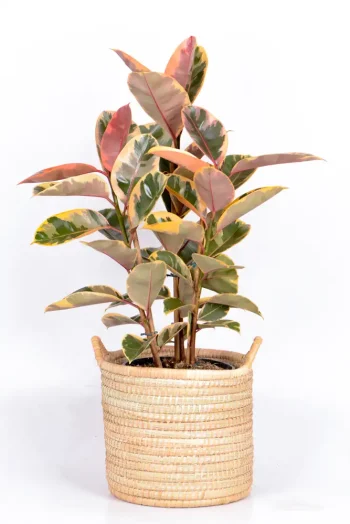
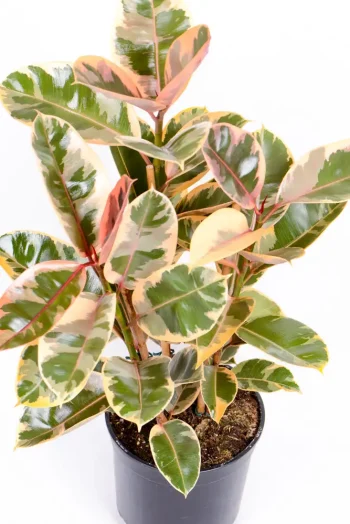
The Multi-Stem Rubber Tree Tineke has three established stems producing layers of broad, glossy leaves patterned in green, cream and soft pink tones.

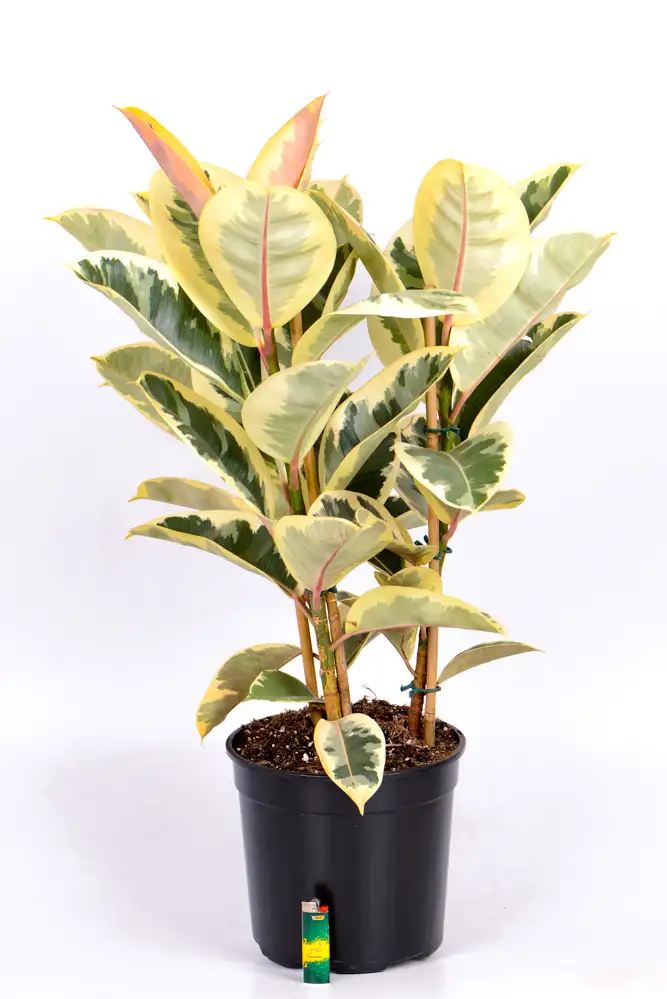
These plants stand approximately 80–90cm tall in 23cm pots, giving you a full, established indoor Ficus with plenty of foliage from the start.
Plant Size
23cm black pot | 3 stems | approx 80-90cm tall
Height is measured from the bottom of the pot to the tallest leaf.
Add to Cart
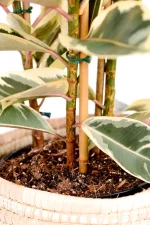
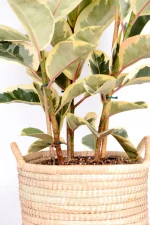
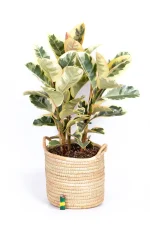
Multi-Stem Rubber Tree Tineke in a handwoven basket
Multi-Stem Rubber Tree Tineke
R800.00 Original price was: R800.00.R600.00Current price is: R600.00.
Multi-Stem Rubber Tree Tineke in a handwoven basket
Multi-Stem Rubber Tree Tineke
R800.00 Original price was: R800.00.R600.00Current price is: R600.00.
Questions? Send it to us!
Name

Commonly known as: Multi-Stem Rubber Tree Tineke | Variegated Rubber Tree | Rubber Plant Tineke 

Botanical name: Ficus Elastica Tineke

Multi-Stem Rubber Tree Tineke is all about the foliage.

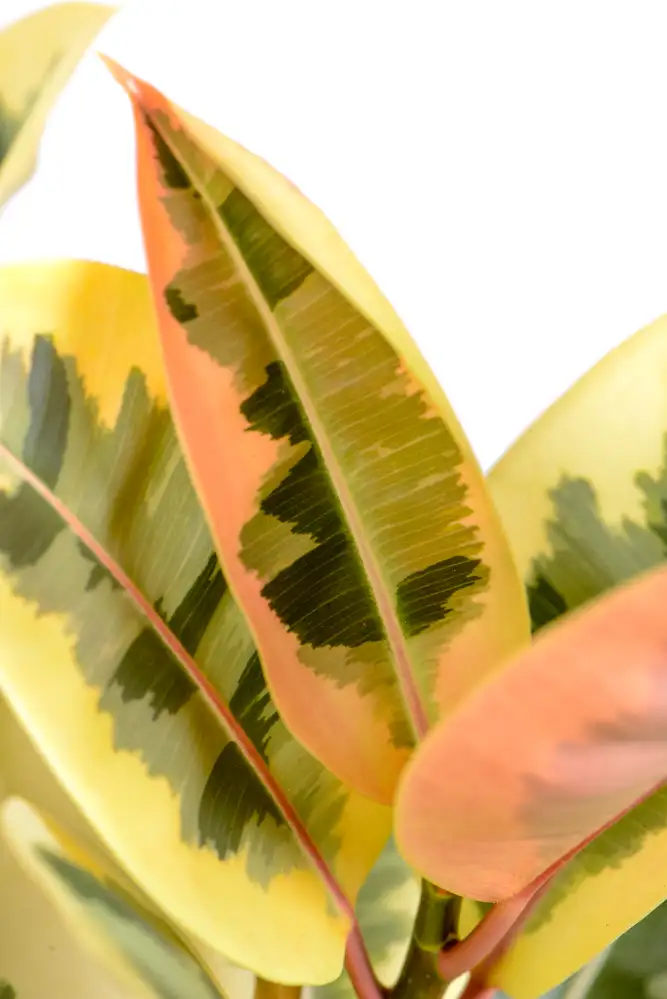
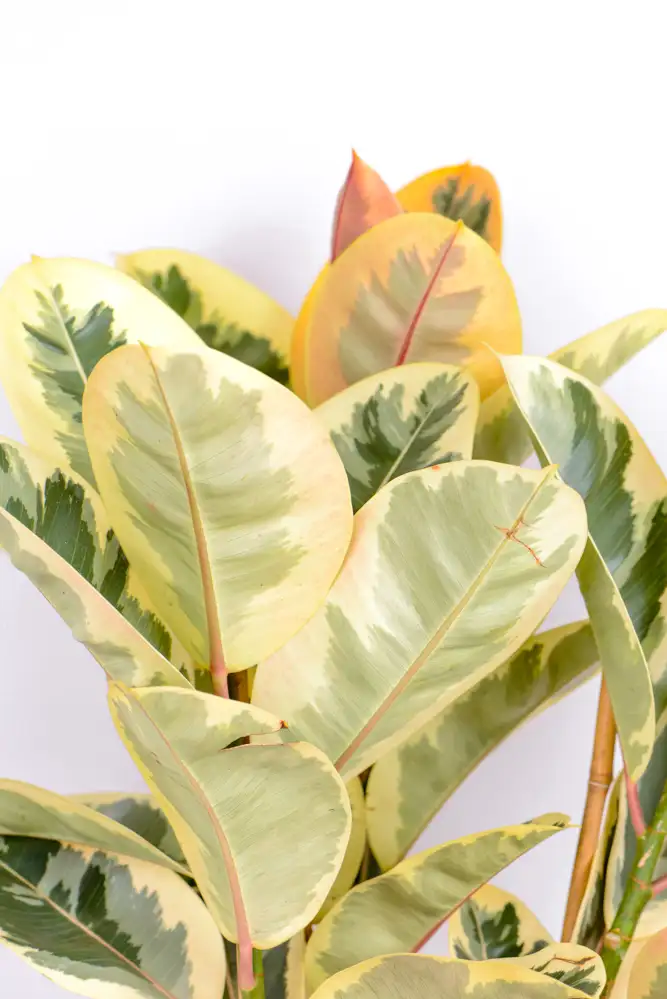
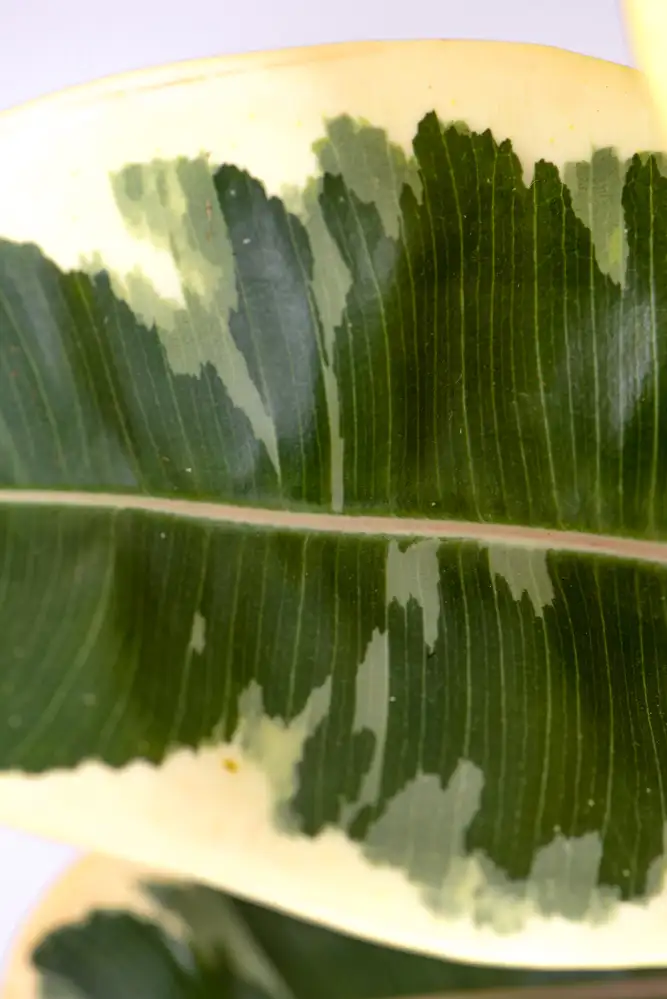
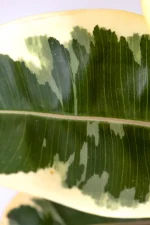
Each broad leaf carries its own mix of deep green, creamy variegation and softer pink tones, especially on fresh growth. No two leaves are exactly alike, which gives the whole plant a really interesting layered look.

With three stems growing together, this form develops into a much fuller plant with foliage at different heights rather than one single upright line of growth.

Like all variegated Ficus, Tineke needs strong natural light to keep the colouring looking its best. A bright position close to a large window is ideal, and once properly acclimatised, some direct sun is very beneficial.

Keep the watering consistent, feed regularly while actively growing and make a point of cleaning those broad leaves from time to time. With the right light and care, Tineke puts out strong new leaves with beautiful fresh variegation.

Multi-Stem Rubber Tree Tineke Care Guide

Water logo

Water – How often should I water my Rubber Tree Tineke?

Water thoroughly once the upper part of the growing medium starts to dry, then allow the excess water to drain away completely.

Tineke prefers consistent moisture without staying constantly wet. Avoid leaving it bone dry for long periods and then suddenly soaking it heavily.

Check the growing medium rather than following a rigid weekly schedule.

Light logo

Light – How much light does Rubber Tree Tineke need?

Give it loads of bright natural light.

Variegated Ficus need stronger light to maintain their cream and pink colouring. A position close to a large window works best, and once the plant has acclimatised, it can handle a few hours of direct sun too.

If it sits too far from the light, new growth can become greener and the variegation may become less pronounced.

Humidity logo

Humidity – Does Rubber Tree Tineke need high humidity?

Normal household humidity is generally fine.

Good airflow is more important than trying to keep humidity artificially high. The broad leaves collect dust easily, so an occasional wipe-down or hose-down helps keep them clean and functioning well.

Soil Logo

Soil – What growing medium should I use?

Use a growing medium that drains freely but still holds enough moisture for steady root hydration.

I recommend Milled Bark Growing Medium, with Perlite added if you want to increase drainage and airflow around the roots.

Avoid dense mixes that stay wet for too long.

Fertilizing logo

Feeding – Should I fertilise my Rubber Tree Tineke?

Yes. Regular feeding helps support strong new growth and keeps the plant developing steadily.

Controlled Release Fertiliser is an easy option for balanced, consistent feeding over time.

For stronger active growth, Novatec Soluble Fertiliser is an excellent choice.

Repotting logi

Repotting – When should I repot my Rubber Tree Tineke?

Wait until the roots have properly filled the current pot before moving it up.

Choose one sensible pot size larger rather than jumping into a much bigger container. This helps avoid excess wet growing medium sitting around the roots.

Spring and summer are ideal times to repot while the plant is actively growing.

Pest image

Pests – What pests should I watch for?

Keep an eye out for spider mites, scale and mealybugs.

Check underneath the leaves and around the stems regularly. Cleaning the foliage or giving the plant the occasional hose-down makes it much easier to catch problems early.

Temerature image

Temperature – What temperatures does Rubber Tree Tineke prefer?

Warm household temperatures suit it well.

Protect it from cold drafts and sudden temperature changes during winter. Growth will slow in colder months, so watering will usually need to reduce as well.

FAQ’s

Q: Why is my Rubber Tree Tineke losing its variegation?
Light is usually the first thing to check. Strong natural light helps maintain the cream and pink colouring, while darker conditions can lead to greener new growth.

Q: Can Rubber Tree Tineke handle direct sunlight?
Yes, once it has been acclimatised gradually. Start with gentler morning or late-afternoon sun and increase exposure over time.

Q: Why do the new leaves look pinker than the older ones?
Fresh Tineke leaves often emerge with stronger pink tones. These colours usually soften as the leaves mature.

Q: Can I prune Rubber Tree Tineke?
Yes. Pruning helps control height and can encourage branching, which makes the plant fuller over time.

Q: What is the white sap that appears when I cut a stem or leaf?
Ficus produces a milky latex sap when damaged or pruned. It can irritate sensitive skin, so wash your hands after handling it and avoid contact with your eyes.

Q: Is Rubber Tree Tineke pet safe?
No. The foliage and sap can cause irritation if eaten, so keep it away from pets that are likely to chew plants.

Be sure to visit and follow us Facebook and Instagram