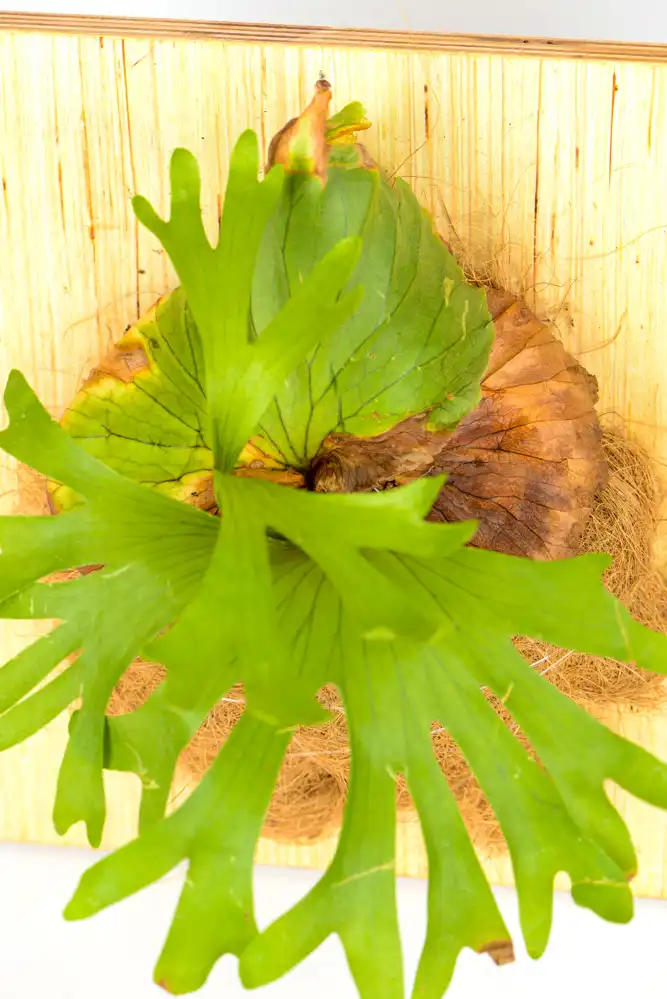
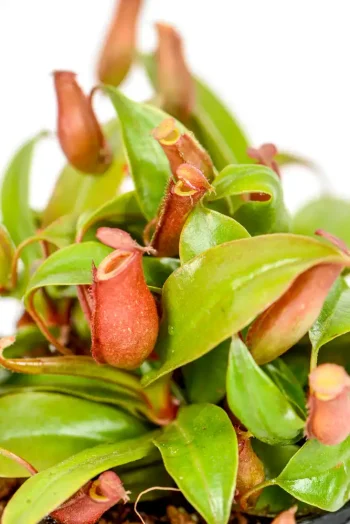
Commonly known as: Platycerium Kitshakood | Mt. Kitshakood
Botanical name: Platycerium × kitshakoodiense
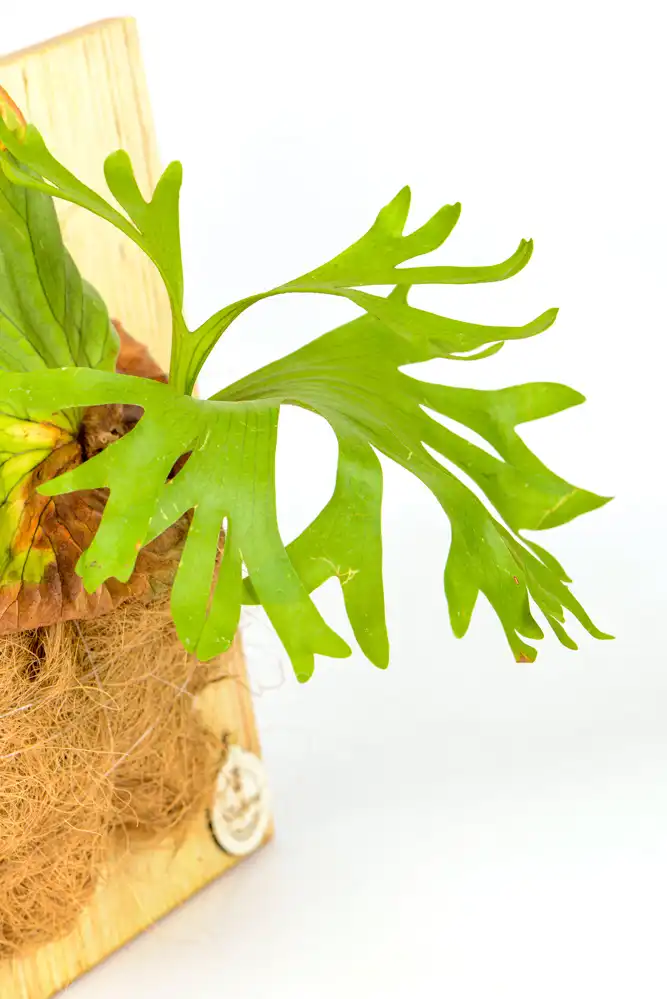
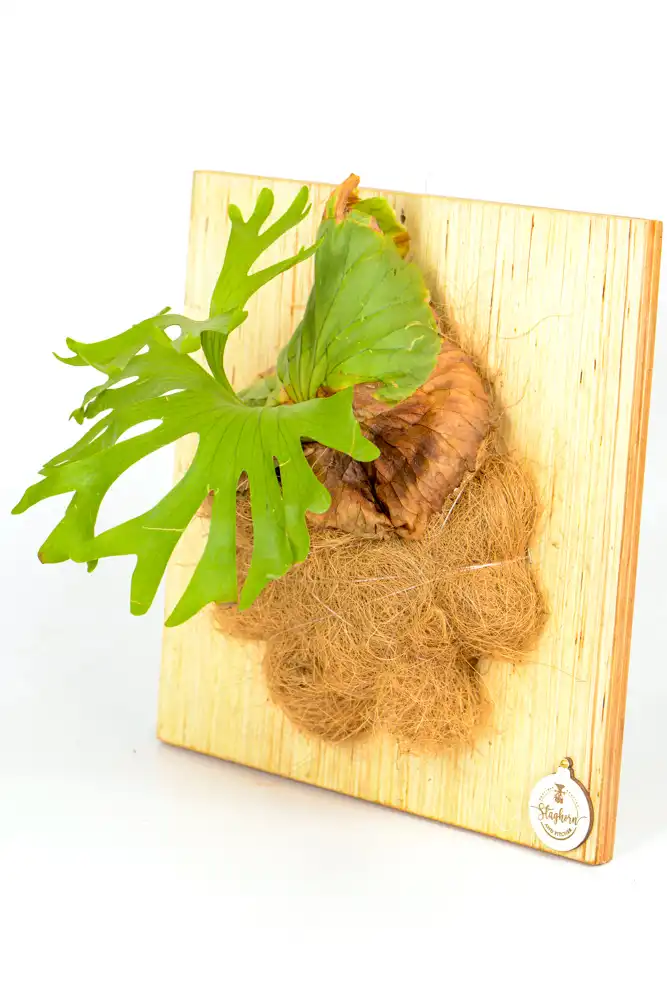
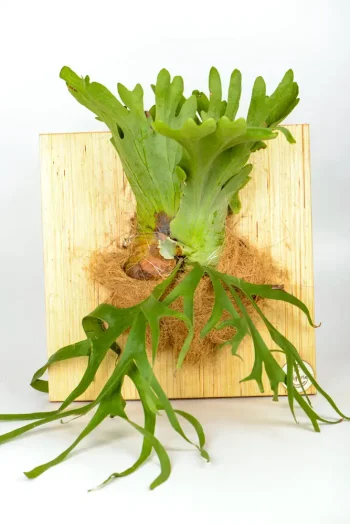
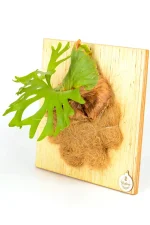
The Platycerium Kitchakood is a fascinating cultivated Staghorn Fern hybrid, combining unusual shield-frond development with beautifully branching fertile foliage.
One of its most interesting characteristics is the way the plant changes as it matures.
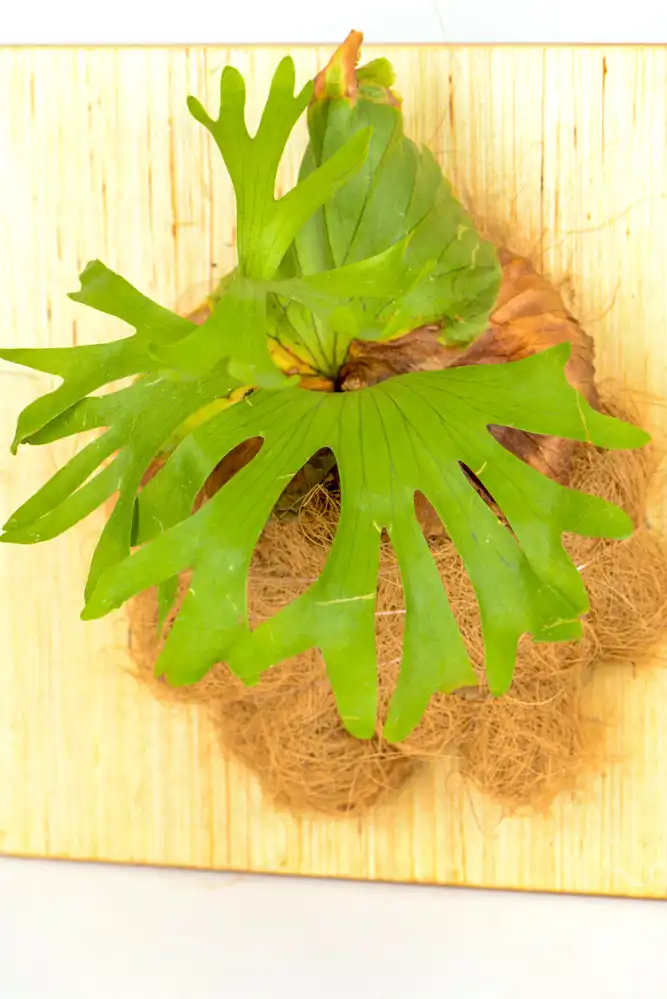
Young plants begin developing their rounded shield fronds around the root system, while the fertile fronds extend outwards and gradually develop their distinctive branching pattern. As the plant establishes, the shields become increasingly pronounced, giving it a wonderfully sculptural appearance.
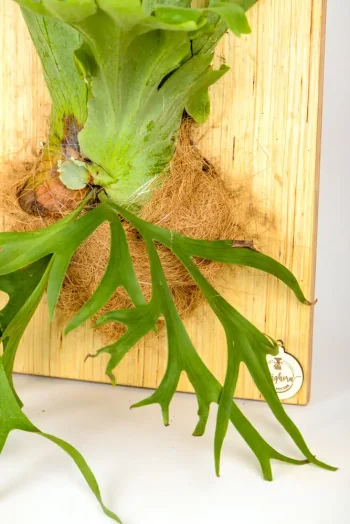
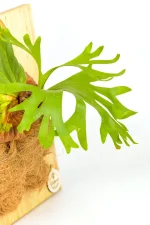
The fertile fronds can become long and deeply divided, with their overall shape influenced by the plant’s maturity and growing conditions.
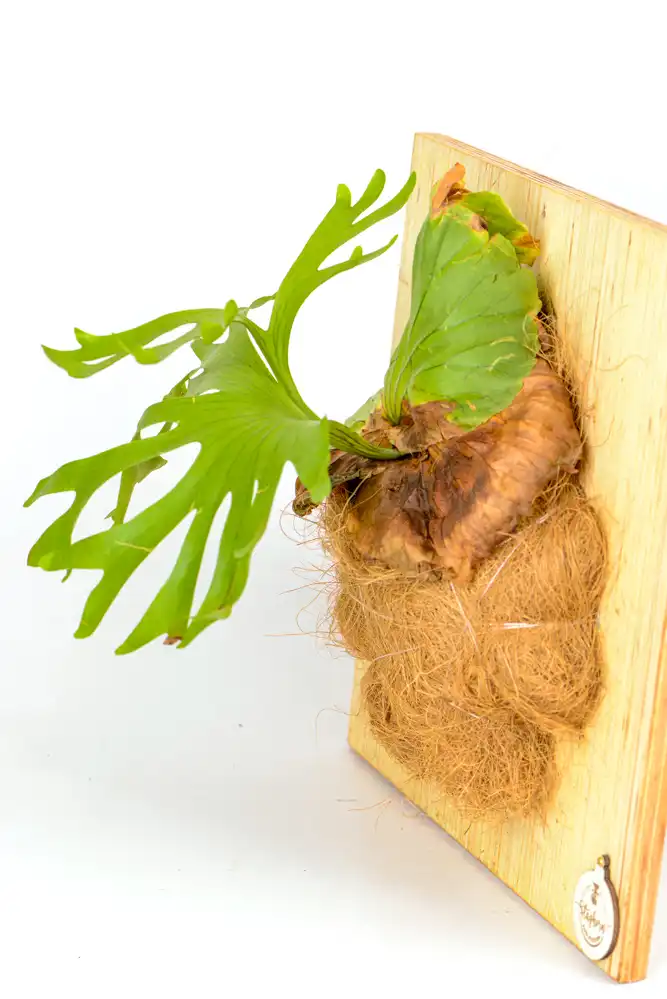
Like other Staghorn Ferns, Kitchakood is an epiphyte, meaning it naturally grows attached to a support rather than with its roots buried in conventional potting soil.
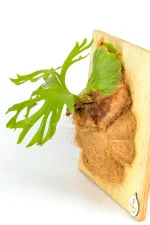
Our staghorns come mounted on 40×40cm wooden boards, allowing you to hang them vertically and enjoy the natural development of both the shield and fertile fronds.
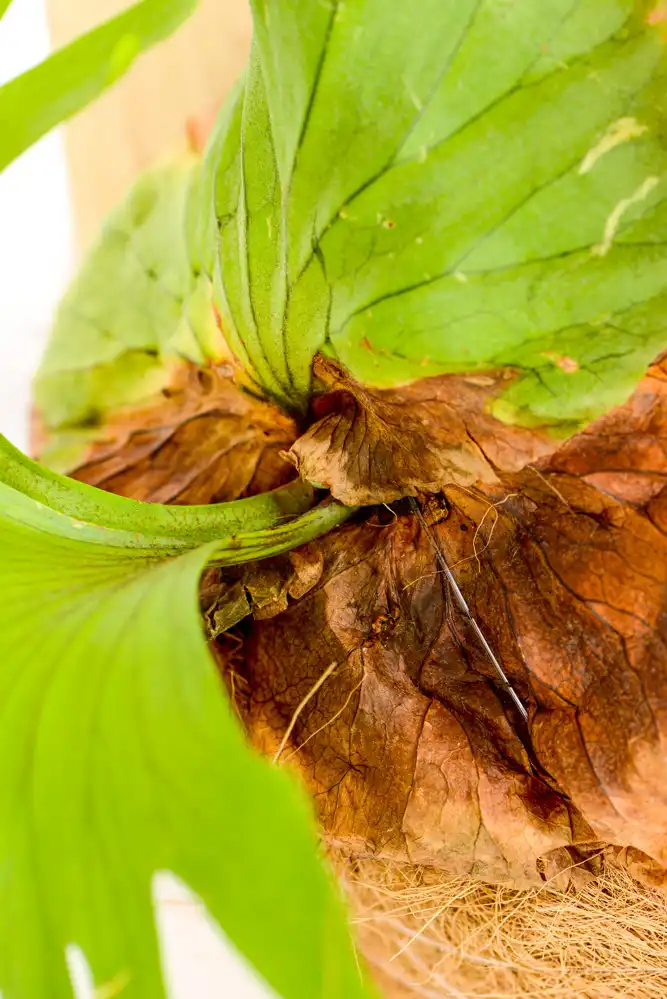
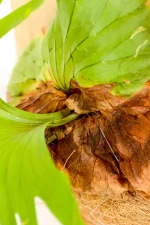
The shield fronds serve an important purpose. They protect the root system, help secure the plant to its mount and gradually form a protective structure around the growing area. As older shields mature, they naturally become brown and papery.
Don’t remove those brown shields. They’re part of the plant’s natural growth and help protect the roots beneath them.
Kitchakood appreciates bright, filtered natural light and good airflow around its foliage and mounting board. Water thoroughly when the moss approaches dryness, then allow excess moisture to drain away.
With consistent care, this is a rewarding Staghorn to grow, particularly as the mature fronds begin developing their characteristic shape.
Platycerium Kitshakood Care Guide

Water – How often should I water my Platycerium Kitshakood?
Water the mounted root ball thoroughly, allowing the moss behind the shield fronds to absorb moisture before letting the excess drain away.
The important thing is to allow the moss to approach dryness between waterings without leaving it completely dry for extended periods.
During warm weather, you’ll generally need to water more frequently, particularly if the board hangs in a bright, airy position.
A useful trick is to feel the weight of the board. Once you’ve watered it a few times, you’ll notice the difference between a freshly soaked mount and one that’s ready for watering.
Avoid keeping the plant constantly saturated, as this can lead to root problems.

Light – How much light does Platycerium Kitshakood need?
Give it plenty of bright, filtered natural light.
A position close to a large window is excellent, particularly where the plant receives strong natural light without harsh afternoon sun.
Gentle morning sunlight is generally suitable once the plant has acclimatised.
Good light encourages healthy shield development and stronger fertile fronds. Avoid dark positions, as insufficient light can slow growth considerably.

Humidity – Does Platycerium Kitshakood need high humidity?
THese Staghorns appreciates moderate to high humidity, particularly while actively producing new fronds.
However, good airflow is just as important as humidity.
Mounted Staghorns need air circulating around the foliage and root area. Avoid enclosed, stagnant conditions where the moss remains wet for extended periods.
A bright, sheltered patio can work particularly well during warm weather.
It’s important to mist this plant – especially in dry regions at least twice a day.

Feeding – Should I fertilise my Platycerium Kitshakood?
Yes. Regular, moderate feeding during active growth helps encourage healthy shields and strong fertile fronds.
Novatec Soluble Fertiliser is an excellent option for supporting active growth.
Apply a suitably diluted solution to the moss and root area during watering, following the fertiliser’s application instructions.
Avoid excessive fertiliser concentrations, as salts can accumulate within the relatively small root area of a mounted plant.
Reduce feeding when temperatures drop and growth slows. Another ideal fertilizer is our Foliar Feed

Pests – What pests should I watch for?
Scale and mealybugs can occasionally appear around the shield fronds and sheltered growing points.
Inspect new growth regularly, particularly where the fronds emerge from the centre of the plant.
Avoid aggressive rubbing or scrubbing of the foliage. Platycerium fronds often have a fine protective covering that can be damaged by unnecessary handling.
If treatment becomes necessary, use a product suitable for ferns and test a small area first.

Temperature – What temperatures does Platycerium Kitshakood prefer?
Kitchakood enjoys warm conditions, ideally around 18°C–28°C.
Protect it from prolonged cold, particularly temperatures below approximately 12°C.
During Gauteng winters, bring outdoor-mounted plants into a protected position before very cold nights.
Remember that the moss will take longer to dry during cooler weather, so adjust watering accordingly.
Frequently Asked Questions
Q: What makes Platycerium Kitshakood unusual?
Its combination of strongly developed shield fronds and intricately branching fertile foliage gives it a distinctive appearance as it matures. It is a cultivated hybrid involving Platycerium coronarium and Platycerium ridleyi.
Q: Will the fronds become longer as the plant matures?
Yes. As the plant establishes and develops, its fertile fronds can become considerably longer and more deeply divided. Their eventual shape depends on maturity and growing conditions.
Q: Why are the shield fronds turning brown?
This is a natural part of their development. Mature shield fronds become brown and papery while continuing to protect the root system. Leave them attached.
Q: Can I hang my Platycerium Kitshakood outdoors?
Yes. A bright, sheltered patio with filtered natural light and good airflow can be an excellent position during warmer months. Protect the plant from frost and very cold winter weather.
Q: Can I propagate my Platycerium Kitshakood?
Propagation is generally more specialised than taking ordinary stem cuttings. Established plants may sometimes produce additional growth points, while spore propagation requires suitable conditions and considerable patience. Seedlings grown from spores of a hybrid aren’t guaranteed to reproduce the parent’s exact characteristics.
Q: Is Platycerium Kitshakood pet safe?
Platycerium ferns are generally regarded as non-toxic to cats and dogs. However, it’s still sensible to prevent pets from chewing the foliage.
Be sure to visit and follow us Facebook and Instagram