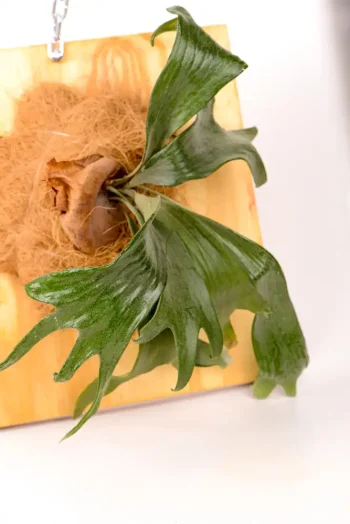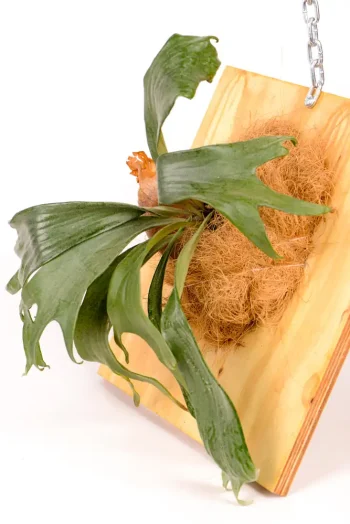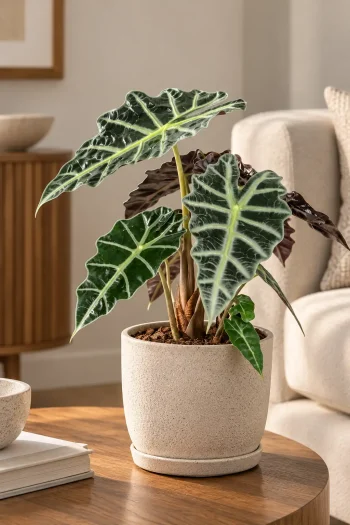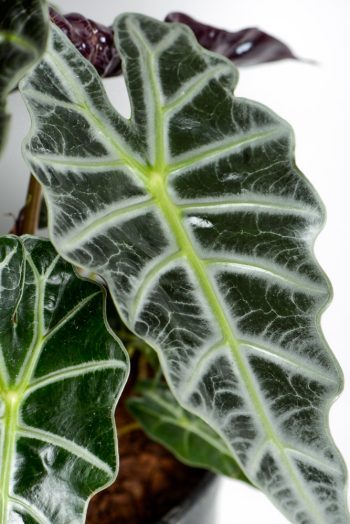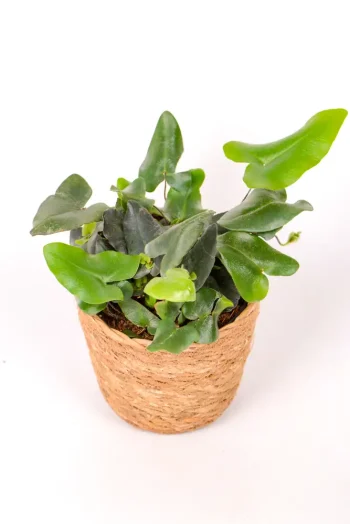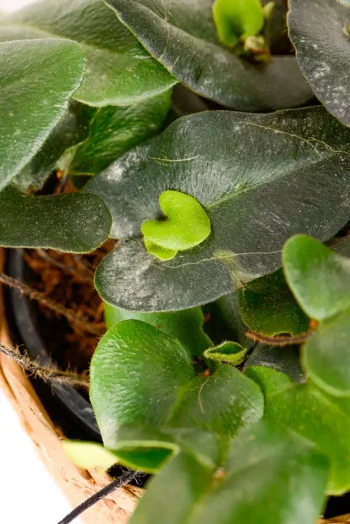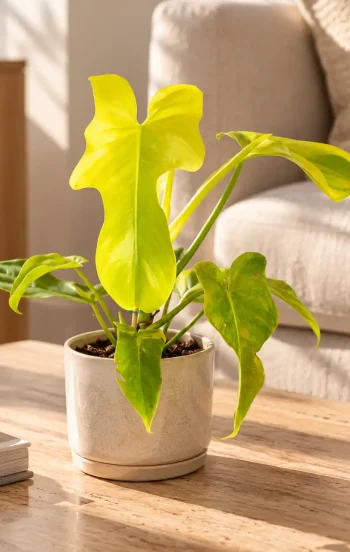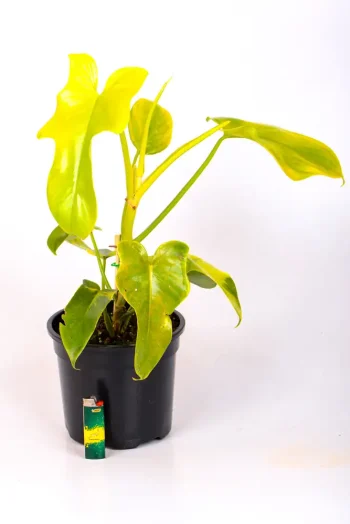






Commonly known as: XL Bird Nest Fern Antiquum
Botanical name: Asplenium antiquum
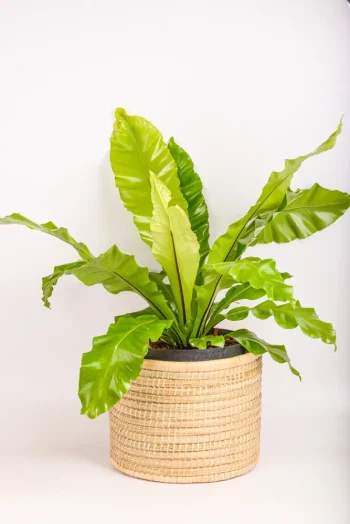
XL Bird Nest Fern Antiquum stands out because of its shape and texture. The wide, strap-like fronds grow outward from a central point, forming a clean rosette that feels structured and intentional. The edges of the leaves have a natural wave, which adds movement without making the plant look untidy.
At around 70cm tall in a 30cm pot, this plant already has presence. The full rosette shape creates volume from every angle, so it works well as a standalone piece rather than needing to be grouped with other plants. The smooth, bright green leaves also reflect light well, which helps lift a space without adding visual weight.
Unlike more delicate ferns, Bird’s Nest Antiquum has a sturdier appearance. The leaves hold their form and grow upright before arching slightly outward, which keeps the plant looking balanced as it matures.
With stable light and consistent watering, it continues to produce new fronds from the centre. Over time, this builds a denser, more established plant that maintains its strong shape.
XL Bird Nest Fern Antiquum Care Guide
Watering – How often should it be watered?
Keep the soil evenly moist. Water when the top 2–3cm begins to dry out. Avoid letting the plant dry out completely. When watering, aim for the soil rather than the centre of the rosette to prevent excess moisture sitting in the crown.
Light – What light does XL Bird’s Nest Fern Antiquum need?
Bright, indirect light works best. It can tolerate medium light, but stronger light supports fuller growth and better leaf development. Avoid direct sun, as it can scorch the leaves.
Humidity – Does it need extra humidity?
Bird’s Nest Fern prefers moderate to higher humidity. While it adapts to normal indoor conditions, higher humidity helps keep the fronds smooth and prevents browning at the edges.
Soil – What soil works best?
Use a moisture-retentive but well-draining mix. Indoor Potting Soil works well as a base. Improve airflow and drainage by incorporating Perlite and Bark Chips.
Feeding – How should it be fertilised?
Feed during the growing season with Grobest Organic Fertiliser every 4–6 weeks. For stronger growth, Novatec Soluble Fertiliser can be used occasionally.
Repotting – When should it be repotted?
Repot every 18–24 months or when the plant becomes root-bound. Move up one pot size only. When repotting, incorporate TerraPlus Natura N and Controlled Release Fertiliser into fresh mix.
Pests – What pests should I watch for?
Bird’s Nest Fern is generally low-maintenance, but occasional pests like scale or spider mites may appear. Regular checks and early treatment help prevent issues.
Temperature – What temperature suits it best?
It grows well between 18°C and 28°C. Avoid temperatures below 12°C and protect from cold drafts.
FAQs
Why shouldn’t I water into the centre?
Water sitting in the crown can lead to rot. Always water around the base instead.
Is this fern easier than other ferns?
Yes. It is more structured and slightly more forgiving than finer, delicate ferns.
Can it grow in lower light?
It can tolerate medium light, but brighter light keeps it fuller and healthier.
Is it pet-safe?
Yes. Bird’s Nest Ferns are generally considered non-toxic.
Be sure to visit and follow us Facebook and Instagram