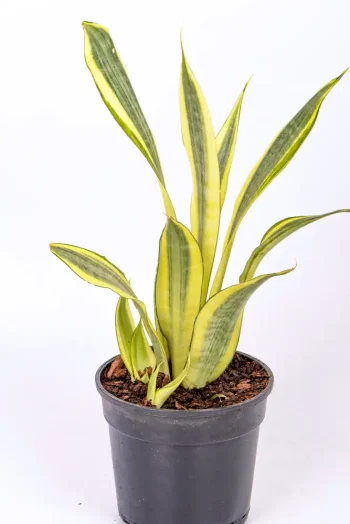






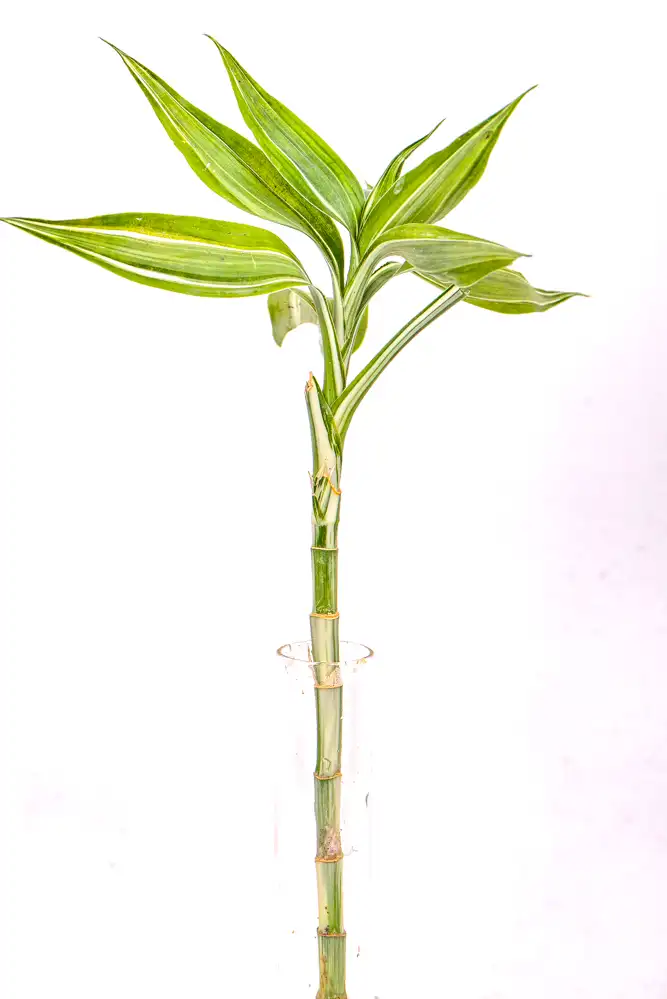
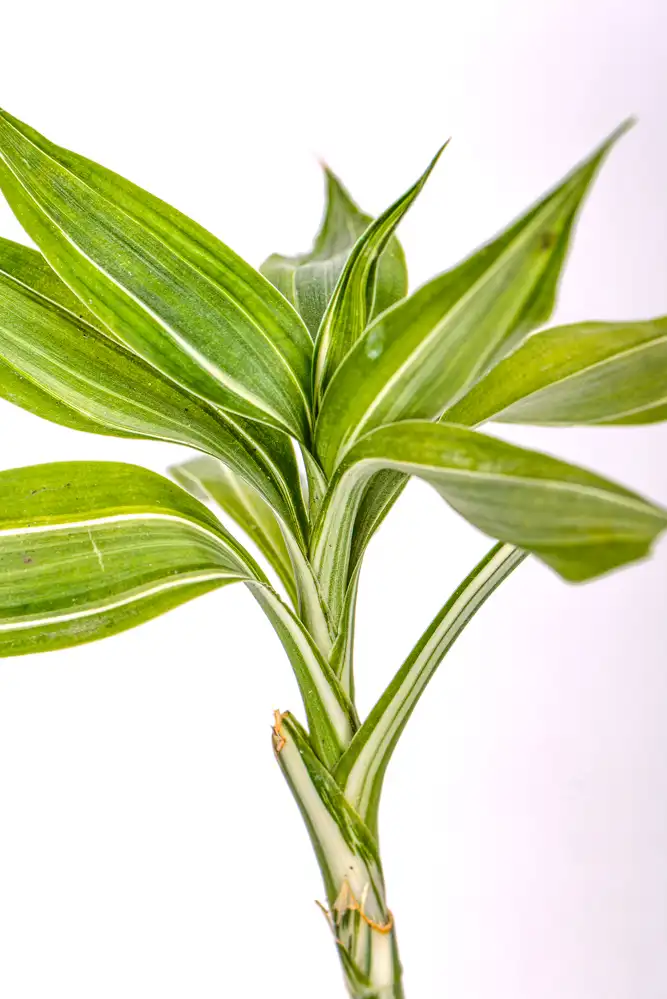
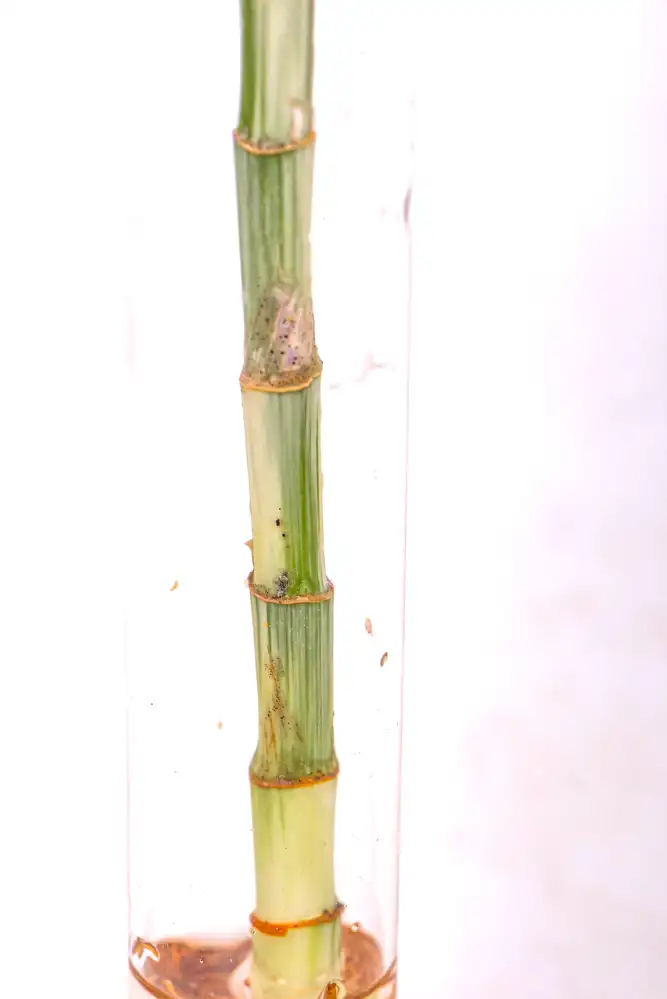
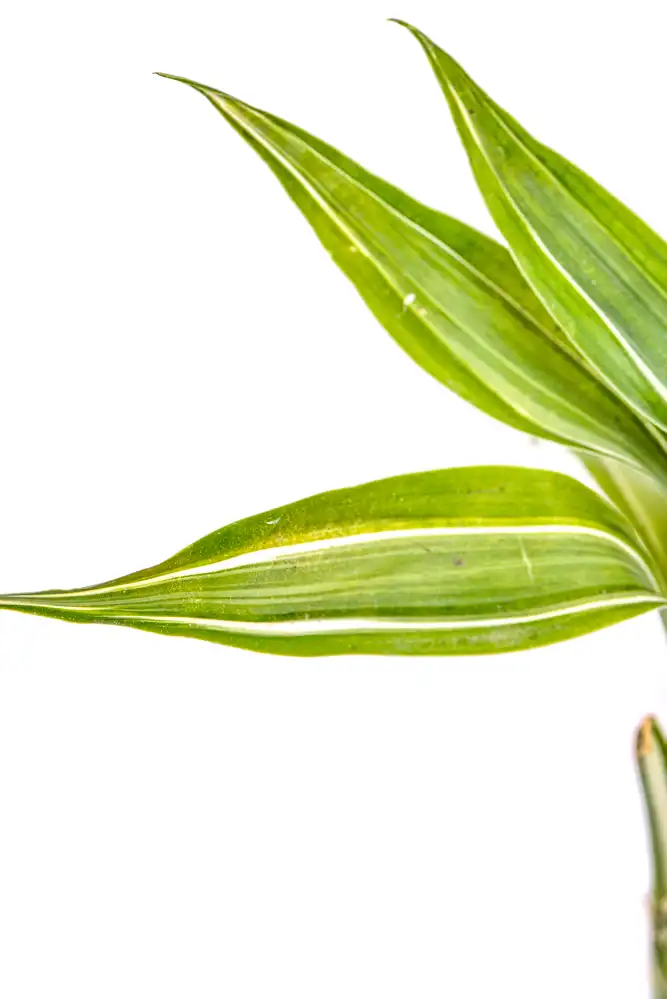
Commonly known as: Variegated Lucky Bamboo | Lucky Bamboo
Botanical name:Â Dracaena sanderiana ‘Variegata’
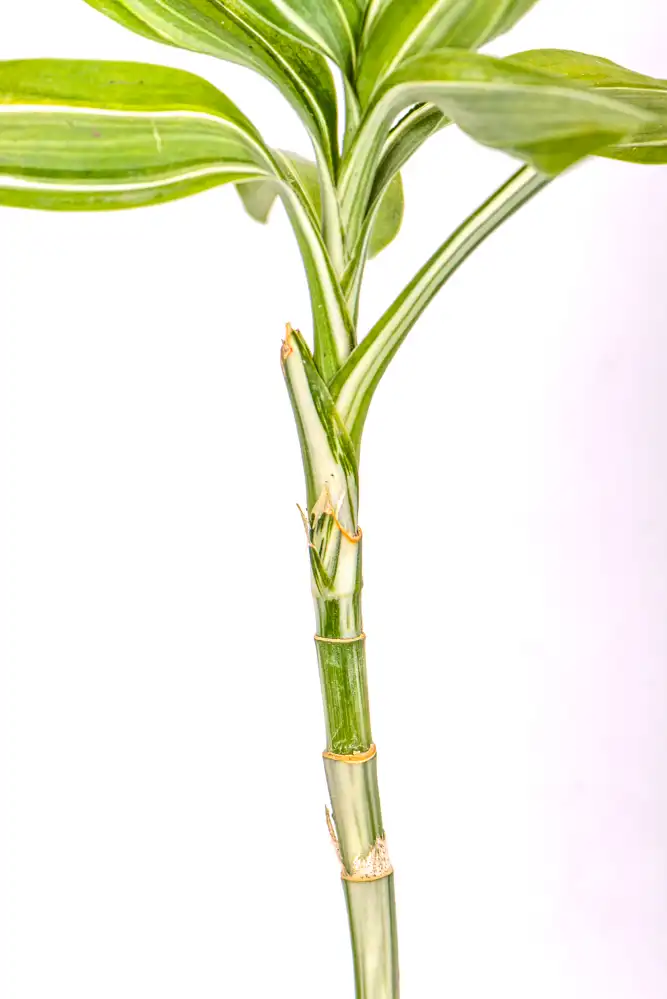
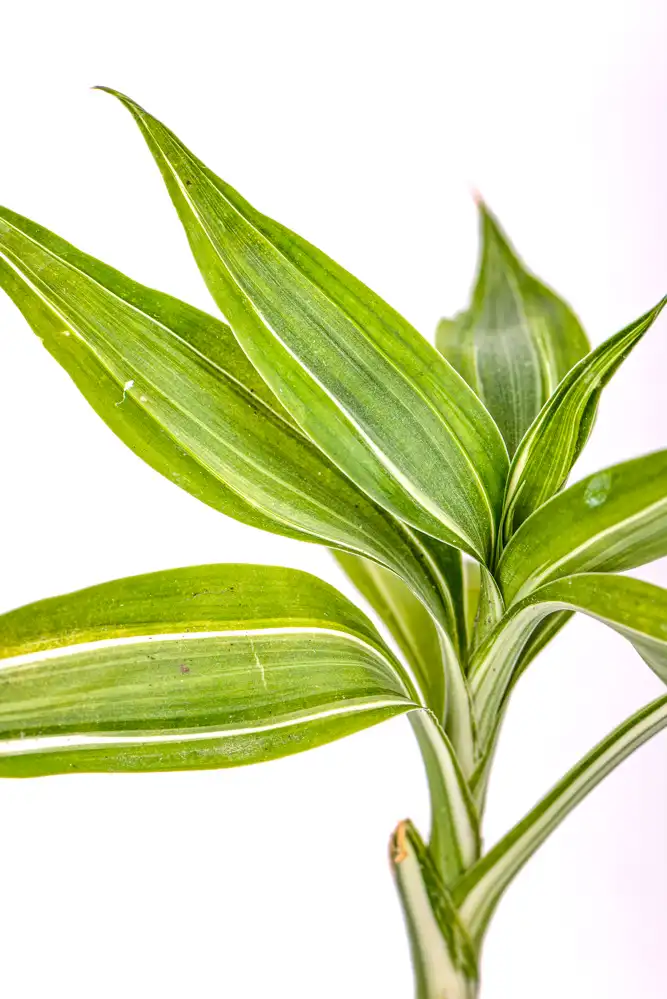
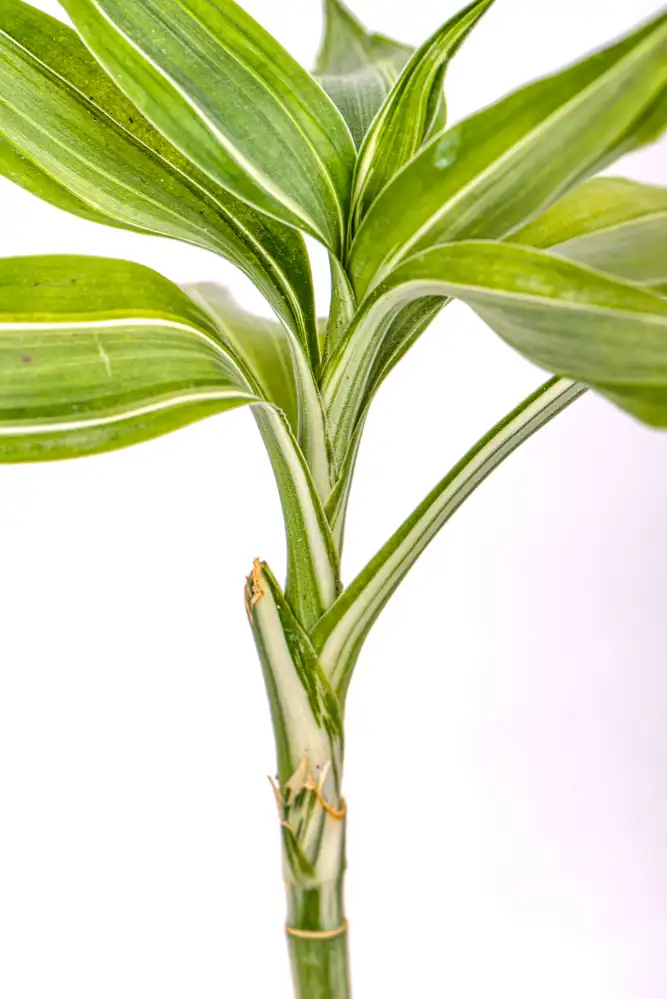
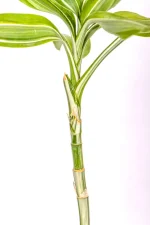
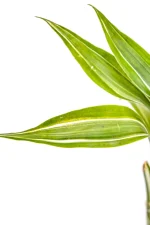
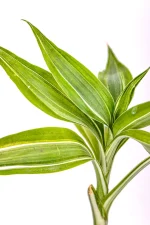
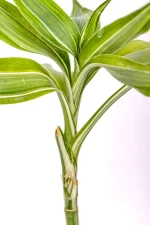
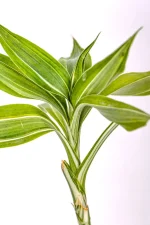
Variegated Lucky Bamboo is one of the most recognisable indoor plants in the world, but the variegated form takes it to another level. The bright cream and green striped foliage creates far more contrast than standard Lucky Bamboo, making it a striking decorative plant even at a young size.
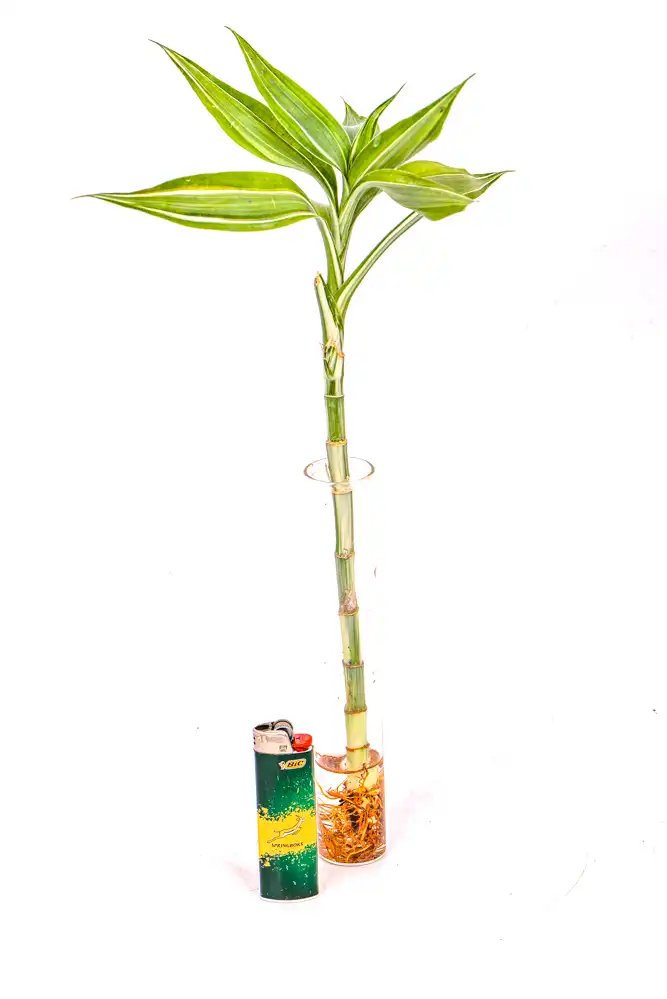
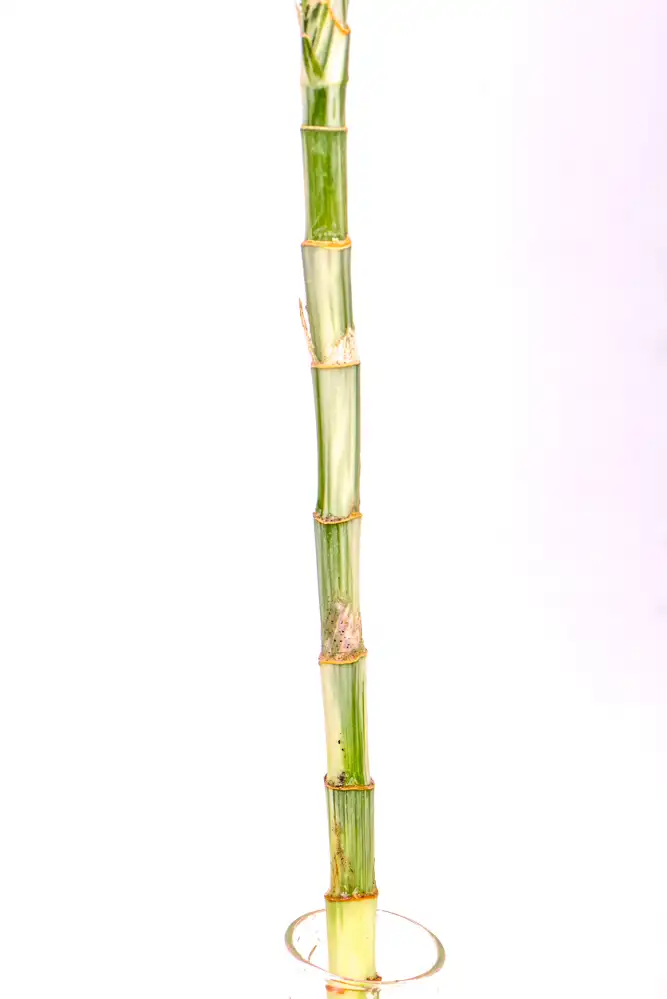
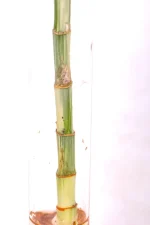
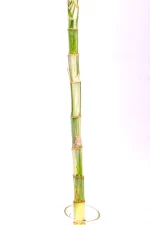
Unlike traditional potted houseplants, Lucky Bamboo is most commonly grown directly in water. The stems naturally root into water-filled containers, allowing the plant to be displayed in glass vases, ceramic containers, or decorative pots without soil.
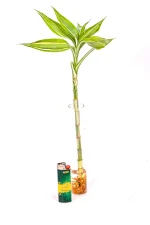
At approximately 25cm tall, these plants are the perfect size for desks, countertops, office spaces, bathrooms, and shelves. The upright growth habit gives them a neat and structured appearance while the variegated foliage adds brightness and interest.
Lucky Bamboo is not actually a bamboo at all. It belongs to the Dracaena family and is closely related to Corn Plants and Dragon Trees. This explains its remarkable adaptability to indoor conditions and its ability to thrive for years with very simple care.
The variegated form grows slightly slower than the standard green variety due to the reduced chlorophyll in the leaves. However, this slower growth is balanced by its much more attractive foliage and collector appeal.
Traditionally associated with prosperity, good fortune, and positive energy, Lucky Bamboo has remained one of the most popular gift plants worldwide. The variegated form offers the same symbolism while adding a more unusual and premium appearance.
Variegated Lucky Bamboo Care Guide
Watering – How often should it be watered?
Because these plants are grown in water, ensure the roots remain submerged while the stems stay above the water line.
Refresh the water every 1–2 weeks to prevent stagnation and maintain healthy root growth.
If using tap water, allowing it to stand overnight before use can help reduce chlorine levels.
Light – What light does Variegated Lucky Bamboo need?
Bright, indirect light is ideal. Avoid direct sunlight, which can scorch the leaves and damage the variegation.
Lower light conditions are tolerated, but brighter positions help maintain stronger growth and better colour.
Humidity – Does it need extra humidity?
Average indoor humidity is perfectly suitable. The plant adapts well to normal household conditions.
Growing Medium – Does it need soil?
No. Lucky Bamboo is typically grown directly in water.
It can be displayed in:
- glass vases
- ceramic pots
- decorative containers
- pebble-filled vessels
If eventually planted into a pot, use Milled Bark Growing Medium and keep the growing medium lightly moist while the plant adapts.
Feeding – How should it be fertilised?
Feed very lightly. A small amount of Novatec Soluble Fertiliser at highly diluted strength every few months is sufficient.
Overfertilising is far more harmful than underfeeding.
Repotting – Does it need repotting?
Not usually. Simply move the plant into a larger decorative container if the roots outgrow the current display vessel.
If transferring to soil, do so during warmer months when the plant is actively growing.
Pests – What pests should I watch for?
Lucky Bamboo is generally trouble-free but may occasionally attract spider mites or mealybugs in very dry indoor conditions.
Temperature – What temperature suits it best?
Variegated Lucky Bamboo grows best between 18°C and 30°C.
Avoid temperatures below 12°C and protect from cold drafts.
FAQ’s
Q: Why are my Maidenhair Fern’s leaves turning brown?
Usually from dry soil or low humidity. Water more consistently and mist regularly.
Q: Can I grow it outside?
Yes, in shaded or semi-shaded areas protected from wind and harsh sun.
Q: Can I trim old fronds?
Absolutely. Cut back dry or damaged fronds at the base — it encourages new growth.
Q: Is it pet-friendly?
Yes, the Northern Maidenhair Fern is non-toxic to pets.
Be sure to visit and follow us Facebook and Instagram