Commonly known as: Large Kentia Palm, Sentry Palm, Large Kentia Palm
Botanical name: Howea forsteriana
The Large Kentia Palm has been a favourite indoor palm for generations, and it’s easy to understand why.
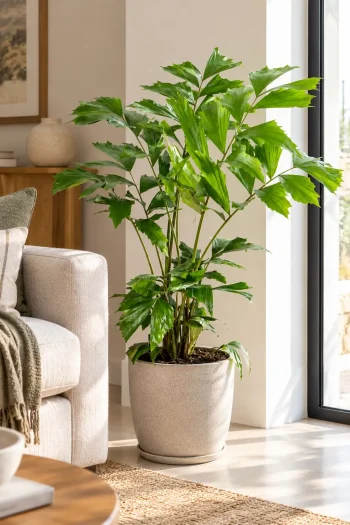
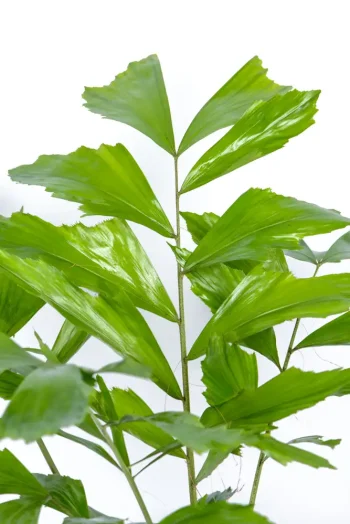
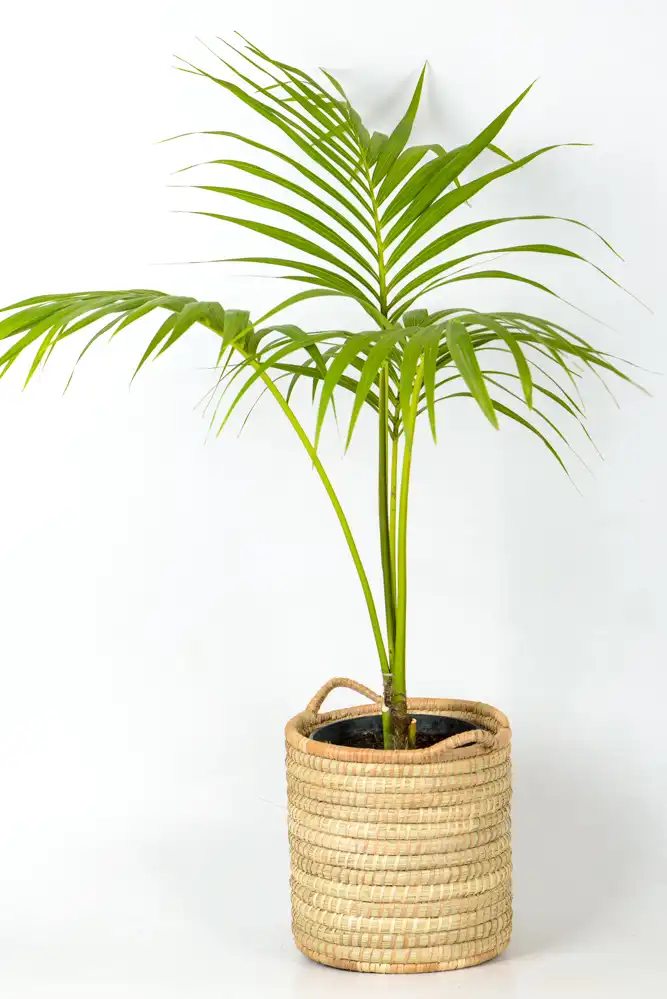
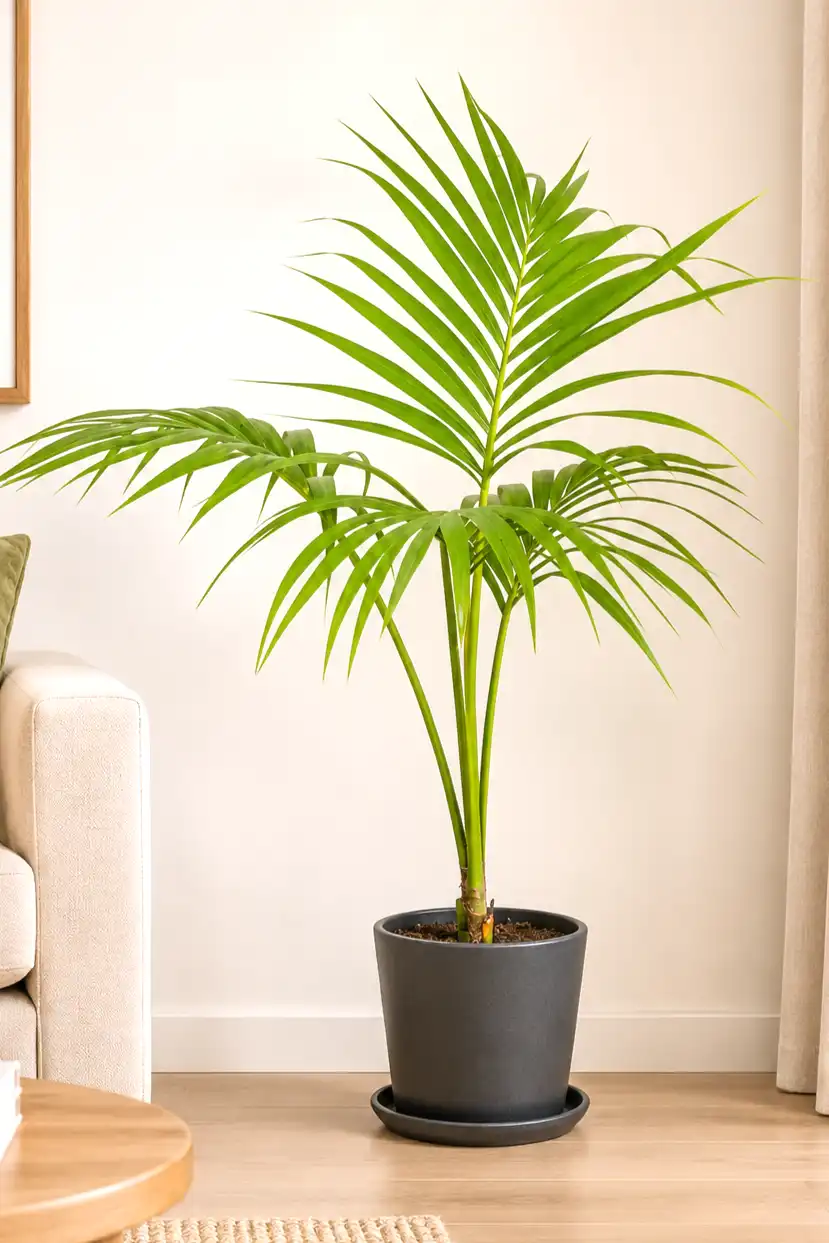
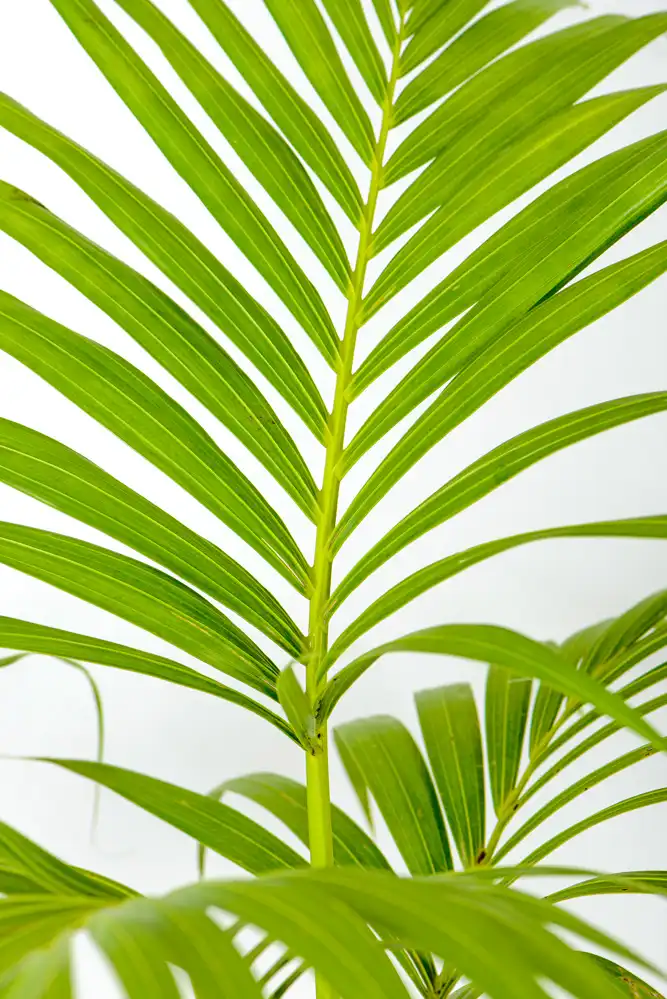
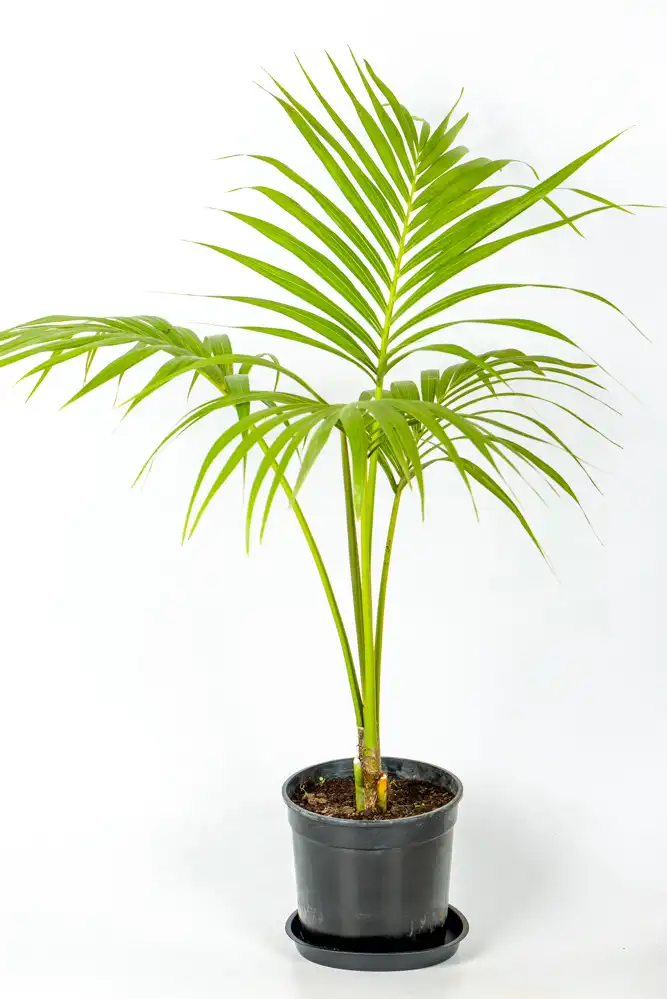
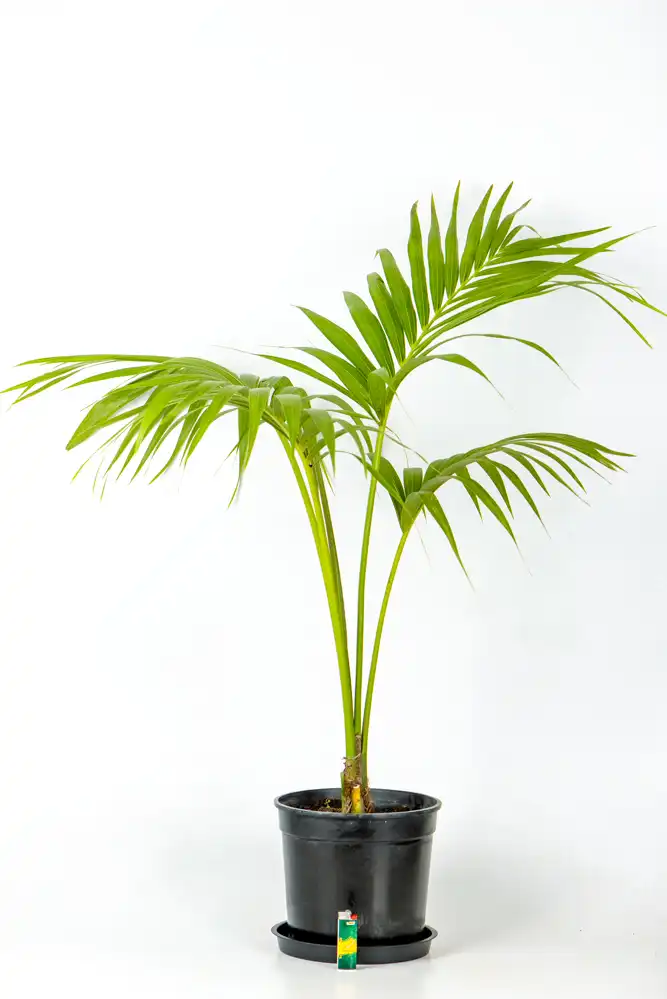
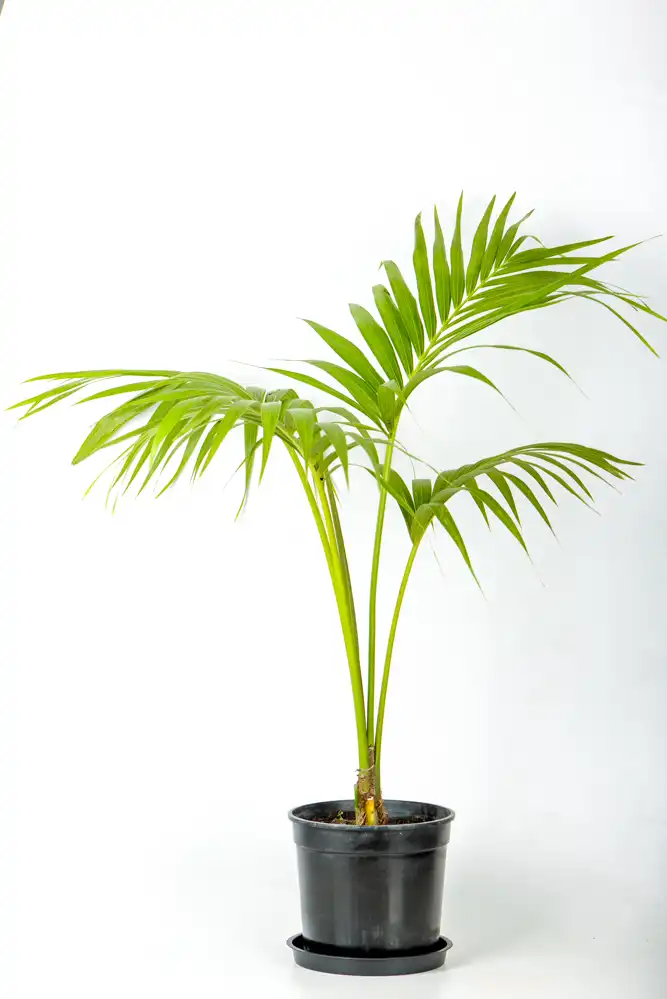
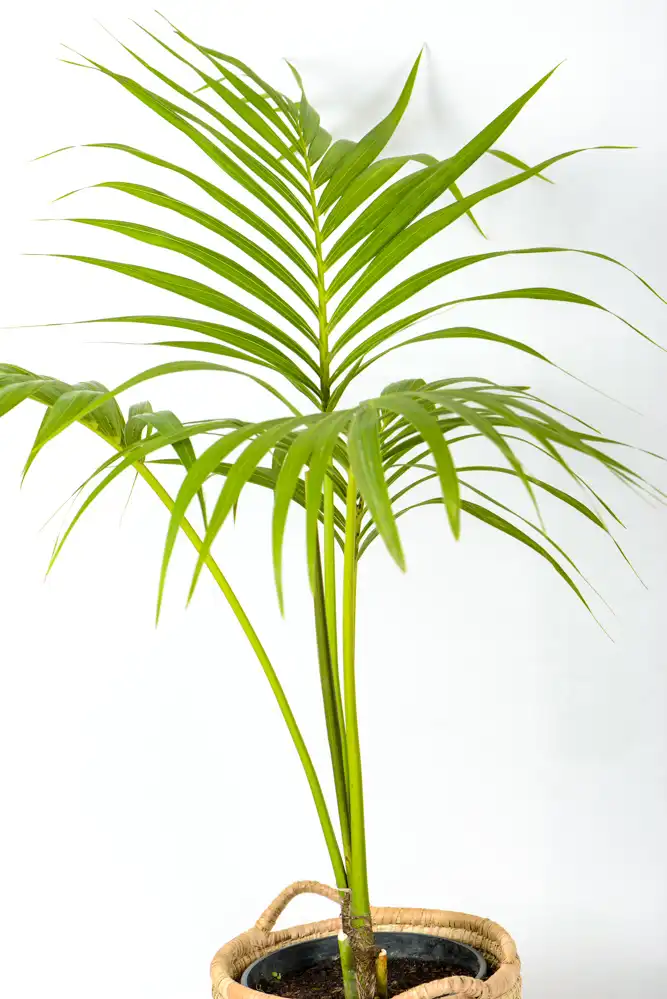
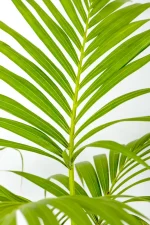
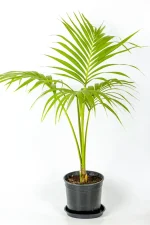
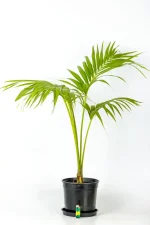
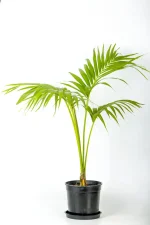
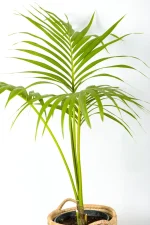
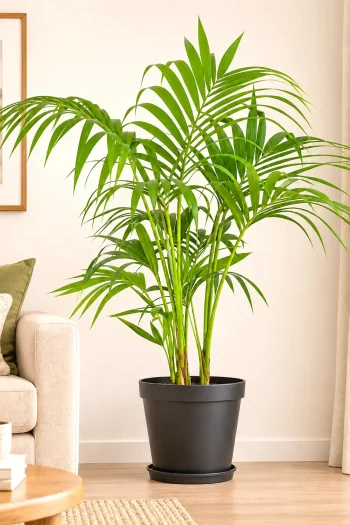
Its long, arching fronds carry rows of narrow, deep green leaflets that develop into a beautifully relaxed canopy. The foliage has a soft, flowing appearance, while the slender stems give the palm a naturally graceful shape.
At approximately 1m tall, these are already nicely established palms with enough size to stand on the floor or in a raised decorative planter.
Kentia Palms originate from Lord Howe Island, off the east coast of Australia, where they naturally grow into tall, single-trunked palms. Indoors, however, they grow considerably more slowly, making them particularly suitable for homes and offices.
One of the biggest advantages of Howea forsteriana is its ability to adapt to indoor growing conditions.
Although Kentias tolerate moderate light, they perform best with plenty of bright, indirect natural light. A position near a large window is ideal, particularly where the foliage receives good light throughout the day.
They’re also relatively straightforward when it comes to watering. Keep the growing medium consistently hydrated, allowing the upper portion to dry slightly between waterings. Avoid leaving the entire root ball bone dry for extended periods, but don’t keep the roots permanently saturated either.
Kentias are naturally slow growers, so don’t expect a new frond every few weeks. Instead, they’ll gradually produce fresh growth from the centre of each crown, with new fronds slowly opening and developing into their characteristic arching shape.
Regular feeding during active growth supports healthy foliage, while an occasional thorough hose-down removes accumulated dust and helps discourage spider mites.
With good natural light and consistent care, the Large Kentia Palm is a long-lasting indoor palm that maintains its attractive appearance without needing constant attention.
Large Kentia Palm Care Guide

Water – How often should I water my Large Kentia Palm?
Kentia Palms appreciate consistent moisture without sitting in waterlogged growing medium.
Water thoroughly when the upper few centimetres of the growing medium begin to dry, making sure the entire root ball receives water before allowing the excess to drain away.
Avoid leaving the palm completely dry for extended periods, particularly during warm weather.
During winter, the growing medium will generally take longer to dry, so check it before watering rather than following a fixed weekly schedule.

Light – Where should I place my Kentia Palm?
Give it plenty of bright, indirect natural light.
A position close to a large window is ideal, particularly where the palm receives good natural light throughout the day.
Kentia Palms can tolerate moderate light levels, but don’t mistake this for an ability to thrive in dark corners.
Gentle morning sunlight is generally suitable once the foliage has acclimatised. Avoid suddenly exposing nursery-grown fronds to harsh afternoon sunlight, which can cause scorching.

Humidity – Does a Kentia Palm need high humidity?
Kentias adapt well to normal household humidity, although they appreciate a little additional humidity during particularly hot, dry conditions.
Good airflow is also important.
One thing I strongly recommend is occasionally taking your palm outside for a thorough hose-down.
The long, narrow leaflets can collect quite a bit of dust, and washing the foliage helps keep it clean while discouraging spider mites.
Allow the excess water to drain before bringing the palm back indoors.
Soil – What growing medium should I use?
Kentia Palms prefer a growing medium that retains some moisture while allowing excess water to drain freely.
Our Milled Bark Growing Medium is a good base, provided the mixture retains sufficient moisture around the roots.
You can incorporate a little Perlite to improve drainage and airflow.
Avoid very dense growing media that become compacted and remain waterlogged.

Feeding – Should I fertilise my Kentia Palm?
Yes, although Kentias aren’t particularly heavy feeders.
Regular, moderate feeding during active growth helps support healthy green foliage and the gradual development of fresh fronds.
Controlled Release Fertiliser is an excellent option for providing consistent nutrition over time.
Alternatively, Novatec Soluble Fertiliser can support healthy growth when applied appropriately.
Avoid excessive fertiliser, as mineral salt accumulation can contribute to brown leaf tips.

Repotting – When should I repot my Large Kentia Palm?
Don’t rush to repot your Kentia Palm.
Kentias are naturally slow growers and generally prefer not to have their root systems disturbed unnecessarily.
Allow the roots to properly fill the current container before considering a larger pot.
When repotting becomes necessary, move up by one sensible pot size and keep the root ball as intact as possible.
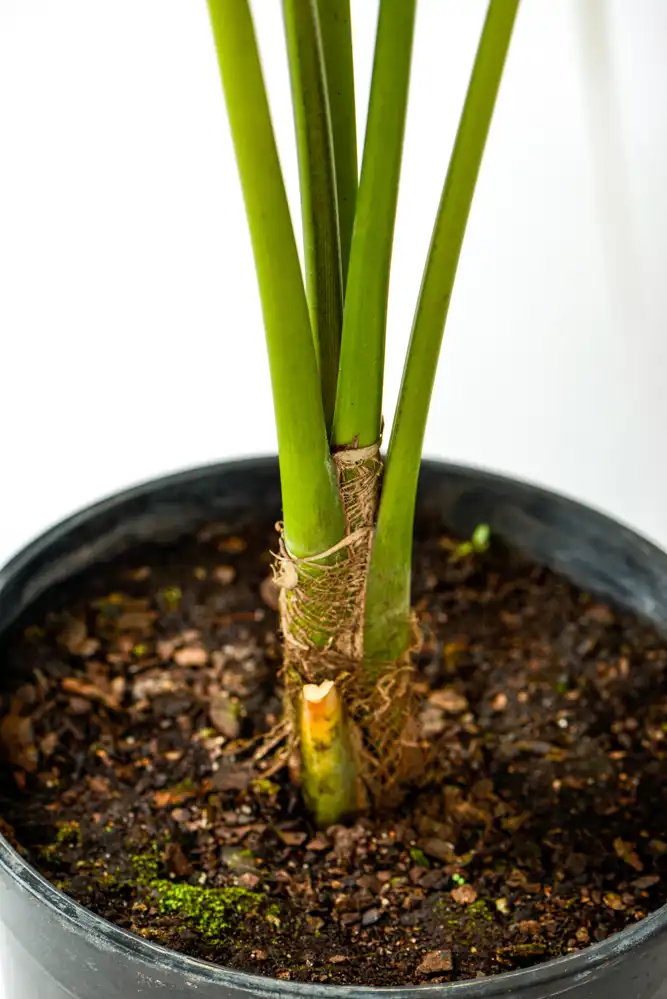
If your palm contains several individual plants growing together, leave them together rather than attempting to separate their established root systems.

Pests – What should I watch for?
Spider mites, scale and mealybugs are the main pests worth watching for.
Spider mites can be particularly troublesome on indoor palms, especially during hot, dry weather.
Check the undersides of the fronds regularly and pay attention to any fine webbing, pale speckling or unusual discolouration.
Occasionally washing the entire palm with water is an excellent way to remove dust and discourage spider mites.

Temperature – Where will it be comfortable?
Keep it in a room with steady, mild temperatures. Protect it from frost, cold draughts and the hot, dry air around heaters.
Frequently asked questions
Is there one palm in this pot?
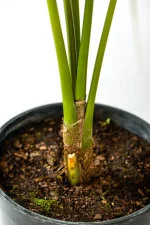
Yes. This listing contains one Kentia palm in a 23 cm pot.
Will it grow more stems from the base?
Each Kentia grows from one stem and a central growing point. Its new fronds open from that point.
Should I remove a frond with a few brown tips?
Leave the green parts of the frond in place. Remove an older frond at its base once it has fully browned.
Be sure to visit and follow us Facebook and Instagram