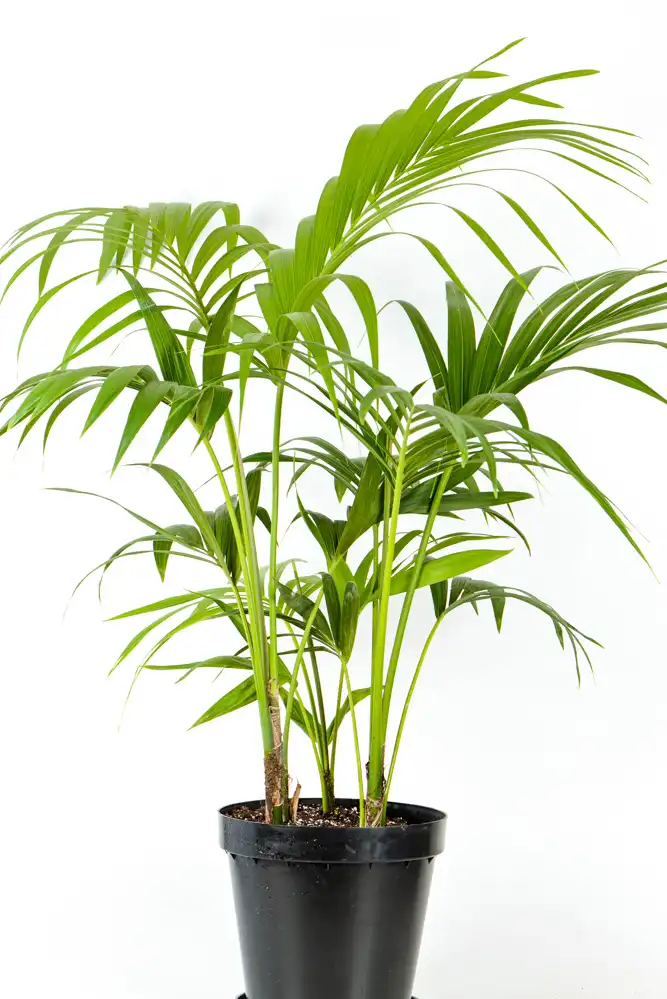
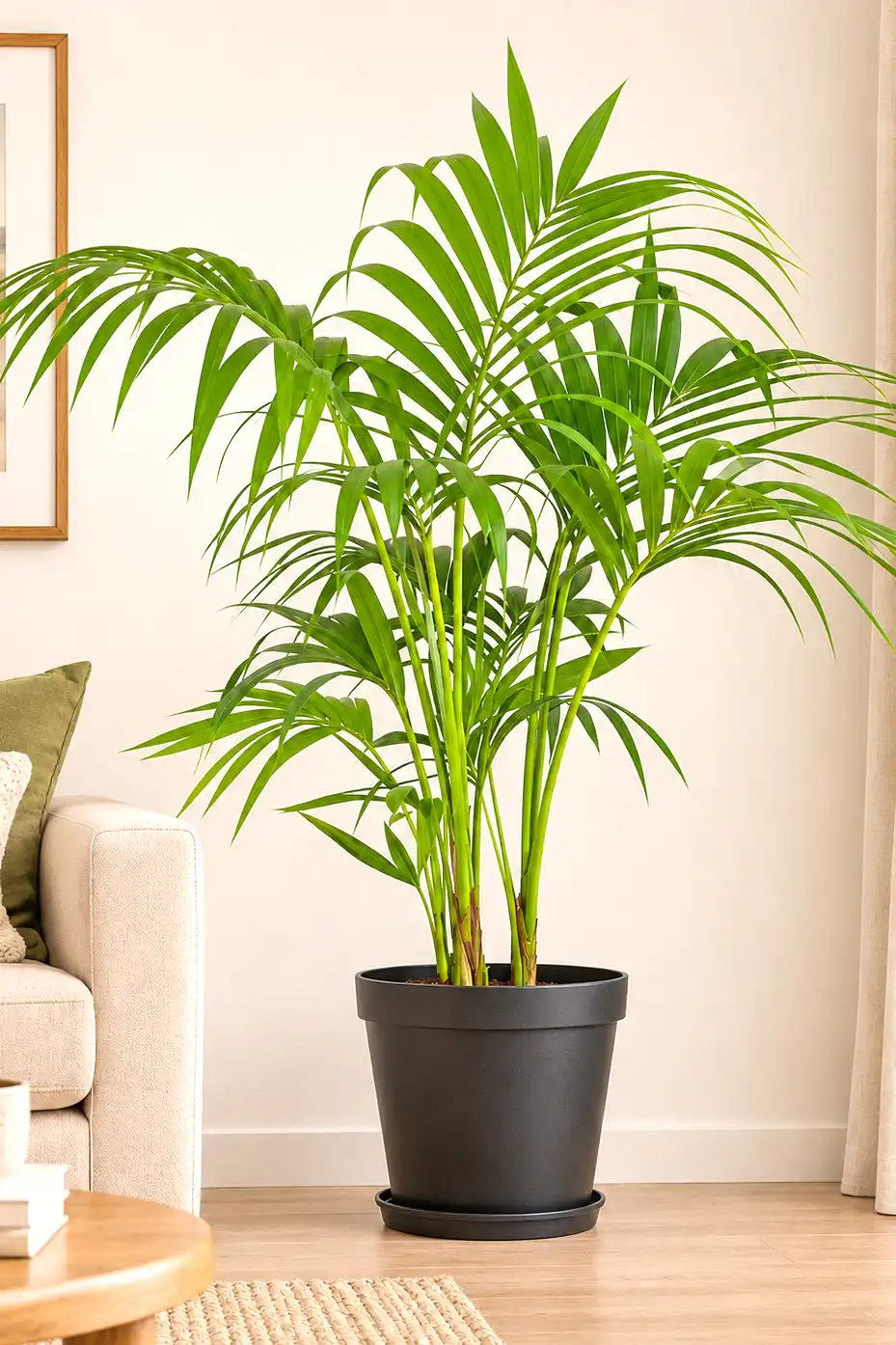
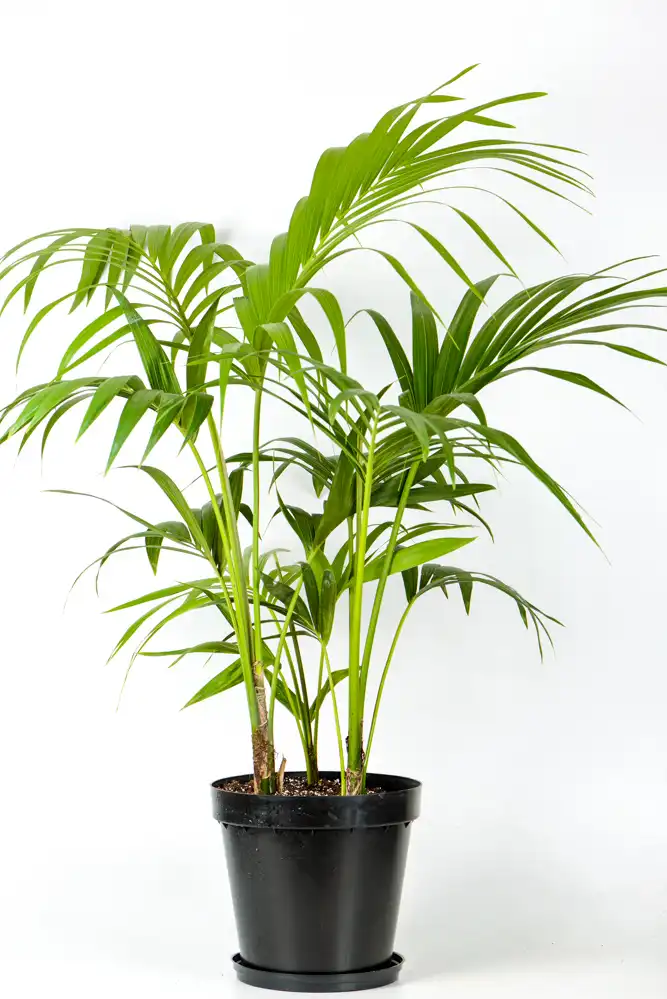
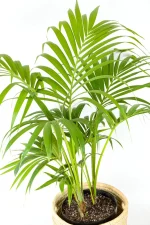
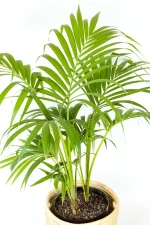

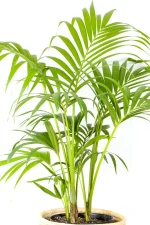
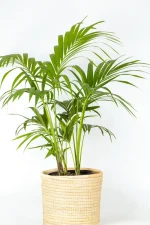
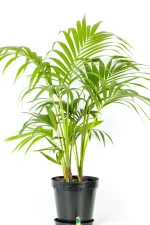
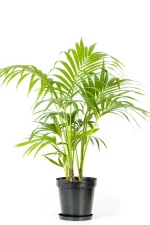
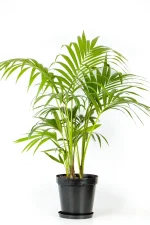
Commonly known as: XL Kentia Palm | Kentia Palm | Sentry Palm
Botanical name: Howea forsteriana
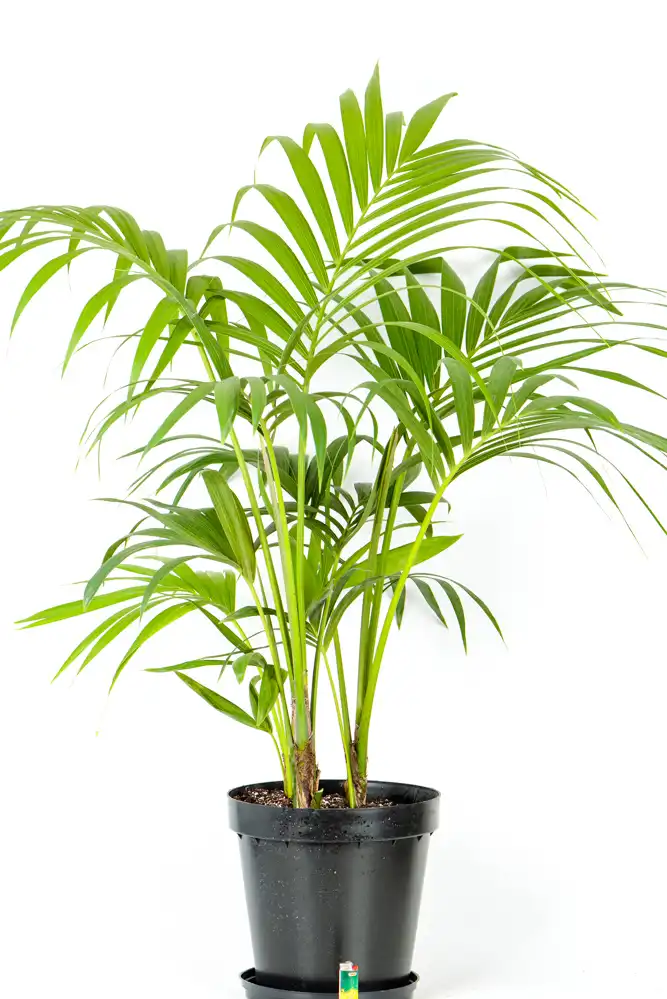
The XL Kentia Palm is one of those palms that has remained popular as an indoor plant for generations, and for good reason.
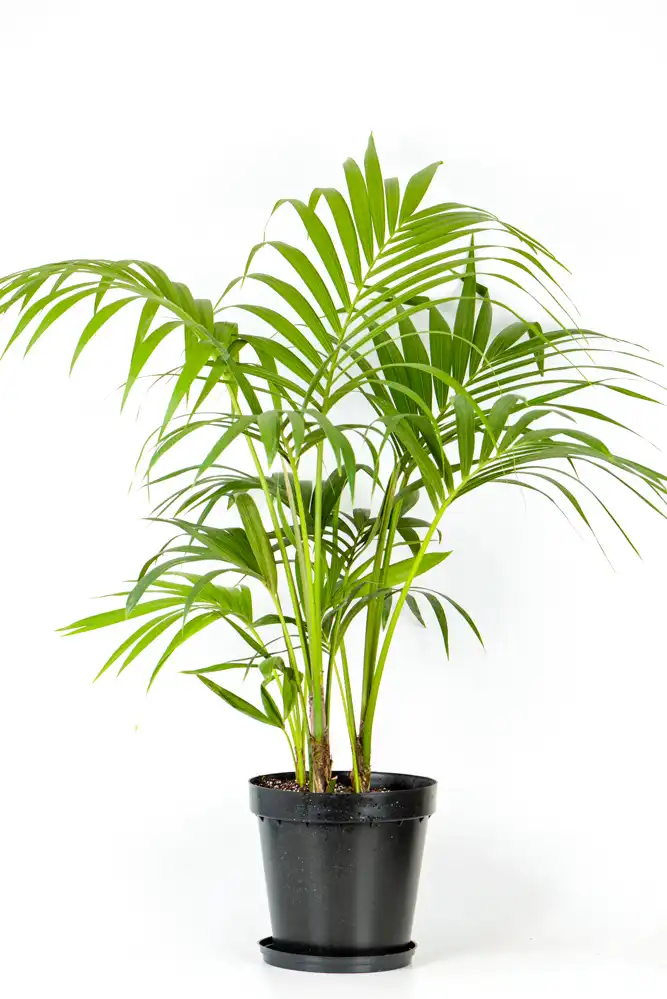
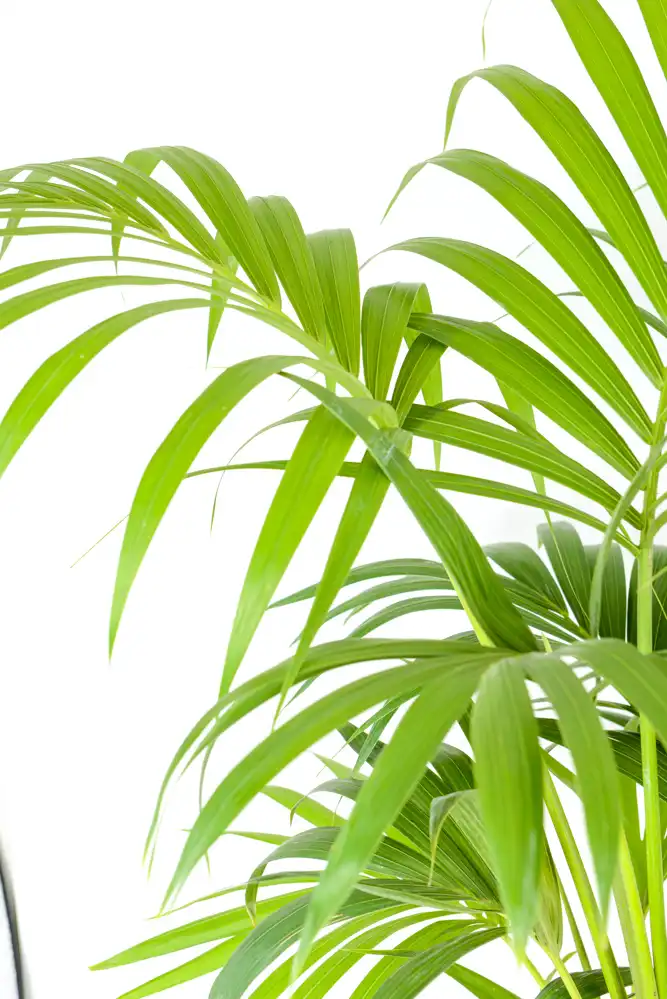
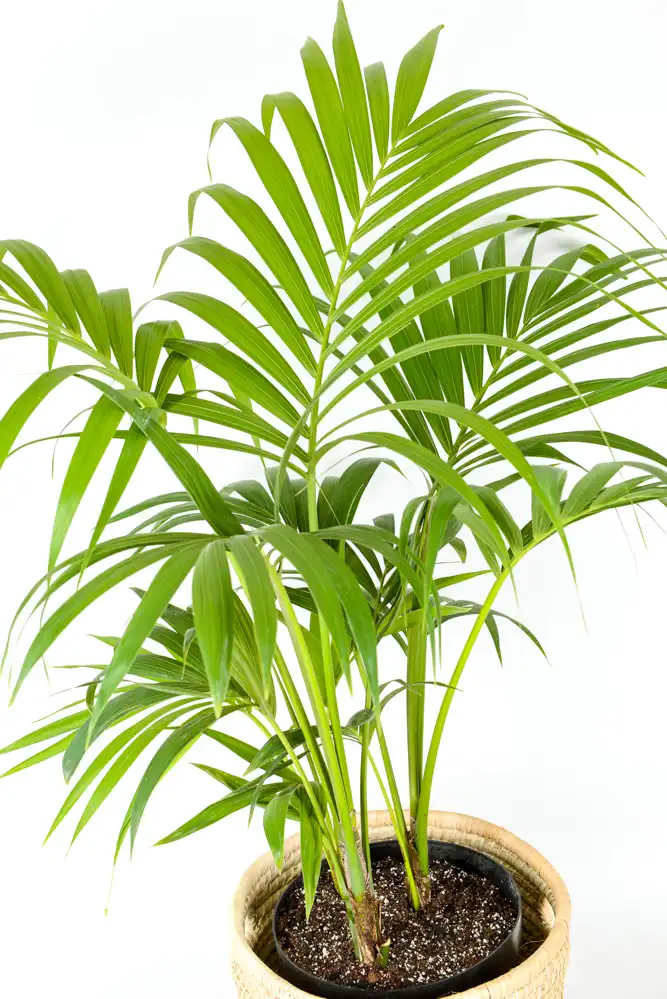
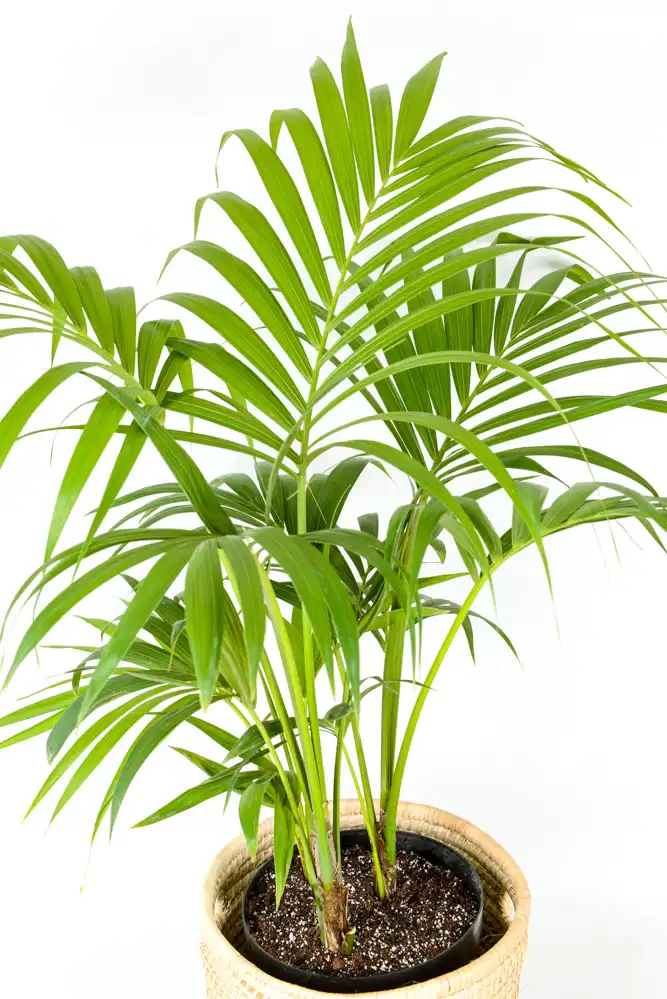
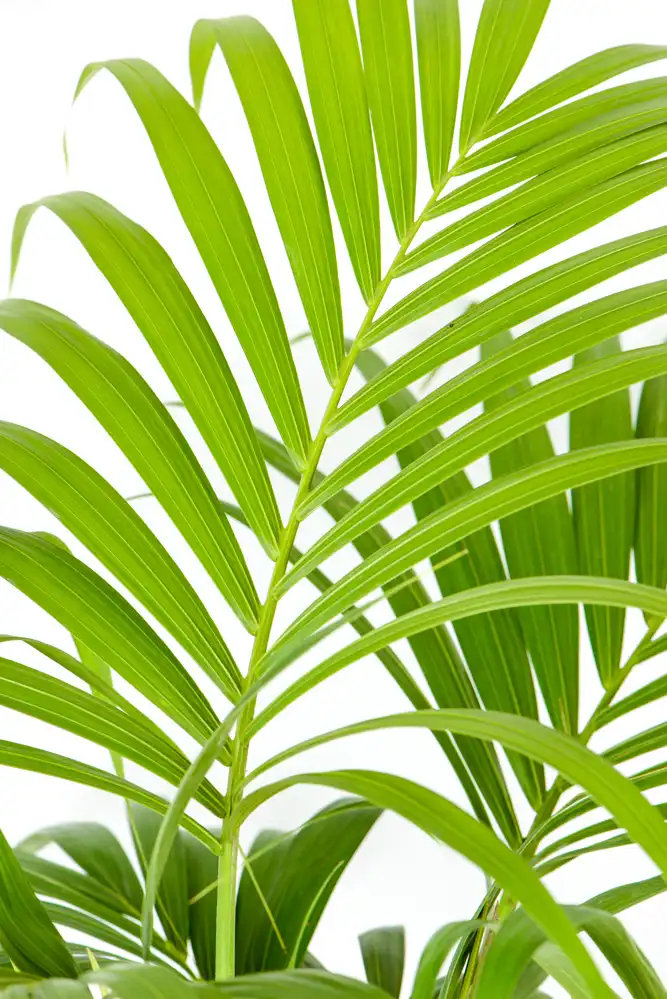
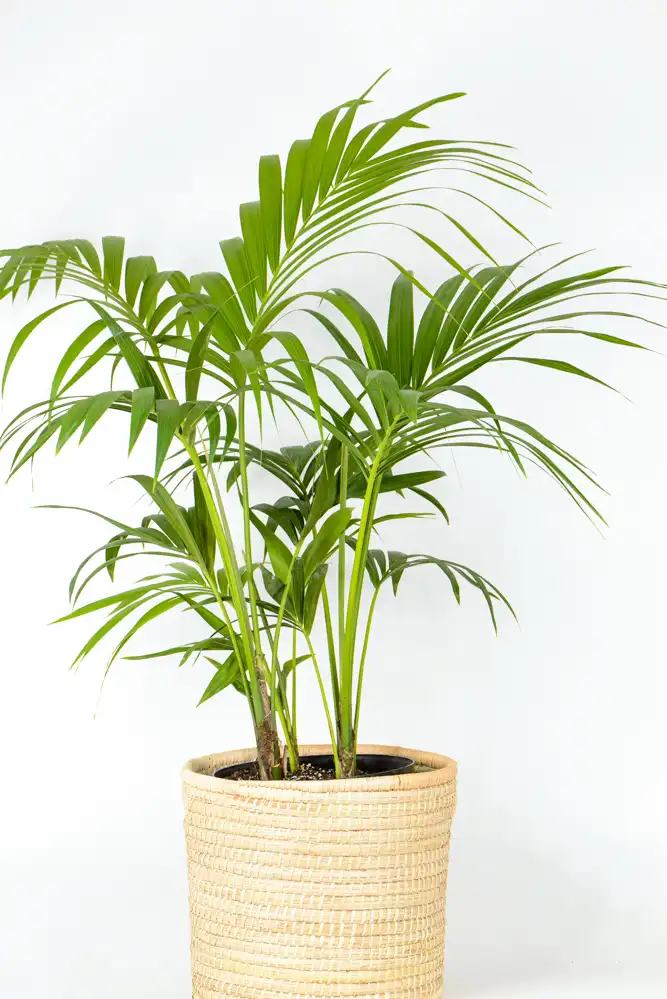
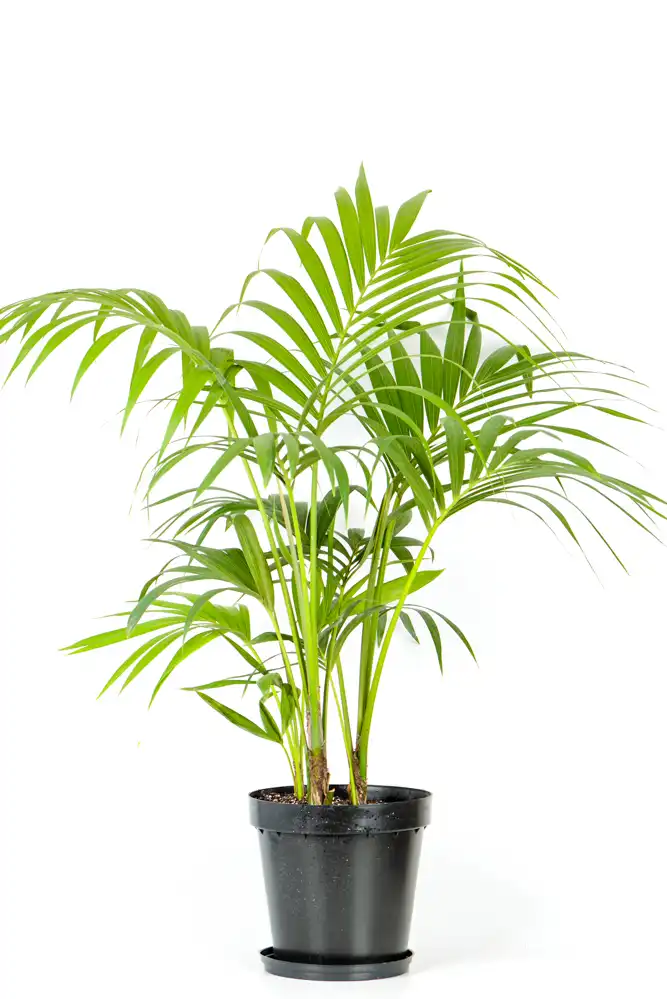
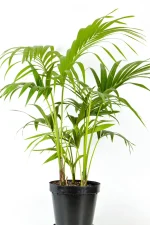
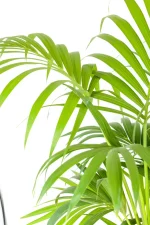
Its long, arching fronds and slender green stems give it a wonderfully relaxed appearance, while the deep green leaflets create an attractive canopy that gradually develops as the palm matures.
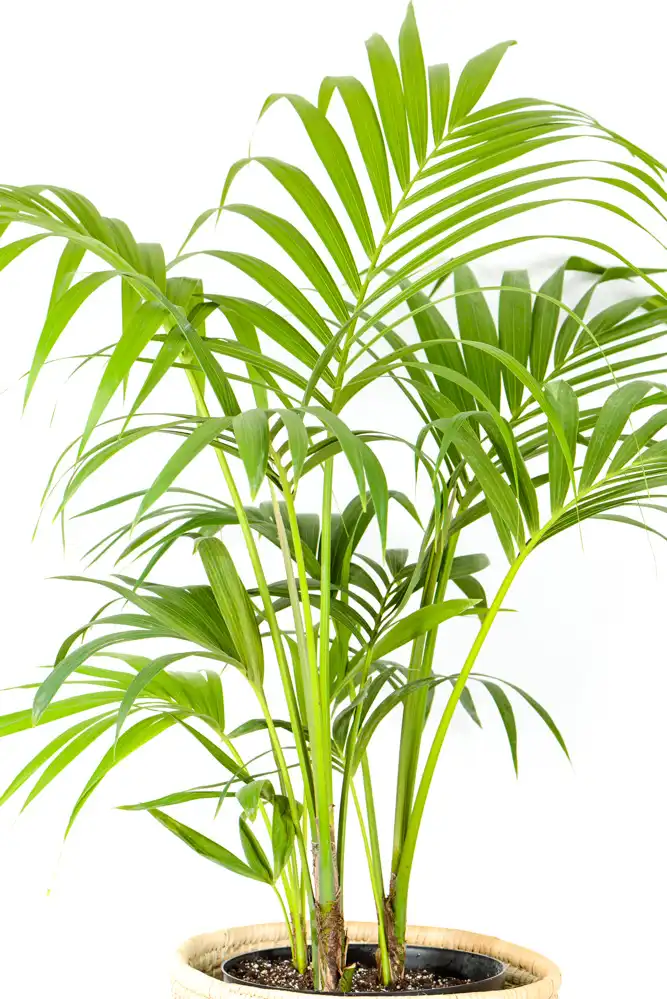
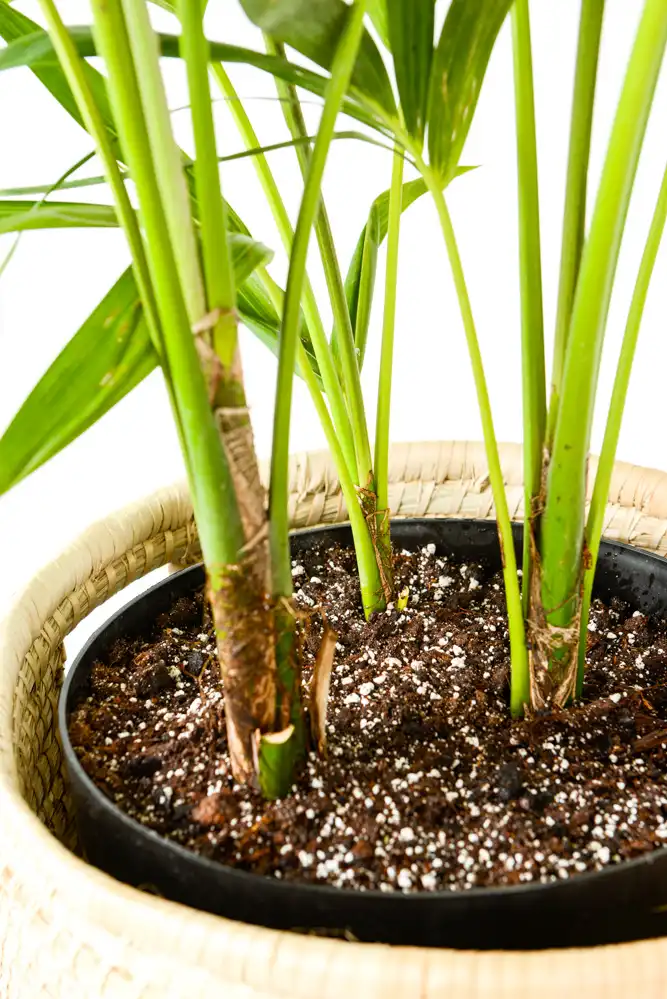
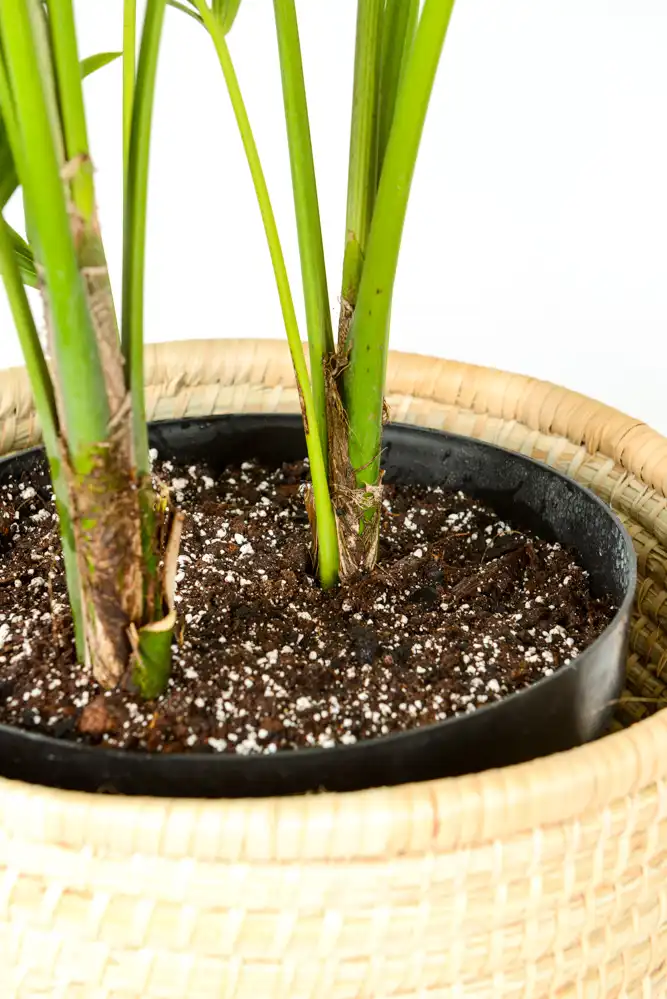
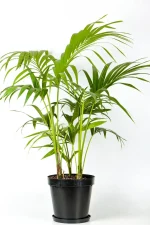
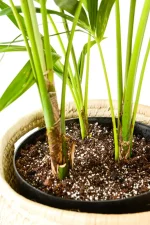
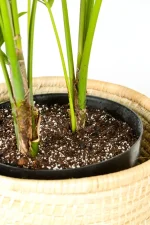
What makes these particular plants especially appealing is that each 30cm pot contains three individual Kentia Palms. Kentias naturally grow as single-stemmed palms, so planting several together creates a fuller appearance with multiple growing points and fronds developing at different heights.
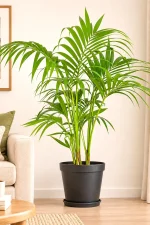
At approximately 1.3–1.4m tall, these are already substantial palms with enough height to stand directly on the floor. They’re particularly attractive alongside a large window, near a lounge suite or in a bright entrance hall.
Howea forsteriana originates from Lord Howe Island, off the east coast of Australia. In its natural habitat, it can eventually develop into a tall palm, although growth is considerably slower when kept indoors.
That slower growth is actually quite useful. A healthy Kentia maintains its attractive shape for years without constantly outgrowing its position.
Kentias are also known for adapting well to indoor environments. While they can tolerate moderate light levels, good natural light will always produce stronger, healthier growth. A position close to a large window is ideal, and gentle direct sunlight can be introduced gradually.
Water thoroughly when the upper portion of the growing medium begins to dry, but don’t leave the roots sitting in constantly wet conditions.
An occasional thorough hose-down is particularly beneficial. Kentias have numerous narrow leaflets that collect dust over time, and washing them helps keep the foliage clean while discouraging spider mites.
Regular feeding during active growth will support healthy fronds and encourage steady development.
With its established size, three-plant arrangement and beautiful arching foliage, the XL Kentia Palm is an excellent choice for anyone wanting a substantial indoor palm that’s relatively straightforward to maintain.
XL Kentia Palm Care Guide

Water – How often should I water my XL Kentia Palm?
Kentia Palms enjoy consistent moisture without sitting in waterlogged growing medium.
Water thoroughly once the upper few centimetres begin to dry, making sure the entire root ball receives water before allowing the excess to drain away.
With three established palms growing in the same 30cm pot, the combined root systems can use a fair amount of water during warmer weather. Check the growing medium regularly rather than following a fixed watering schedule.
Avoid allowing the entire root ball to remain bone dry for extended periods. During winter, watering will naturally become less frequent as growth slows.

Light – How much light does my Kentia Palm need?
Give it bright, indirect natural light for the healthiest growth.
A position near a large window is ideal, particularly where the palm receives good light throughout the day without harsh afternoon sun.
Kentia Palms can tolerate moderate light levels, but that doesn’t mean they should be placed in dark corners. Insufficient light will eventually slow growth and weaken the plant.
Gentle morning sun is usually fine once the foliage has acclimatised, but avoid suddenly exposing nursery-grown fronds to strong direct sunlight.

Humidity – Does a Kentia Palm need high humidity?
Kentias adapt well to normal household humidity, although they appreciate a little additional humidity during particularly hot, dry weather.
Good airflow is also important.
One thing I strongly recommend is occasionally taking your palm outside for a thorough hose-down, if practical. Those long, narrow leaflets can collect quite a bit of dust, and washing them helps keep the foliage clean while discouraging spider mites.
Allow excess water to drain before returning the palm indoors.
Soil – What growing medium should I use?
Kentia Palms prefer a growing medium that holds some moisture while still providing good drainage and airflow around the roots.
Our Milled Bark Growing Medium is a good base, provided the mixture retains sufficient moisture. You can incorporate some Perlite to improve drainage.
A moisture-retentive, well-draining indoor potting mixture also works well.
Avoid very dense growing media that become compacted and remain waterlogged.

Feeding – Should I fertilise my XL Kentia Palm?
Yes, although Kentias aren’t particularly heavy feeders.
Regular, moderate feeding during active growth helps support healthy green foliage and the gradual development of new fronds.
Controlled Release Fertiliser is an excellent option for providing consistent background nutrition.
Alternatively, Novatec Soluble Fertiliser can be used during active growth.
Avoid excessive fertiliser, as mineral salt accumulation can contribute to brown leaf tips.

Repotting – When should I repot my XL Kentia Palm?
Don’t rush to repot it.
Kentia Palms are naturally slow growers and generally prefer not to have their roots disturbed unnecessarily.
Allow the root systems to properly fill the existing 30cm container before considering a larger pot.
When repotting becomes necessary, move up by one sensible pot size and keep the root ball as intact as possible.
Because your XL Kentia contains three individual plants, I’d recommend keeping them together rather than trying to separate them. Separating established root systems can cause unnecessary damage and stress.

Pests – What should I watch for?
Spider mites, scale and mealybugs are the main pests worth watching for.
Check the undersides of the fronds regularly, especially during hot, dry weather.
Spider mites can be particularly troublesome on indoor palms, so don’t overlook the benefits of occasionally washing the entire plant with water.
Good airflow and regular inspections help catch problems before they become established.
Temperature – What temperatures does a Kentia Palm prefer?
Kentia Palms grow well in normal household temperatures, ideally around 18°C–27°C.
They can tolerate cooler conditions for short periods, but protect them from frost and prolonged exposure to very low temperatures.
During colder Gauteng winters, keep the palm away from chilly drafts and reduce watering as growth slow
Frequently asked questions
Q: Why are there three Kentia Palms in one pot?
Kentia Palms naturally develop a single stem rather than producing a clump of new stems from their base. Growing three individual palms together creates a fuller appearance, with several crowns producing fronds at different heights.
Q: Is the Kentia Palm a slow-growing plant?
Yes. Kentias are naturally slow growers, particularly indoors. That’s one reason established, larger specimens are valuable – they’ve taken considerable time to reach their current size.
Q: Why are the tips of my Kentia Palm turning brown?
Brown tips can result from inconsistent watering, very dry air or mineral salt accumulation in the growing medium. Check your watering habits first, then consider whether fertiliser build-up or very dry indoor conditions might be contributing.
Q: Can a Kentia Palm grow taller than 1.4m indoors?
Absolutely. With suitable growing conditions and enough room, Kentia Palms can eventually grow considerably taller. However, growth indoors is generally slow, so changes in height happen gradually.
Q: Will my Kentia Palm produce new stems from the base?
No. Each individual Kentia has a single growing point and doesn’t naturally produce basal shoots. Your plant already contains three separate palms, each of which will continue producing new fronds from its own crown.
Q: Is the Kentia Palm pet safe?
Yes. Howea forsteriana is generally regarded as non-toxic to cats and dogs.
Be sure to visit and follow us Facebook and Instagram