






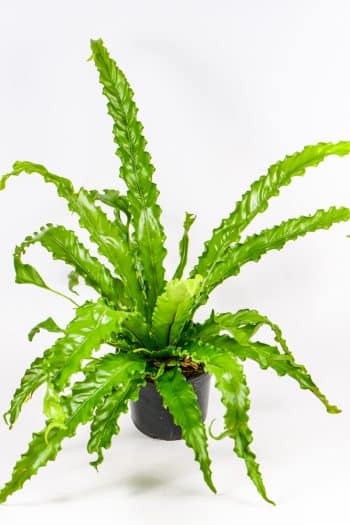
Commonly known as: Pineapple Dracaena | Compact Dracaena | Pineapple House plant
Botanical name:Dracaena fragrans ‘Compacta’
Pineapple Dracaena proves that you don’t need a large plant to make a room feel greener.
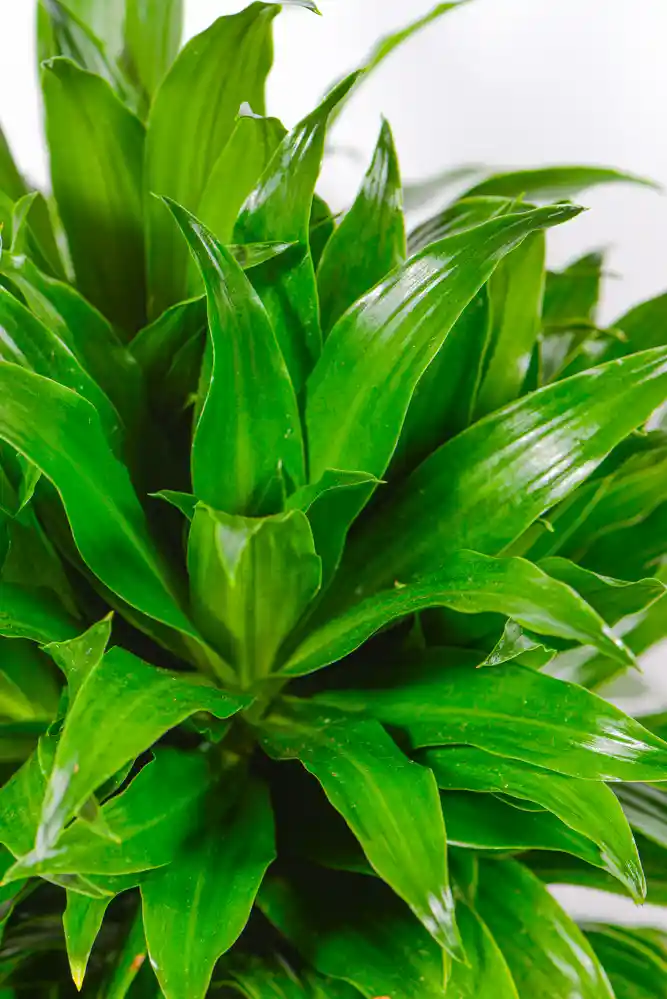
Its tightly packed rosettes of rich green leaves create a neat, sculptural shape that stays attractive throughout the year. The dense foliage gives the plant its common name, as it closely resembles the leafy crown of a pineapple growing from a short, sturdy stem.
Unlike many fast-growing houseplants, Pineapple Dracaena takes its time. Its naturally compact growth means it keeps its tidy appearance for years, making it an excellent choice for coffee tables, office desks, bookshelves and smaller apartments where space is limited.
Native to tropical Africa, Dracaenas grow beneath the forest canopy where they receive filtered sunlight and warm temperatures. This makes them wonderfully suited to life indoors, where they happily adapt to the light and temperatures found in most homes.
One of the reasons Pineapple Dracaena has become so popular is its forgiving nature. It copes well with the occasional missed watering and doesn’t demand constant attention, making it an excellent option for beginners or busy plant owners.
Its clean lines and rich green foliage also pair beautifully with almost any décor, from modern minimalist interiors to warm, natural living spaces.
If you’re looking for a compact indoor plant that’s easy to care for and always looks smart, Pineapple Dracaena is a fantastic choice.
Pineapple Dracaena Care Guide
Watering – How often should I water it?
Allow the top few centimetres of the growing medium to dry before watering thoroughly. Dracaenas prefer slightly drier conditions than many tropical plants and dislike constantly wet roots. Reduce watering during winter.
Light – Where should I place my Pineapple Dracaena?
Pineapple Dracaena grows best in bright, indirect light but is very adaptable. It also performs well in medium light, making it suitable for many rooms around the home or office. Avoid prolonged direct afternoon sun, which can scorch the leaves.
Humidity – Does it need high humidity?
Normal household humidity is perfectly adequate. While it appreciates slightly higher humidity, Pineapple Dracaena grows happily in most indoor environments.
Soil – What growing medium should I use?
A free-draining growing medium helps keep the roots healthy. I recommend Milled Bark Growing Medium, which provides excellent airflow while retaining enough moisture for healthy growth. You can also incorporate Perlite if you’d like additional drainage.
Feeding – How should I fertilise it?
Feed every 4–6 weeks during spring and summer using Grobest Organic Fertiliser. If you’d like to encourage slightly faster growth, Novatec Soluble Fertiliser can also be used during the growing season.
Repotting – When should I repot?
Repot every 2–3 years or once the roots become crowded. Refresh with Milled Bark Growing Medium and incorporate TerraPlus Natura N together with Controlled Release Fertiliser.
Pests – What should I look out for?
Pineapple Dracaena is generally trouble-free but may occasionally attract mealybugs, scale insects or spider mites. Inspect the leaves regularly and maintain good airflow around the plant.
Temperature – What’s the ideal temperature?
Pineapple Dracaena grows best between 18°C and 28°C. Avoid temperatures below 12°C and keep it away from cold drafts during winter.
FAQ’s
Q: Is Pineapple Dracaena easy to care for?
Yes. It’s one of the easiest indoor plants to grow and is very forgiving if you occasionally miss a watering.
Q: Why is it called a Pineapple Dracaena?
Its dense rosette of leaves resembles the leafy crown found on top of a pineapple, giving the plant its popular common name.
Q: Can it grow in an office?
Absolutely. Pineapple Dracaena performs exceptionally well in offices thanks to its compact size, tolerance of indoor conditions and low maintenance requirements.
Q: How quickly does it grow?
It grows slowly, which is one of its biggest advantages. It keeps its neat, compact shape for many years without becoming too large.
Q: Is Pineapple Dracaena pet safe?
No. Like other Dracaena varieties, it is considered toxic to cats and dogs if ingested, so it’s best placed out of their reach.
Be sure to visit and follow us Facebook and Instagram