






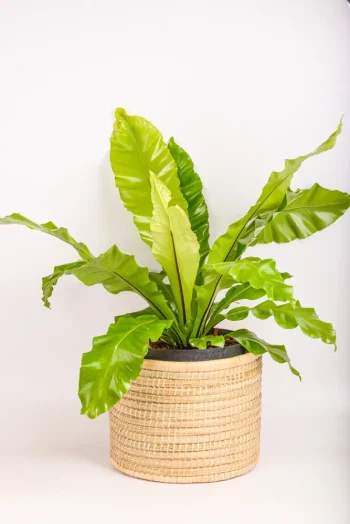
Commonly known as: Snake Plant Rosette | Bird’s Nest Snake Plant
Botanical name: Dracaena trifasciata (Rosette form)
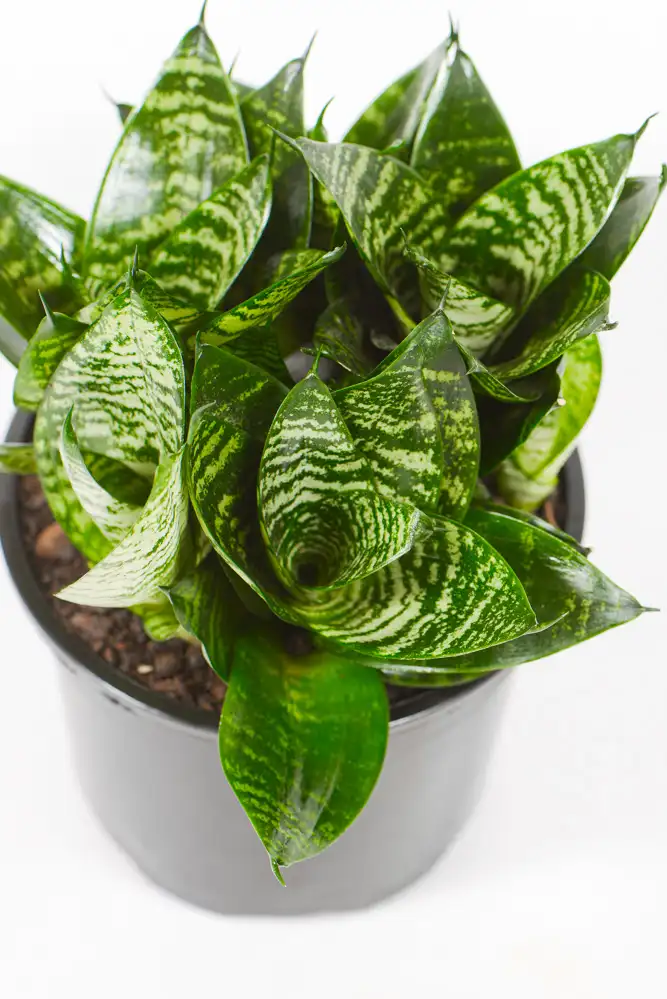
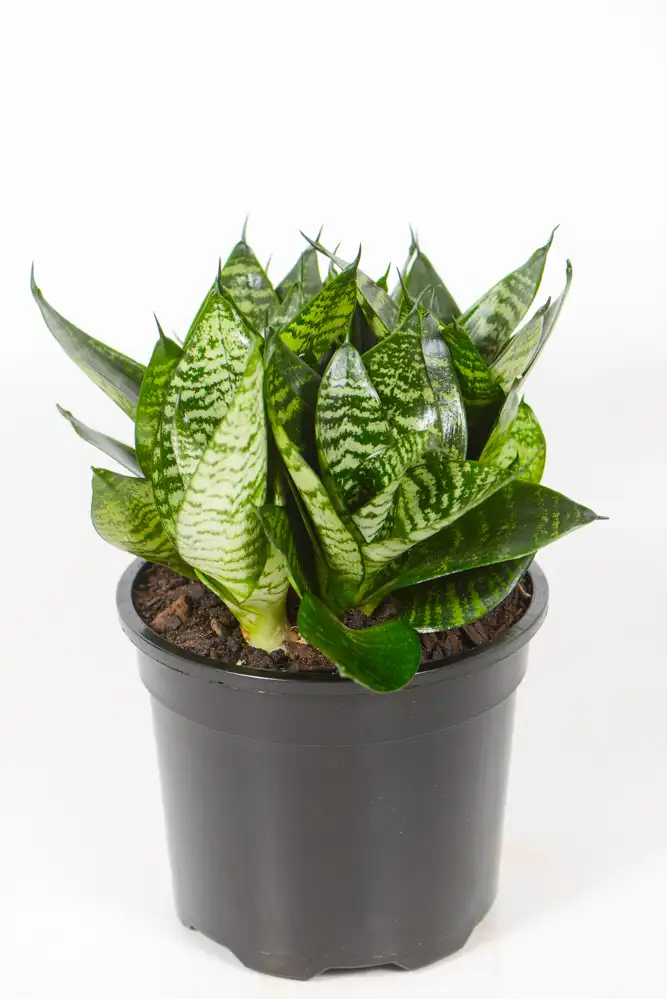
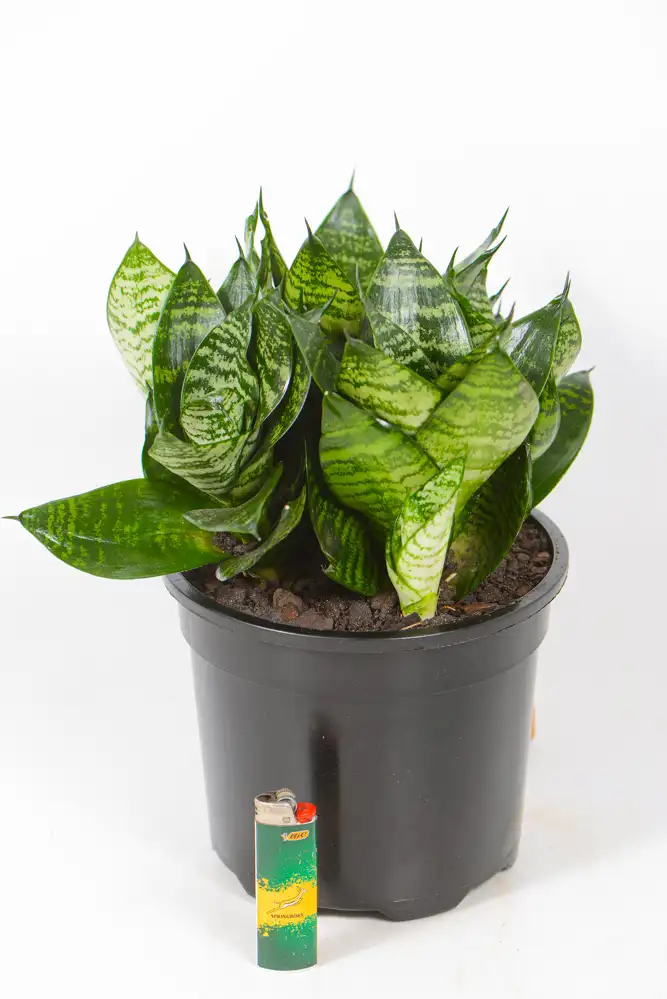
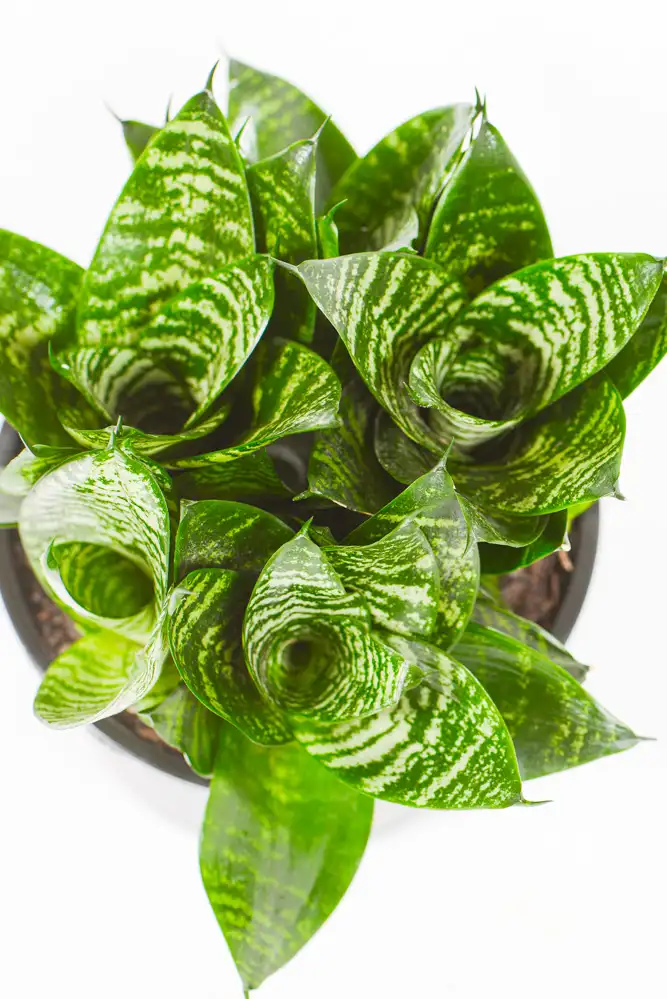
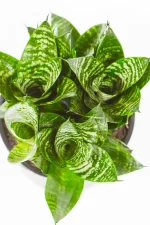
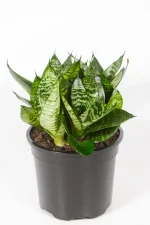
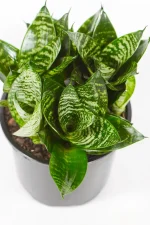
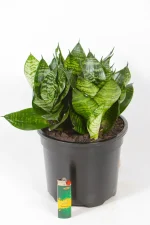
Snake Plant Rosette offers structure without height. Instead of growing tall like traditional snake plants, this form develops in tight, layered clusters. The broad green leaves curve gently outward from the centre, creating a neat, symmetrical shape.
In a 15cm pot with multiple plants per pot, it already appears full and balanced. The clustered growth habit makes it suitable for desks, shelves, bedside tables or smaller rooms where you want texture without vertical dominance.
This plant handles indoor conditions well. It tolerates a wide range of light levels and does not require frequent watering. Because it stores moisture in its thick leaves, it copes well with occasional neglect. With steady light and controlled watering, it maintains firm foliage and gradually produces new offsets from the base, which increases fullness over time.
Snake Plant Rosette Care Guide
Watering – How often should it be watered?
Allow the soil to dry out completely before watering again. In most homes, this means watering every 2–3 weeks, depending on light and temperature. Always check the soil rather than watering on a fixed schedule. Overwatering is the main cause of problems with snake plants.
Light – What light does Snake Plant Rosette need?
It performs well in bright, indirect light but also tolerates medium to low light. Brighter light encourages slightly stronger growth, although it does not require intense light to survive. Avoid harsh direct afternoon sun.
Humidity – Does it need extra humidity?
No. Normal indoor humidity is sufficient. It handles dry air easily and does not require misting.
Soil – What soil works best?
Use a well-draining, structured mix. Indoor Potting Soil works well as a base. Improve drainage by incorporating Perlite and Bark Chips. A lighter, more open mix helps prevent excess moisture around the roots.
Feeding – How should it be fertilised?
Feed lightly during spring and summer with Grobest Organic Fertiliser every 6–8 weeks. If slightly stronger growth is desired, Novatec Soluble Fertiliser can be used occasionally at reduced strength. Avoid heavy feeding.
Repotting – When should it be repotted?
Repot every 2–3 years or once the pot becomes crowded with offsets. Move up one size only. When repotting, incorporate TerraPlus Natura N and Controlled Release Fertiliser into fresh mix.
Pests – What pests should I watch for?
Snake plants are generally pest-resistant. Occasionally check near the base for mealybugs. Treat early if needed.
Temperature – What temperature suits it best?
It grows well between 18°C and 30°C. Avoid temperatures below 10°C and protect from cold drafts.
FAQ’s
Q: How is this different from tall snake plants?
This variety forms compact rosettes instead of tall upright leaves.
Q: Why are there multiple plants in one pot?
Multiple offsets create a fuller, denser appearance and improve overall structure.
Q: Can it grow in low light?
Yes. It tolerates low light well, although growth may slow.
Q: Is it pet-safe?
No. Snake plants are toxic if ingested.
Be sure to visit and follow us Facebook and Instagram