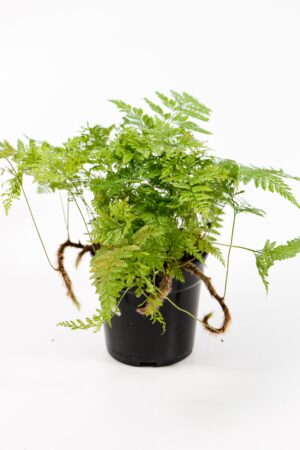







Commonly known as: Large Peace Lily
Botanical name: Spathiphyllum wallisii
The Peace Lily remains one of the most reliable indoor flowering plants because it combines strong foliage with consistent blooms. The deep green leaves create a dense base, while the white spathes rise cleanly above the canopy. As a result, the plant looks balanced even when it is between flowering cycles.
These large specimens grow in black 19cm pots and stand approximately 60–70cm tall. Because of their established size, they already offer noticeable presence without overwhelming a room. The upright growth habit keeps the plant structured, and therefore it works well as a floor plant or on a low stand.
Peace Lilies respond best to stable indoor conditions. For this reason, consistent light and regular watering help maintain leaf health and encourage repeat flowering. Over time, the plant continues to build density and may produce additional crowns, which further enhances its fullness.
Large Peace Lily Care Guide
Watering – How often should it be watered?
Water when the top 3–5cm of soil has dried out. Peace Lilies prefer evenly moist soil; however, they react poorly to waterlogged conditions. Therefore, always allow excess water to drain freely.
Light – What light does a Large Peace Lily need?
Bright, indirect light works best because it supports steady flowering and strong leaf colour. However, Peace Lilies tolerate medium light well. In lower light, flowering may reduce, and therefore brighter placement improves performance.
Humidity – Does it need extra humidity?
Moderate to higher indoor humidity suits this plant well. While it tolerates average household conditions, increased humidity helps prevent leaf edge browning. As a result, foliage remains smoother and healthier.
Soil – What soil works best?
Use a breathable, moisture-retentive mix. Aroid Mix works well because it maintains airflow while holding enough moisture. Alternatively, use Indoor Potting Soil as a base and improve drainage with Perlite and Bark Chips.
Feeding – How should it be fertilised?
Feed during spring and summer with Grobest Organic Fertiliser every 4–6 weeks. If stronger growth or flowering is desired, Novatec Soluble Fertiliser can be used occasionally at a reduced strength. As a result, bloom production often improves.
Repotting – When should it be repotted?
Repot every 18–24 months, or once roots begin to crowd the pot. Move up one pot size only. At repotting time, incorporate TerraPlus Natura N and Controlled Release Fertiliser into the fresh mix to support long-term nutrition.
Pests – What pests should I watch for?
Inspect leaves regularly for spider mites and aphids. Because early detection matters, routine checks help prevent larger infestations. If needed, treat promptly with an insecticidal spray. Keep an eye out for fungus gnats expecially in the warmer months.
Temperature – What temperature suits it best?
Peace Lilies grow best between 18°C and 27°C. However, temperatures below 12°C can cause stress. Therefore, avoid cold drafts and sudden temperature drops.
FAQ’s
Q: Why does my Peace Lily droop sometimes?
Peace Lilies visibly droop when they need water. However, they usually recover quickly after watering. Therefore, consistent moisture helps prevent dramatic wilting.
Q: Will it flower indoors?
Yes. As long as it receives adequate light and feeding, it produces white blooms indoors.
Q: Can it handle office conditions?
Yes. Because it tolerates medium light and stable indoor temperatures, it adapts well to offices.
Q: Is Peace Lily pet-safe?
No. Peace Lilies are toxic if ingested, and therefore they should be kept out of reach of pets.
Be sure to visit and follow us Facebook and Instagram