




















Calathea Musaica

R180.00

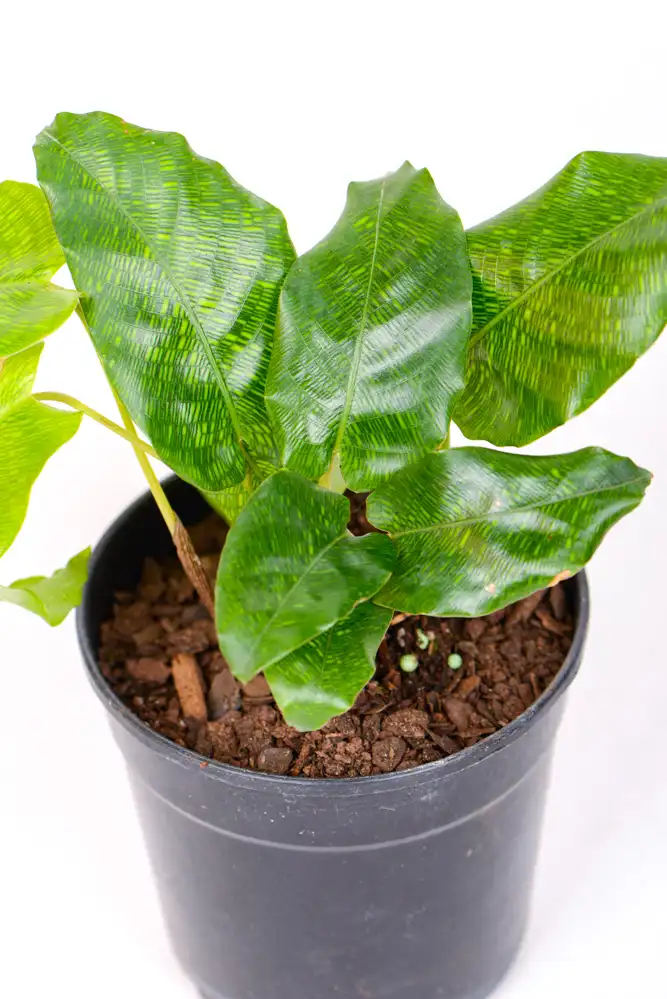
Calathea Musaica is easy to recognise by the fine network of lines covering every leaf. Unlike many Calatheas with strong blocks of colour, Musaica is almost entirely green, with its pattern only becoming more obvious as you get closer. Supplied in a 12cm pot, it prefers bright indirect light, consistent moisture and a warm position with good humidity.

Only 1 left in stock
Add to Cart
Network patters on a calathea musaica
Calathea Musaica
R180.00
Only 1 items left in stock!
Network patters on a calathea musaica
Calathea Musaica
R180.00
Questions? Send it to us!
Name

Botanical name: Calathea Musaica

Commonly known as: Network Calathea

Calathea Musaica is quite different from the Calatheas most people are familiar with. Instead of purple undersides and large areas of contrasting colour, its leaves are covered in hundreds of fine green lines that form an intricate network across the entire leaf.

It’s this pattern that gives the plant its common names, Network Plant and Mosaic Plant. New leaves emerge tightly rolled from the base and gradually open to reveal the pattern, while an established plant continues filling out as new growth develops from below the growing medium.

Like other members of the prayer plant family, Musaica also moves its leaves in response to changes in light throughout the day. You may notice the foliage sitting at a different angle in the evening compared with the middle of the day. This movement is completely normal.

Musaica enjoys plenty of good natural light, although direct midday and afternoon sun should be avoided. Better light encourages stronger growth and helps maintain the detailed pattern across the foliage.

Watering needs a little more attention. The growing medium should remain lightly and evenly moist without becoming waterlogged. Calatheas have fine root systems and don’t enjoy going through repeated cycles of becoming completely dry and then soaking wet.

Water quality can also make a difference to the leaves. If your tap water contains high levels of dissolved minerals, you may eventually notice brown tips or edges. Rainwater or filtered water is worth trying if this becomes a recurring problem.

Given consistent moisture, warmth, good light and regular feeding during the growing season, Calathea Musaica will steadily produce new leaves and form a full pot of patterned foliage.

Calathea Musaica Care Guide

Water logo

Watering – How often should I water it?

Keep the growing medium lightly and evenly moist. Water once the surface starts to dry rather than waiting for the entire pot to become dry. Water thoroughly and always allow excess water to drain away.

Light logo

Light – Where should I place my Calathea Musaica?

Bright, indirect light is best. Musaica will tolerate medium light, but growth will be slower. Gentle morning light is usually fine, while strong midday and afternoon sun can damage the leaves.

Humidity logo

Humidity – How much humidity does it need?

Musaica prefers higher humidity than the average indoor plant. Bathrooms with good natural light, kitchens and areas containing several plants generally work well. Good airflow is still important, so avoid permanently closed, damp conditions.

Soil Logo

Soil – What growing medium should I use?

The roots need a growing medium that holds consistent moisture while still allowing air through the root zone. Milled Bark Growing Medium works well, particularly when combined with some Perlite to maintain drainage and airflow.

Fertilizing logo

Feeding – How should I fertilise it?

Feed regularly during spring and summer while new leaves are developing. Grobest Organic Fertiliser works well for regular feeding. You can also add Controlled Release Fertiliser to provide a steady supply of nutrients over several months.

Repotting logi

Repotting – When should I repot?

Don’t be too quick to move Musaica into a larger pot. Repot once the roots have filled the existing container, preferably during spring or early summer when the plant is actively growing. Move up by only one pot size.

Pest image

Pests – What should I look out for?

Spider mites are the main pest to watch for on Calatheas, particularly during hot, dry weather. Check the undersides of the leaves regularly. Thrips and mealybugs can also occasionally appear.

Temerature image

Temperature – What temperatures does it prefer?

Keep Calathea Musaica in a warm position, ideally around 18°C–28°C. Protect it from cold drafts and sudden temperature changes, particularly during winter.

FAQ’s

Q: Is Calathea Musaica difficult to grow?
It needs more consistent watering and humidity than plants such as Snake Plants or ZZ Plants, but it’s quite manageable once you find a position where it’s happy. Consistency is more important than constantly changing its care.

Q: Why is it called the Network Plant?
Look closely at the leaves and you’ll see hundreds of fine lines crossing one another. Together they form the network-like pattern that gives Musaica its common name.

Q: Why are the edges of my Calathea Musaica turning brown?
Dry air, inconsistent watering and mineral-heavy tap water are common causes. Check that the growing medium isn’t drying completely and consider changing your water source if the problem continues.

Q: Should I mist my Calathea Musaica?
You can mist occasionally, but misting only raises humidity for a short period. Keeping several plants together or growing it in a naturally more humid area is generally more useful.

Q: Does Calathea Musaica move its leaves?
Yes. It’s part of the prayer plant family, and the leaves naturally change position between day and night in response to light.

Q: Can Calathea Musaica grow in low light?
It can tolerate medium light, but don’t put it in a dark corner. Good indirect natural light will give you much better growth.

Q: Is Calathea Musaica pet safe?
Yes. Calatheas are generally considered non-toxic to cats and dogs, making Musaica a good option for homes with pets.

Be sure to visit and follow us Facebook and Instagram