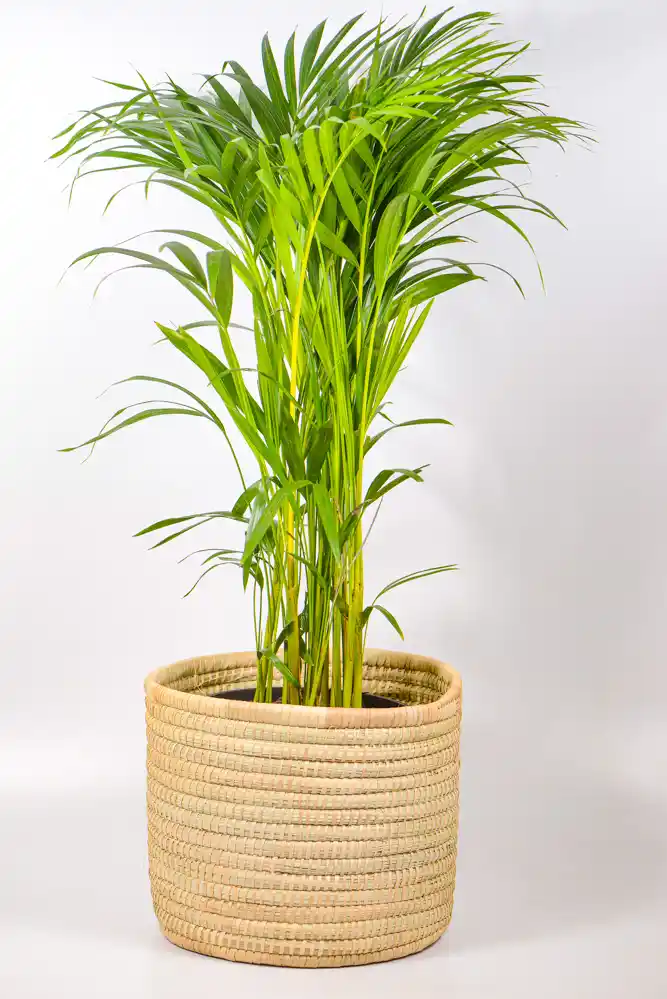
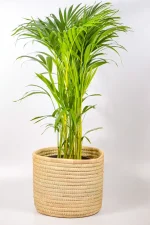
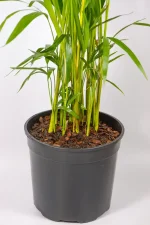
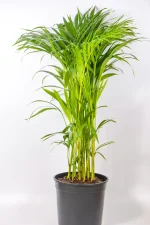

Commonly known as: Large Bamboo Palm / Reed Palm
Botanical name: Dypsis Lutescens
The Large Bamboo Palm is one of those plants I recommend again and again because it’s easy to grow, grows quickly under good conditions and gives you a substantial amount of foliage without being difficult to manage.
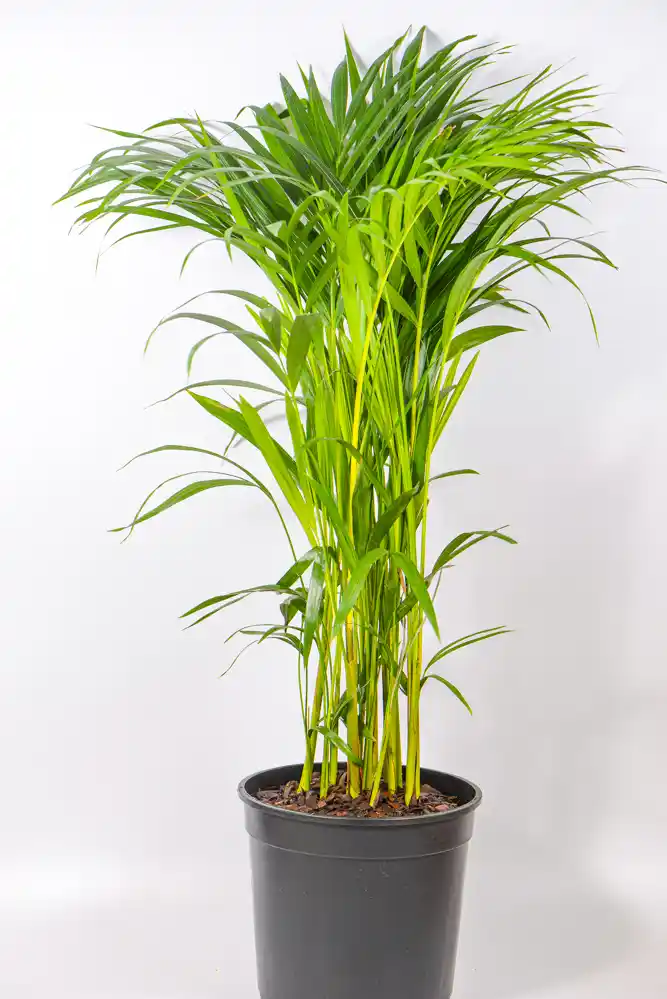
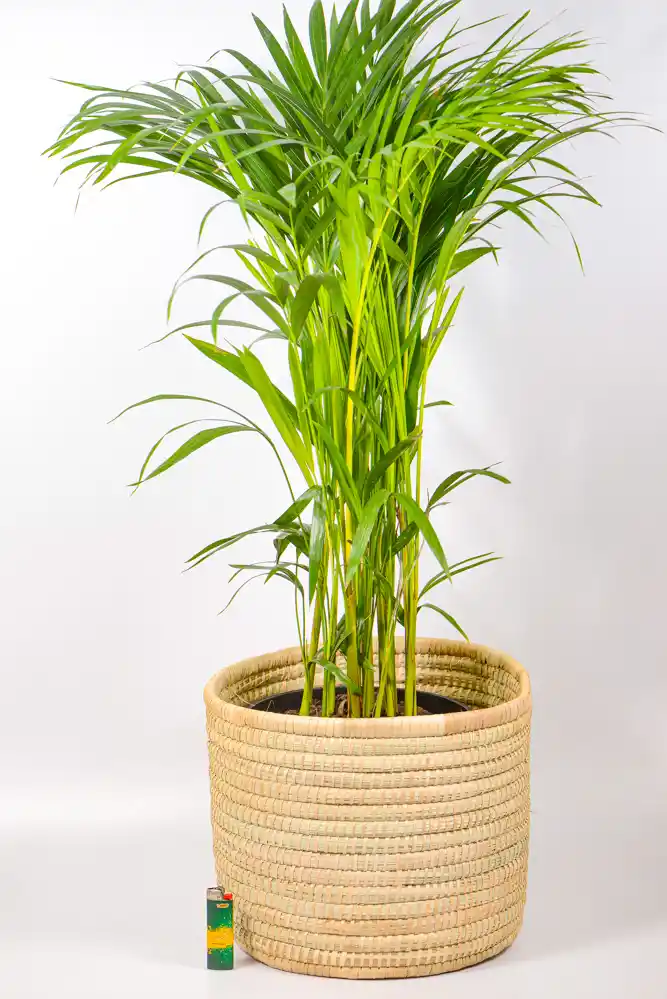
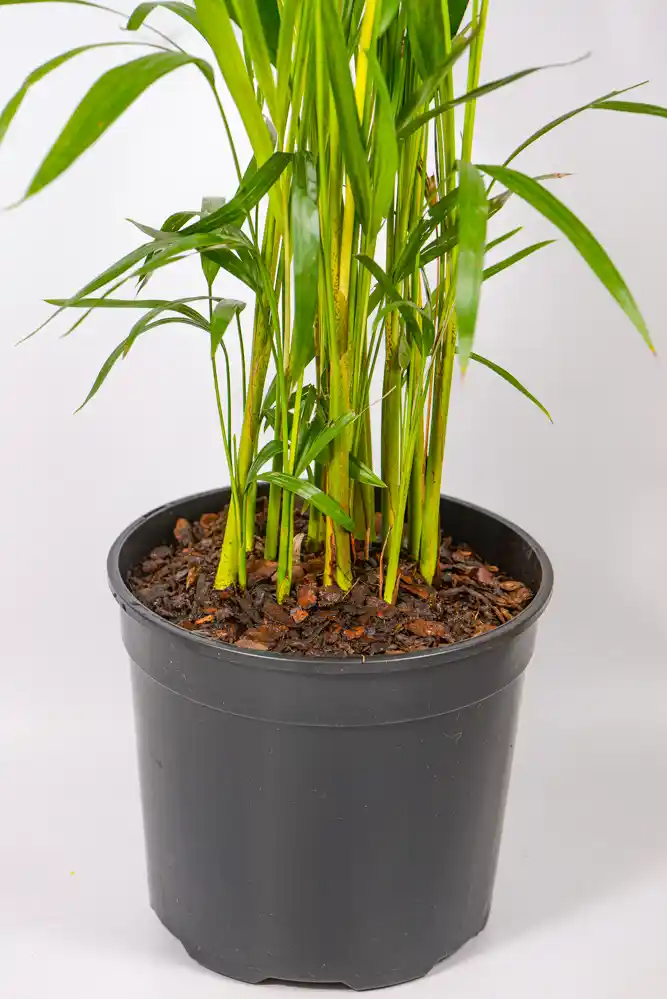
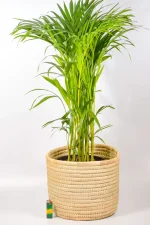
These plants are supplied in 23cm pots and stand approximately 80–90cm tall, making them a useful size if you want a proper floor-standing palm but don’t need one of our 1.5m+ specimens.
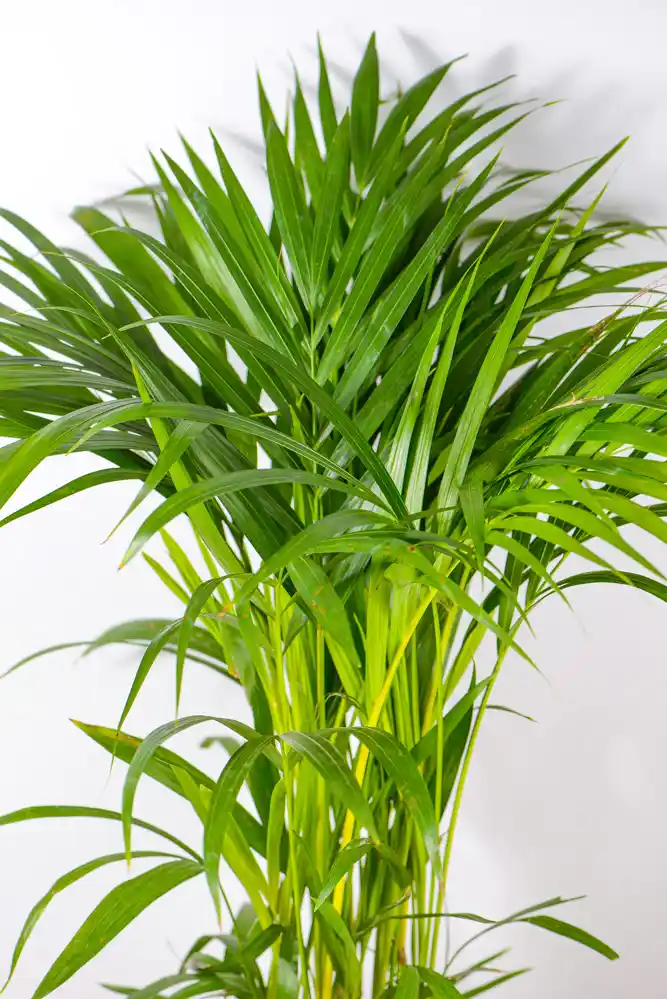
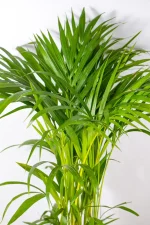
Dypsis lutescens naturally grows as a clumping palm, producing multiple slender canes from the base rather than developing a single trunk. Each cane carries long arching fronds made up of narrow green leaflets, and healthy plants continue sending fresh growth from within the established clump.
Despite commonly being called a Bamboo Palm, it isn’t a bamboo at all. The name comes from those upright, segmented canes and the dense growth they create as the plant matures.
One of the biggest mistakes with these palms is treating them like a plant that prefers to stay dry. They enjoy water. During active growth, give the root ball a thorough soaking and don’t allow it to repeatedly become bone dry. A large, leafy palm uses a surprising amount of water during warm weather.
At the same time, drainage remains important. Water should move freely through the growing medium rather than leaving the roots permanently submerged.
Light makes an equally big difference. Bamboo Palms tolerate medium indoor light, but they’ll grow much better with bright natural light. A position near a good window encourages stronger canes, fuller foliage and faster production of new fronds.
They’re also hungry plants. There are multiple actively growing stems competing for nutrients within one pot, so regular fertilising makes a noticeable difference. A well-fed Bamboo Palm with plenty of light and water can put on an impressive amount of growth through spring and summer.
For an easy large indoor plant with plenty of green foliage, the Large Bamboo Palm remains one of the most dependable options in the nursery.
Large Bamboo Palm Care Guide

Watering – How often should I water a Large Bamboo Palm?
Water thoroughly once the upper layer of growing medium begins to dry. Bamboo Palms enjoy consistent moisture and shouldn’t repeatedly be allowed to become completely dry. During hot weather, check the plant regularly because a full 23cm pot can use water surprisingly quickly. Always allow excess water to drain freely.
Flushing – Should I flush my Bamboo Palm?
Yes. About once a month, give the entire root ball a really thorough flush with plenty of fresh water. Allow water to run freely through the drainage holes. This ensures the whole root ball becomes properly hydrated while also helping wash accumulated fertiliser salts from the growing medium.

Light – Where should I place my Bamboo Palm?
Bright, indirect natural light is best. Gentle morning sun is also beneficial. Although Bamboo Palms tolerate medium light, you’ll get considerably stronger and fuller growth in a bright position. Avoid putting the plant in a dark corner.

Humidity – Does a Bamboo Palm need high humidity?
It appreciates moderate to high humidity, particularly during hot and dry weather. However, good airflow is equally important. Bathrooms with good natural light can work well, as can bright rooms where several plants are grouped together.
Leaf Care – Should I hose my Bamboo Palm down?
Absolutely. If possible, take the plant outside and thoroughly hose the foliage down regularly during warm weather. This removes dust, increases moisture around the foliage and is one of the easiest ways to help manage spider mites.
Soil – What growing medium should I use?
Use a growing medium that retains consistent moisture while still allowing plenty of oxygen around the roots. Milled Bark Growing Medium works very well. Adding some Perlite will maintain good drainage and root aeration.
Repotting – When should I repot it?
There’s no need to rush. Allow the roots to properly fill the 23cm pot before moving it into a larger container. When repotting becomes necessary, move up by one pot size during the warmer growing months.

Feeding – How often should I fertilise a Palm?
Feed monthly in spring and summer with a balanced Organic Fertiliser. For steady, slow release, mix in a little Controlled Release Fertiliser at the start of the season. Hold off during winter when growth slows.
Brown Tips – Why are the ends of the leaves turning brown?
Brown tips are commonly associated with the root ball drying too extensively, dry indoor air or a build-up of salts in the growing medium. Check your watering first and give the pot a thorough flush periodically rather than simply adding small amounts of water.
Pruning – Should I cut off old fronds?
Yes. Older fronds will naturally age as fresh growth develops. Once a frond has yellowed or browned completely, cut it away close to the cane using clean secateurs. Avoid cutting healthy green fronds simply to reshape the plant.

Pests – What should I look out for?
Spider mites are the big one with indoor palms. Check the undersides of the leaflets regularly, particularly during hot, dry weather. Scale and mealybugs can also occasionally appear. Regularly hosing the foliage and maintaining good airflow will help enormously.
Temperature – What temperatures does it prefer?
Warm conditions around 18°C–28°C are ideal. Protect the plant from frost and very cold drafts. During winter, water in the morning and naturally reduce the frequency as the growing medium takes longer to dry.
FAQ’s
Q: How large is the Large Bamboo Palm?
These plants are supplied in 23cm pots and stand approximately 80–90cm tall.
Q: Is Bamboo Palm easy to grow?
Yes. Good natural light, consistent watering and regular feeding are the main requirements. It’s a very manageable palm once you understand that it enjoys more water than many other indoor plants.
Q: Does Bamboo Palm like to dry out between waterings?
Not extensively. Allowing the upper layer to begin drying is fine, but don’t repeatedly let the entire root ball become bone dry. These palms perform much better with consistent moisture.
Q: Can Bamboo Palm grow in low light?
It will tolerate medium light, but that doesn’t make it a plant for dark rooms. Give it bright indirect light and you’ll get much stronger, denser growth.
Q: Can I put my Bamboo Palm outside?
Yes. They grow extremely well outside in bright filtered light or gentle morning sun. An indoor-grown plant should be gradually acclimated before receiving stronger direct sunlight.
Q: Why is my Bamboo Palm getting brown tips?
Check that the root ball isn’t becoming excessively dry. Very dry air and accumulated fertiliser salts can also contribute, which is why I recommend thoroughly flushing the pot with fresh water periodically.
Q: Will my Bamboo Palm get bigger?
Definitely. Given good light, water and regular feeding, it will continue producing new fronds and additional growth from the established clump. As it develops, you can eventually move it into a larger pot.
Q: What’s the difference between the Large and XL Bamboo Palm?
The Large Bamboo Palm is supplied in a 23cm pot at approximately 80–90cm tall, while the XL sizes are larger, more established plants in 30cm pots. The Large is a good option if you want a floor-standing palm that isn’t enormous yet.
Q: Is Bamboo Palm pet safe?
Yes. Dypsis lutescens is generally considered non-toxic to cats and dogs.
Be sure to visit and follow us Facebook and Instagram