





Sale!

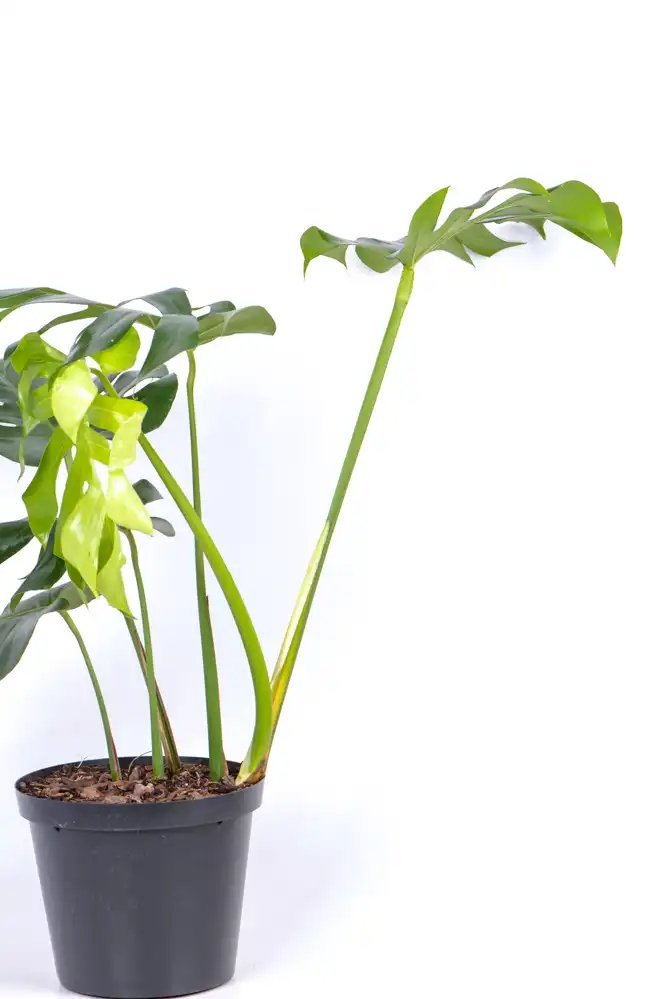
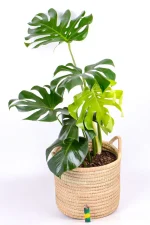
Large Leaf Monstera Deliciosa

Original price was: R550.00.Current price is: R450.00.

-18%

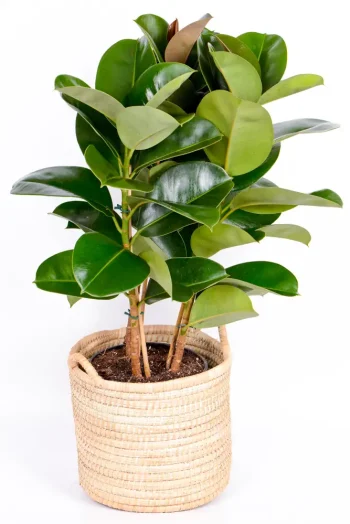
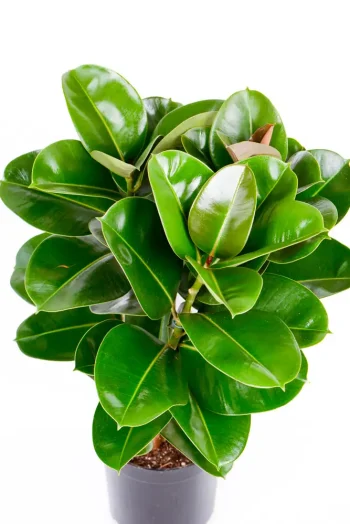
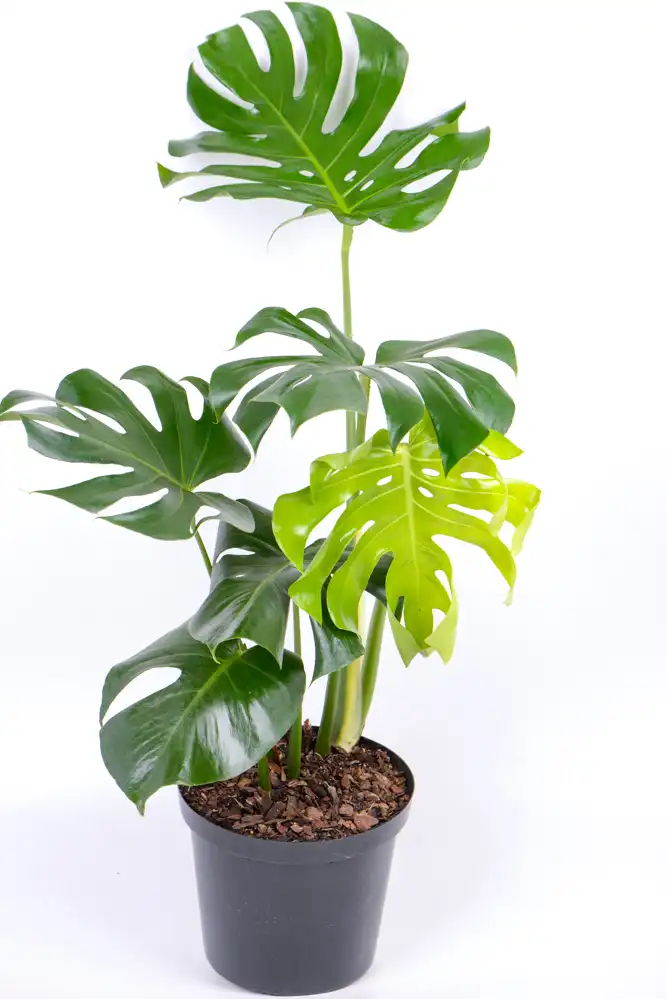
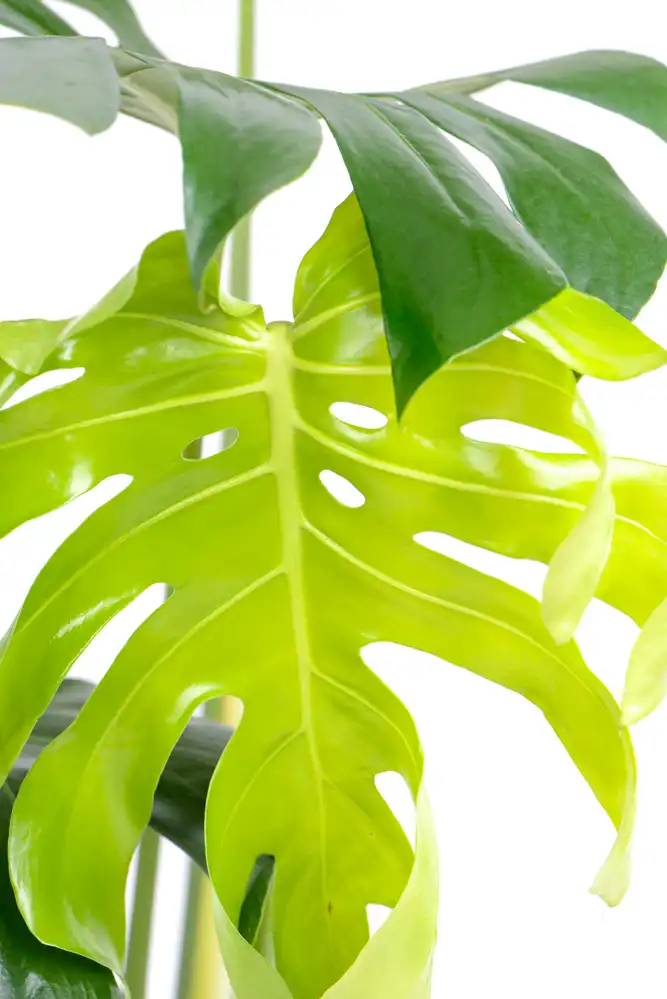
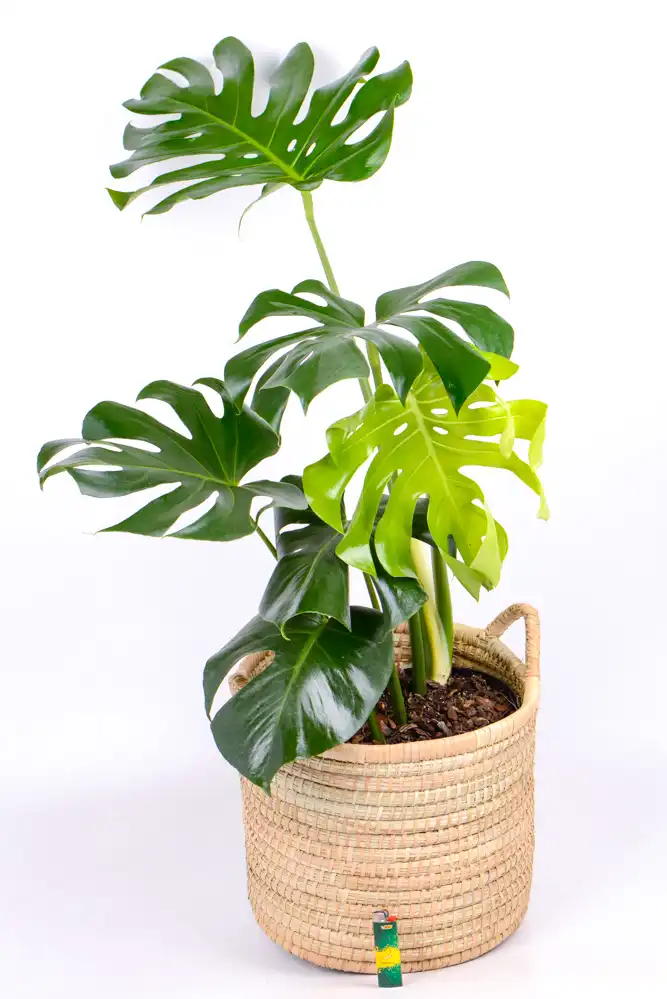
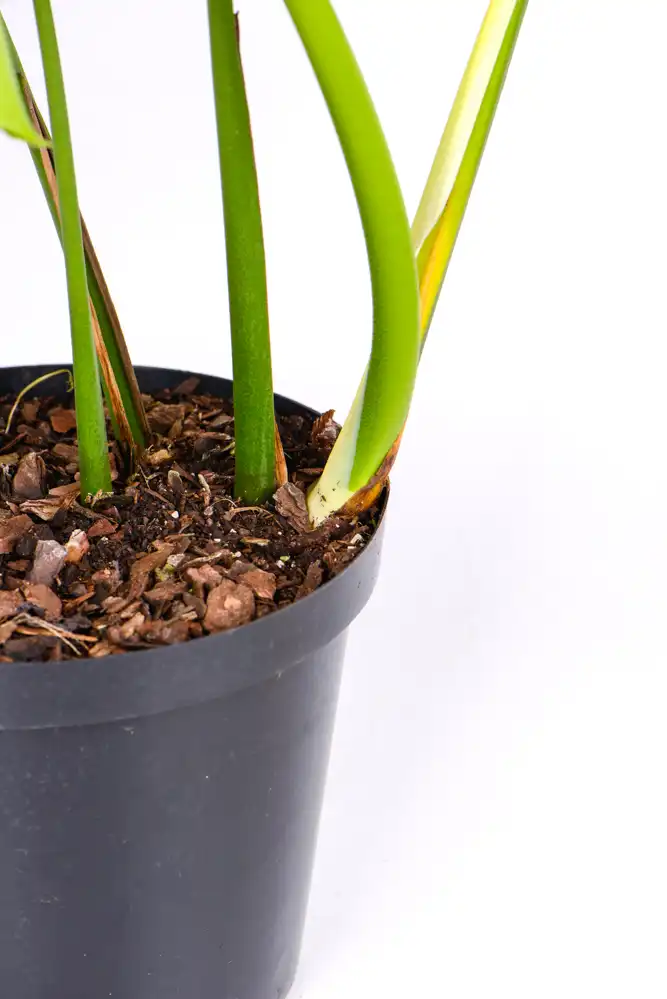
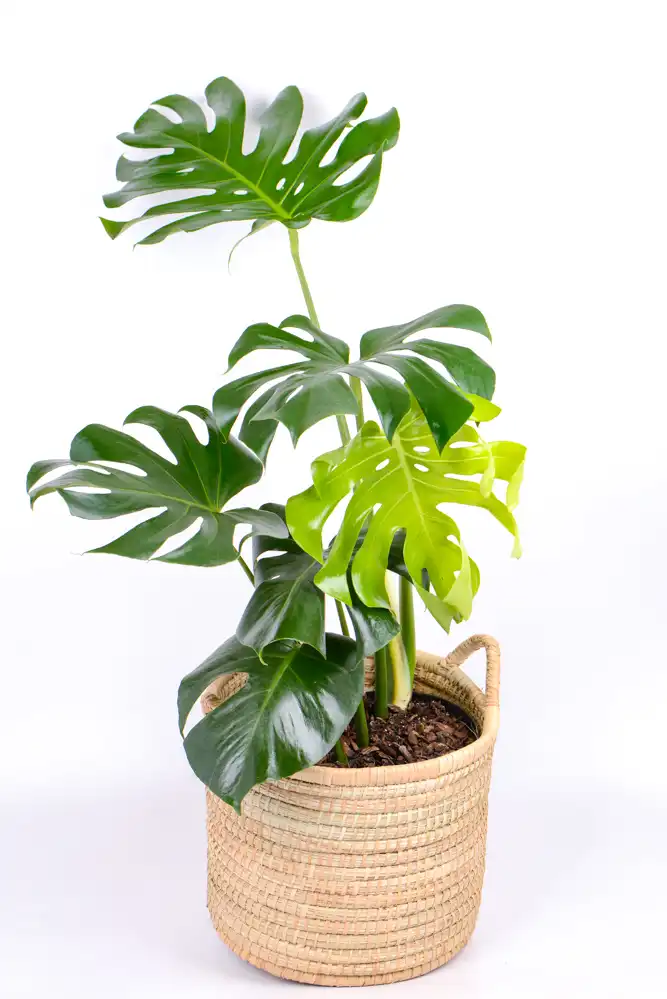
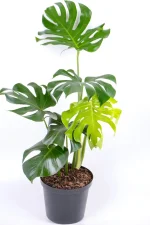
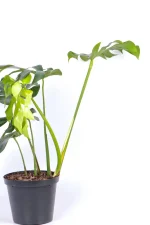
Our Large Leaf Monstera Deliciosa is grown for bigger, more mature foliage and a strong upright form. These plants stand approximately 70–80cm tall and come in black 25cm pots and generally develop from a single main growth point.


In stock

Plant Size
25cm black pot | 70-80cm tall
Height is measured from the bottom of the pot to the tallest leaf.
Add to Cart
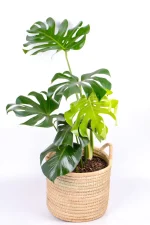
Large Leaf Monstera Deliciosa in a handwoven basket
Large Leaf Monstera Deliciosa
R550.00 Original price was: R550.00.R450.00Current price is: R450.00.
Less than 5 items left!
Large Leaf Monstera Deliciosa in a handwoven basket
Large Leaf Monstera Deliciosa
R550.00 Original price was: R550.00.R450.00Current price is: R450.00.
Questions? Send it to us!
Name

Commonly known as: Large Leaf Monstera Deliciosa | Swiss Cheese Plant | Split Leaf Monstera | Monstera Deliciosa

Botanical name: Monstera Deliciosa

The Large Leaf Monstera Deliciosa is all about the foliage.

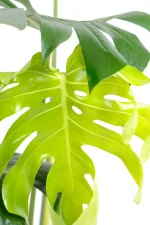
These plants develop larger, more mature leaves with stronger fenestration, giving you the classic Monstera look from the start. Rather than producing several smaller growth points from one pot, they generally grow from a single established point, which creates a more upright and open structure.

If your priority is leaf size and maturity, choose the Large Leaf Monstera.

If your priority is fullness and multiple growing points, the standard Monstera Deliciosa may suit you better.

As the plant matures, each new leaf can become larger and more deeply divided when it receives strong natural light, regular feeding and something suitable to climb.

Monstera deliciosa naturally climbs in the wild, so a moss pole makes a noticeable difference over time. Once the aerial roots attach and the plant has proper support, new leaves generally become larger and the plant develops a stronger vertical form.

It is also a forgiving plant to grow indoors. Give it plenty of light, water thoroughly once the growing medium begins drying, and avoid leaving the roots permanently wet.

Large Leaf Monstera Deliciosa Care Guide

Water logo

Watering – When should I water it?

Water thoroughly once the upper section of the growing medium has begun drying.

Allow excess water to drain freely and avoid keeping the roots permanently wet. At the same time, don’t leave the plant dry for extended periods while it is actively growing.

Light logo

Light – How much light does a Large Leaf Monstera need?

Give it plenty of bright, indirect natural light. Gentle morning sun also works well.

Better light encourages larger leaves, stronger fenestration and more compact growth. A Monstera can survive in lower light, but the new foliage will usually become smaller and less divided.

Humidity logo

Pruning – Can I cut back my Monstera?

Yes. Remove ageing or damaged leaves cleanly at the base of the stem.

If the plant becomes too tall or unruly, you can also cut the main stem above a node to control its size or propagate it.

Soil Logo

Soil – What mix is best for Maidenhair Ferns?

For optimal drainage and healthy roots, use our Aroid Mix, or make your own by combining Barks Unlimited Potting Soil and Perlite. The goal is a soft, moisture-holding mix that drains easily and stays airy.

Fertilizing logo

Feeding – How often should I fertilise it?

Feed regularly during active growth.

Controlled Release Fertiliser provides steady nutrition over time, while Novatec Soluble Fertiliser is an excellent option when you want to push strong, active growth.

Regular feeding makes a noticeable difference to leaf size and overall growth.

Repotting logi

Repotting – When should I repot it?

Repot once the roots have properly filled the container.

Move up gradually rather than putting the plant into a much larger pot. Use fresh Aroid Mix and make sure the new pot drains freely.

Pest image

Pests – What should I watch for?

Check regularly for thrips, spider mites, scale and mealybugs.

Pay particular attention to the undersides of leaves, new growth and the junctions where petioles meet the stem.

Temerature image

Temperature – What conditions does it prefer?

Warm indoor conditions suit Monstera deliciosa well.

Protect it from cold drafts and prolonged low temperatures, particularly during winter. 

FAQ’s

Q: Why do some Monstera leaves have more splits than others?
Leaf maturity, light and climbing support all influence fenestration. Young leaves often have few or no splits, while mature growth develops increasingly divided foliage.

Q: Does a Monstera need a moss pole?
It can grow without one, but a moss pole helps it develop larger leaves and a stronger upright form.

Q: Is Monstera deliciosa pet safe?
No. Monstera deliciosa contains calcium oxalate crystals and should not be eaten by cats, dogs or people.

Be sure to visit and follow us Facebook and Instagram