





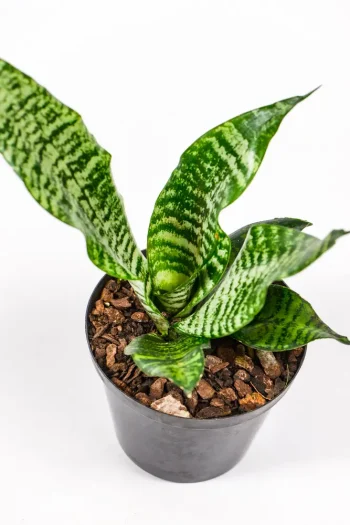
Botanical name:Â Monstera Deliciosa
Commonly known as:Â Delicious Monster
There aren’t many indoor plants as instantly recognisable as Monstera Deliciosa.
Its bold tropical foliage has become synonymous with indoor jungles, modern interiors and lush green living spaces. Even as a young plant, Monstera brings a tropical feel into the home, and with the right care, it only becomes more spectacular each year.
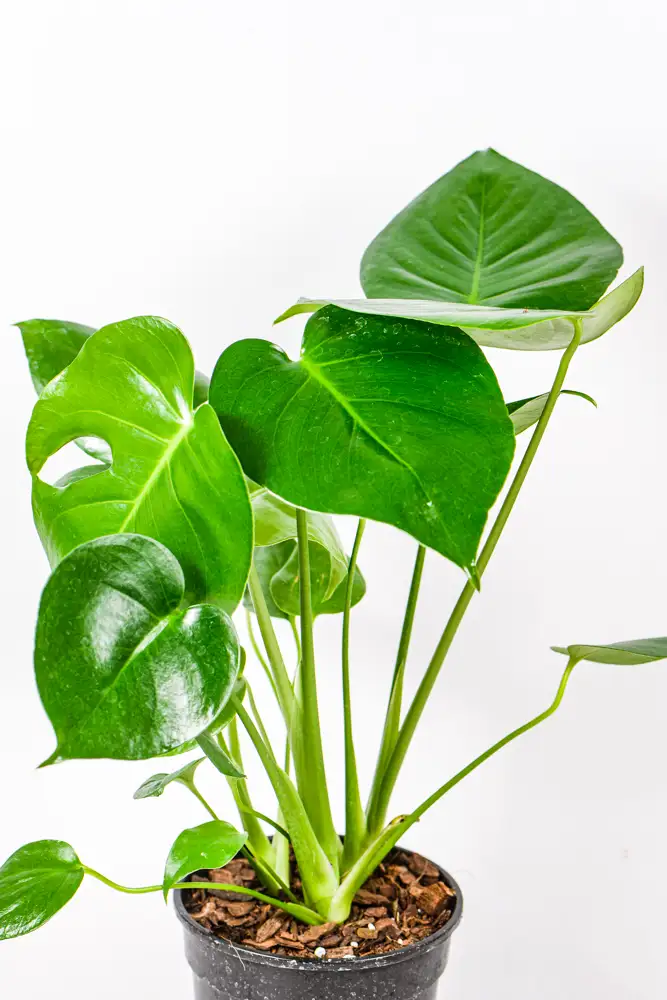
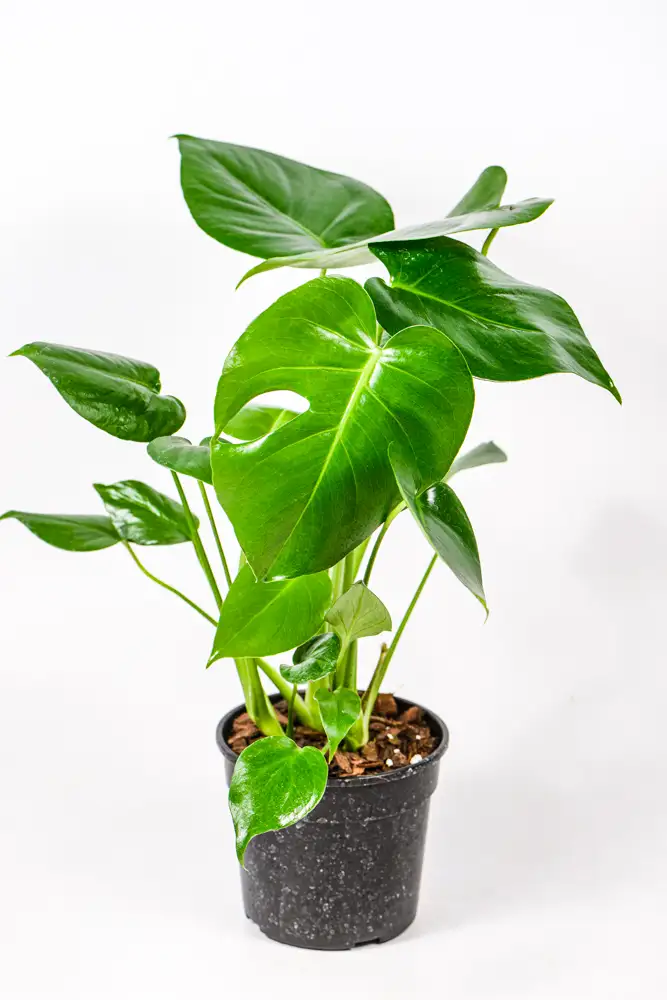
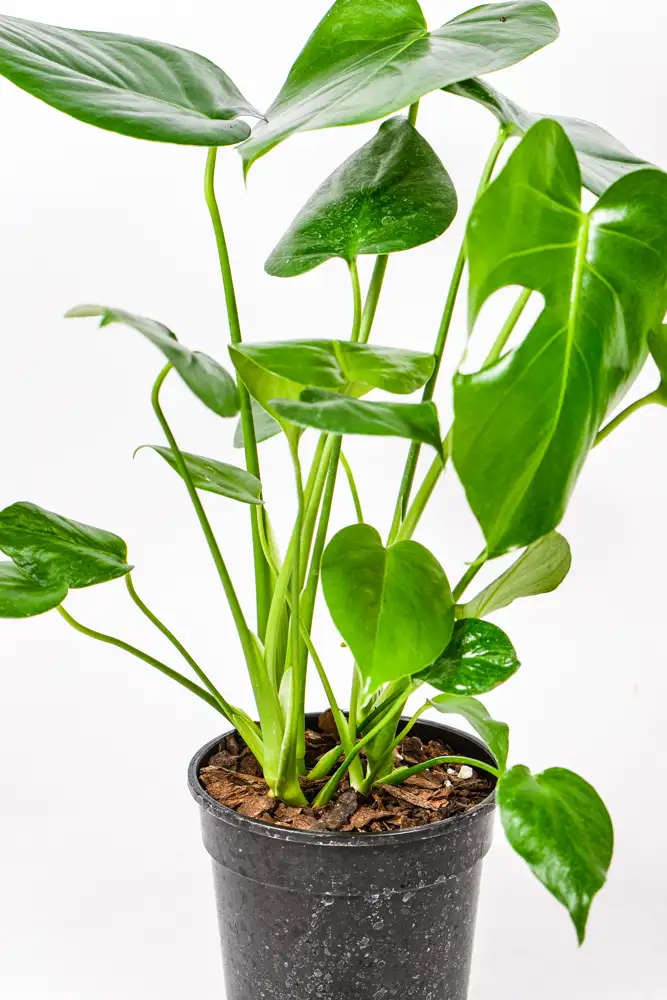
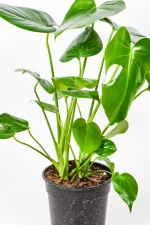
These plants stand approximately 40cm tall in 14cm pots and are still at the beginning of their journey. As they mature, the leaves become dramatically larger and gradually develop the natural splits and holes, known as fenestrations, that have made Monstera Deliciosa one of the most iconic foliage plants in the world.
Many people don’t realise that Monstera is naturally a climbing vine rather than a free-standing plant. In the tropical rainforests of Central America, it climbs enormous trees using thick aerial roots. As it climbs higher, the leaves become larger, stronger and increasingly fenestrated.
For this reason, I always recommend growing Monstera Deliciosa on a moss pole. Supporting the plant allows it to grow as nature intended and produces far more impressive foliage than if it is simply left to trail or lean.
Monstera Deliciosa is also wonderfully forgiving. It adapts well to normal indoor conditions, grows quickly during the warmer months and is an excellent choice for both beginners and experienced collectors.
If you’re looking for one plant that delivers a real tropical statement, Monstera Deliciosa is hard to beat.
Monstera Deliciosa Care Guide
Watering – How often should I water it?
Allow the top few centimetres of the growing medium to dry before watering thoroughly. Monsteras prefer evenly moist soil but dislike constantly wet roots. During winter, reduce watering slightly while growth slows.
Light – Where should I place my Monstera Deliciosa?
Bright, indirect light is ideal. Position your Monstera close to a bright window where it receives plenty of natural light throughout the day. A little gentle morning sun is perfectly fine, but avoid harsh afternoon sun.
Humidity – Does it need high humidity?
Monstera Deliciosa adapts well to average household humidity but grows even better when humidity is slightly higher. Good airflow is equally important and helps keep the foliage healthy.
Soil – What mix is best for Maidenhair Ferns?
For optimal drainage and healthy roots, use our Aroid Mix, or make your own by combining Barks Unlimited Potting Soil and Perlite. The goal is a soft, moisture-holding mix that drains easily and stays airy.
Feeding – How should I fertilise it?
Feed every 4–6 weeks during spring and summer using Grobest Organic Fertiliser. For faster growth and larger leaves, Novatec Soluble Fertiliser works exceptionally well throughout the growing season.
Repotting – When should I repot?
Repot every 18–24 months or when the roots begin filling the pot. Refresh with Milled Bark Growing Medium and incorporate TerraPlus Natura N together with Controlled Release Fertiliser.
Should I grow it on a moss pole?
Absolutely. Monstera Deliciosa is a natural climber and produces its largest, most impressive leaves when grown vertically. A Transparent Moss Pole or Metal Moss Pole allows the aerial roots to anchor, resulting in larger leaves with deeper fenestrations as the plant matures.
Pests – What should I look out for?
Watch for spider mites, mealybugs and thrips, especially on new growth and the undersides of leaves. Healthy plants with good airflow rarely experience serious problems.
FAQ’s
Why doesn’t my Monstera have holes in the leaves yet?
Young Monsteras naturally produce solid leaves. As the plant matures, climbs and receives plenty of bright light, new leaves gradually develop the characteristic splits and holes.
Is Monstera Deliciosa fast growing?
Yes. During spring and summer it can grow surprisingly quickly, especially when given plenty of light, regular feeding and a climbing support.
Do I need a moss pole?
While the plant will grow without one, a moss pole allows it to grow naturally. You’ll be rewarded with larger leaves, stronger stems and much more impressive fenestrations over time.
What are the aerial roots for?
Aerial roots help the plant climb trees in nature. They also absorb moisture and nutrients as they attach to rough surfaces like bark or moss poles.
Is Monstera Deliciosa pet safe?
No. Like other aroids, it contains calcium oxalate crystals and should be kept out of reach of pets and young children if they are likely to chew on the leaves.
Be sure to visit and follow us Facebook and Instagram