




Philodendron Sodiroi

R490.00

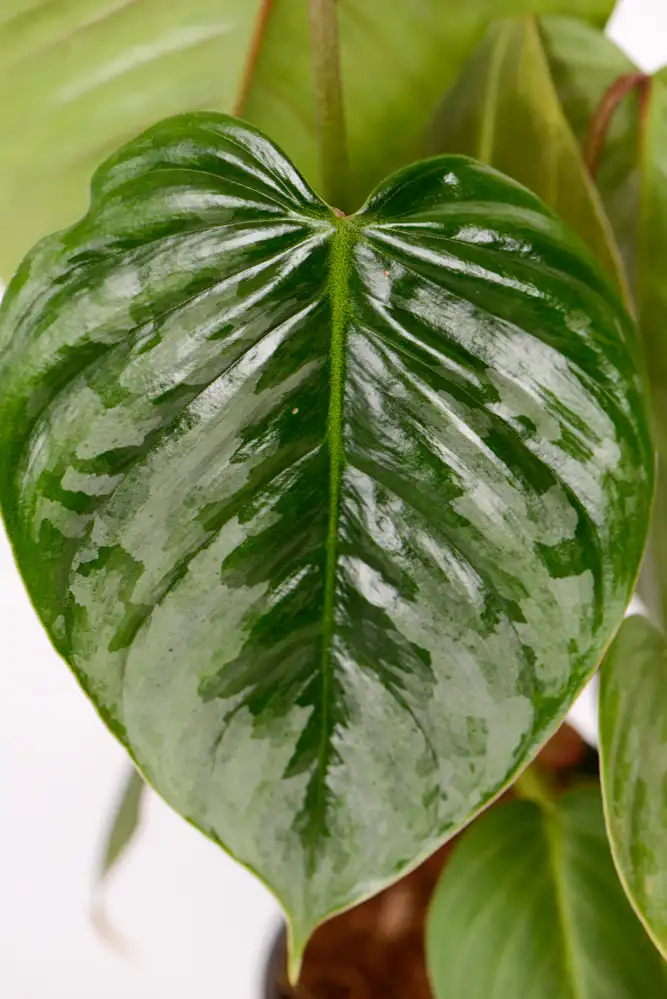
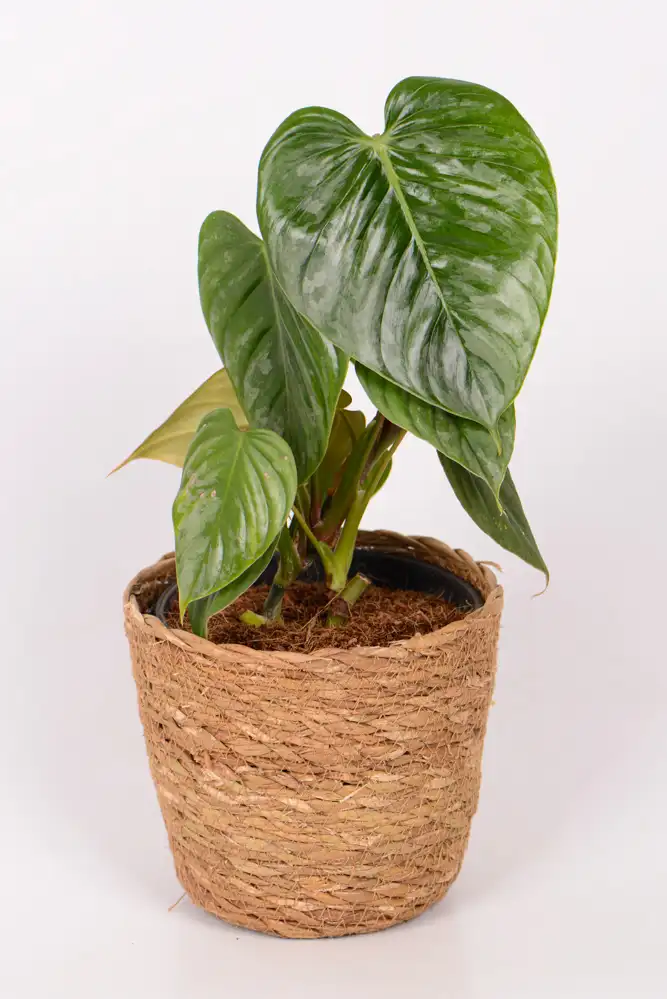
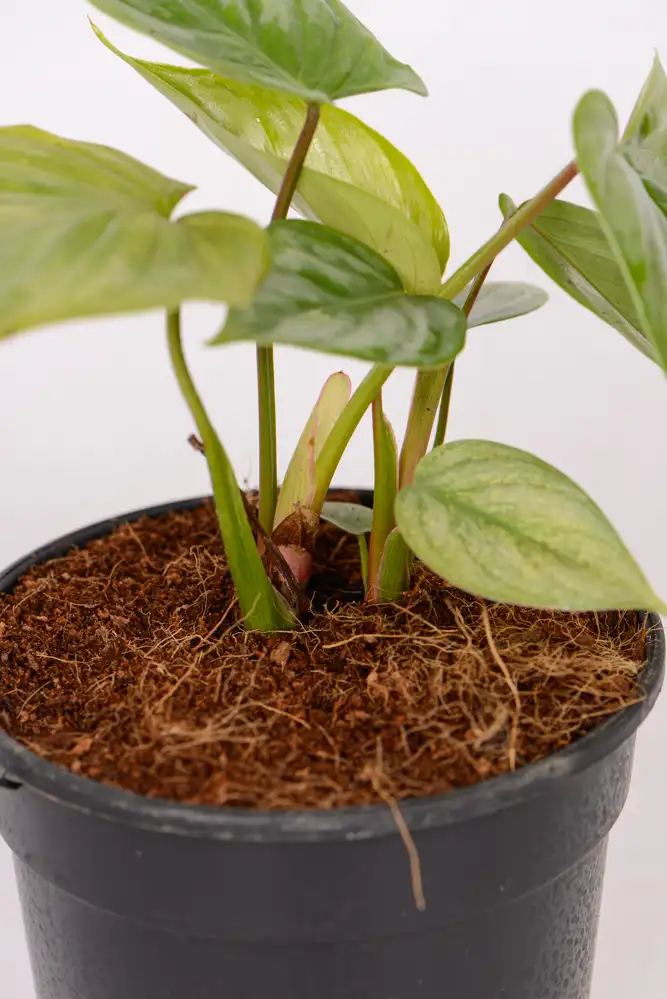
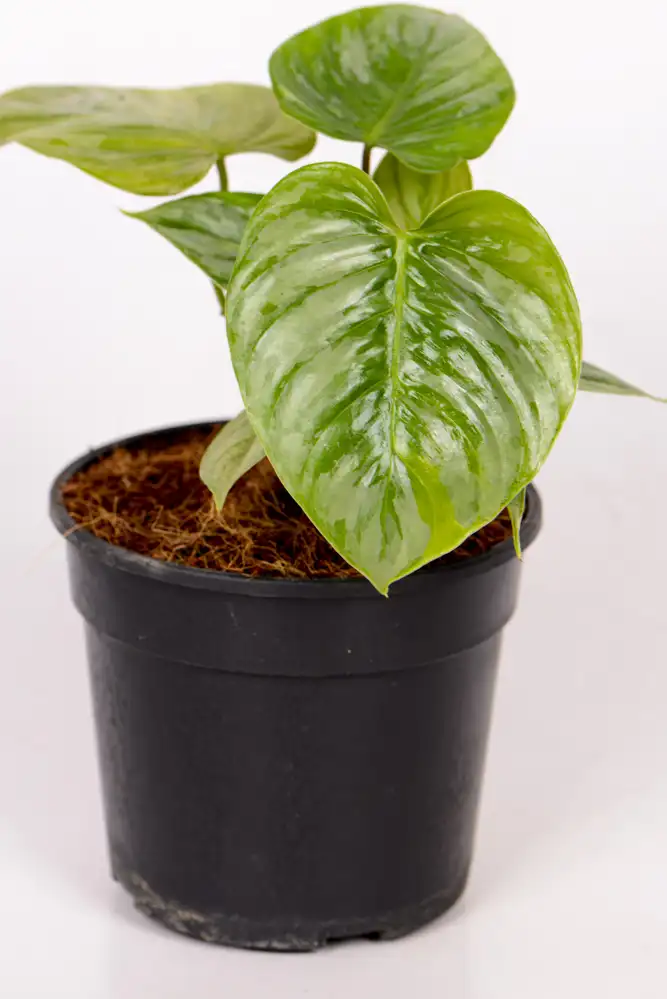
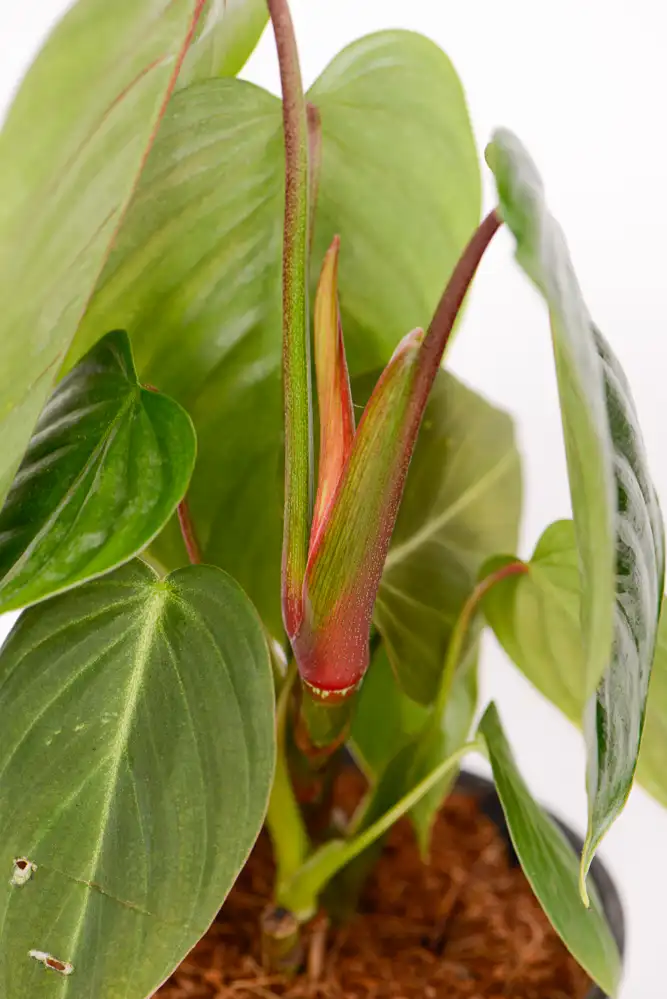
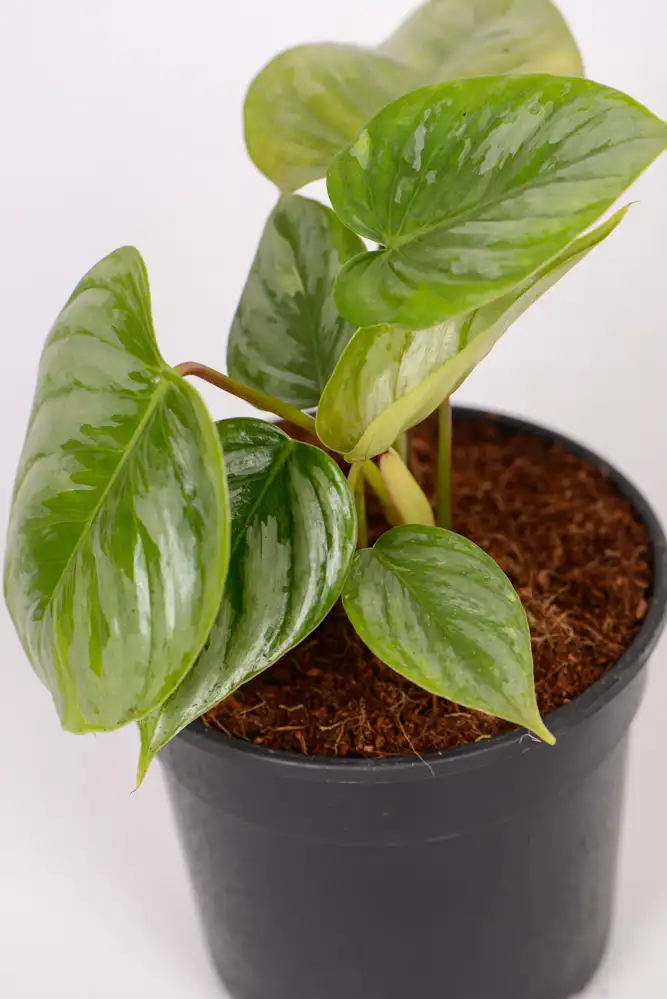
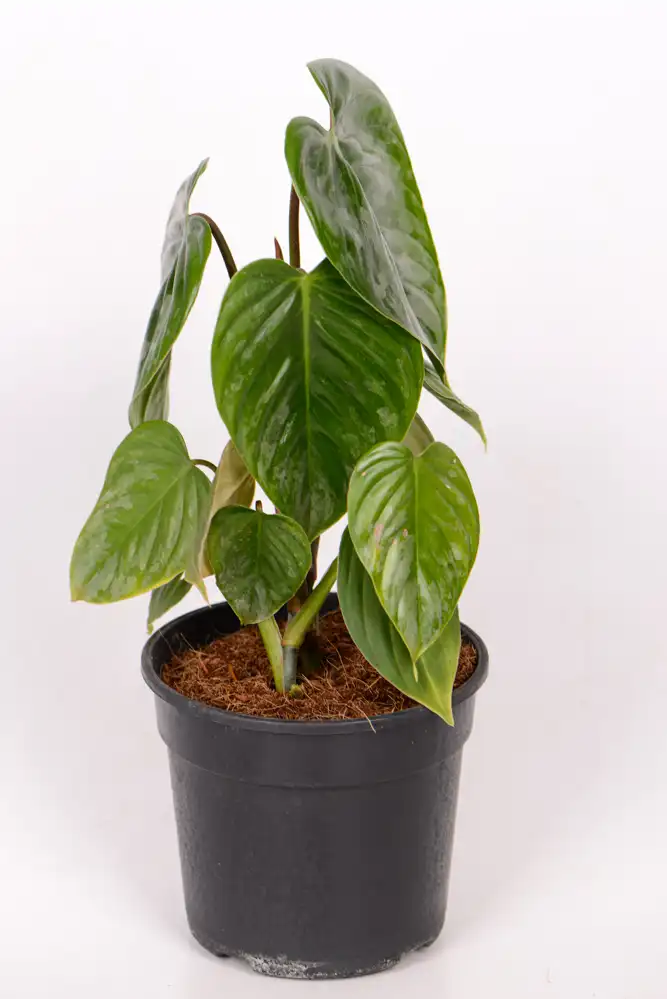
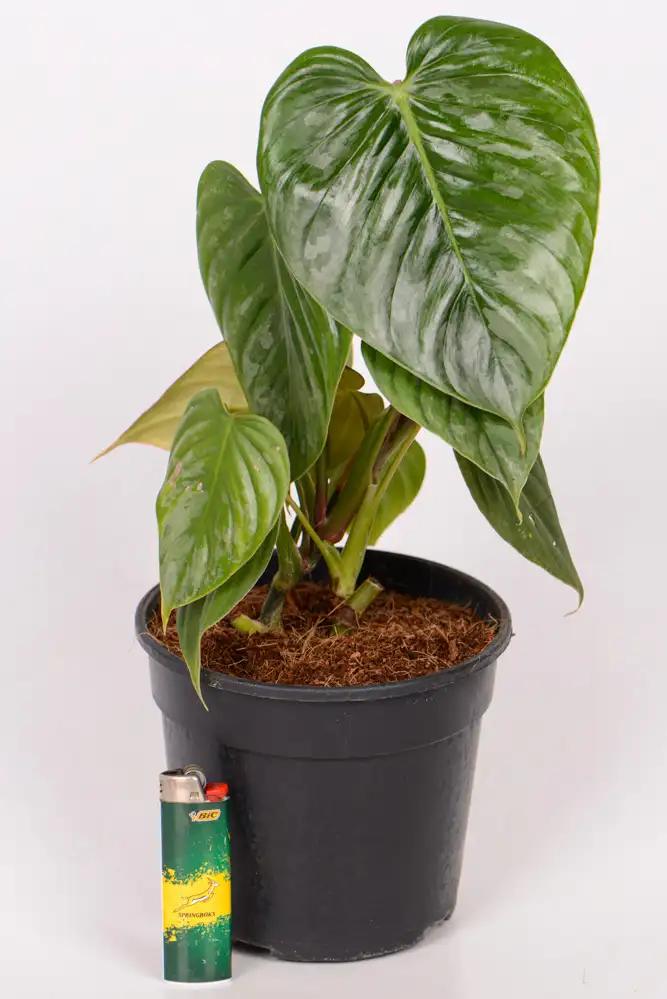
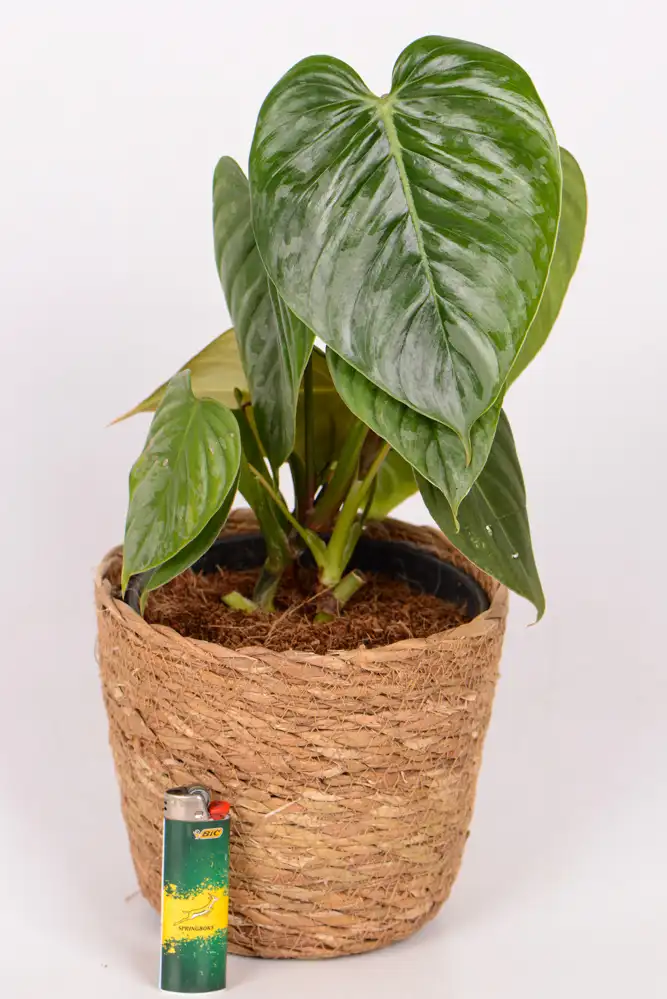
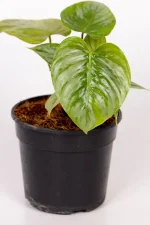
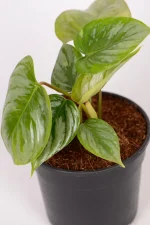
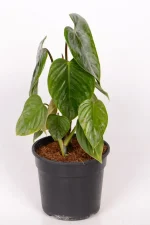
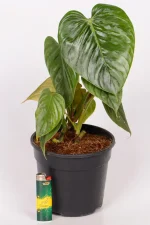
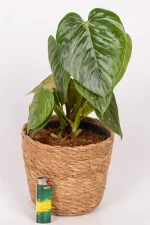
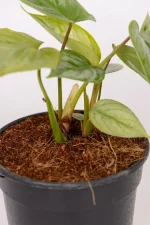
Philodendron Sodiroi is a rare climbing aroid admired for its large heart-shaped leaves decorated with beautiful silver mottling. Supplied in a 14cm pot, this collector’s favourite develops increasingly larger foliage as it climbs, making it one of the most rewarding Philodendrons to grow indoors.

In stock

Add to Cart
Philodendron Sodiroi in a seagrass basket
Philodendron Sodiroi
R490.00
Less than 5 items left!
Philodendron Sodiroi in a seagrass basket
Philodendron Sodiroi
R490.00
Questions? Send it to us!
Name

Commonly known as: Philodendron Sodiroi | Silver Sodiroi

Botanical name: Philodendron Sodiroi

Philodendron Sodiroi is one of those plants that quietly commands attention without needing oversized leaves or dramatic colours.

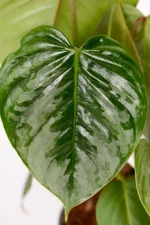
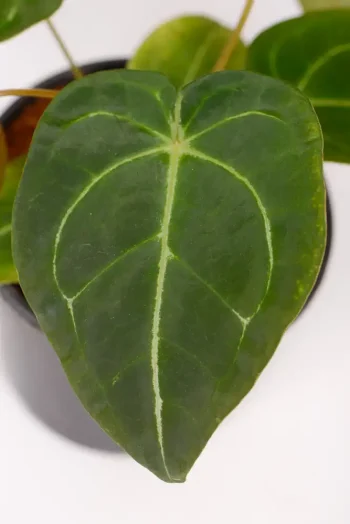
Its broad heart-shaped foliage is beautifully splashed with shimmering silver markings that seem almost brushed across the leaf surface. Every leaf develops its own unique pattern, making no two plants exactly alike.

Although many people confuse it with Scindapsus species because of its silver variegation, Sodiroi is a true Philodendron. As it matures and begins climbing, the leaves become significantly larger and the silver markings become even more pronounced.

In its natural habitat throughout Ecuador, this species climbs tree trunks using aerial roots, receiving bright filtered light beneath the forest canopy. Like many climbing Philodendrons, it produces its most impressive foliage when given vertical support. A moss pole allows the aerial roots to anchor naturally while encouraging much larger leaves than a trailing plant will ever produce.

Despite its collector status, Philodendron Sodiroi is surprisingly forgiving. Give it warmth, bright indirect light and an airy growing medium, and it will reward you with steady growth and spectacular foliage throughout the growing season.

If you’re looking for something a little different from the more common Philodendrons, Sodiroi offers the perfect combination of elegance, rarity and ease of care.

Philodendron Sodiroi Care Guide

Water logo

Watering – How often should I water it?

Allow the top few centimetres of the growing medium to dry before watering thoroughly. Philodendron Sodiroi prefers evenly moist conditions but dislikes sitting in wet soil. During winter, reduce watering slightly as growth naturally slows.

Light logo

Light – Where should I place my Philodendron Sodiroi?

Bright, indirect light is ideal. Position it close to a bright window where it receives plenty of filtered light throughout the day. Avoid harsh afternoon sun, which can scorch the leaves and fade the silver markings.

Humidity logo

Humidity – Does it need high humidity?

Yes. Moderate to high humidity encourages larger leaves and healthier growth. While it adapts to normal household humidity, higher humidity helps the foliage develop to its full potential.

Soil Logo

Soil – What growing medium should I use?

A loose, airy growing medium is essential. I recommend Milled Bark Growing Medium, which provides excellent airflow around the roots while retaining enough moisture for healthy growth. You can also add Perlite if you’d like even faster drainage.

Fertilizing logo

Feeding – How should I fertilise it?

Feed every 4–6 weeks during spring and summer using Grobest Organic Fertiliser. For faster growth and larger foliage, Novatec Soluble Fertiliser can be used throughout the growing season.

Repotting logi

Repotting – When should I repot?

Repot every 18–24 months or once the roots begin filling the pot. Refresh the growing medium using Milled Bark Growing Medium and incorporate TerraPlus Natura N together with Controlled Release Fertiliser.

Should I grow it on a moss pole?

Absolutely. Philodendron Sodiroi is naturally a climbing plant. A Transparent Moss Pole or Metal Moss Pole allows the aerial roots to attach, producing noticeably larger leaves and stronger growth over time.

Pest image

Pests – What should I look out for?

Watch for spider mites, thrips and mealybugs, particularly around new growth and on the undersides of leaves. Healthy plants with good airflow rarely suffer serious infestations.

Temerature image

Is Philodendron Sodiroi rare?

Yes. It is considerably less common than popular varieties such as Brasil or Heartleaf Philodendron and remains highly sought after by collectors.

Why do the leaves have silver markings?

The silver mottling is a natural characteristic of the species. Each leaf develops its own unique pattern, making every plant slightly different.

Will the leaves become larger?

Yes. As the plant matures and climbs, each new leaf can become noticeably larger than the last.

Can I let it trail instead of climb?

Yes, but climbing will produce much larger and more impressive foliage over time.

Is it pet safe?

No. Like all Philodendrons, it contains calcium oxalate crystals and should be kept away from pets and young children if ingested.

FAQ’s

Is Philodendron Sodiroi rare?

Yes. It is considerably less common than popular varieties such as Brasil or Heartleaf Philodendron and remains highly sought after by collectors.

Why do the leaves have silver markings?

The silver mottling is a natural characteristic of the species. Each leaf develops its own unique pattern, making every plant slightly different.

Will the leaves become larger?

Yes. As the plant matures and climbs, each new leaf can become noticeably larger than the last.

Can I let it trail instead of climb?

Yes, but climbing will produce much larger and more impressive foliage over time.

Is it pet safe?

No. Like all Philodendrons, it contains calcium oxalate crystals and should be kept away from pets and young children if ingested.

Be sure to visit and follow us Facebook and Instagram