





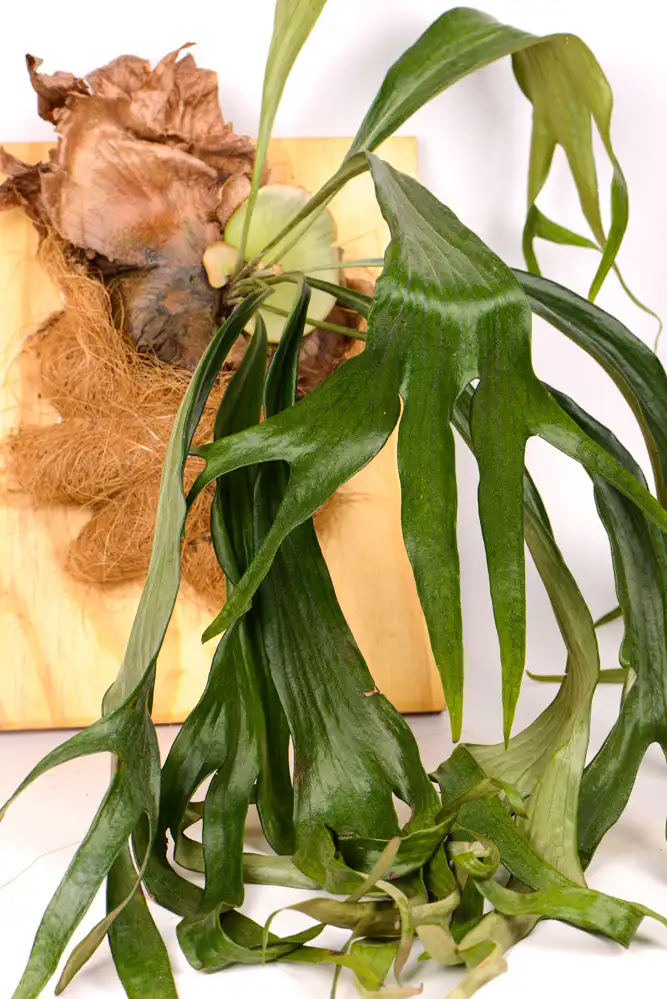
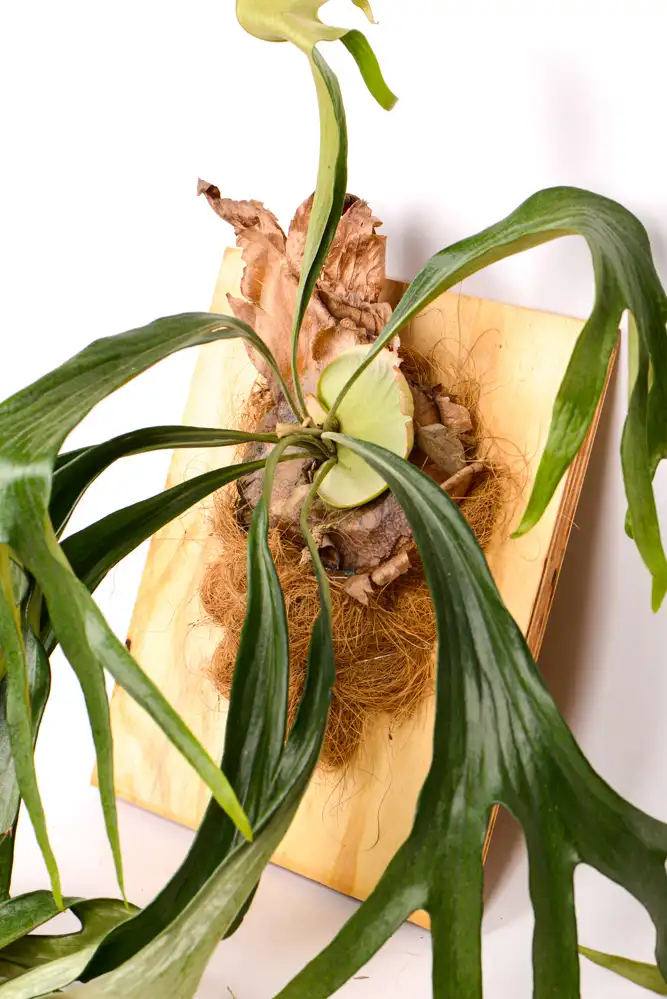
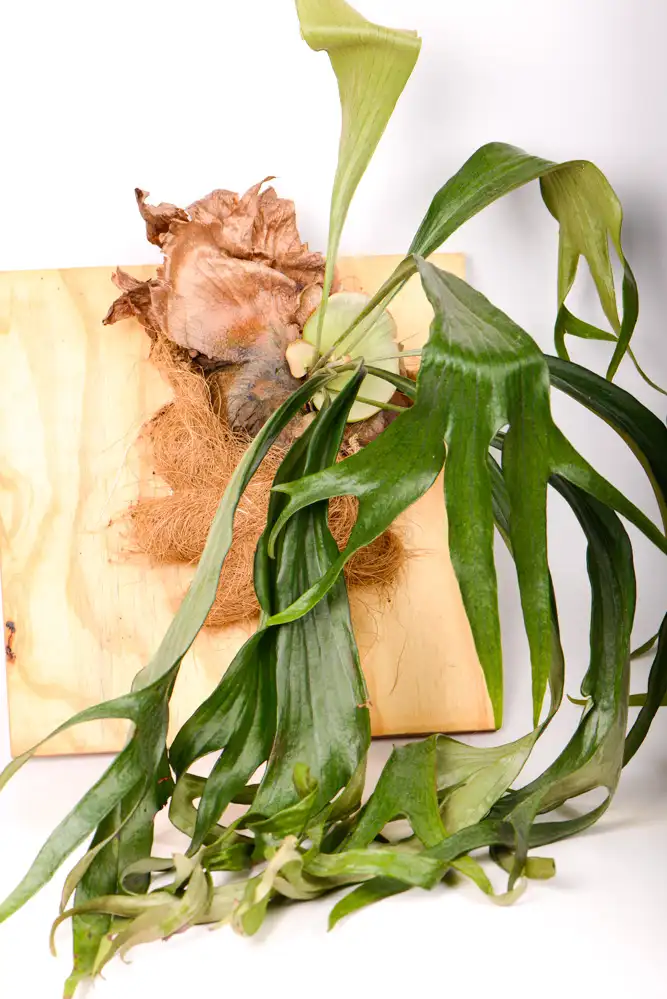
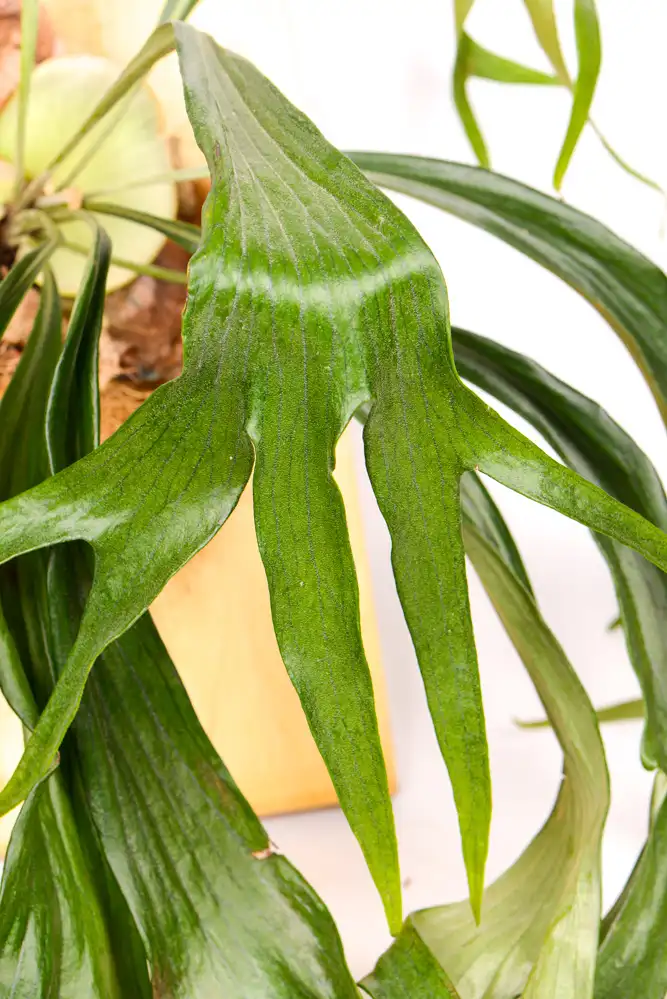
Commonly known as: Platycerium Florida Keys
Botanical name: Platycerium willinckii ‘Florida Keys’
Platycerium willinckii ‘Florida Keys’ isn’t a plant most people come across.
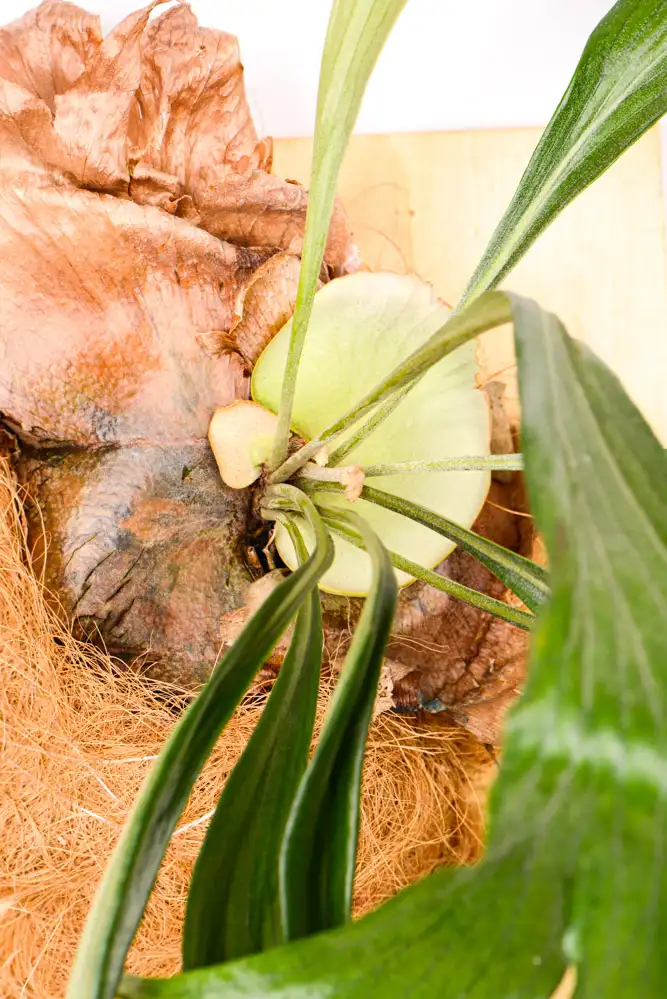
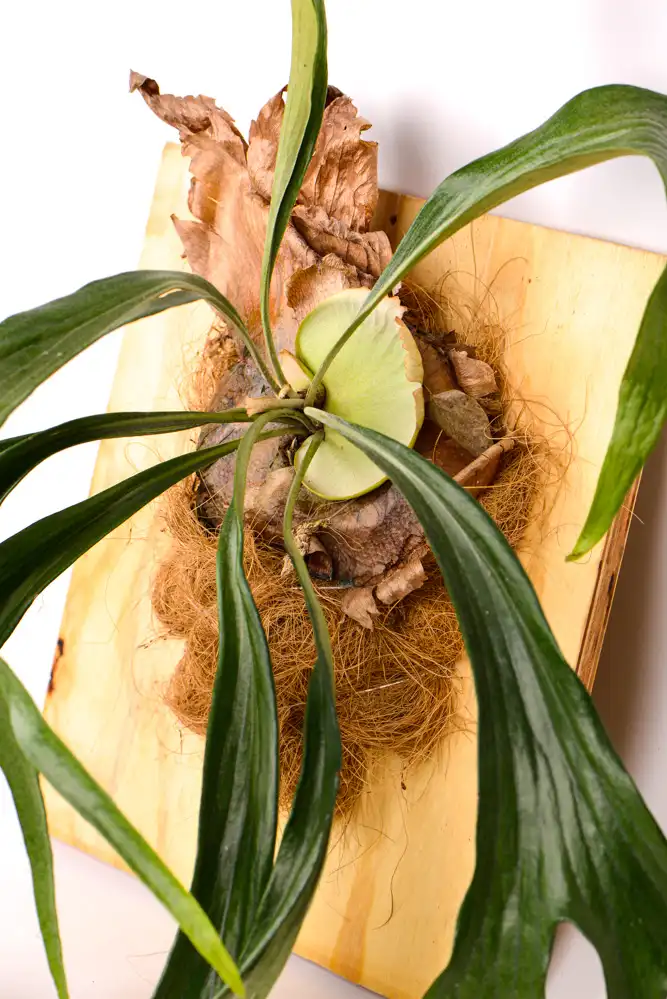
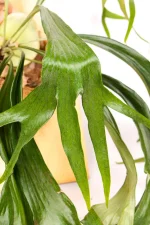
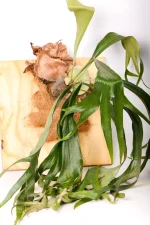
Among Platycerium collectors, it has earned a reputation as one of the more desirable cultivated forms of Platycerium willinckii, prized for its distinctive fronds and elegant growth habit. As the plant matures, each new fertile frond becomes progressively longer and narrower, eventually cascading well below the mounting board to create a specimen unlike the more familiar staghorn ferns.
The silver-green appearance comes from the fine protective hairs that naturally cover the fronds. These hairs help the plant reflect sunlight, reduce moisture loss and should never be rubbed off when cleaning the plant.
Unlike the common Platycerium bifurcatum, which produces broader upright fronds, Florida Keys develops a far more refined appearance with long pendulous foliage that continues to improve year after year. Mature specimens become increasingly impressive, which is one of the reasons this cultivar is so highly regarded by collectors.
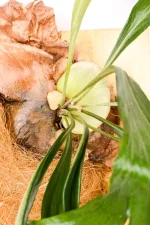
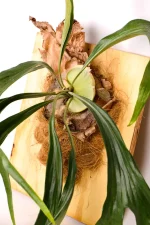
Each plant is securely mounted onto a 40×40cm treated wooden board using premium sphagnum moss. Over time the shield fronds gradually expand across the mounting surface, anchoring the plant while forming the layered base that characterises mature Platyceriums.
Like all willinckii forms, Florida Keys appreciates bright filtered light, excellent airflow and a regular wet-and-dry watering cycle. Given the right conditions, it is a long-lived plant that will continue developing for decades.
This isn’t a plant that’s bought on impulse. It’s a Platycerium chosen by people who enjoy collecting unusual forms and watching them mature into exceptional specimens over many years.
Platycerium Florida Keys Care Guide
Watering – How often should I water it?
Water thoroughly by soaking the moss approximately once a week during the warmer months. The staghorn can be places facedown in large trough of water, the remove and allowed to dry thoroughly. During winter, allow the plant to dry completely before watering again. Depending on the weather, this may be every two to three weeks.
How do I know when it needs water?
Stick your finger in through the coir at the top and feel behind the shield fronds. If it still feels damp, leave it for another few days. If it has dried throughout, it’s time to water. The board will also feel noticeably lighter once the moss has dried.
Light – Where should I hang my Platycerium Florida Keys?
Bright, indirect light is essential. Early morning sun or filtered sunlight is ideal, while harsh afternoon sun should be avoided. Outdoors, a covered patio with excellent airflow is usually the best position. Indoors, hang it in one of the brightest parts of your home.
Humidity – Does it need high humidity?
Florida Keys appreciates moderate to high humidity but also requires excellent airflow. During hot weather, a light mist around the plant can increase humidity, but avoid keeping the moss constantly wet.
Mounting – What is it mounted on?
Each plant is mounted on a 40×40cm treated wooden board. The shield fronds will gradually cover much of the board as the plant matures.
Feeding – How should I fertilise it?
Feed once a month during spring and summer using Grobest Organic Fertiliser. You can also tuck a small amount of Controlled Release Fertiliser into the moss for a steady supply of nutrients.
Remounting– Will it ever need remounting?
Not for many years. Only once the plant has completely outgrown the board should it be transferred to a larger mount.
Pests – What should I look out for?
Scale insects and mealybugs are the most common pests. Regular inspections, good airflow and allowing the moss to dry between waterings will help keep the plant healthy.
Temperature – What’s the ideal temperature?
Platycerium Florida Keys grows best between 18°C and 30°C. Protect it from frost and cold winter winds.
FAQ’s
Q: Why is Platycerium Florida Keys more expensive than other staghorns?
Florida Keys is a collector’s cultivar of Platycerium willinckii. It grows more slowly than common staghorns and takes years to develop the long cascading fronds that make it so desirable. Its limited availability also contributes to its value.
Q: How is it different from Platycerium bifurcatum?
Florida Keys produces much longer, narrower and more pendulous fronds with a distinctive silver-green appearance. It has a completely different growth habit from the broader, more upright fronds of Platycerium bifurcatum.
Q: Can I grow it indoors?
Yes. It grows well indoors provided it receives excellent natural light and plenty of airflow. A bright room near a large window is ideal.
Q: Why are the fronds covered in a white or silver coating?
The fine hairs are completely natural and help protect the plant from drying out. They should never be wiped or washed off.
Q: Should I remove the brown shield fronds?
No. Shield fronds protect the roots, anchor the plant to the board and collect nutrients. Even after turning brown they continue performing these important functions.
Q: Is this a good first staghorn fern?
Florida Keys can certainly be grown by beginners, but because of its value and slower growth, it’s usually chosen by collectors or enthusiasts looking to add a more unusual Platycerium to their collection.
Be sure to visit and follow us Facebook and Instagram