





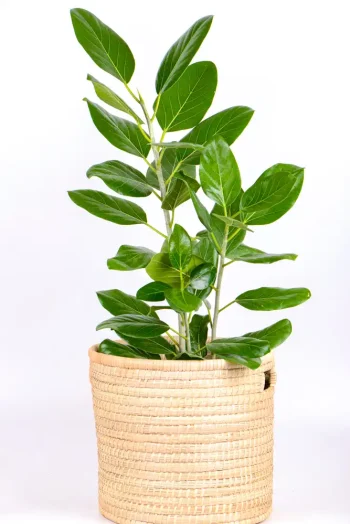
Small Boston Fern

R160.00

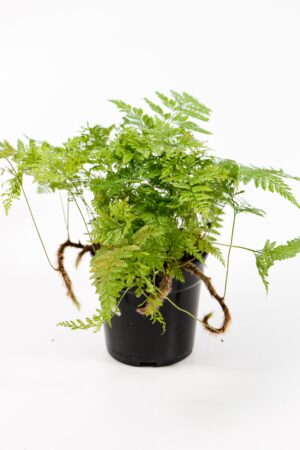
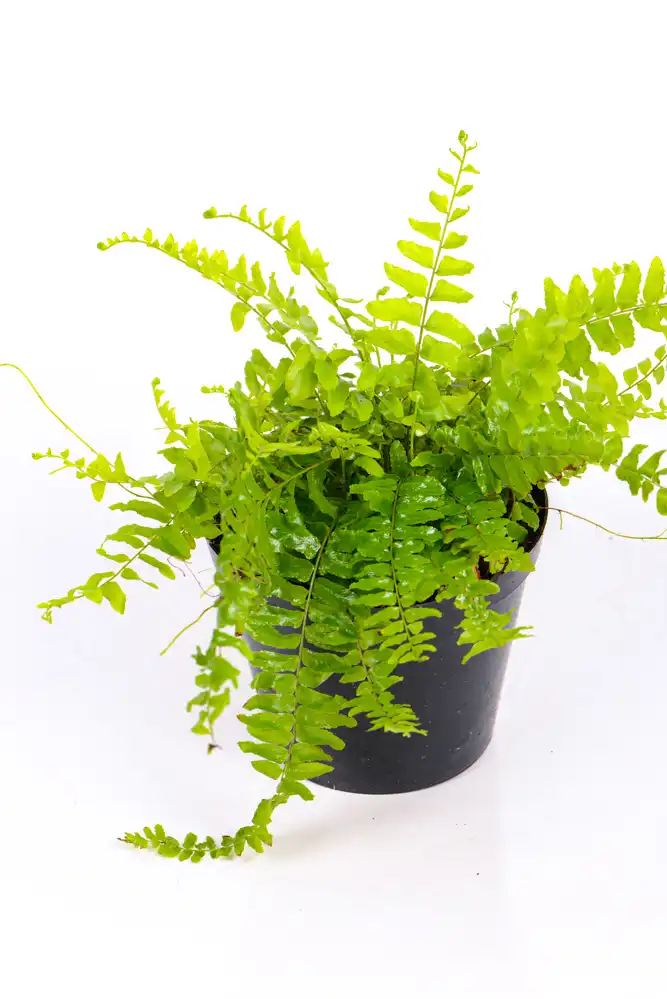
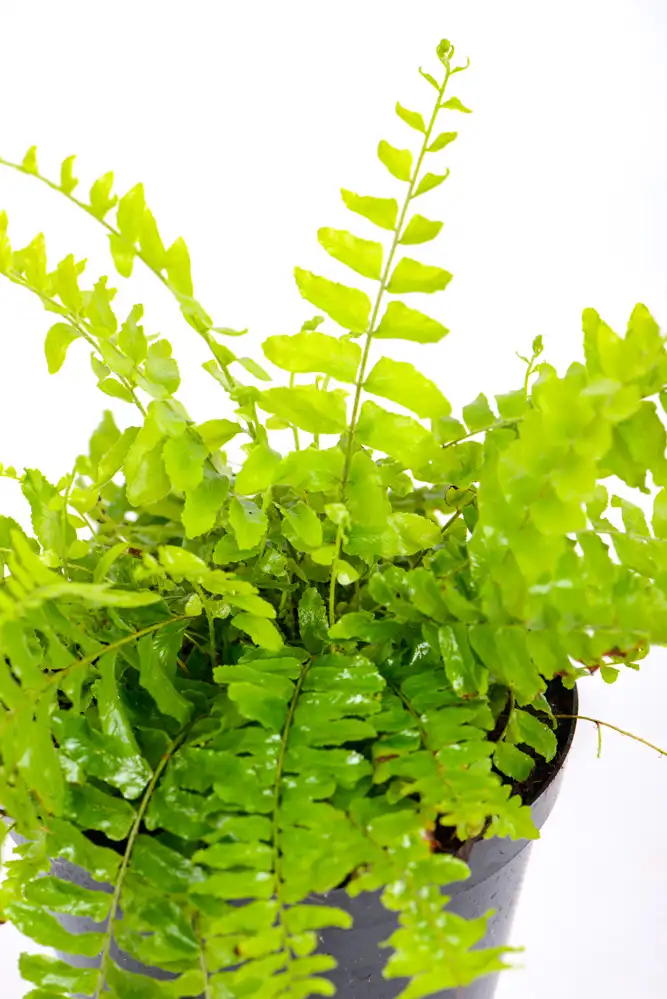
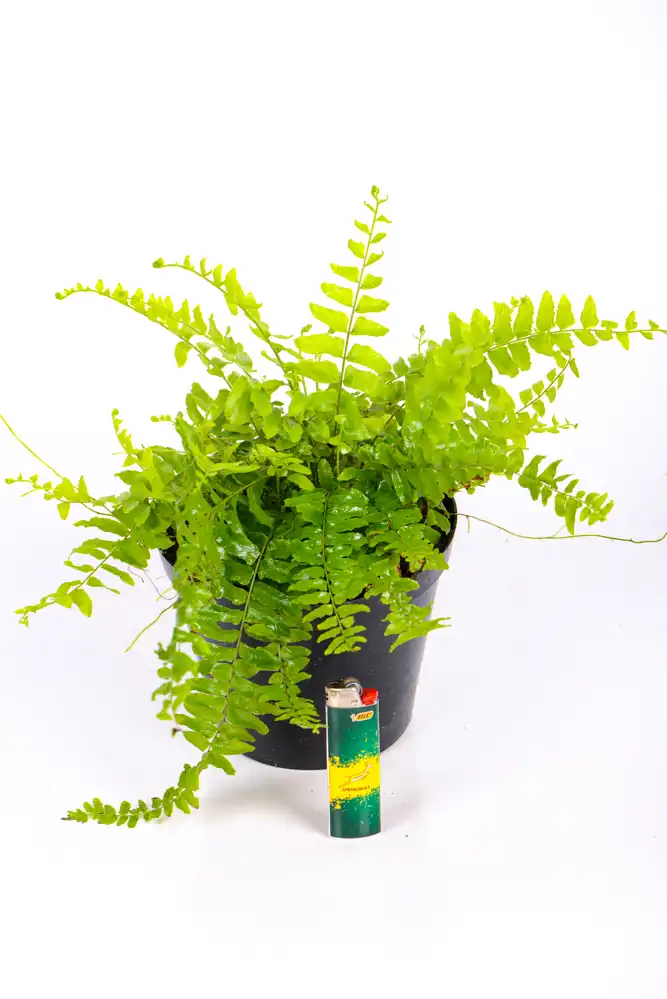
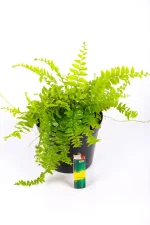
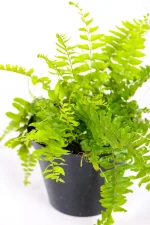
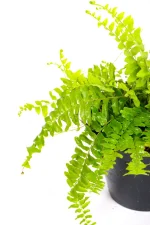
The Boston Fern is a reliable indoor fern that quickly produces a full head of soft green, arching fronds. Supplied in a 15cm pot, this smaller size works well on shelves, tables and plant stands while the plant is still young. Keep it in good indirect light, don’t allow it to dry out completely and it will steadily fill out with fresh new fronds.
Add to Cart
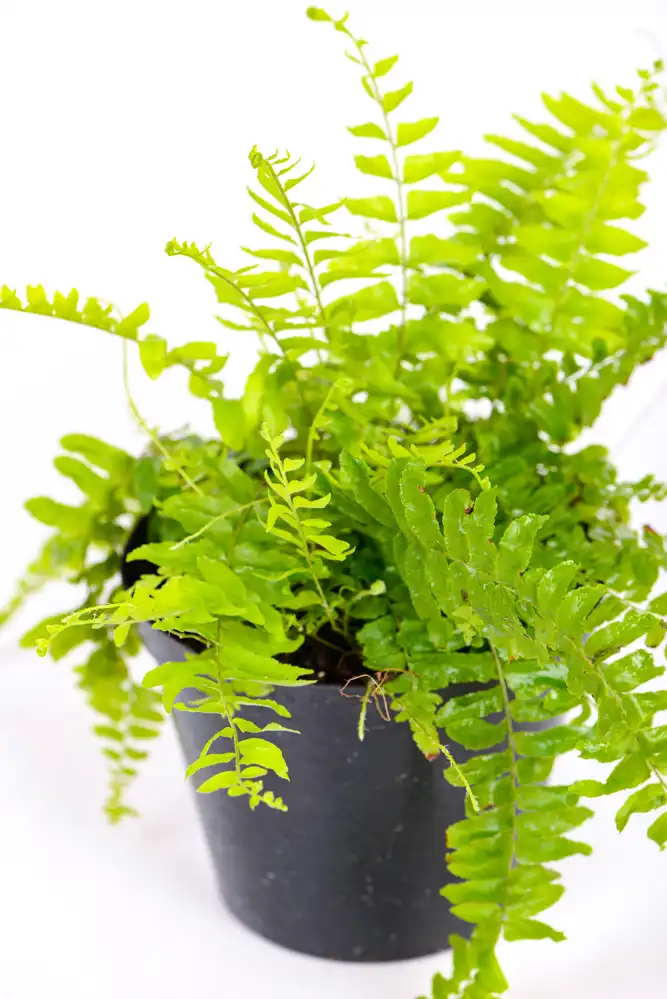
Full picture of a Small Boston Fern in a 15cm pot
Small Boston Fern
R160.00
Full picture of a Small Boston Fern in a 15cm pot
Small Boston Fern
R160.00
Questions? Send it to us!
Name

Commonly Known As : Small Boston Fern | Sword Fern | Boston Sword Fern

Botanical Name : Nephrolepis exaltata

Boston Ferns have been grown as houseplants for generations, and they’re still one of the best choices if you enjoy plants with plenty of foliage.

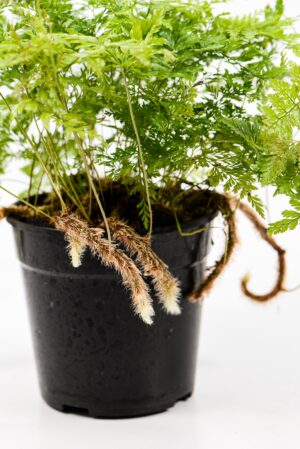
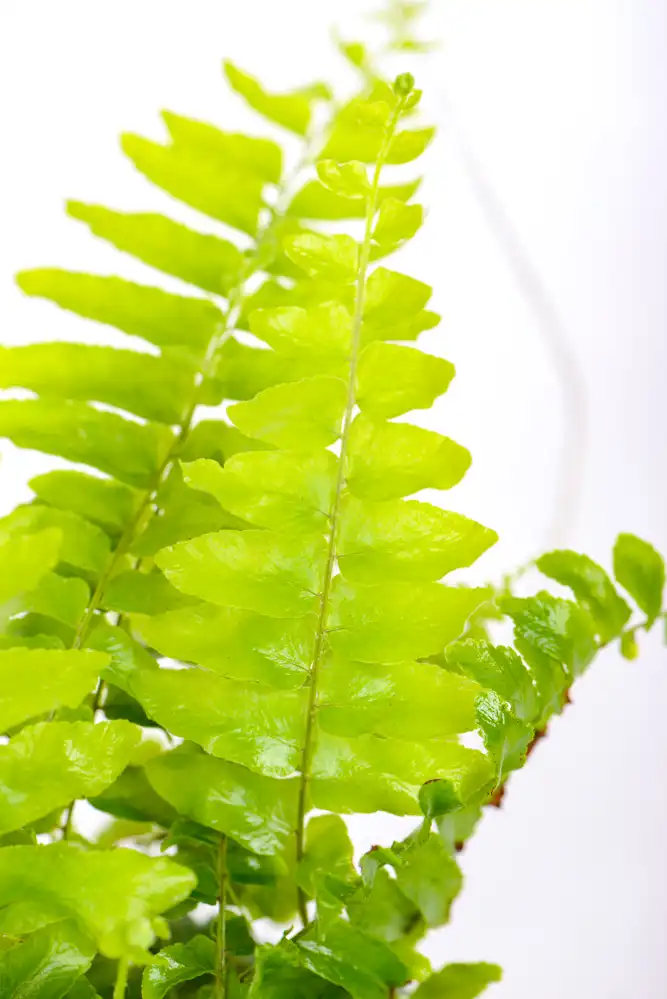
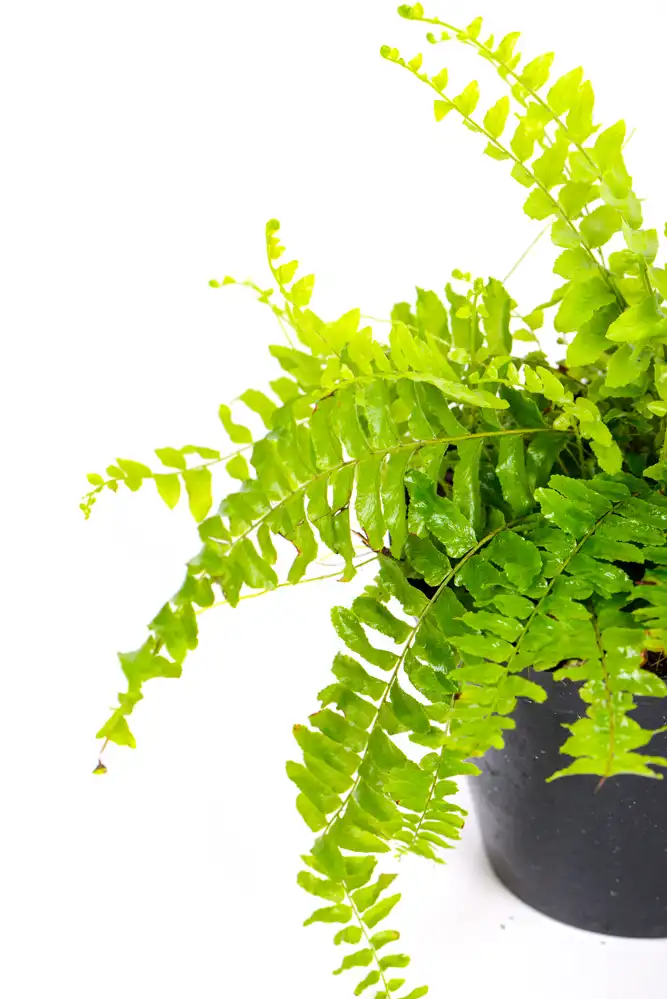
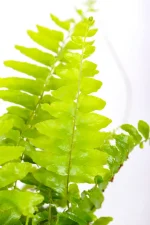
These smaller plants are supplied in 15cm pots and produce masses of soft green fronds from the centre of the plant. As they mature, the fronds become longer and begin arching over the sides of the pot, gradually developing the full shape Boston Ferns are known for.

They’re particularly good plants for bathrooms with good natural light, kitchens, covered patios and other areas where the air doesn’t become excessively dry.

The biggest thing to understand about Boston Ferns is watering. They have a dense root system and don’t appreciate being allowed to dry out completely. Keep the growing medium evenly moist, especially during warm weather, while still allowing excess water to drain freely from the pot.

Light is equally important. Although ferns are often sold as plants for dark rooms, Boston Ferns still need good natural light to grow properly. Bright, indirect light or gentle morning sun will encourage much stronger growth and regular production of new fronds.

Boston Ferns are also hungry plants when they’re actively growing. Regular fertilising through spring and summer makes a considerable difference to the colour, size and number of new fronds they produce.

Given consistent moisture, decent light and regular feeding, a small Boston Fern can develop into a substantial plant surprisingly quickly.

Small Boston Fern Care Guide

Water logo

Watering – How often should I water it?

Keep the growing medium consistently and evenly moist without leaving it waterlogged. Check it regularly during warm weather because a 15cm pot can dry relatively quickly. Water thoroughly once the surface begins to dry and allow excess water to drain away.

Light logo

Light – Where should I place my Boston Fern?

Give it bright, indirect natural light. Gentle morning sun is also beneficial, but avoid harsh afternoon sun. Don’t put it in a dark room simply because it’s a fern; good light produces a much fuller and healthier plant.

Humidity logo

Humidity – Does a Boston Fern need high humidity?

Boston Ferns appreciate higher humidity and generally perform particularly well in bathrooms with good natural light, kitchens and sheltered patios. During very dry weather, keeping it amongst other plants can also help.

Soil Logo

Soil – What growing medium should I use?

Use a growing medium that retains some moisture while still allowing plenty of air around the roots. I recommend Milled Bark Growing Medium. A small amount of Perlite can be added to maintain good drainage.

Fertilizing logo

Feeding – How should I fertilise my Boston Fern?

Boston Ferns respond very well to regular feeding. Use Grobest Organic Fertiliser regularly during spring and summer. You can also use Controlled Release Fertiliser to provide a steady supply of nutrients over several months.

Repotting logi

Repotting – When should I repot it?

Boston Ferns develop dense root systems and may eventually fill their pots quite quickly. Repot once the roots have filled the 15cm container, preferably during spring or summer. Move up by one pot size rather than placing it straight into a much larger container.

Pruning – Can I cut off old fronds?

Yes. Remove yellow or completely brown fronds at their base using clean scissors. This allows fresh growth emerging from the centre to take their place.

Pest image

Pests – What should I look out for?

Spider mites, scale and mealybugs can occasionally appear. Spider mites are particularly worth watching for when conditions become hot and dry. Check through the foliage regularly rather than only looking at the top of the plant.

Temerature image

Temperature – What temperatures does it prefer?

Boston Ferns grow well at approximately 16°C–26°C. Protect them from frost, very cold drafts and hot dry air from heaters.

FAQ’s

Q: Is a Boston Fern easy to grow?
Yes, provided you remember that it doesn’t like becoming completely dry. Consistent watering, good natural light and regular feeding are the main requirements.

Q: Why is my Boston Fern getting crispy brown fronds?
The most common reasons are allowing the root ball to become too dry, very dry air or inconsistent watering. Check the growing medium regularly, particularly during hot weather.

Q: Can I keep a Boston Fern in my bathroom?
Yes, and bathrooms can be excellent for them provided there is good natural light. A dark bathroom without a suitable window isn’t enough.

Q: Can Boston Fern grow outside?
Yes. It grows very well outside in a protected position with bright filtered light or gentle morning sun. Keep it protected from frost and strong afternoon sun.

Q: How big will my small Boston Fern become?
Given good growing conditions, it will gradually produce longer fronds and become considerably fuller. Boston Ferns can eventually form large plants, particularly when regularly fed and repotted as they grow.

Q: Should I mist my Boston Fern?
You can mist it during hot, dry weather, but consistent root moisture is much more important. Misting shouldn’t be used as a replacement for proper watering.

Q: Is Boston Fern pet safe?
Yes. Nephrolepis exaltata is generally considered non-toxic to cats and dogs.

Be sure to visit and follow us Facebook and Instagram