





Variegated Ripple Peperomia

R130.00

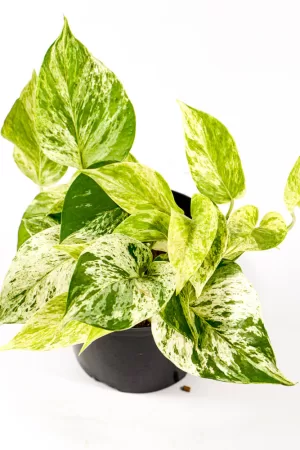
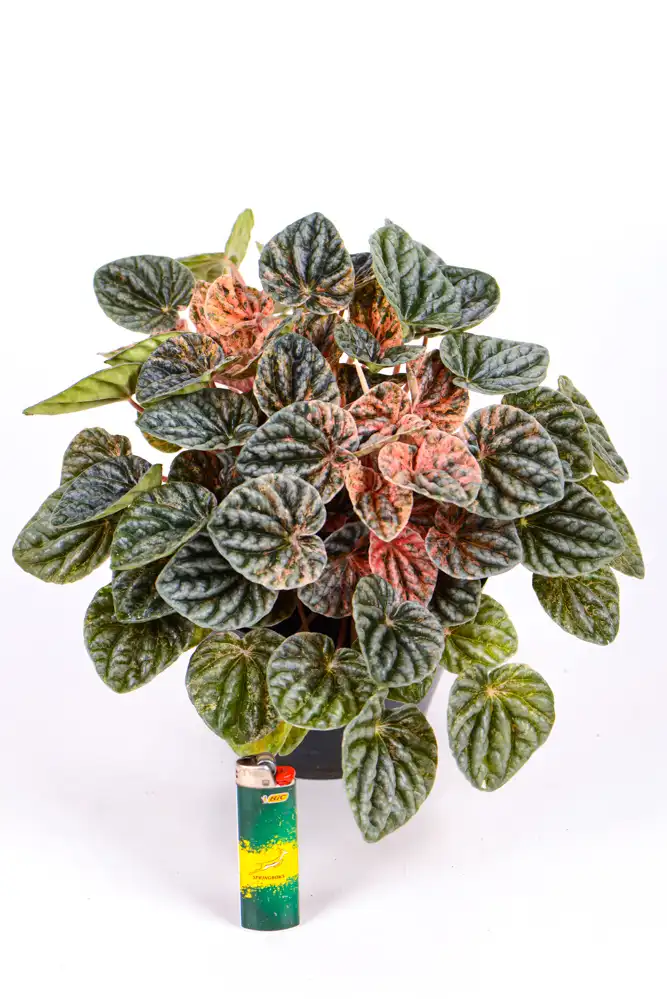
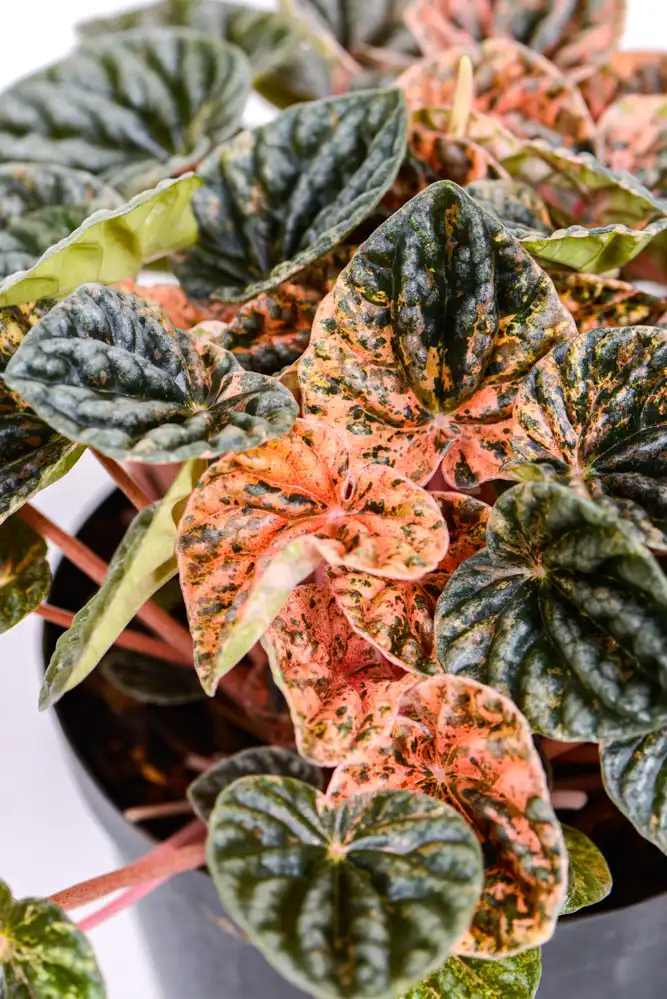
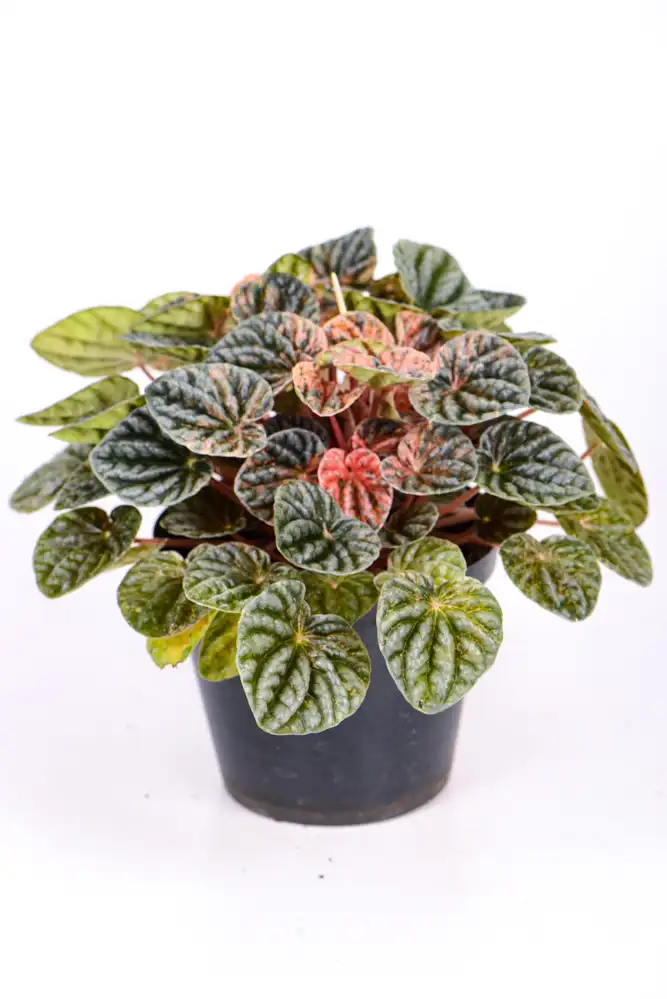
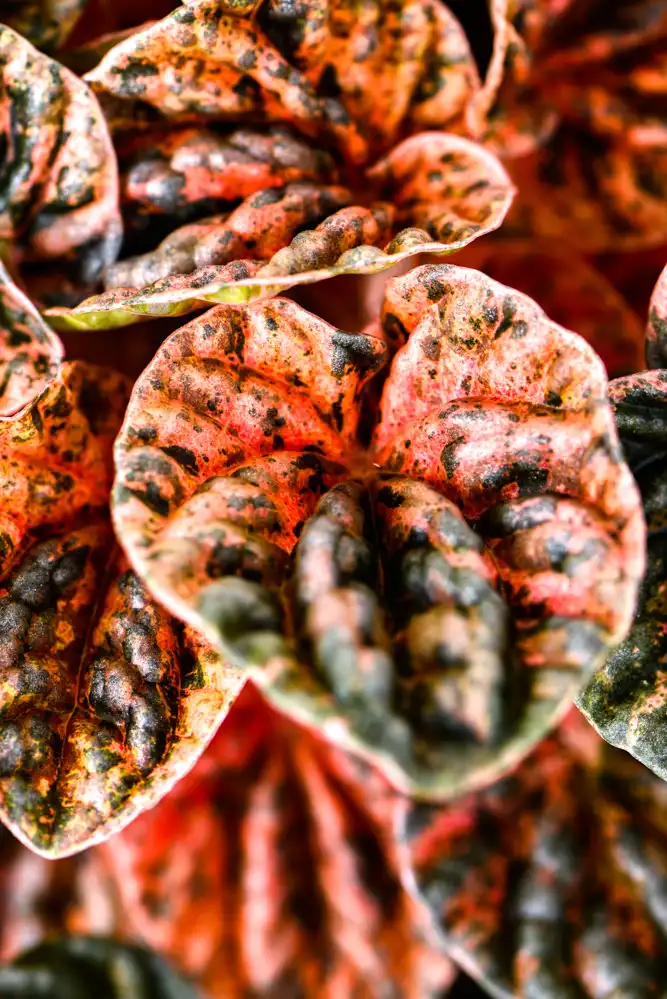
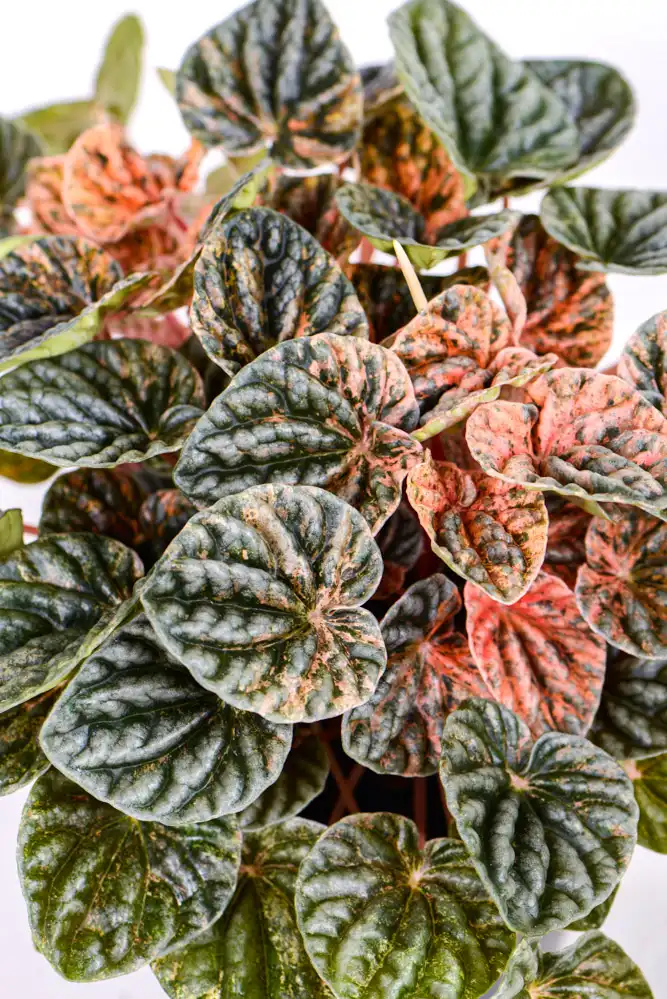
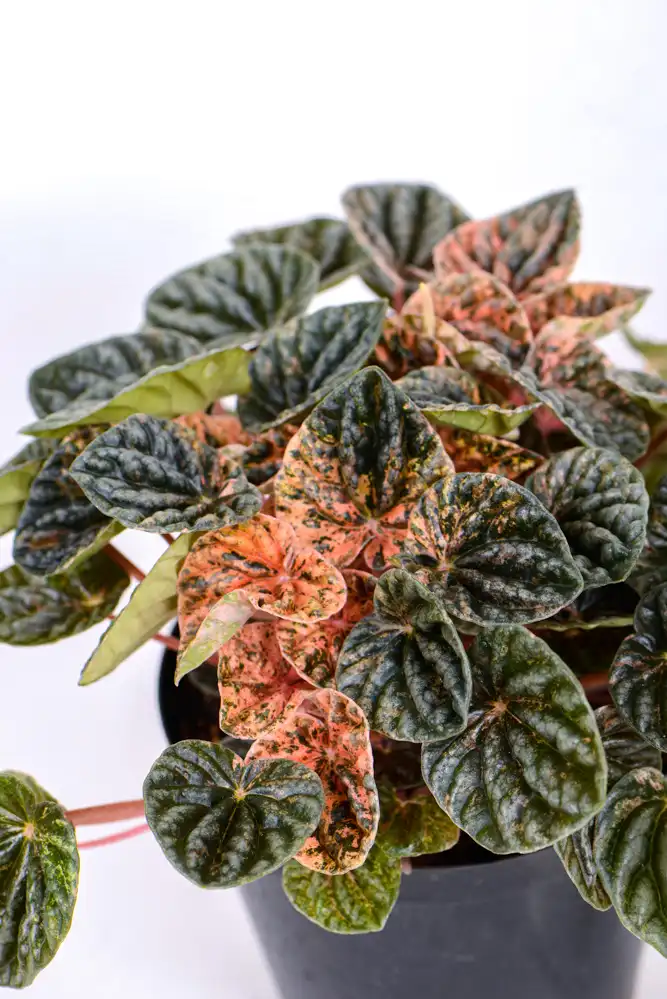
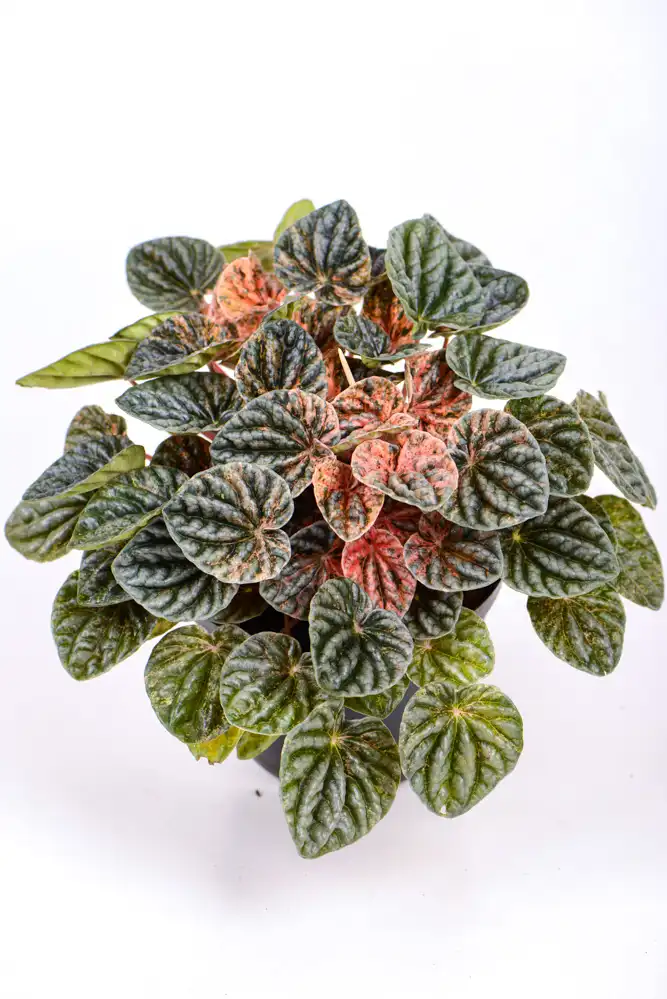
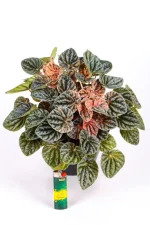
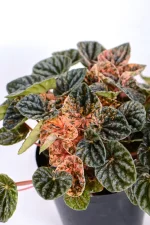
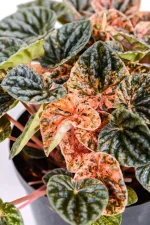
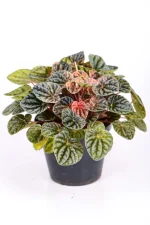
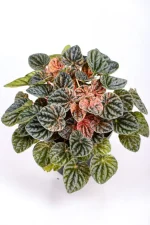
The Variegated Ripple Peperomia packs an incredible amount of detail into a compact plant. Its deeply rippled leaves combine shades of green, cream and pale yellow, with every leaf developing a slightly different variegated pattern.

Growing into a naturally dense clump, these plants come in black 15cm pots and work particularly well on desks, shelves and smaller tables where you can properly appreciate the unusual foliage.
Add to Cart
Full and bushy Variegated Ripple Peperomia
Variegated Ripple Peperomia
R130.00
Full and bushy Variegated Ripple Peperomia
Variegated Ripple Peperomia
R130.00
Questions? Send it to us!
Name

Commonly known as: Variegated Ripple Peperomia | Variegated Peperomia | Ripple Peperomia 

Botanical name: Peperomia Caperata Variegata

Peperomias don’t need enormous leaves to get noticed, and the Variegated Ripple Peperomia is a perfect example.

The leaves have the deeply ridged, almost corrugated texture characteristic of Peperomia caperata, but variegation adds another layer of interest. Cream, pale yellow and different shades of green move across the foliage, while the pronounced veins create shadows between the ripples.

No two leaves look exactly the same.

The plant naturally grows as a compact clump rather than producing long trailing stems, with new leaves continually emerging from the centre. As the plant fills its pot, the foliage forms a dense mound.

It’s also a relatively straightforward Peperomia to grow once you understand one important thing: don’t keep it constantly wet.

Peperomia leaves have a thick, fleshy texture and store some moisture themselves. Consequently, the plant handles a little dryness considerably better than permanently wet roots. Let the growing medium dry partially between waterings, then water thoroughly.

Variegation also makes good light particularly important. Give it plenty of bright, indirect natural light to maintain strong colour and compact growth. A darker position won’t immediately kill the plant, but new growth may become greener and less impressive.

Overall, this is a great little foliage plant if you want something unusual without committing to a demanding care routine.

Variegated Ripple Peperomia Care Guide

Water logo

Watering – How often should I water it?

Allow the growing medium to dry partially between waterings, then water thoroughly and let the excess drain away.

Avoid keeping the pot permanently damp. Peperomia has relatively fine roots combined with moisture-storing leaves, so consistently waterlogged growing medium can cause problems quickly.

Light logo

Light – How much light does a Variegated Ripple Peperomia need?

Give it bright, indirect natural light. Good light helps maintain the cream and pale-green variegation while encouraging dense, compact growth.

Gentle morning sun can work well, but avoid harsh afternoon sun that can scorch the lighter sections of the leaves.

Humidity logo

Humidity – Does it need high humidity?

Average indoor humidity generally works perfectly well. While the plant appreciates some humidity, you don’t need to turn your house into a greenhouse to keep it happy.

Good airflow around the dense foliage remains important.

Soil Logo

Soil – What should I plant it in?

Use an open growing medium that drains freely while still retaining some moisture.

I recommend Milled Bark Growing Medium for Peperomia. You can add Perlite if you’d like to increase drainage and airflow further.

Fertilizing logo

Feeding – Should I fertilise my Peperomia?

Yes. Feed regularly while the plant actively produces new foliage.

Grobest Organic Fertiliser works well for regular feeding, while Controlled Release Fertiliser provides balanced nutrition consistently over time.

Repotting logi

Repotting – When should I repot my Peperomia?

Don’t rush it. Peperomias generally cope well in relatively compact pots and don’t need frequent repotting.

Once the root system properly fills the container, move up by only one pot size and use a fresh, well-draining growing medium.

Pest image

Pests – What should I watch for?

Check occasionally for mealybugs, spider mites and other common indoor plant pests, particularly around the base of the leaves where insects can hide amongst the dense growth.

Temerature image

Temperature – What temperatures does it prefer?

Normal warm indoor temperatures suit it well. Protect the plant from cold winter drafts and prolonged low temperatures.

FAQ’s

Q: Why are the leaves wrinkled and rippled?
That’s completely normal. The deeply ridged foliage is one of the defining characteristics of Peperomia caperata. The texture isn’t a sign that the plant needs water.

Q: Can I put it in direct sunlight?
Gentle early morning sun is usually fine. Avoid strong midday and afternoon sun, particularly through hot windows, as the pale variegated sections can scorch.

Q: Should I let Peperomia dry out completely?
You can allow the growing medium to dry considerably between waterings, but there’s no benefit in repeatedly leaving the plant bone dry for extended periods. Aim for a cycle of partial drying followed by a thorough watering.

Q: What are the long thin spikes growing from my Peperomia?
Those are its flowers. Peperomia produces narrow flower spikes rather than large colourful blooms. You can leave them or cut them off without harming the plant.

Q: Does Variegated Ripple Peperomia need a large pot?
No. Peperomias have relatively modest root systems and generally perform better when you increase the pot size gradually rather than placing them into an unnecessarily large volume of growing medium.

Q: Is Variegated Ripple Peperomia pet safe?
Yes. Peperomia caperata is generally considered non-toxic to cats and dogs, making it a good option for homes with pets.

Be sure to visit and follow us Facebook and Instagram