



Sale!

Venus Fly Trap Chinese Dumpling

Original price was: R450.00.Current price is: R350.00.

-22%

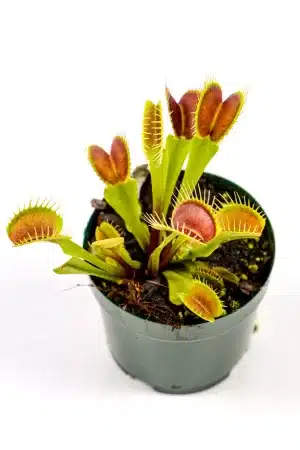
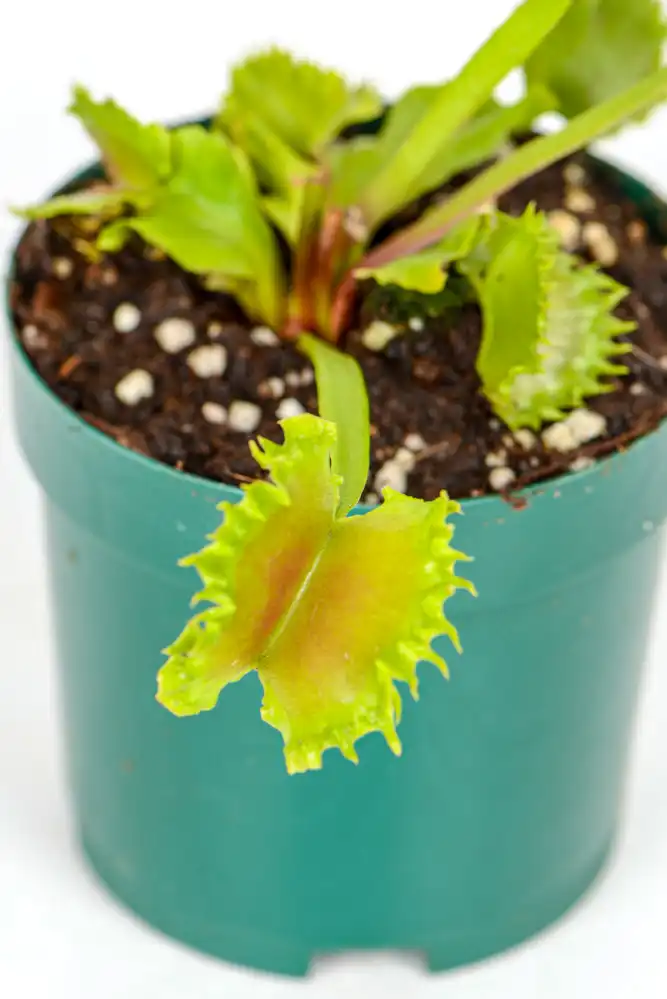
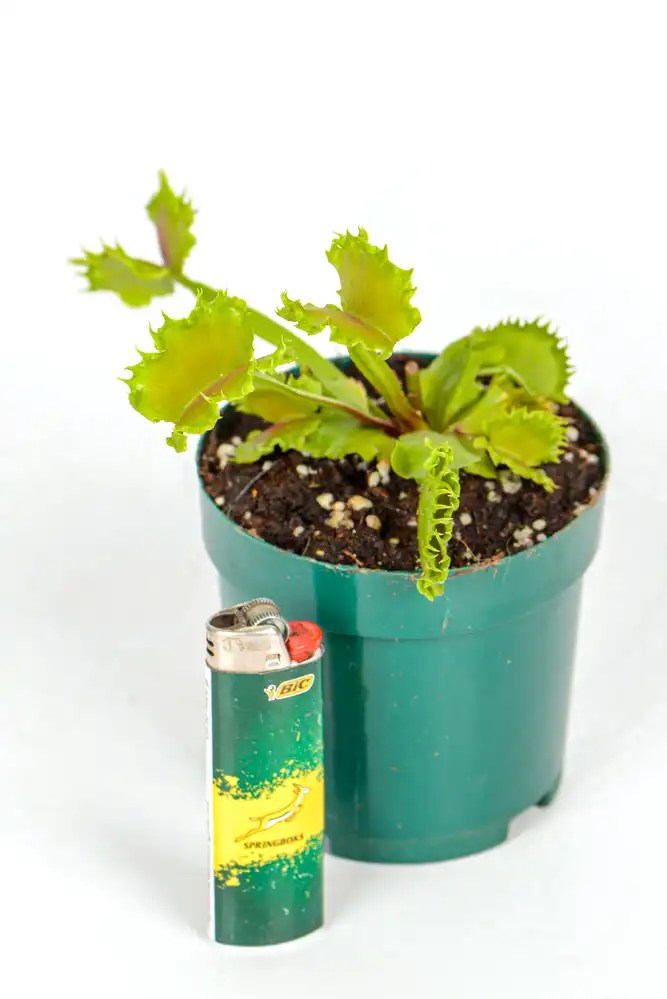
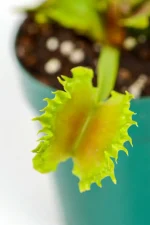
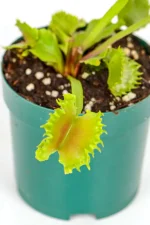
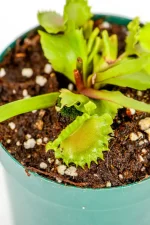
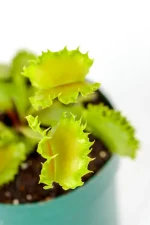
The Venus Fly Trap Chinese Dumpling lives up to its name. When a trap snaps shut, its rounded sides fold together like a tiny dumpling, complete with a crinkled edge. It’s a flytrap you’ll want to see up close.

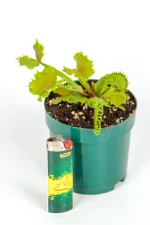
Supplied in a 12 cm pot.

In stock
Add to Cart
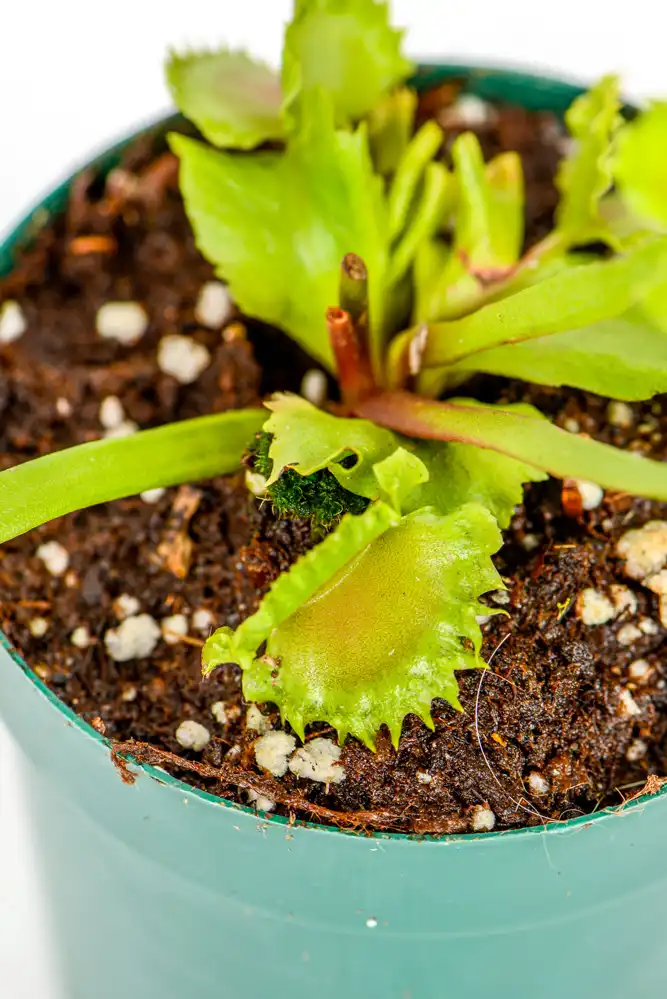
Close up of Venus Fly Trap Chinese Dumpling
Venus Fly Trap Chinese Dumpling
R450.00 Original price was: R450.00.R350.00Current price is: R350.00.
Less than 4 items left!
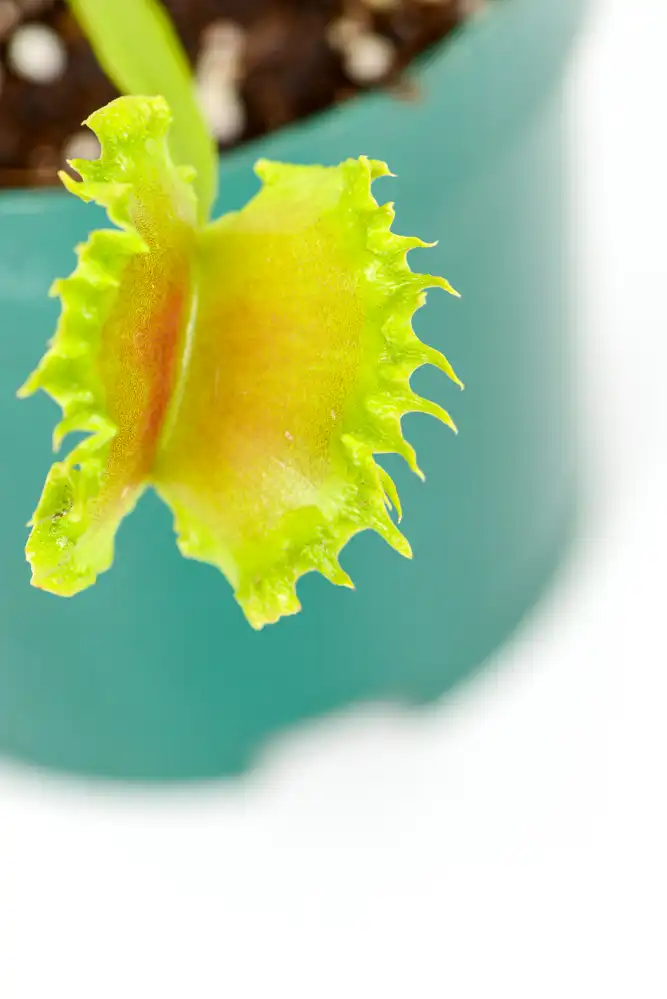
Close up of Venus Fly Trap Chinese Dumpling
Venus Fly Trap Chinese Dumpling
R450.00 Original price was: R450.00.R350.00Current price is: R350.00.
Questions? Send it to us!

Commonly known as: Chinese Dumpling Venus Fly Trap, Chinese Dumpling Flytrap

Botanical name: Dionaea muscipula ‘Chinese Dumpling’

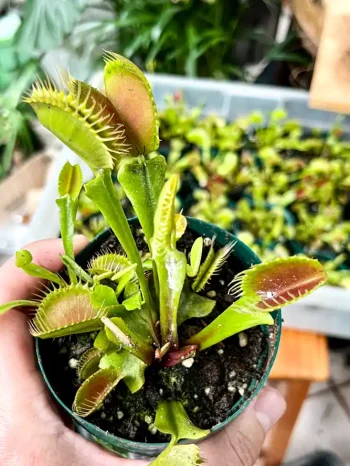
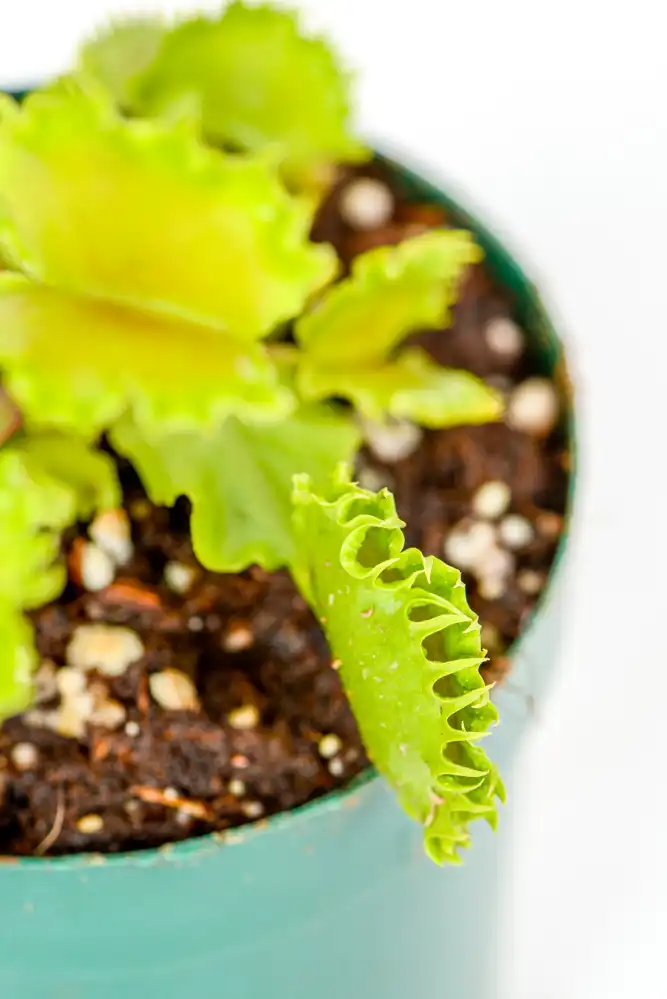
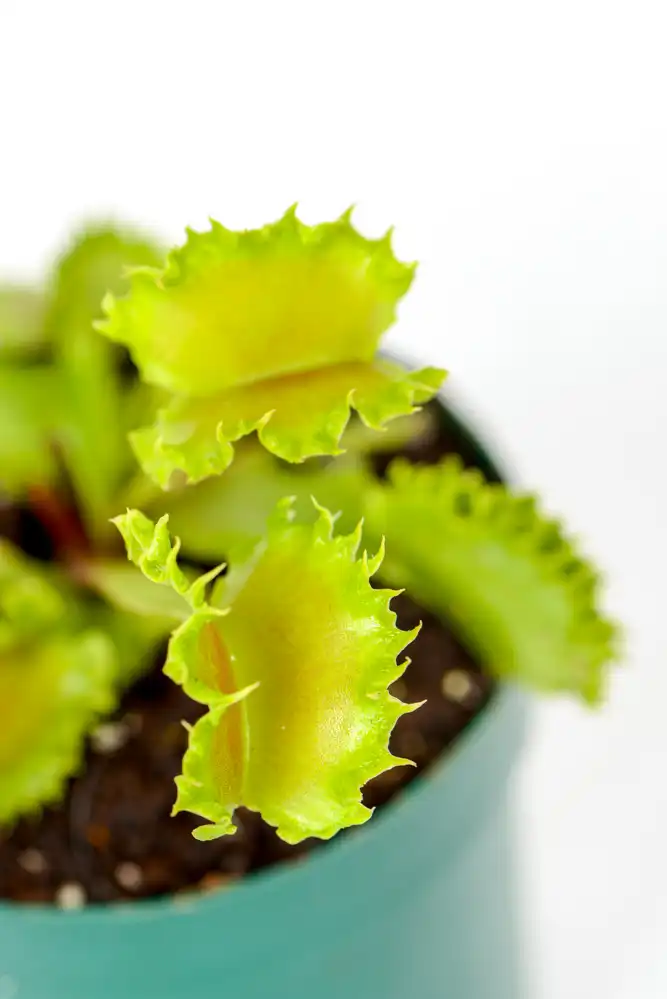
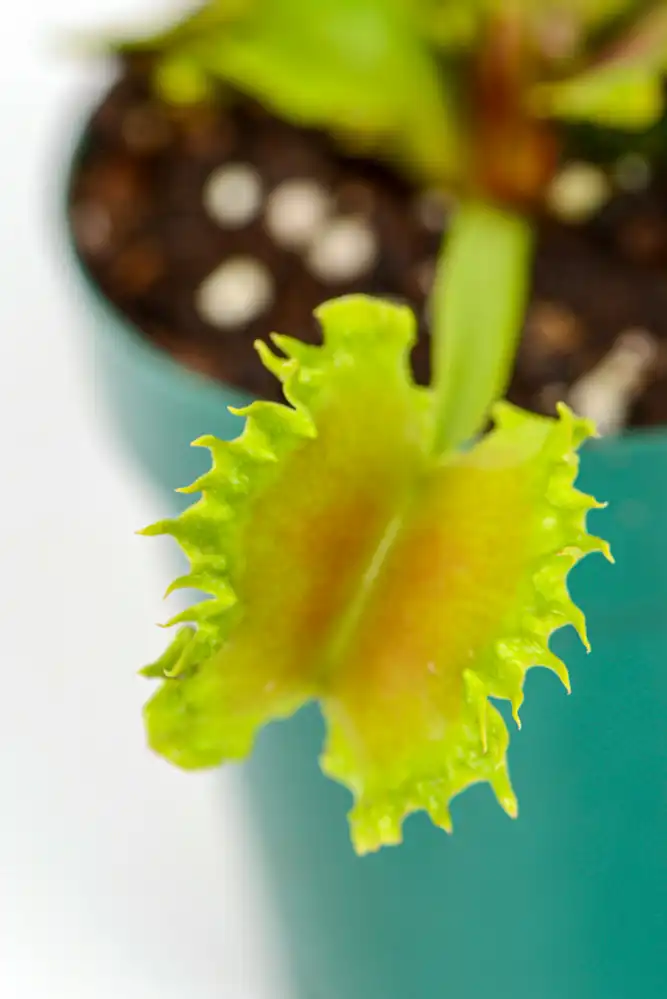
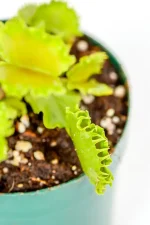
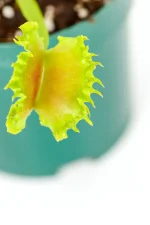
Look at an open trap on Chinese Dumpling from the side and you can see how deeply cupped its two halves are. The rim ripples and the little teeth follow its curves. When a small insect triggers the trap, those cupped halves fold together into the pinched shape that gave this flytrap its name.

The plant grows in a low rosette, with fresh traps opening from the centre. Some stay green while others take on a red flush inside, making the folds around the rim easier to see. Even on the same plant, some traps look rounder and others have a more pronounced crinkle.

These plants come in 12 cm pots. Set yours somewhere you can get a good look from the side as well as from above. That’s where you’ll see the shape best, especially when a trap has just closed.

Venus Fly Trap Chinese Dumpling Care Guide

Water logo

Watering – What water should I use?

Use rainwater, distilled water or reverse osmosis water. In spring and summer, stand the pot in a shallow tray with about 1 cm of water and top it up to keep the mix moist. In winter, keep the mix damp and reduce the water in the tray.

Light logo

Light – Where should I put it?

A sunny patio or windowsill outdoors is ideal. Aim for 4–6 hours of direct sun daily and ease the plant into stronger sun over the first week or two. Indoors, start at your sunniest north-facing window and supplement with a grow light if it gets too little direct sun.

Humidity logo

Humidity – Does it need extra humidity?

Open air and a moist root zone are enough for most growing spots. Refill the shallow water tray as needed during hot weather. A closed terrarium can overheat in direct sun.

Soil Logo

Soil – Which potting mix suits it?

Use a low-nutrient mix with sphagnum peat as the only peat source. Our Venus Fly Trap Soil combines sphagnum peat with perlite for drainage. Avoid coco peat, compost and mixes with added fertiliser.

Fertilizing logo

Feeding – Do I need to feed the traps?

Outdoors, let the plant catch its own insects. If you grow it indoors, you can occasionally offer one healthy, open trap a small live insect that fits inside. Keep fertiliser out of the potting mix and keep food scraps out of the traps.

Repotting logi

Repotting – When does it need a larger pot?

Give it time to settle in its 12 cm pot. If the mix compacts or the rosette runs out of room, repot in late winter or early spring. Use fresh carnivorous plant mix and a pot with good drainage.

Pest image

Pests – What should I check for?

Check the centre and bases of new leaves for aphids, especially if new growth looks weak or distorted. The rippled edges of healthy Chinese Dumpling traps are part of their normal shape.

Temerature image

Temperature – What happens in winter?

Shorter days and cooler weather cue winter dormancy. Older traps may darken and growth slows. Keep the plant in a cool, bright spot, shelter the pot from hard frost and keep the mix damp until fresh growth picks up in spring.

Frequently asked questions

Why do the traps look crinkled?
The curved lobes and wavy edges are characteristic of Chinese Dumpling. Look for healthy new growth at the centre of the rosette.

Will the traps always be red?
Colour varies with growing conditions and season. The rounded shape is what gives this flytrap its name.

Can I close a trap with my finger?
Leave the traps open for insects. Each closure uses energy, and traps can close only a limited number of times.

Be sure to visit and follow us Facebook and Instagram