




Commonly known as:
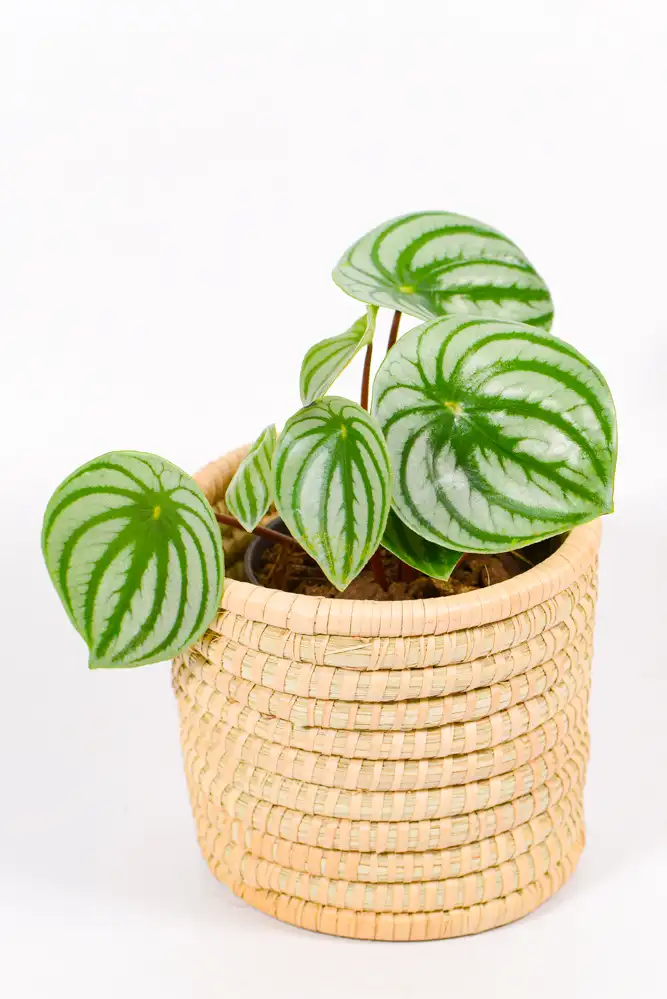
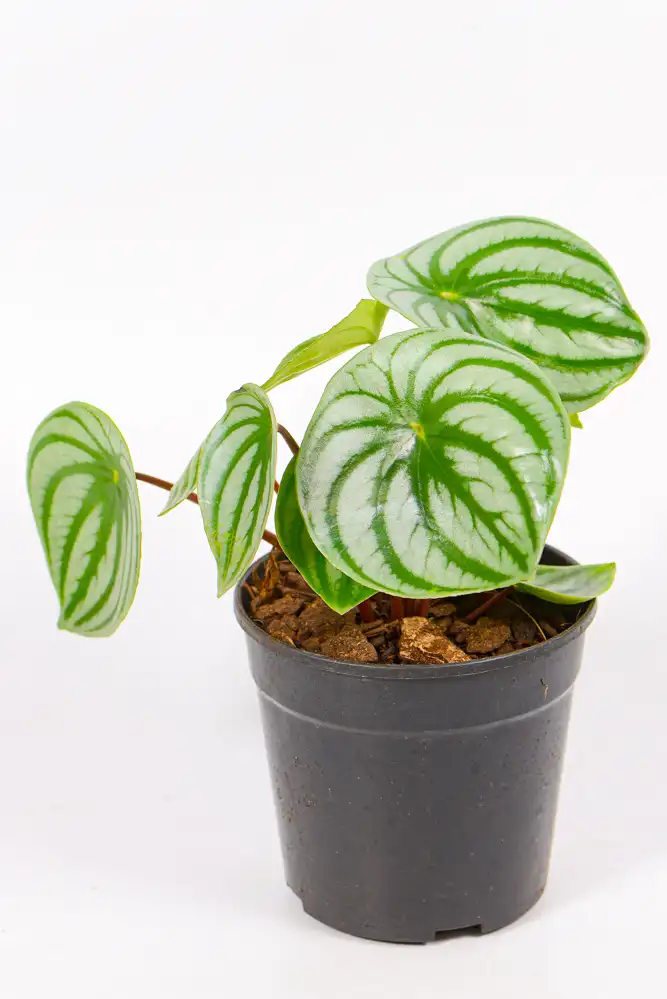
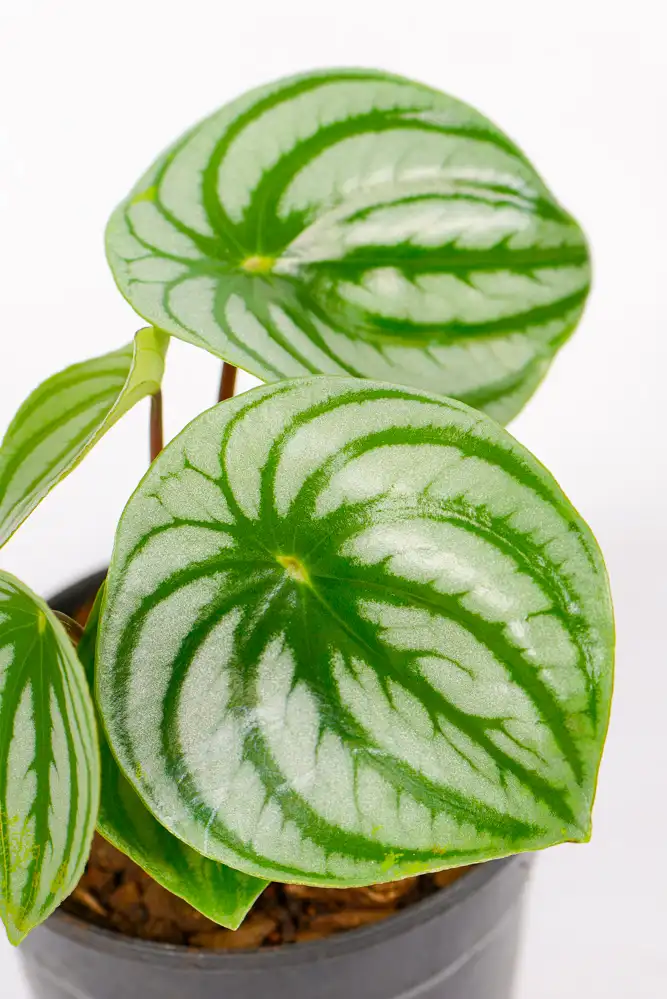
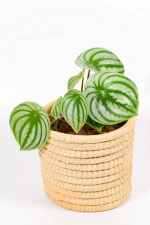
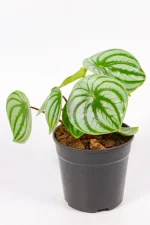
Watermelon Peperomia
Botanical name: Peperomia Argyreia
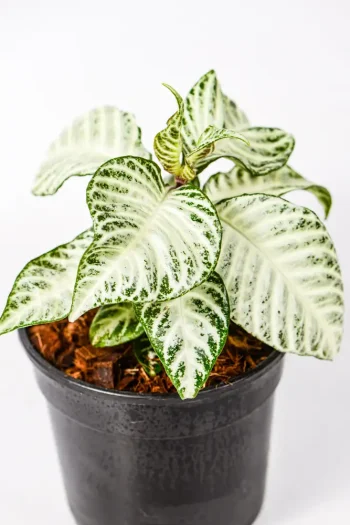
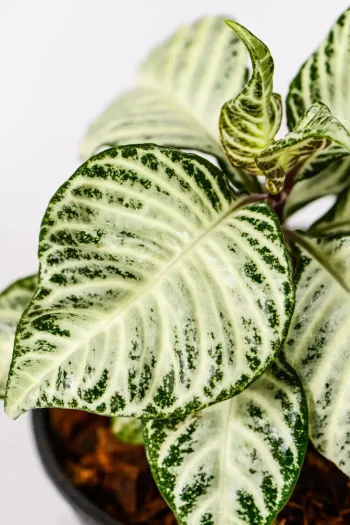
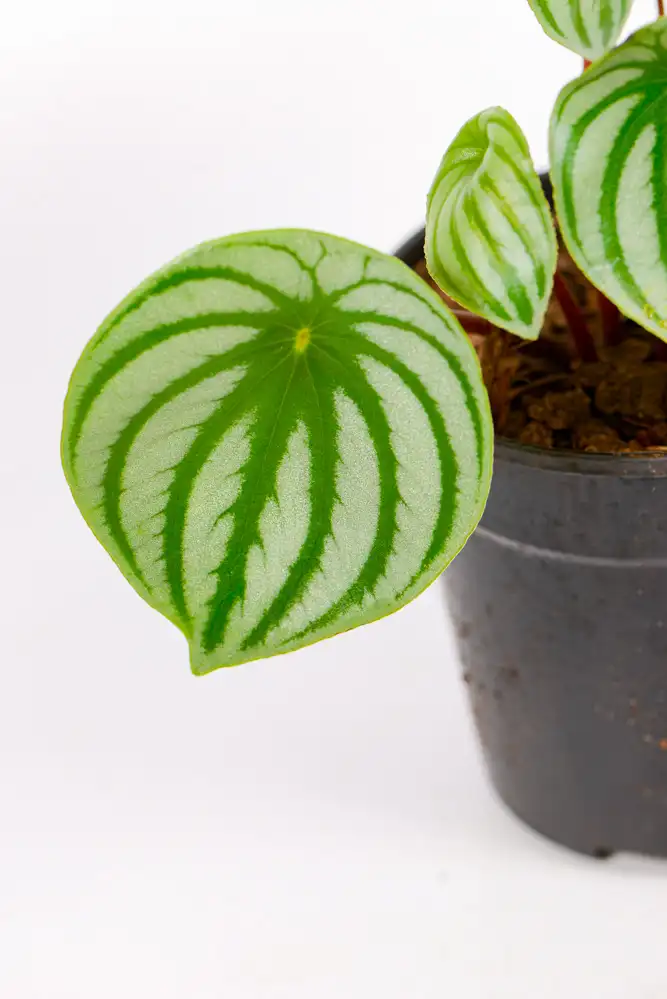
The Peperomia argyreia is named for its striking leaves that resemble the rind of a watermelon — silver and green stripes on a plump, textured surface. In a hanging basket, the stems gently arch over the edge, creating a lush, rounded look. These are mature plants, already full and ready to thrive in bright indoor spots.
Peperomia Watermelon Care Guide
Watering – How often should I water my Watermelon Peperomia?
Water only when the top few centimetres of soil feel dry. It stores a bit of moisture in its fleshy leaves, so it’s better to underwater than overwater. In summer, that’s roughly every 7 days; in winter, closer to every two weeks. Always ensure excess water drains freely to avoid root rot.
Light – Where should I hang my Watermelon Peperomia?
Choose a spot with bright, filtered light. Morning sun or soft indirect light keeps the leaves vivid. Too little light dulls the silver stripes; too much direct sun can fade or burn them. East- or north-facing windows are ideal.
Humidity – Does this plant enjoy humidity?
Yes — moderate to high humidity keeps the foliage plump and glossy. Normal indoor humidity is fine, but in dry conditions you can lightly mist or group it with other plants to raise the moisture level naturally.
Soil – What soil mix is best for Peperomia argyreia?
For optimal drainage and healthy roots, use our Aroid Mix, or blend your own with Barks Unlimited Potting Soil and Perlite. A loose, airy mix prevents soggy roots and keeps oxygen circulating around the base.
Feeding – How should I fertilise my Watermelon Peperomia?
Feed once a month in spring and summer using a gentle Organic Fertiliser. For slower, sustained feeding, sprinkle a small amount of Controlled Release Fertiliser into the mix at the start of the growing season. No feeding is needed in winter.
Repotting – When should I repot a Watermelon Peperomia?
These plants prefer being slightly root-bound, so repot only every 18–24 months. Move to a pot one size up and refresh the soil. Add a few Bark Chips to improve structure and airflow. Handle the delicate stems carefully when transferring from a hanging basket.
Pests – What pests can affect Peperomia?
They’re generally pest-free, but keep an eye out for mealybugs or fungus gnats if the soil stays damp. Treat early with an insecticidal spray and remove any damaged leaves. Wiping the foliage occasionally helps keep pests away and maintains that lovely sheen.
Temperature – What’s the ideal temperature range?
Keep between 18 °C and 27 °C. Avoid cold drafts and don’t let temperatures drop below 15 °C, as it will cause leaf drop.
FAQs
Q: Is the Watermelon Peperomia safe for pets?
Yes, it’s non-toxic to both cats and dogs, making it a great choice for pet-friendly homes.
Q: Why are my Peperomia leaves curling or drooping?
That usually means inconsistent watering — either too much or too little. Check soil moisture and adjust your routine.
Q: Can I propagate my Watermelon Peperomia?
Definitely. Leaf or stem cuttings root easily in water or directly in moist soil.
Be sure to visit and follow us Facebook and Instagram