






Sale!

Anthurium Clarinervium

(3 Reviews)

Original price was: R450.00.Current price is: R290.00.

-36%

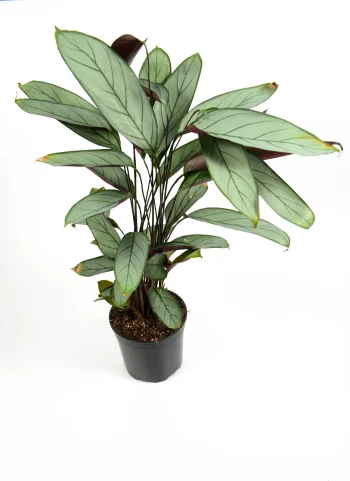
Anthurium clarinervium is a striking indoor plant known for its velvety, heart-shaped leaves and bold white veining. It’s slower growing and best suited to someone who enjoys plants that reward patience rather than fast results. These plants are grown in 14 cm pots and work well as feature plants on shelves, side tables, or desks where the foliage can be appreciated up close.

Only 1 left in stock

Add to Cart
Anthurium on a workdesk
Anthurium Clarinervium
R450.00 Original price was: R450.00.R290.00Current price is: R290.00.
Anthurium on a workdesk
Anthurium Clarinervium
R450.00 Original price was: R450.00.R290.00Current price is: R290.00.
Questions? Send it to us!
Name

Botanical name: Anthurium clarinervium

Commonly known as: Heart Leaf Anthurium


Anthurium clarinervium is grown primarily for its foliage, not its flowers. Each leaf is thick, softly textured, and deeply veined, creating strong contrast against the dark green surface. The overall look is bold without being loud, making it a favourite among collectors and anyone who prefers plants with character rather than size.

This species grows slowly and prefers stable conditions. It does not enjoy frequent handling or constant changes, but once settled into the right spot, it becomes a reliable and long-lived indoor plant. Because of its natural growth habit, it stays relatively compact and doesn’t require regular pruning or training.

Clarinervium is best placed where it can be seen and appreciated, rather than tucked away. With bright indirect light, careful watering, and an airy potting mix, it develops strong leaves and maintains its distinctive texture over time.

Anthurium Clarinervium Care Guide

Water logo

Watering – How often should I water it?

Water when the top 3–4 cm of soil feels dry. Anthurium clarinervium prefers evenly moist soil but does not tolerate being waterlogged. Always allow excess water to drain away fully.

Light logo

Light – What light does Anthurium clarinervium need?

Bright, indirect light is ideal. Too little light can slow growth, while direct sun may scorch the velvety leaves. Filtered light near a window works best.

Humidity logo

Humidity – Does it need humidity?

Yes. This plant benefits from moderate to higher humidity. While it can adapt to average indoor conditions, it performs best when humidity is consistent and the air isn’t too dry.

Soil Logo

Soil – What soil works best?

An airy, free-draining mix is essential. It’s recommended to use our Aroid Mix which is perfectly suited for this plant.  Alternatively, our Indoor Potting Soil provides a good base. To improve aeration and prevent compaction, you can mix in Perlite and Bark Chips, which help keep roots healthy and oxygenated.

Fertilizing logo

Feeding – How should I fertilise it?

Feed during spring and summer using a diluted dose of Grobest Organic Fertiliser every 4–6 weeks. As an alternative, Novatec Soluble Fertiliser can be used occasionally at a low dilution to support leaf growth. Avoid overfeeding, as this plant prefers gentle nutrition.

Repotting logi

Repotting – When should it be repotted?

Repot only when the plant becomes root-bound, usually every 18–24 months. Move up one pot size at a time and keep most of the existing soil around the roots intact. When refreshing the mix, or increasing the pot size, it’s best to use our Aroid Mix.

Pest image

Pests – What pests should I watch for?

Anthurium clarinervium is generally pest-resistant, but stressed plants may attract spider mites or mealybugs. Regular inspection and early treatment with an insecticidal spray will prevent issues from spreading.

Temerature image

Temperature – What temperature suits it best?

Ideal temperatures range between 18 °C and 26 °C. Avoid cold drafts and sudden temperature changes, which can stress the foliage.

FAQ’s

Q: Is Anthurium clarinervium difficult to care for?
Not difficult, but it does require consistency and patience.

Q: Does it flower often?
It can flower, but it’s primarily grown for its foliage rather than blooms.

Q: Can it tolerate low light?
It will survive, but growth will be slow and leaf quality may decline.

Q: Is it pet-safe?
No. Anthuriums are toxic if ingested and should be kept out of reach of pets.

Be sure to visit and follow us Facebook and Instagram

Customer Reviews

Aré
Rating: 5/5
So happy to have a beautiful anthurium again!
Tue Mar 10 2026 15:26:41 GMT+0000 (Coordinated Universal Time)
Riadri Van der Riet
Rating: 5/5
My first Anthurium
Beautiful veins! Looking forward to see how well it adapts to its new environment. So far so good!
Tue Feb 03 2026 08:21:16 GMT+0000 (Coordinated Universal Time)
Gustav Kotze
Rating: 5/5
Best plant shop ever
First time a was a bit unhappy but Tha last time a was very happy will definitely come back to you guys thank you so much guys
Mon Jun 02 2025 03:37:59 GMT+0000 (Coordinated Universal Time)