


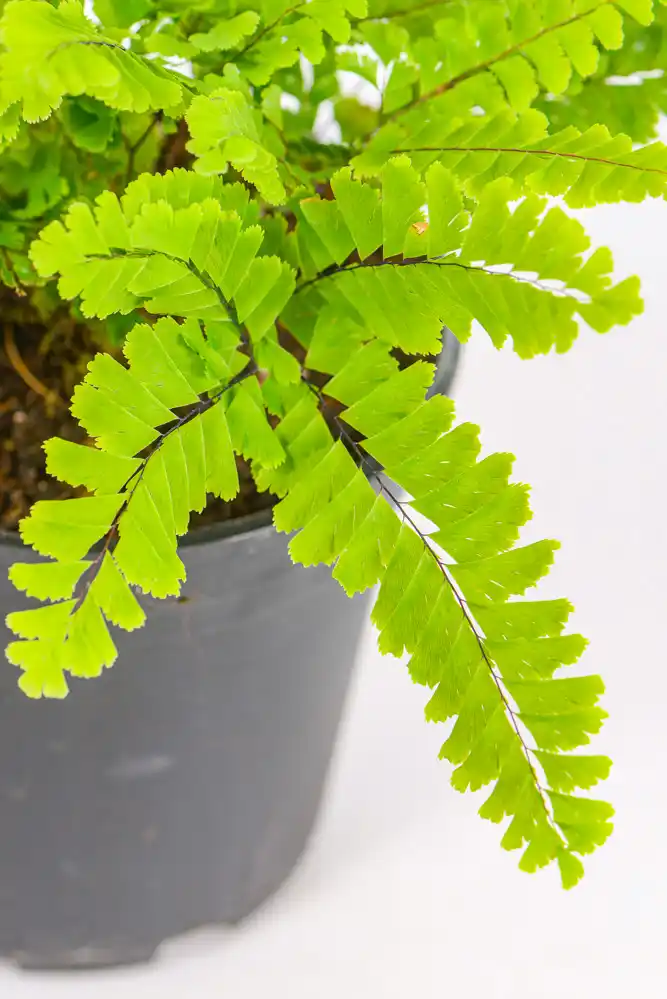
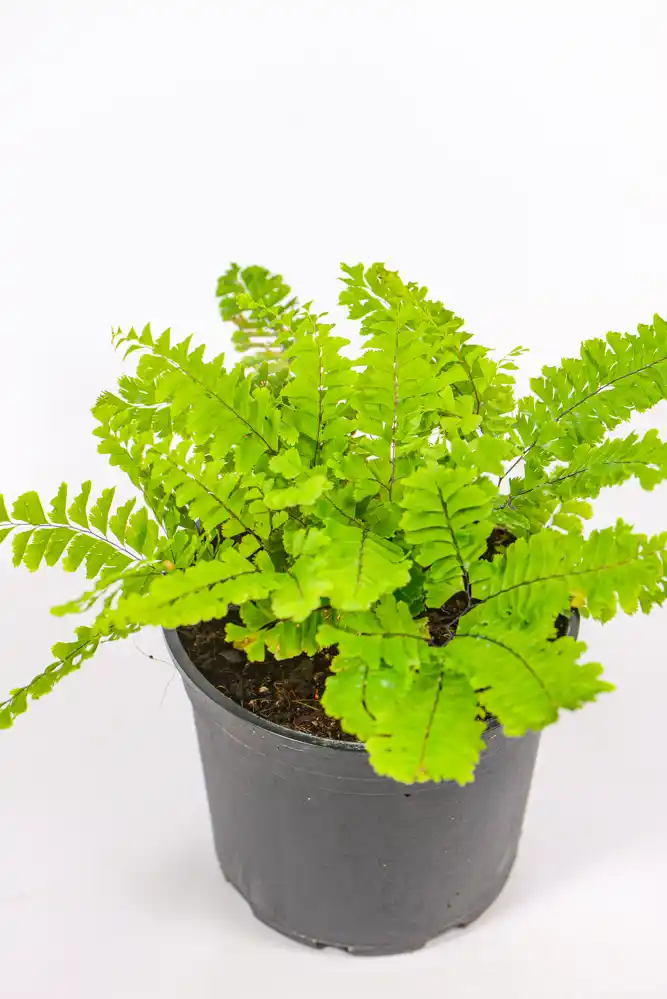
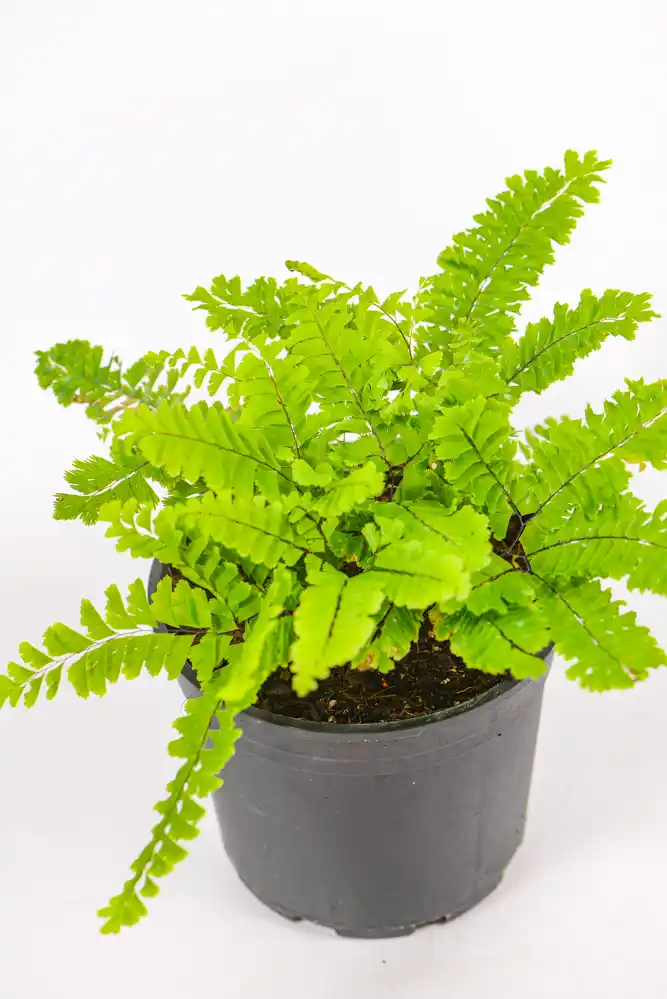
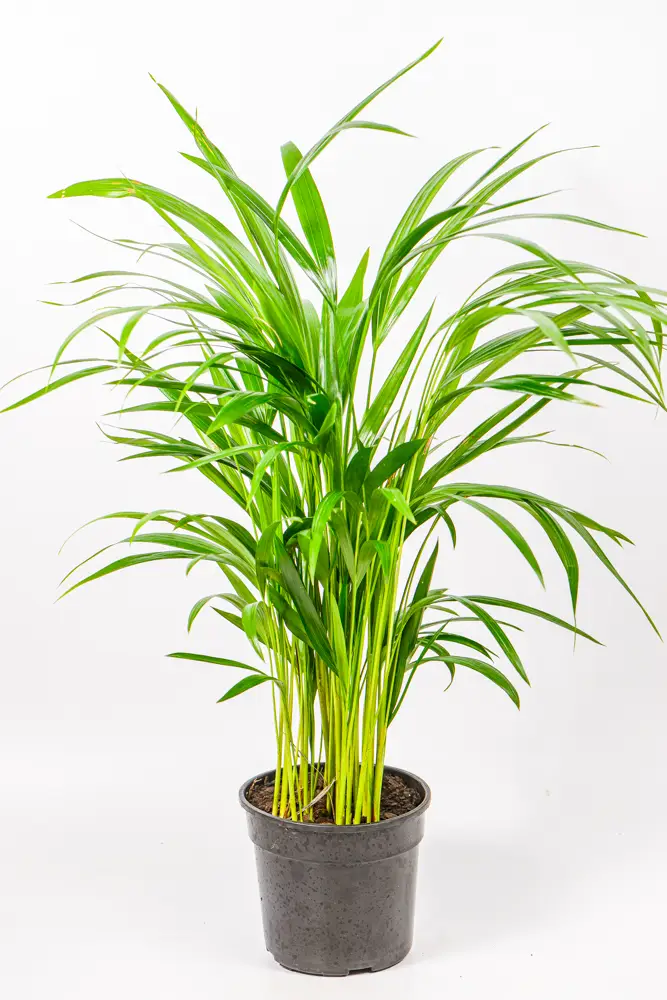
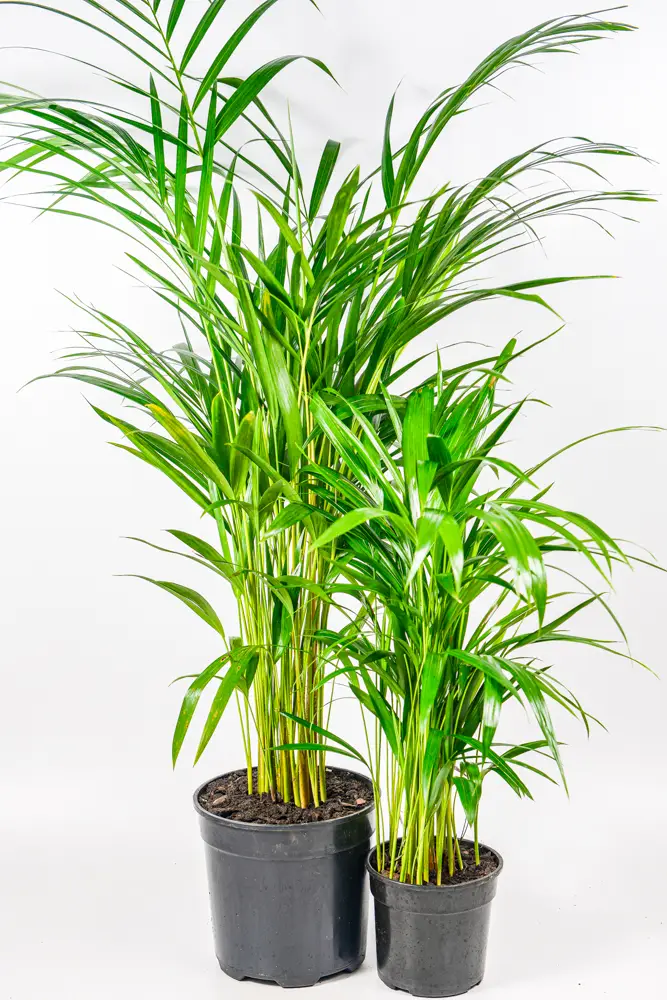
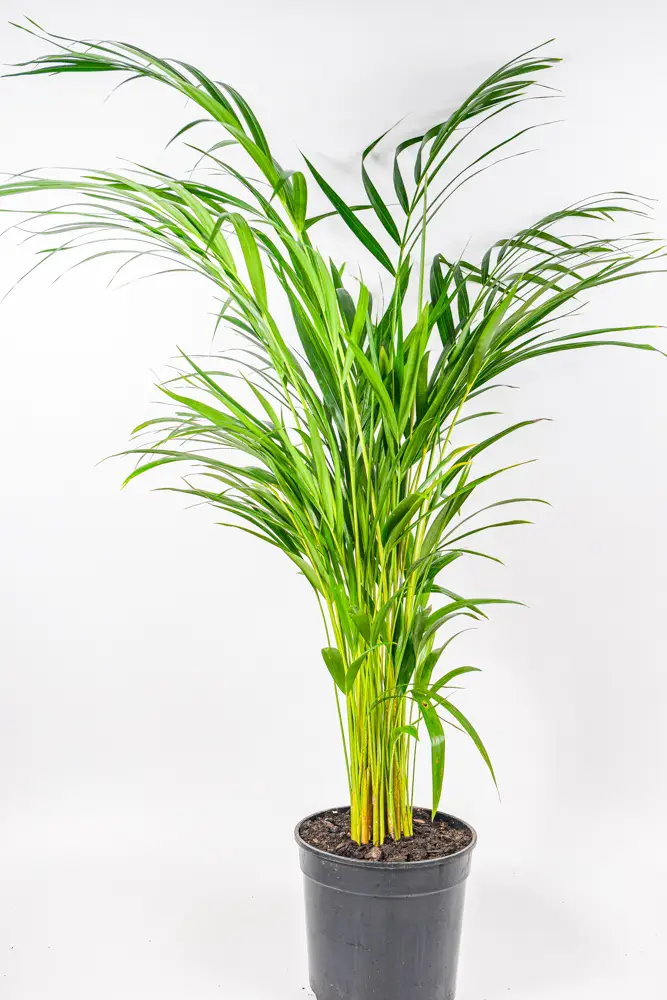
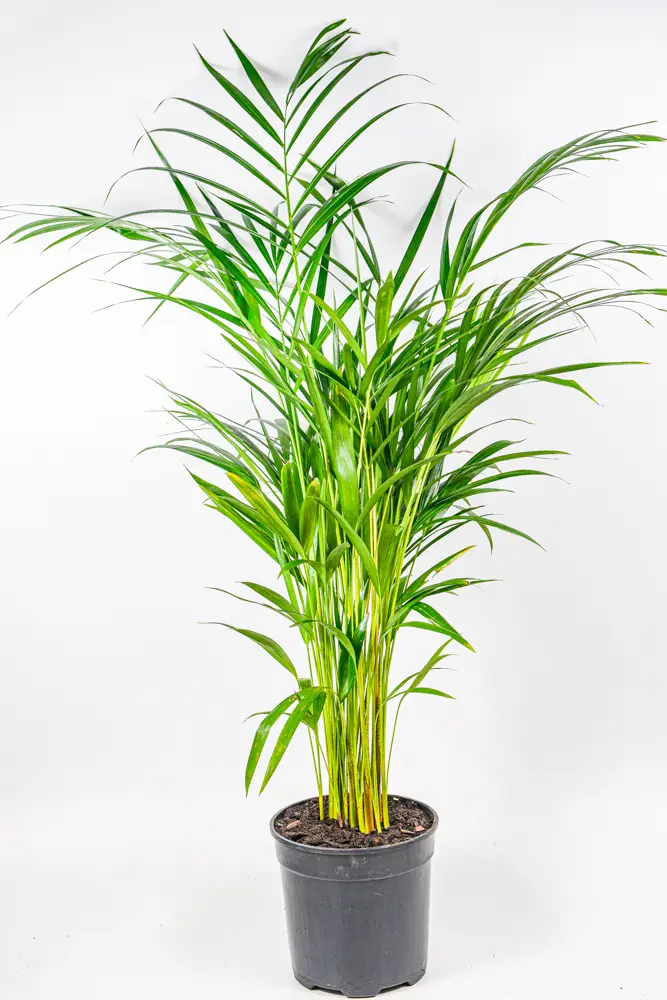
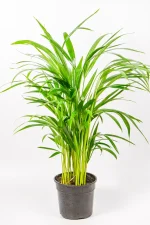
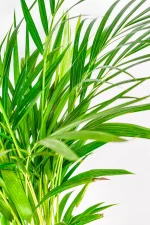
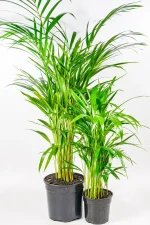
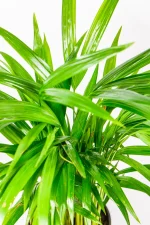
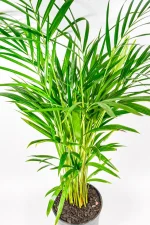
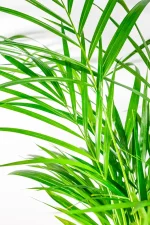
Commonly known as: Bamboo Palm | Areca Palm
Botanical name: Dypsis lutescens
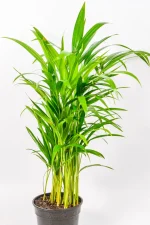
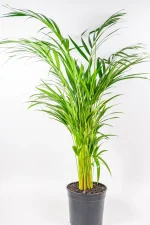
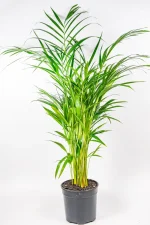
Bamboo Palm has been a favourite indoor palm for decades, and it’s easy to understand why. It’s reliable, easy to grow and produces a constant supply of fresh new fronds throughout the year.
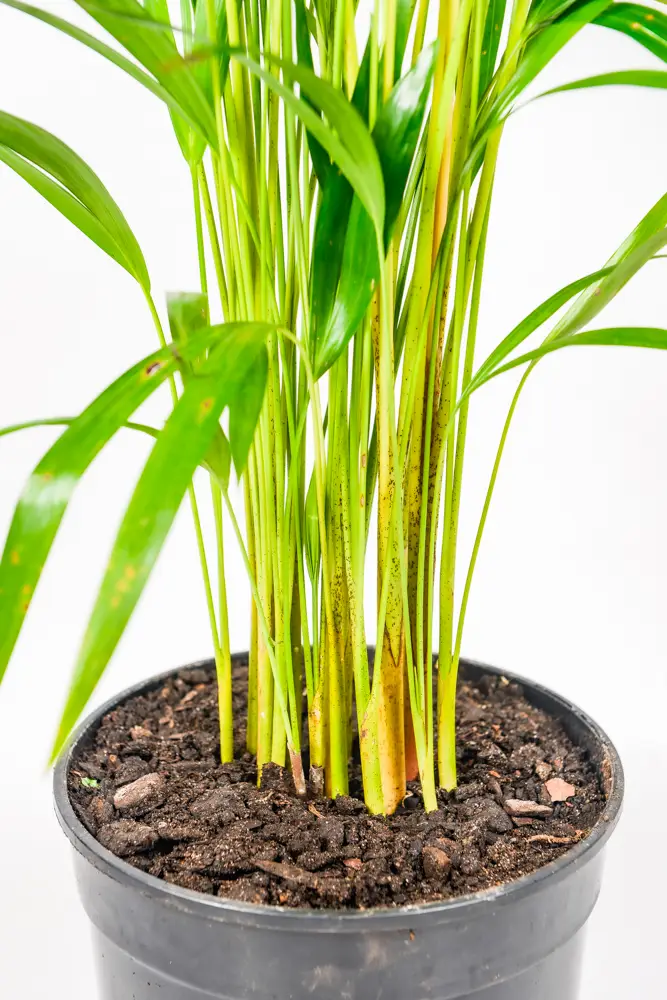
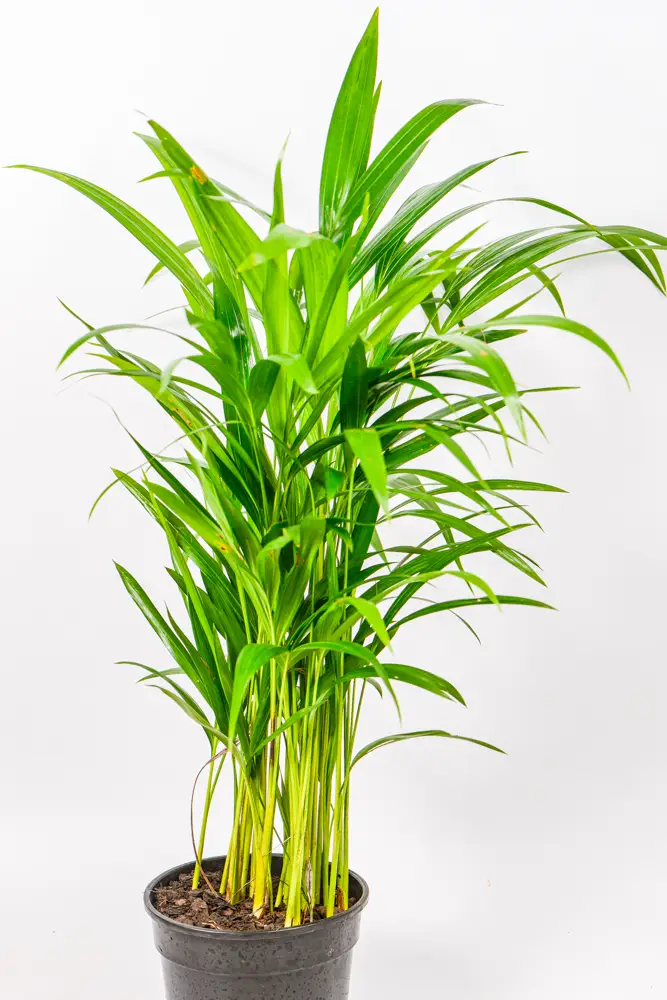
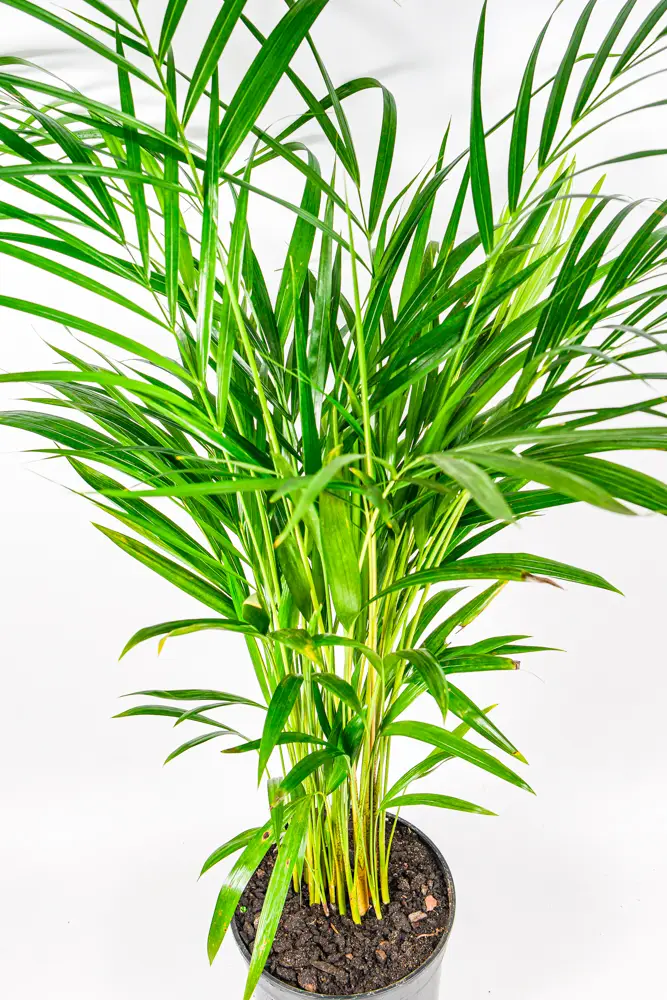
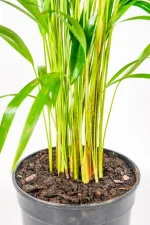
Unlike palms that grow from a single trunk, Bamboo Palm produces clusters of slender canes from the base. As the plant matures, new shoots continue to emerge, gradually making the pot fuller over time.
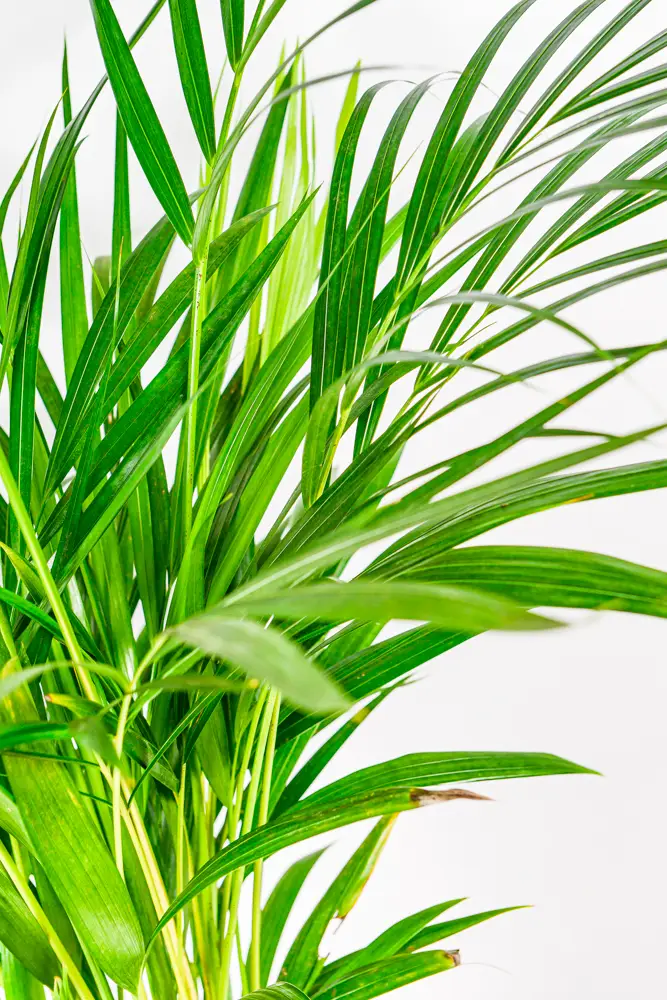
One of the things I enjoy most about growing Bamboo Palms is how regularly they produce new growth. Almost every month you’ll notice a fresh spear pushing up through the centre of the plant. Over the following few weeks it slowly opens into a new frond, replacing older foliage and keeping the plant looking healthy.
In nature, Bamboo Palms grow along stream banks and on the shaded floors of tropical forests in Mexico and Central America. Their roots are used to consistent moisture, which is why they perform much better when the growing medium is kept evenly moist rather than being allowed to dry out completely.
They’re also one of the more adaptable indoor palms. They grow well in bright, indirect light but cope with medium light far better than many other palm species, making them suitable for living areas, offices and covered patios.
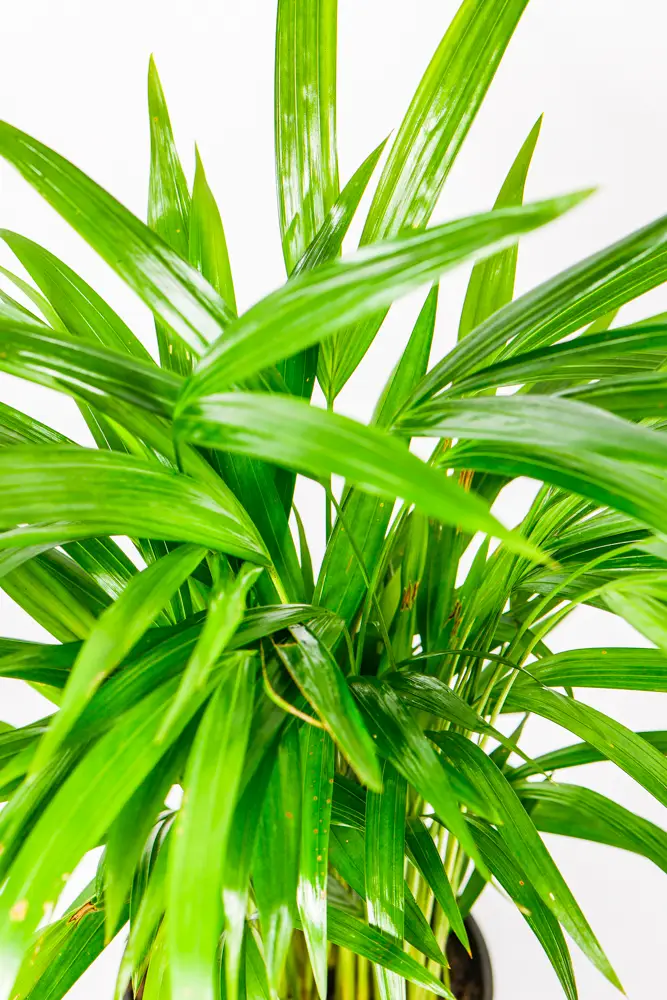
Regular feeding makes a noticeable difference. A well-fed Bamboo Palm produces stronger green foliage, more frequent flushes of new fronds and steadily becomes fuller as additional canes develop.
If you’re looking for an indoor palm that’s dependable and doesn’t demand constant attention, Bamboo Palm remains one of the best choices you can make.
Bamboo Palm Care Guide
Watering – How often should I water it?
Keep the growing medium evenly moist but never waterlogged. Bamboo Palm doesn’t like drying out completely, so water thoroughly once the top few centimetres of the growing medium begin to dry. During winter, reduce watering slightly while maintaining consistent moisture.
Light – Where should I place my Bamboo Palm?
Bamboo Palm grows best in bright, indirect light but is also one of the few palms that tolerates medium light well. Avoid prolonged direct afternoon sun, which can scorch the fronds. A bright room with filtered natural light will keep it looking its best.
Humidity – Does it need high humidity?
Bamboo Palm appreciates moderate humidity but adapts well to normal indoor conditions. If the air is particularly dry, occasional misting or grouping it with other plants can help keep the foliage looking fresh.
Soil – What growing medium should I use?
A well-draining growing medium that still retains some moisture is ideal. I recommend Milled Bark Growing Medium because it provides excellent airflow around the roots while holding enough moisture for healthy growth. You can also incorporate Perlite if you’d like additional drainage.
Feeding – How should I fertilise it?
Regular feeding keeps Bamboo Palm producing healthy new fronds throughout the growing season. Apply Grobest Organic Fertiliser every 4–6 weeks during spring and summer. For faster growth and richer green foliage, Novatec Soluble Fertiliser can also be used during active growth.
Repotting – When should I repot?
Repot every 2–3 years or once the roots begin filling the pot. Refresh with Milled Bark Growing Medium and incorporate TerraPlus Natura N together with Controlled Release Fertiliser.
Pests – What should I look out for?
Bamboo Palm is generally very resilient but may occasionally attract spider mites, mealybugs or scale insects. Regularly inspecting the undersides of the fronds and keeping the foliage clean will help prevent infestations.
Temperature – What’s the ideal temperature?
Bamboo Palm grows best between 18°C and 28°C. Protect it from temperatures below 10°C and keep it away from cold drafts and heaters that can dry the foliage.
FAQ’s
Q: Is Bamboo Palm easy to care for?
Yes. Bamboo Palm is one of the easier indoor palms to grow. Keep the growing medium evenly moist, place it in good natural light and feed it regularly during the growing season for the best results.
Q: Why are the tips of my Bamboo Palm turning brown?
Brown tips are usually caused by the plant drying out too much, inconsistent watering or very dry air. Keeping the growing medium evenly moist will usually prevent this.
Q: How often does Bamboo Palm produce new leaves?
During the growing season it’s common to see a new spear emerging almost every month. Each spear slowly opens into a new frond over the following few weeks.
Q: Can Bamboo Palm grow in lower light?
Yes. It tolerates medium light better than many other palms, but brighter indirect light will encourage stronger growth and a fuller plant.
Q: Should I cut off brown fronds?
Yes, but only once a frond has turned completely brown. If it’s still mostly green, leave it on the plant as it’s still producing energy.
Q: Is Bamboo Palm safe around pets?
Yes. Bamboo Palm (Chamaedorea seifrizii) is considered non-toxic to cats and dogs, making it an excellent choice for pet-friendly homes.
.
Be sure to visit and follow us Facebook and Instagram