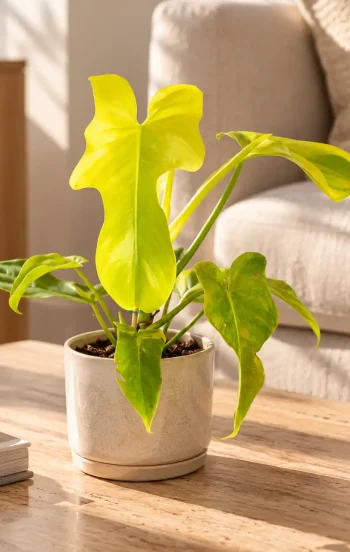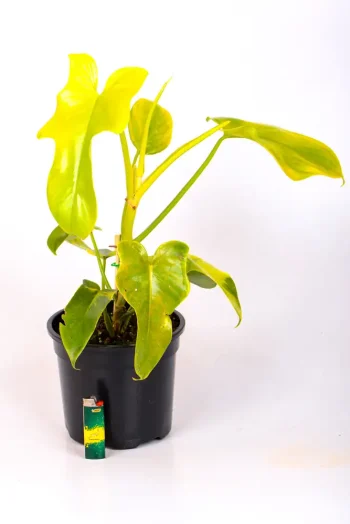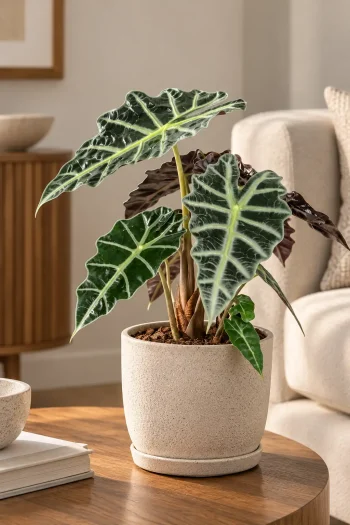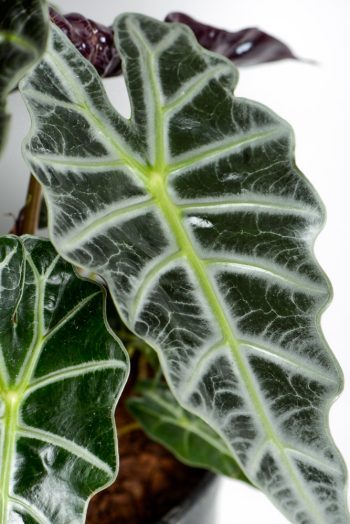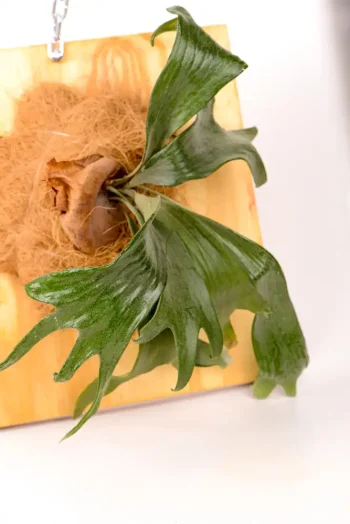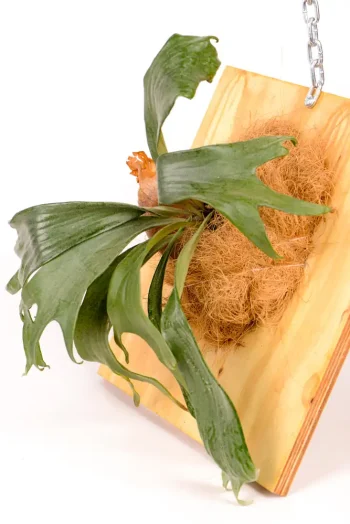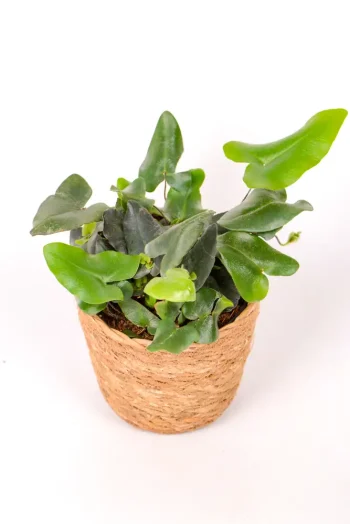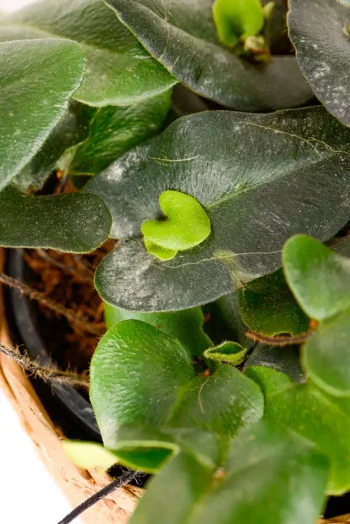







Commonly known as: Bird Nest Fern Combo
Botanical names included:
Asplenium nidus
Asplenium Osaka
Asplenium antiquum
Bird Nest Ferns are loved for their fresh green colour, strong leaf structure, and ability to soften indoor spaces without becoming unruly. This combo brings together three popular varieties, each offering a slightly different look while sharing the same basic care needs.
Nidus has broader, smoother leaves with a classic rosette shape. Osaka offers a more upright and compact form, while Antiquum is known for its textured, lightly rippled fronds that add extra character. Together, they create visual interest without the challenge of juggling different care routines.
Bird Nest Ferns naturally grow in warm, humid environments where they collect moisture and organic matter in their central crown. Indoors, they appreciate consistent conditions, gentle watering, and a position away from harsh sun. When given the right setup, they remain neat, glossy, and reliably attractive year-round.
Bird Nest Fern Combo Care Guide
Watering – How should Bird Nest Ferns be watered?
Water when the top 2–3 cm of the mix feels dry. Keep the soil lightly moist but never water directly into the central crown, as this can lead to rot. Always allow excess water to drain away.
Light – What light do Bird Nest Ferns need?
Bright, indirect light is ideal. They tolerate medium light but should be kept out of direct sun, which can scorch the fronds and cause browning.
Humidity – Do they need humidity?
Yes. Bird Nest Ferns thrive in moderate to high humidity. Bathrooms, kitchens, or grouped plant displays are ideal environments for long-term success.
Soil – What soil works best?
A moisture-retentive but well-aerated mix is important. Our premixed Aroid Mix works well for Bird Nest Ferns. Alternatively, you can use our Indoor Potting Soil as a base and incorporate Perlite and Bark Chips to improve airflow around the roots.
Feeding – How should Bird Nest Ferns be fertilised?
Feed lightly during spring and summer using Grobest Organic Fertiliser every 4–6 weeks. If needed, Novatec Soluble Fertiliser can be used occasionally at a low dilution for steady leaf growth.
Repotting – When should they be repotted?
Repot every 18–24 months, or when roots begin to crowd the pot. Move up one pot size only and keep the crown sitting above the soil line. When repotting, you can incorporate TerraPlus Natura N together with Controlled Release Fertiliser into the fresh mix.
Pests – What pests should I watch for?
Bird Nest Ferns are generally pest-free. Occasional scale or mealybugs may appear. Early treatment with an insecticidal spray is usually sufficient.
Temperature – What temperature suits them best?
Ideal temperatures range between 18 °C and 28 °C. Protect from cold drafts and avoid temperatures below 15 °C, which can slow growth and cause stress.
FAQ’s
Q: Can all three varieties be kept together?
Yes. They share the same care requirements and look great as a grouped display.
Q: Should the centre of the fern be watered?
No. Always water around the soil, not directly into the crown.
Q: Are Bird Nest Ferns suitable for beginners?
Yes, as long as humidity and gentle watering are maintained.
Q: Are Bird Nest Ferns pet-safe?
Yes. Bird Nest Ferns are non-toxic and safe for homes with pets.
Be sure to visit and follow us Facebook and Instagram