




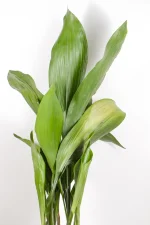
Commonly known as: Cast Iron Plant
Botanical name: Aspidistra elatior
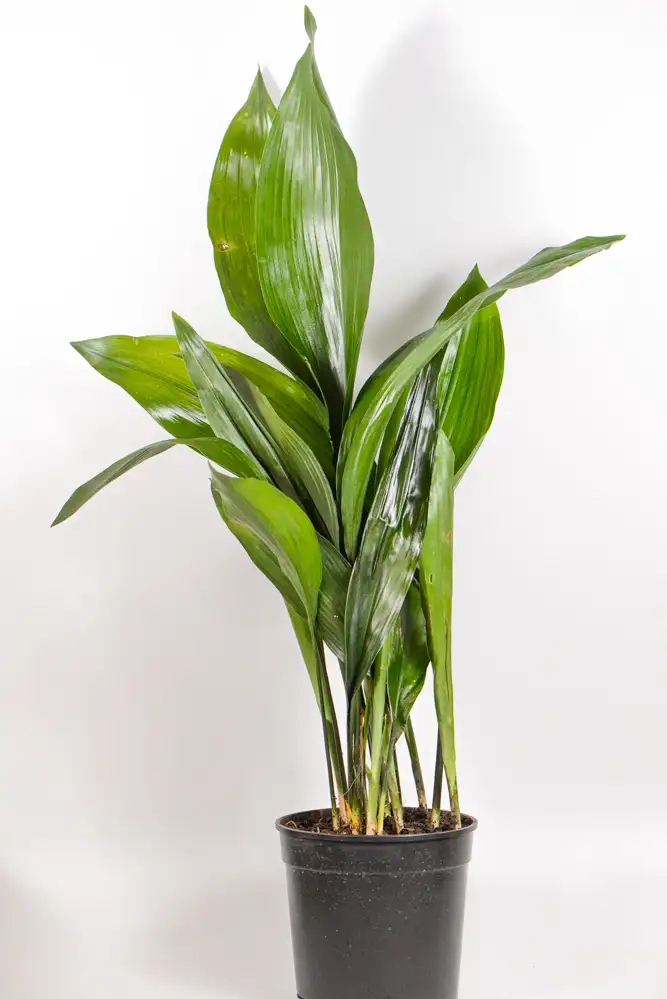
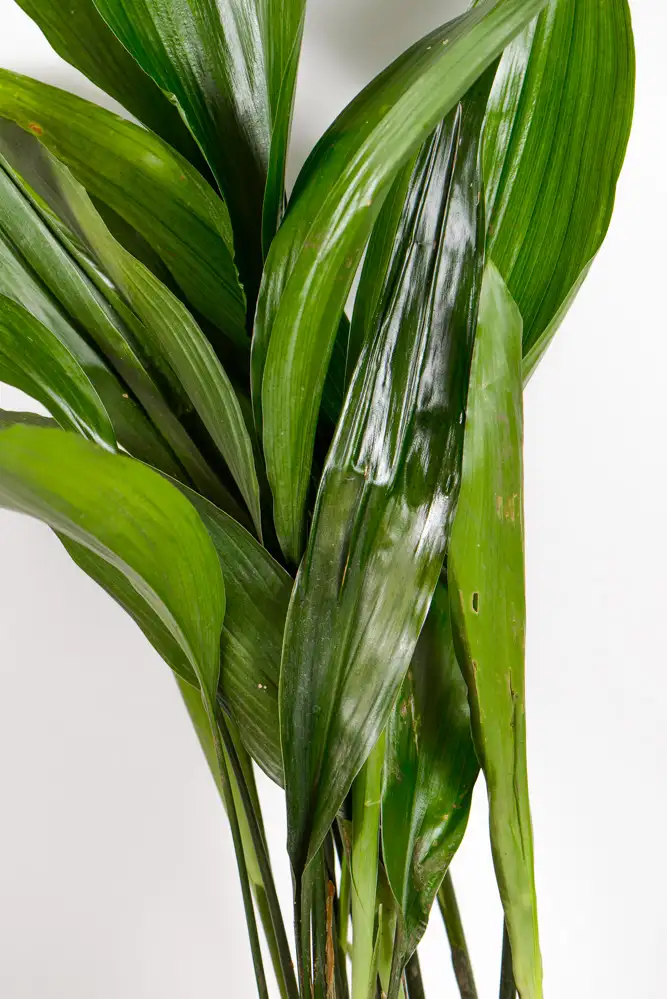
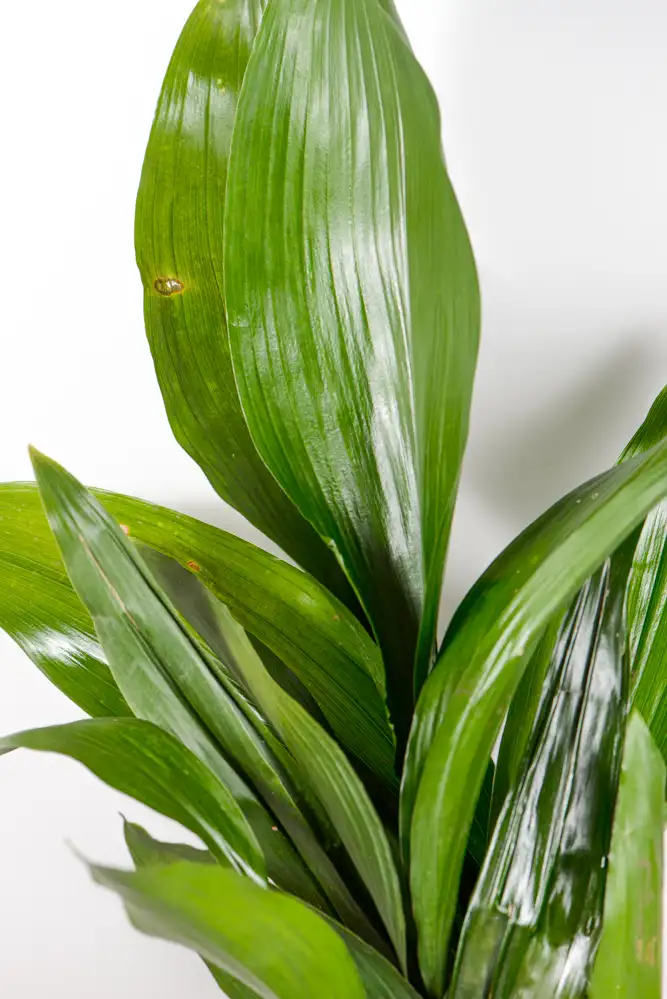
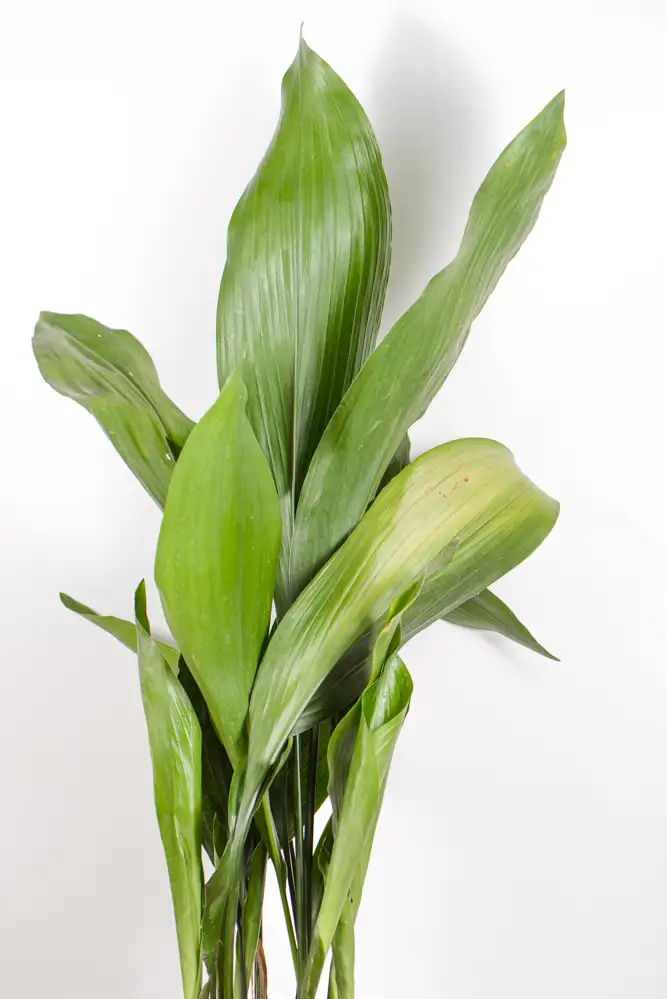
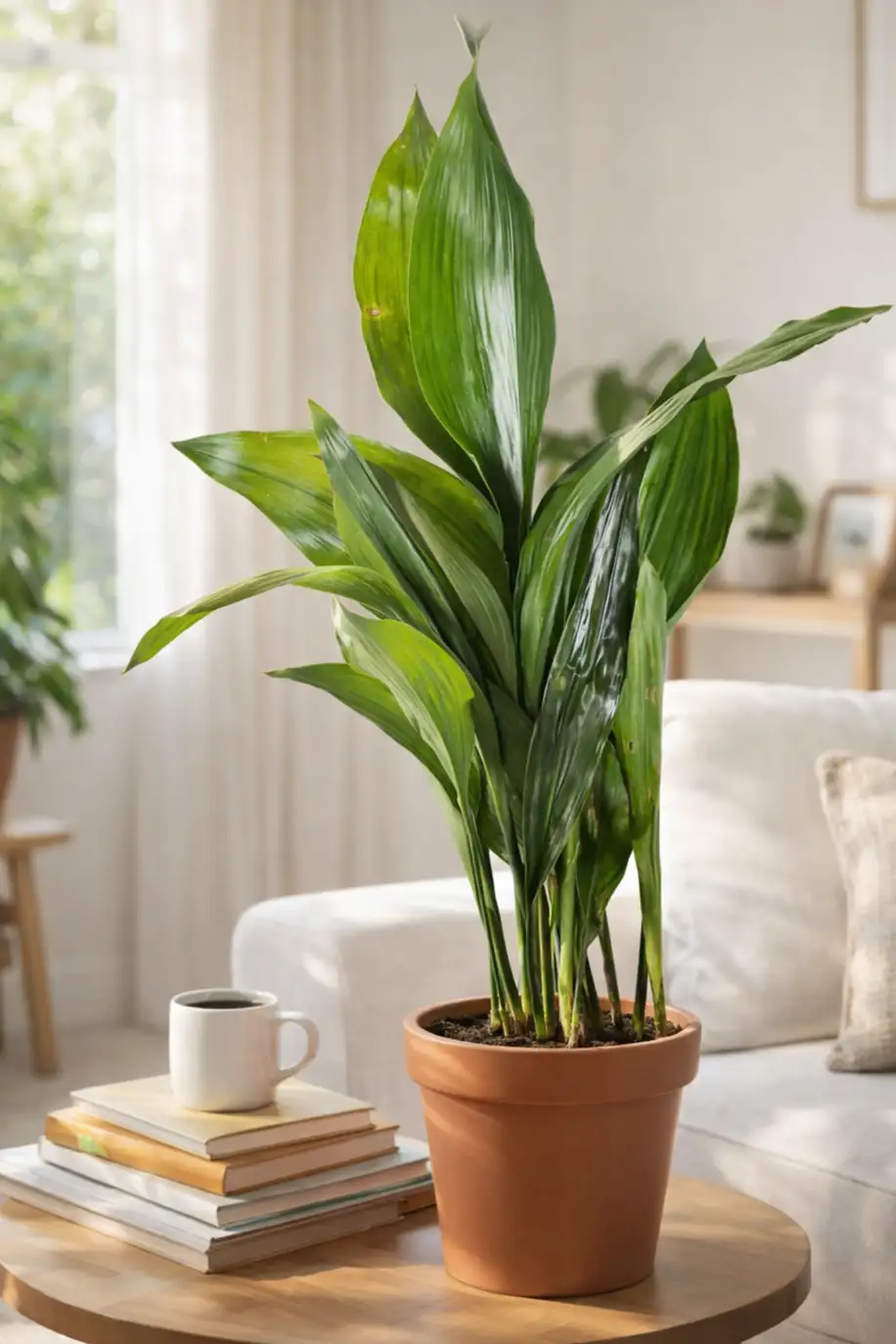
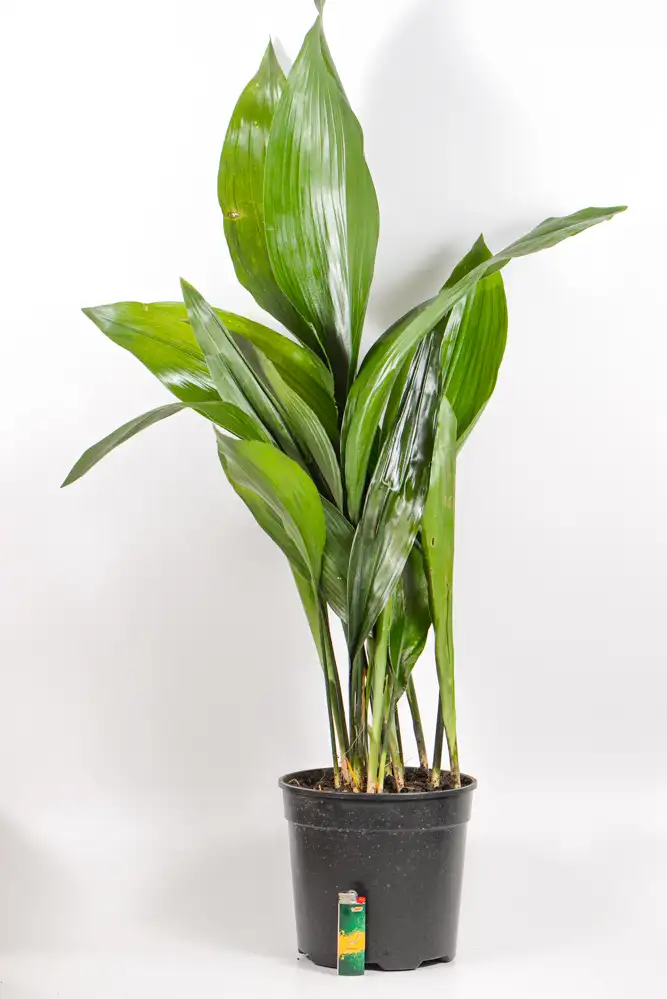
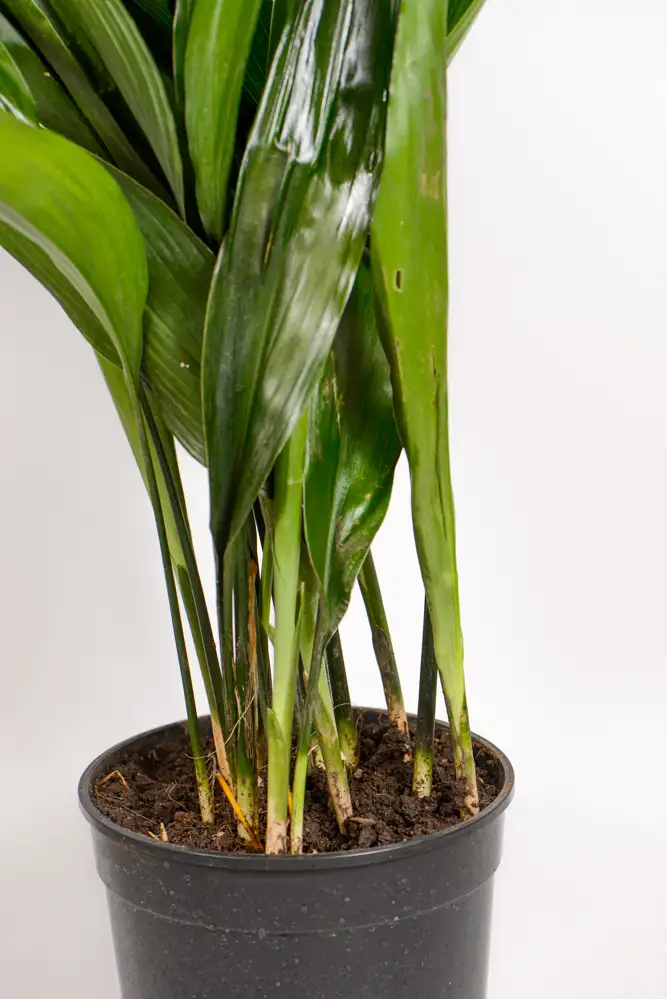
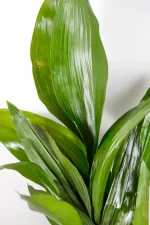
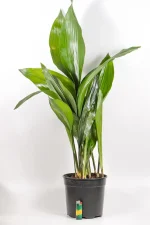
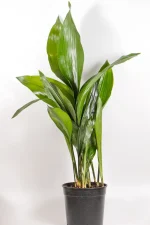
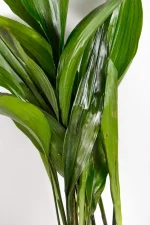
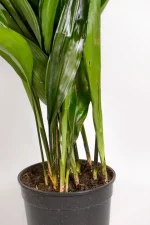
Cast Iron Plant earns its name because of its resilience. The long, upright leaves emerge directly from the base and create a clean, structured silhouette. As a result, the plant adds height and presence without looking busy or overgrown.
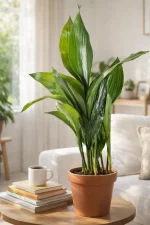
In addition to its appearance, this plant adapts well to indoor environments. Because it tolerates lower light conditions, it works well in spaces where other plants may struggle. At approximately 80–90cm tall in a 19cm pot, these specimens already offer strong vertical structure, and therefore they suit corners, hallways, and shaded rooms particularly well.
Cast Iron Plant responds best to steady but minimal care. While it tolerates occasional missed waterings, consistent light and moderate watering help maintain leaf firmness and colour. Over time, the plant increases in density, which enhances its full, architectural look without requiring frequent pruning.
Cast Iron Plant Care Guide
Watering – How often should it be watered?
Water when the top 4–6cm of soil has dried out. Cast Iron Plant prefers moderate moisture; however, it reacts poorly to waterlogged soil. Therefore, always allow excess water to drain freely.
Light – What light does Cast Iron Plant need?
Low to bright, indirect light works well. Because it tolerates shade better than many indoor plants, it suits darker rooms. However, brighter indirect light encourages steadier growth.
Humidity – Does it need extra humidity?
Average indoor humidity is sufficient. Because of its tough foliage, it tolerates dry air well and does not require misting.
Soil – What soil works best?
This plant does fine in just about any type of soil mix. Whether you use an Indoor Potting Soil or even plant garden soil – it will not complaing. Always try and use the potting soil as a base and improve structure with Perlite and Bark Chips.
Feeding – How should it be fertilised?
Feed during spring and summer with Grobest Organic Fertiliser every 6–8 weeks. If slightly stronger growth is desired, Novatec Soluble Fertiliser can be used occasionally at a reduced strength. As a result, foliage colour remains deep and healthy.
Repotting – When should it be repotted?
Repot every 2–3 years, or once roots begin to crowd the pot. Move up one pot size only. At repotting time, incorporate TerraPlus Natura N and Controlled Release Fertiliser into the fresh mix to support long-term nutrition.
Pests – What pests should I watch for?
Cast Iron Plants are generally resistant to pests; however, inspect occasionally for scale or spider mites. Because early detection matters, routine checks prevent larger problems.
Temperature – What temperature suits it best?
Cast Iron Plant grows best between 16°C and 27°C. However, temperatures below 10°C can cause stress. Therefore, protect it from cold drafts.
FAQ’s
Q: Why is it called a Cast Iron Plant?
Because it tolerates lower light and inconsistent care, it gained a reputation for being tough and durable.
Q: Is it suitable for low-light rooms?
Yes. While brighter indirect light supports better growth, it tolerates shade better than many indoor plants.
Q: Does it grow quickly?
Growth is slow and steady; therefore, it maintains a neat shape over time.
Q: Is Cast Iron Plant pet-safe?
Yes. Aspidistra elatior is generally considered non-toxic to pets.
Be sure to visit and follow us Facebook and Instagram