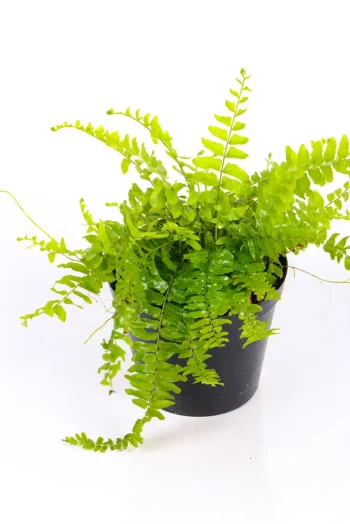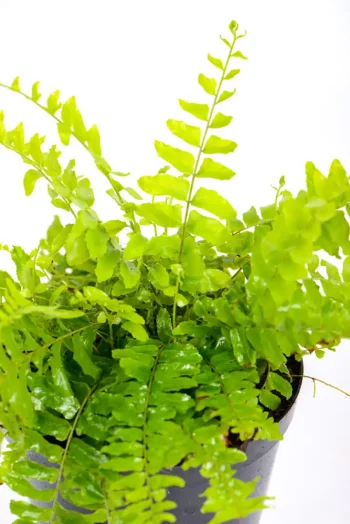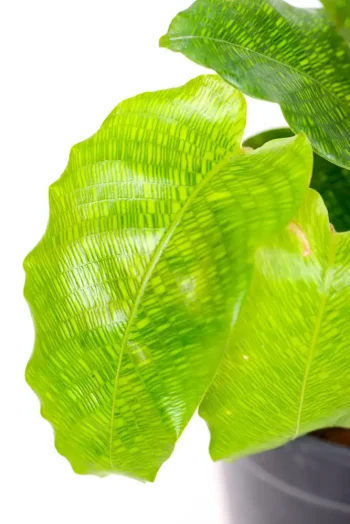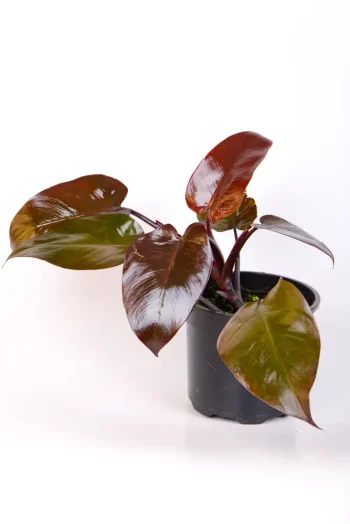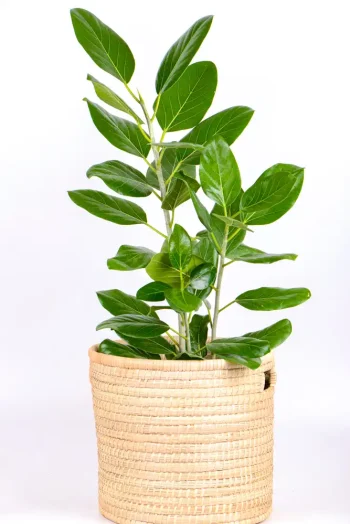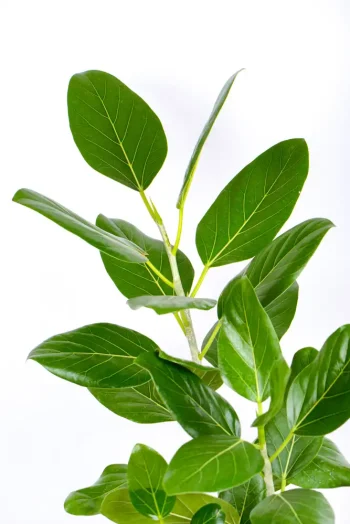






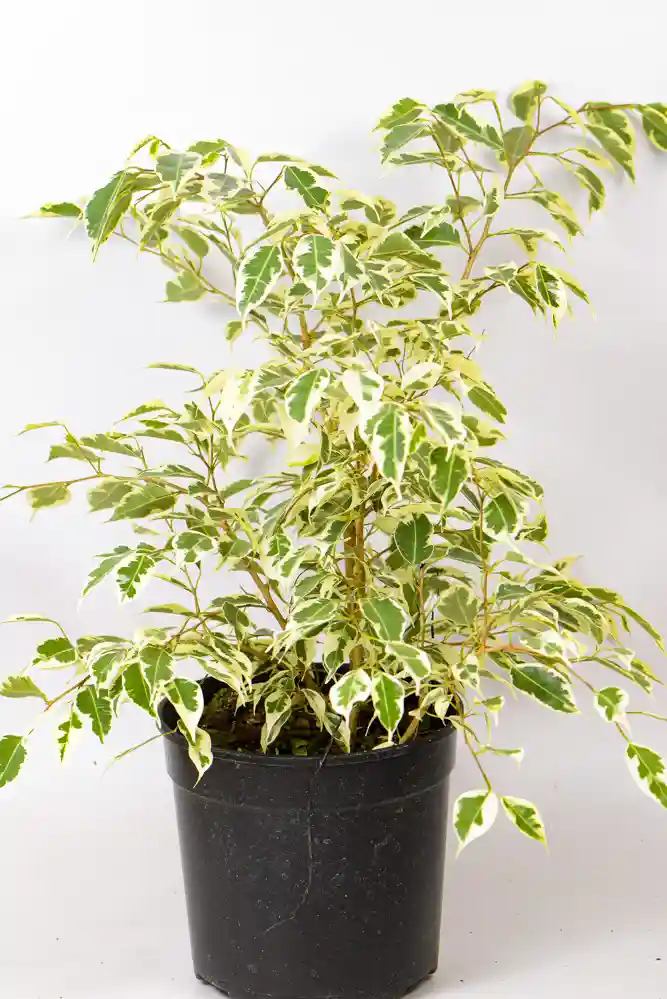
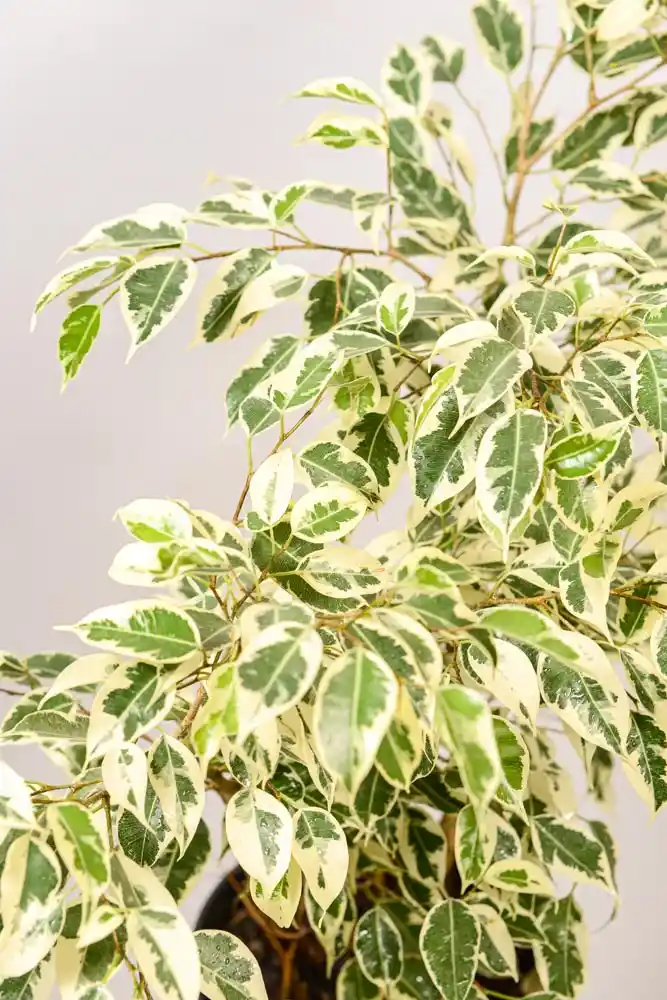






Botanical name: Ficus benjamin Twilight
Commonly known as: Weeping Fig ‘Twilight’
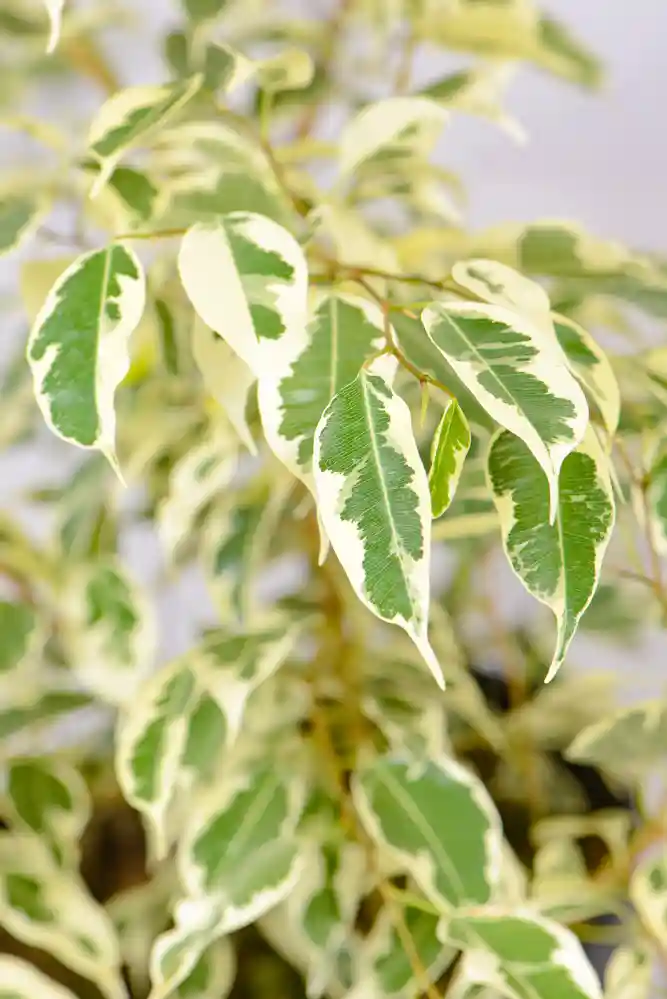
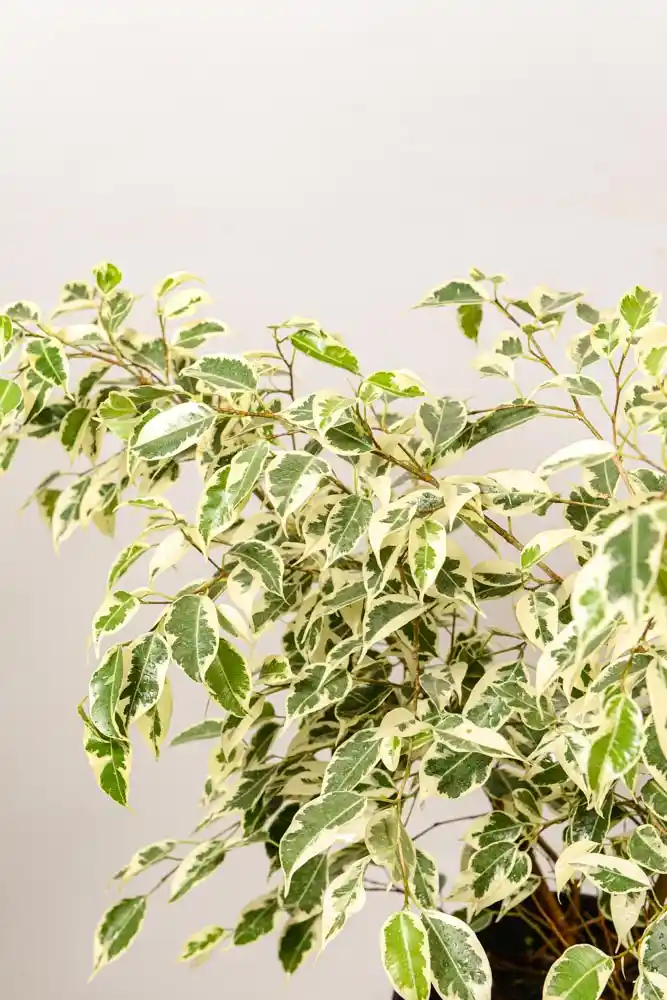
The Ficus Benjamina Twilight is valued for its elegant, arching branches and finely textured foliage, finished with subtle cream variegation along the leaf margins. Compared to the standard green Benjamina, Twilight feels lighter and softer, making it easier to pair with a wide range of interior styles.
This plant naturally develops into a graceful, upright form over time. While it can be sensitive to sudden changes, it becomes very stable once settled into a consistent spot. The key to success is choosing the right position early on and avoiding unnecessary moving.
With steady light, regular but careful watering, and a bit of patience, Ficus Benjamina ‘Twilight’ grows into a long-lived indoor tree that adds height, movement, and a calm presence to a room.
Ficus Benjamin Twilight Care Guide
Watering – How often should I water it?
Water when the top 3–4 cm of soil feels dry. Ficus Benjamina prefers a regular routine rather than frequent watering. Ensure excess water drains away completely, as sitting in wet soil can cause root problems.
Light – What light does Ficus Benjamina Twilight need?
Bright, indirect light is ideal. The variegation benefits from good light, but direct sun can scorch the leaves. Avoid low-light areas, as this can lead to leaf drop and weaker growth.
Humidity – Does it need humidity?
Average indoor humidity is suitable. However, very dry air can contribute to leaf drop, so avoid placing the plant near heaters or air conditioners.
Soil – What soil works best?
A stable, free-draining mix is important. Indoor Potting Soil provides a bark-based structure that supports healthy roots while preventing compaction.
Feeding – How should I fertilise it?
Feed during spring and summer with a diluted dose of Grobest Organic Fertiliser every 4–6 weeks. Gentle, consistent feeding supports leaf colour and steady growth.
Repotting – When should it be repotted?
Repot only when the plant becomes root-bound, usually every 18–24 months. Move up one pot size at a time and keep most of the existing soil around the roots intact. When repotting, you can incorporate TerraPlus Natura N and Controlled Release Fertiliser into the fresh mix.
Pests – What pests should I watch for?
Ficus Benjamina can occasionally attract spider mites, scale, or mealybugs, particularly if stressed. Regular inspection and early treatment with an insecticidal spray will prevent issues from spreading.
Temperature – What temperature suits it best?
Ideal temperatures range between 18 °C and 28 °C. Avoid cold drafts and sudden temperature changes, which are a common cause of leaf drop.
FAQ’s
Q: Why is my Ficus Benjamina dropping leaves?
Leaf drop is usually caused by changes in light, temperature, or watering routine.
Q: Can it be pruned?
Yes. Light pruning helps maintain shape and encourages branching.
Q: Does it like being moved?
No. Once settled, it prefers to stay in the same position.
Q: Is it pet-safe?
No. Ficus plants are toxic if ingested and should be kept out of reach of pets.
Be sure to visit and follow us Facebook and Instagram