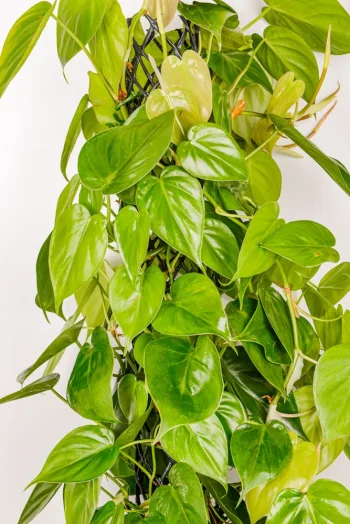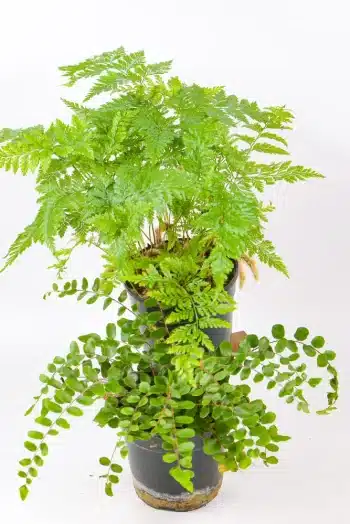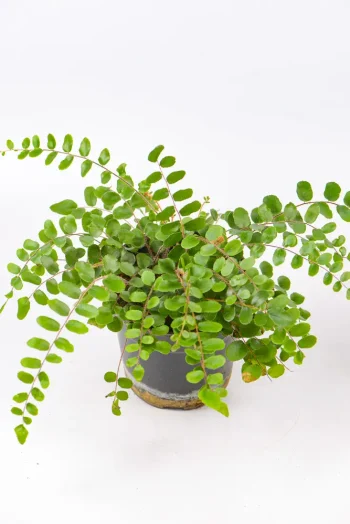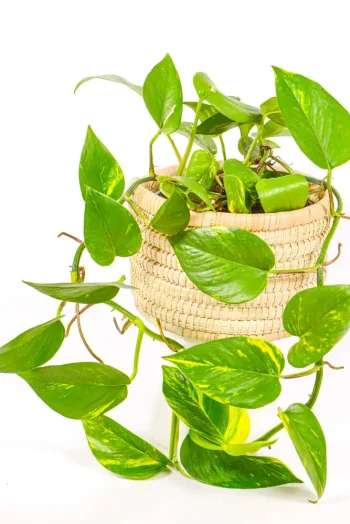





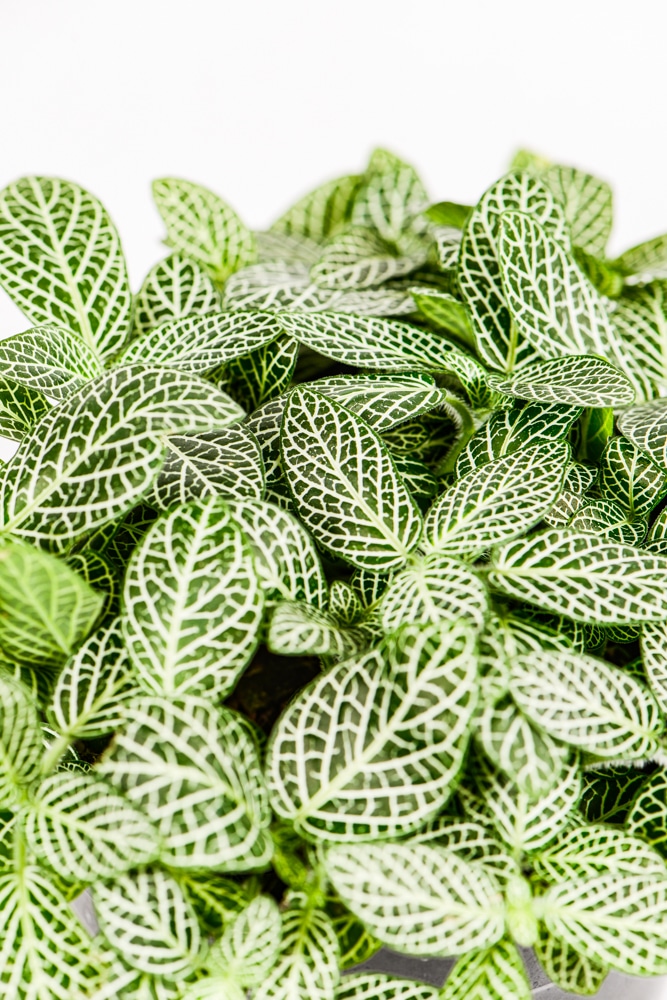
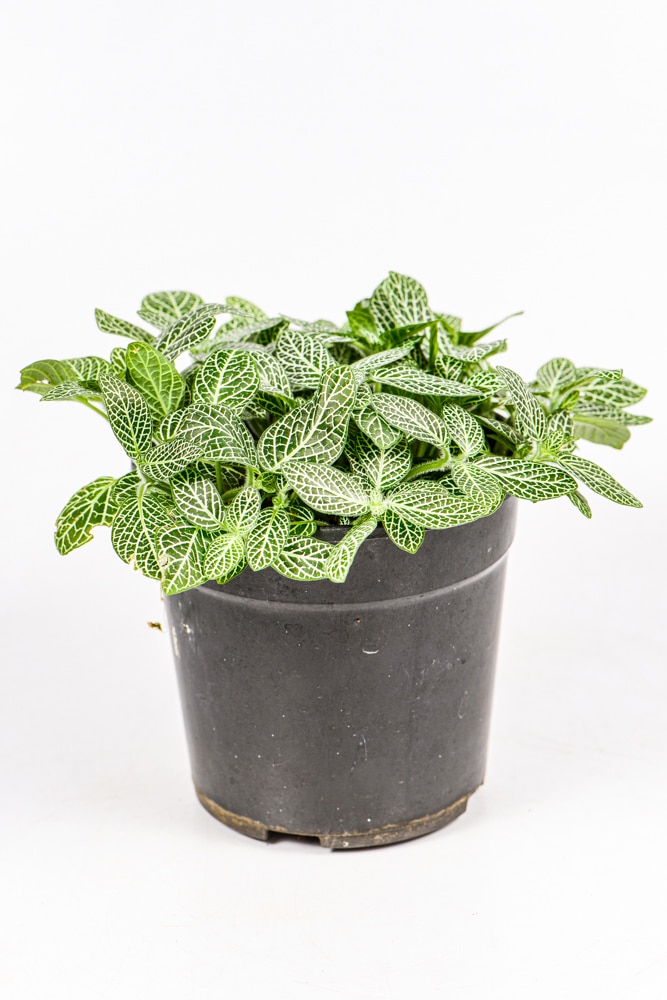
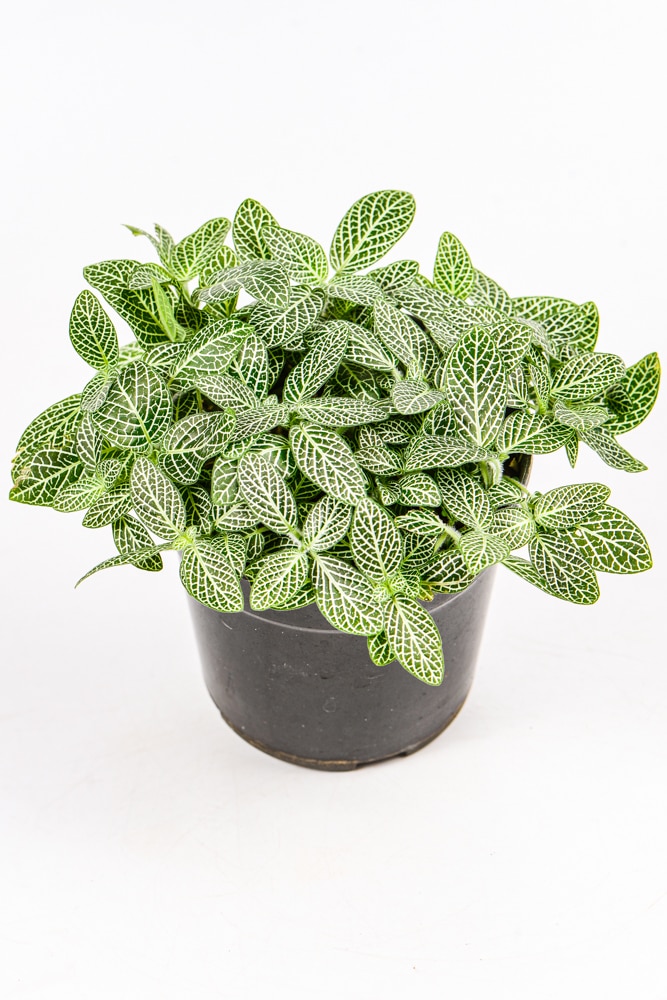
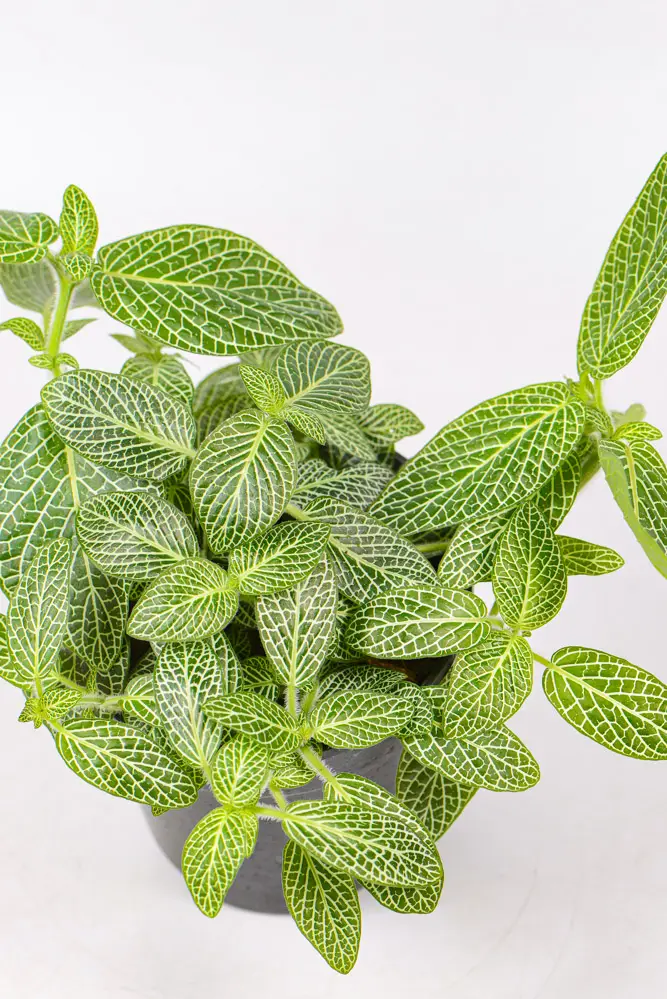
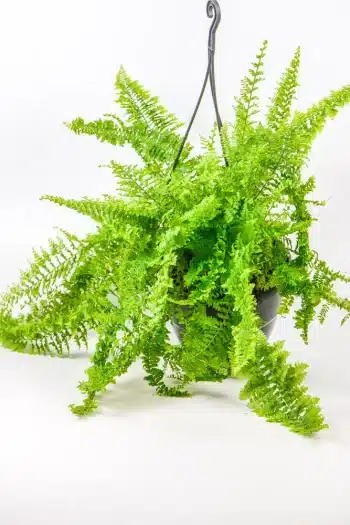
Commonly known as: Fittonia Nerve Plant Green, Mosaic Plant
Botanical name: Fittonia albivenis
Fittonia is a vibrant and eye-catching indoor plant best known for its intricate leaf patterns, which resemble fine veins in bright colours—ranging from white and pink to red—against a green background. Compact in growth and low to the ground, Fittonias are perfect for adding texture and detail to small spaces. They are especially well-suited to terrariums, bathrooms, or grouped with other humidity-loving plants.
This is not a plant that enjoys neglect—it does best in a consistent environment with steady moisture and warmth. That said, once you get into the rhythm of its care, Fittonia is an incredibly rewarding plant to grow. Its leaves will perk up dramatically after watering, and it responds well to pruning if it gets leggy or overgrown.
Fittonia Nerve plant Green Care Guide
Watering – How often should I water it?
Keep the soil evenly moist, but not soggy. Water when the top 1–2 cm of soil begins to dry out. Fittonias dislike drying out completely and will wilt noticeably if they do — the good news is they usually recover quickly once watered.
Light – What light does a Fittonia need?
Bright, indirect light is best. Too much direct sun can fade or scorch the leaves, while low light may slow growth and dull the leaf colour. Filtered light near a window works well.
Humidity – Does it need humidity?
Yes. Fittonias appreciate moderate to higher humidity. Normal indoor humidity is often enough, but they do especially well in bathrooms, kitchens, or grouped with other plants.
Soil – What soil works best?
A moisture-retentive but free-draining mix is important. Indoor Potting Soil provides a stable base that holds moisture without becoming compacted, helping protect the fine root system.
Feeding – How should I fertilise it?
Feed lightly during spring and summer using a diluted dose of Grobest Organic Fertiliser every 4–6 weeks. Avoid strong feeding, as Fittonias prefer gentle, consistent nutrition.
Repotting – When should it be repotted?
Repot only when the plant has clearly filled its pot, usually every 12–18 months. Move up one pot size at a time and retain some of the existing soil around the roots. At repotting, you can incorporate TerraPlus Natura N and Controlled Release Fertiliser into the fresh mix.
Pests – What pests should I watch for?
Fittonias are generally pest-resistant, but stressed plants may attract spider mites or mealybugs. Regular checks and early treatment with an insecticidal spray will keep problems manageable.
Temperature – What temperature suits it best?
Ideal temperatures range between 18 °C and 26 °C. Avoid cold drafts and sudden temperature changes, which can cause leaf drop or stress.
FAQ’s
Q: Why does my Fittonia wilt suddenly?
It’s usually a sign the soil has dried out. Water thoroughly and it should recover.
Q: Can Fittonias be grown in terrariums?
Yes. They are well suited to enclosed or semi-enclosed environments with higher humidity.
Q: Is it pet-safe?
Yes. Fittonias are considered non-toxic to pets.
Q: Does it need pruning?
Occasional trimming helps keep the plant compact and encourages fuller growth.
Be sure to visit and follow us Facebook and Instagram