




Sale!

Crocodile Fern

Original price was: R280.00.Current price is: R220.00.

-21%

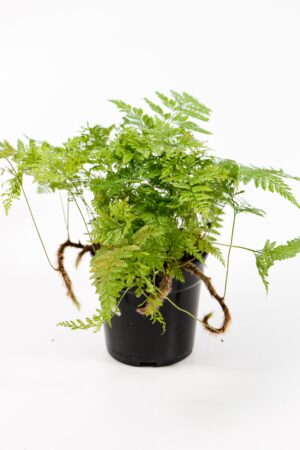
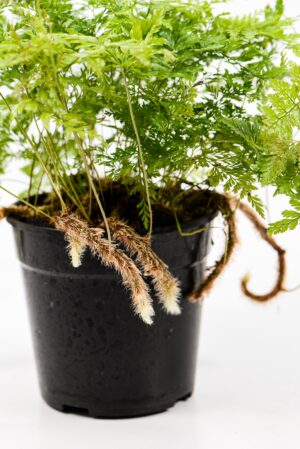
Crocodile Fern is an indoor fern known for its bold, textured fronds that resemble crocodile skin. Supplied in a black 14cm pot, it forms an upright, architectural plant that adds structure and detail. Because it prefers bright, indirect light and consistent moisture, it suits bathrooms, kitchens, and well-lit indoor spaces. As a result, it delivers strong foliage without overwhelming a room.

In stock

Add to Cart
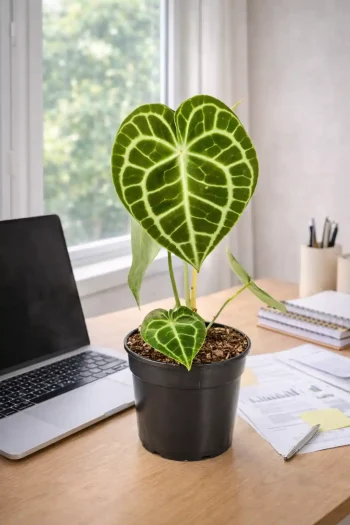
Crocodile fern on a side wooden table in a loung setting
Crocodile Fern
R280.00 Original price was: R280.00.R220.00Current price is: R220.00.
Less than 3 items left!
Crocodile fern on a side wooden table in a loung setting
Crocodile Fern
R280.00 Original price was: R280.00.R220.00Current price is: R220.00.
Questions? Send it to us!
Name

Commonly known as: Crocodile Fern

Botanical name: Microsorum musifolium

Crocodile Fern stands out primarily because of its distinctive foliage. The broad green fronds display a raised, textured pattern that resembles reptile skin, which gives the plant its common name. As light moves across the leaves, the pattern becomes more pronounced, and therefore the plant holds visual interest even without flowers.

In addition to its texture, this fern grows in an upright and slightly arching habit. Because the fronds rise cleanly from the base, it creates a structured silhouette rather than a soft, feathery one. In a 14cm pot, it already forms a compact but noticeable presence, and as a result it works well on shelves, desks, or grouped with other foliage plants.

Crocodile Fern responds best to steady care. For this reason, consistent watering and a breathable growing mix help maintain healthy fronds. Over time, new leaves unfurl from the centre, and therefore the plant gradually becomes fuller while keeping a balanced form.

Crocodile Fern Care Guide

Water logo

Watering – How often should it be watered?

Water when the top 2–3cm of soil begins to dry. Crocodile Fern prefers evenly moist soil; however, it should not sit in water. Therefore, allow excess water to drain freely while maintaining consistent moisture.

Light logo

Light – What light does Crocodile Fern need?

Bright, indirect light works best because it supports healthy frond development. However, direct sun can scorch the leaves. In lower light, growth may slow, and therefore brighter placement improves performance.

Humidity logo

Humidity – Does it need extra humidity?

Yes. Crocodile Fern prefers moderate to higher humidity. Because dry air can cause browning edges, increased humidity helps maintain smooth fronds. As a result, bathrooms and kitchens often suit it well.

Soil Logo

Soil – What soil works best?

Use a moisture-retentive yet breathable mix. Aroid Mix works well because it maintains airflow while holding sufficient moisture. Alternatively, use Indoor Potting Soil as a base and improve drainage with Perlite and Bark Chips.

Fertilizing logo

Feeding – How should it be fertilised?

Feed during spring and summer with Grobest Organic Fertiliser every 4–6 weeks. If stronger growth is desired, Novatec Soluble Fertiliser can be used occasionally at a reduced strength. As a result, frond size and colour often improve.

Repotting logi

Repotting – When should it be repotted?

Repot every 12–18 months, or once roots begin to fill the pot. Move up one pot size only. At repotting time, incorporate TerraPlus Natura N and Controlled Release Fertiliser into the fresh mix to support steady nutrition.

Pest image

Pests – What pests should I watch for?

Inspect fronds regularly for scale and spider mites. Because early detection matters, routine checks help prevent larger infestations. If needed, treat promptly with an insecticidal spray.

Temerature image

Temperature – What temperature suits it best?

Crocodile Fern grows best between 18°C and 27°C. However, temperatures below 15°C can cause stress. Therefore, avoid cold drafts and sudden temperature drops.

FAQ’s

Q: Why is it called Crocodile Fern?
Because the fronds have a raised, textured pattern that resembles crocodile skin.

Q: Is it more difficult than other ferns?
Not necessarily. However, it does prefer consistent moisture and humidity.

Q: Can it tolerate lower light?
It tolerates medium light, but brighter indirect light supports stronger growth.

Q: Is Crocodile Fern pet-safe?
Yes. Microsorum musifolium is generally considered non-toxic to pets.

Be sure to visit and follow us Facebook and Instagram