






Philodendron Bipennifolium Aurea

R350.00

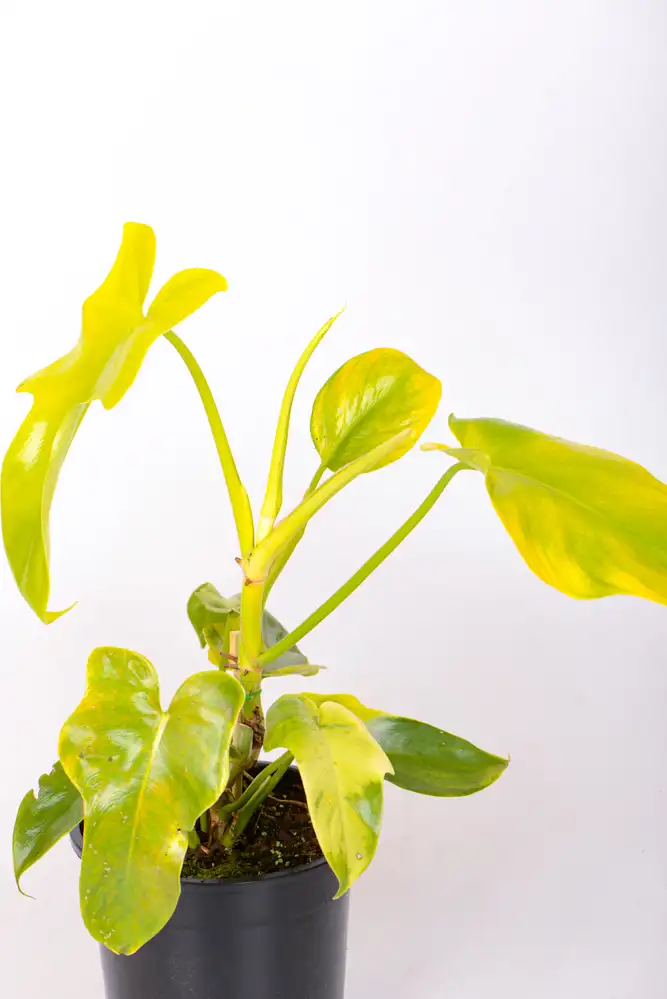
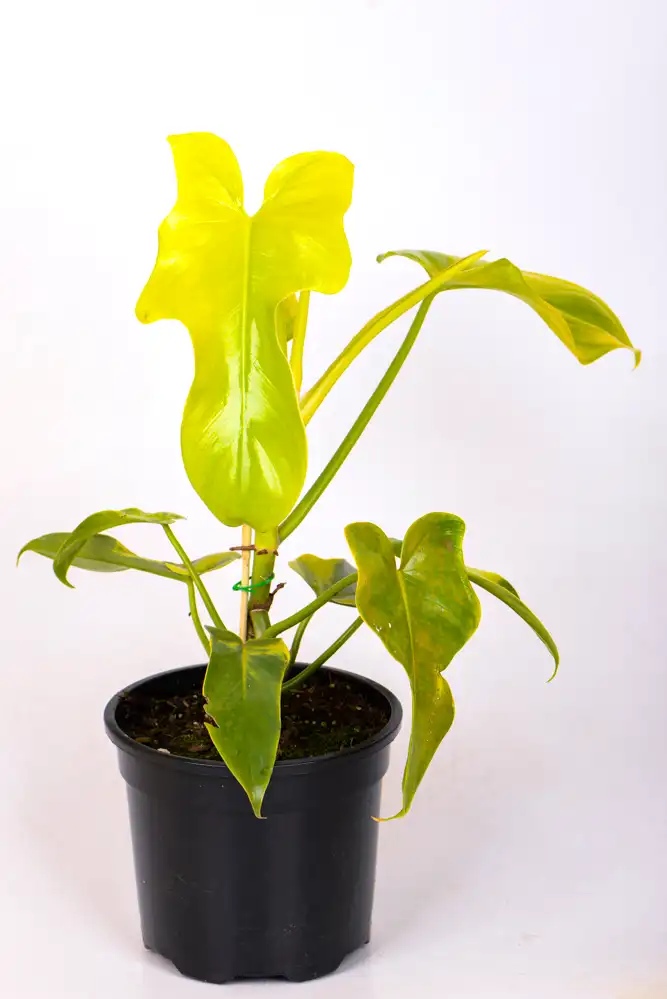
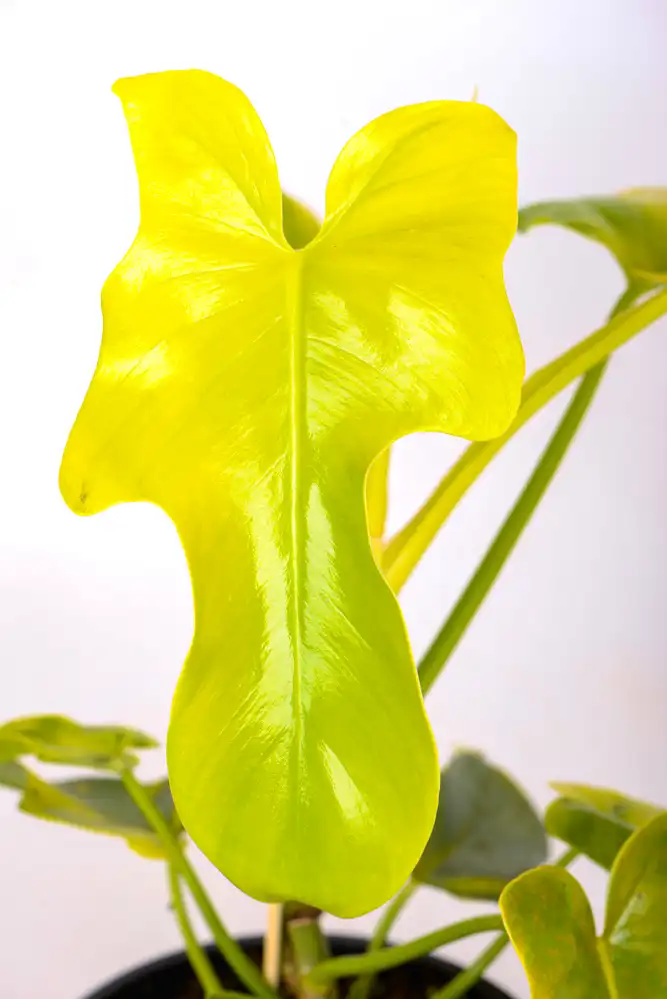
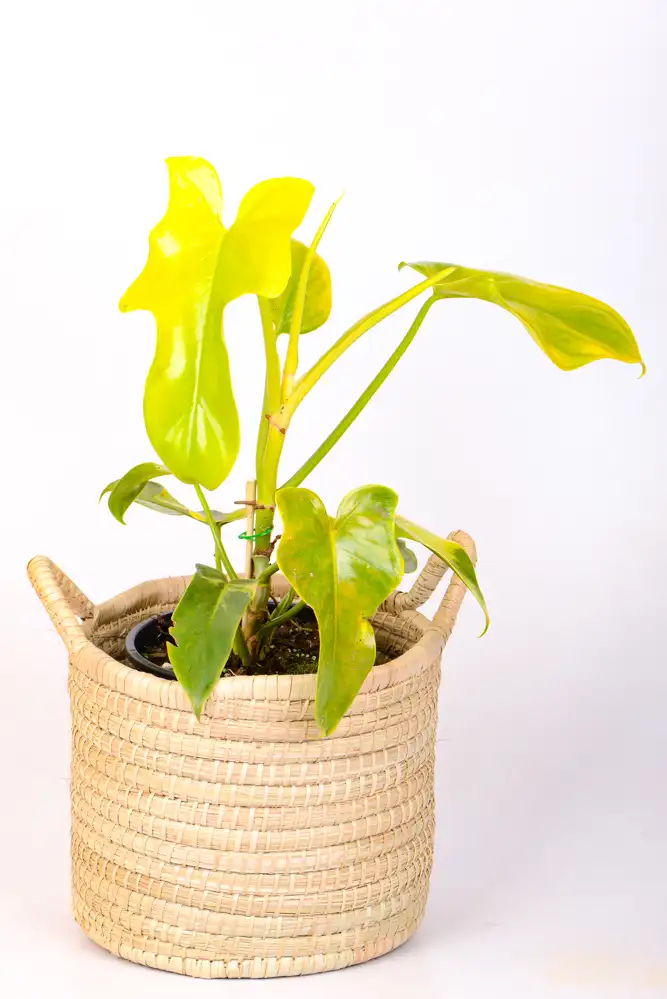
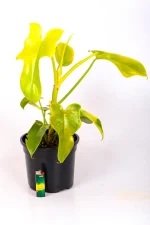
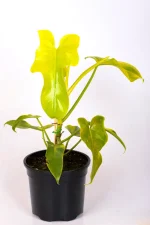
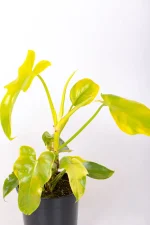
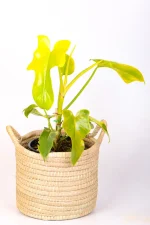
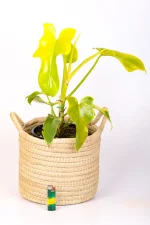
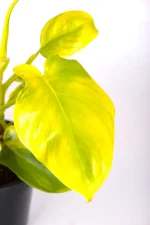
The Philodendron Bipennifolium Aurea combines brilliant lime-gold foliage with one of the more unusual leaf shapes in the Philodendron family.

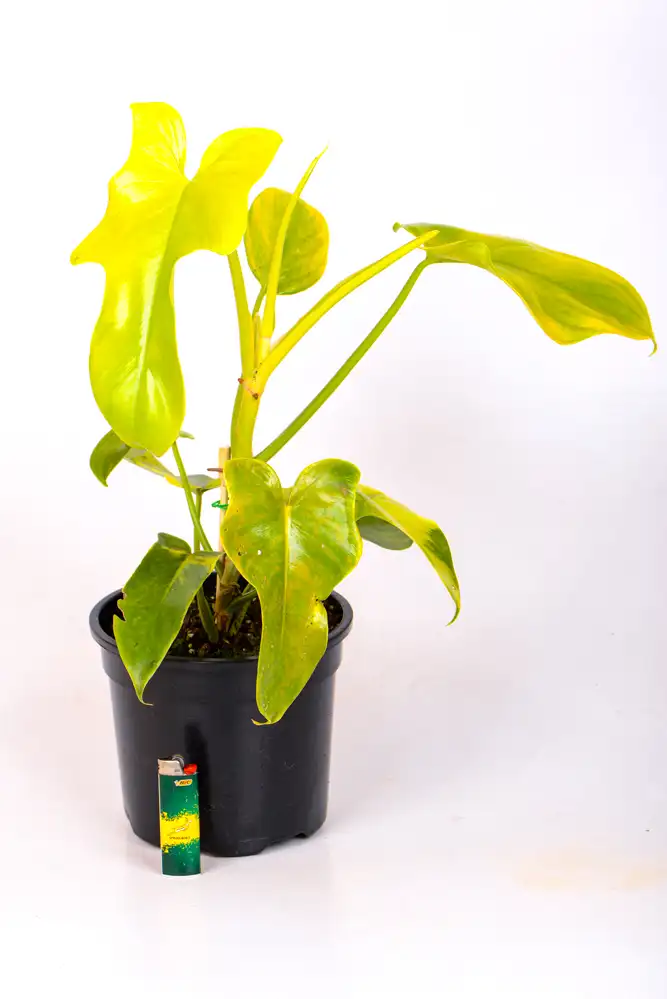
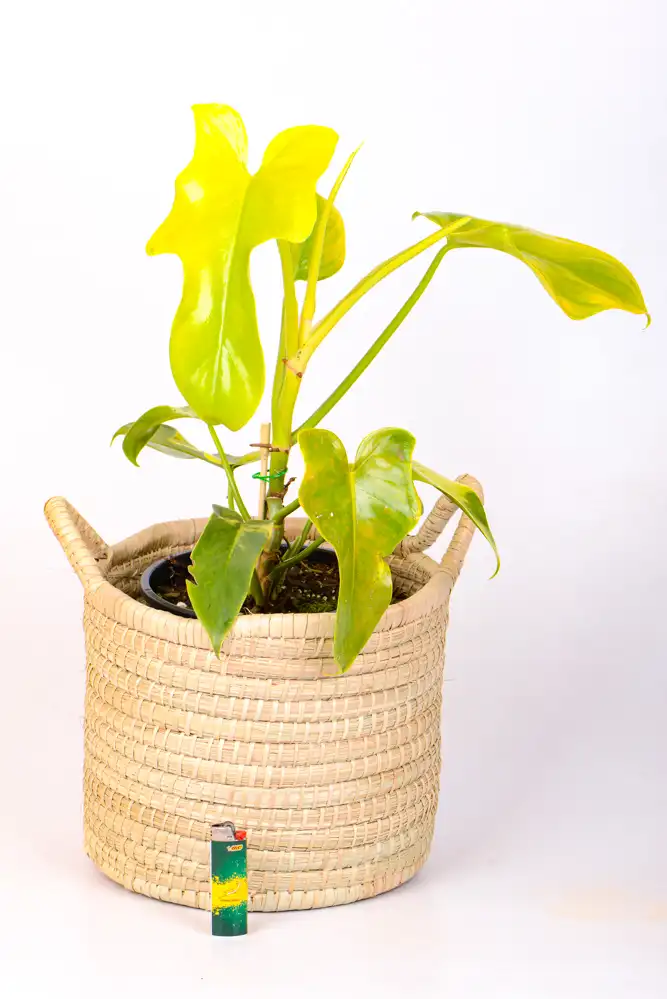
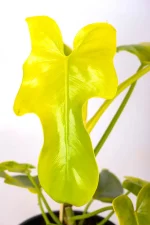
Young leaves start relatively simple, but as the plant matures they develop the distinctive lobed, horsehead-like shape this Philodendron is known for. These plants come in black 14cm pots and stand approximately 30–40cm tall.

It is a natural climber, so give it something to climb as it grows and you’ll get to see those leaves develop beautifully.

In stock
Plant Size
14cm black pot | Approx 30-40cm tall
Height is measured from the bottom of the pot to the tallest leaf.
Add to Cart
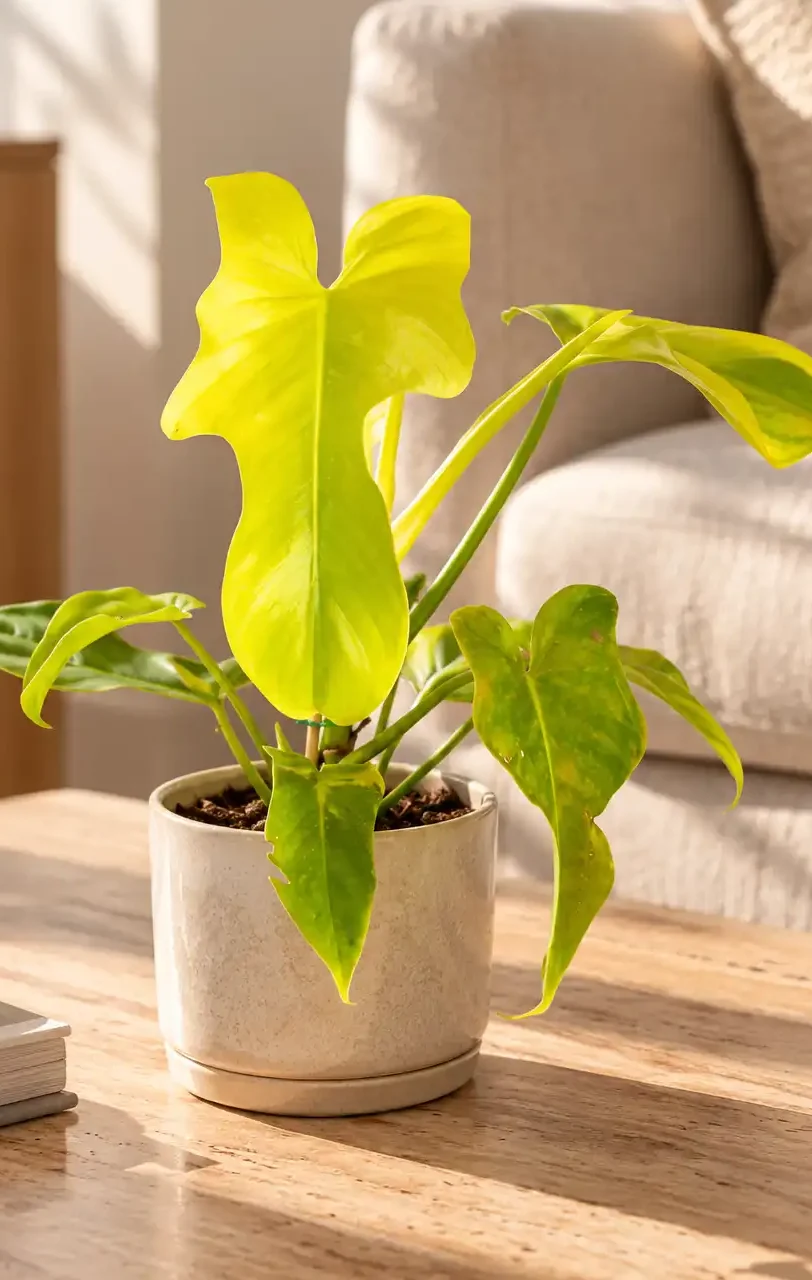
Philodendron Bipennifolium Aurea in ceramic on table
Philodendron Bipennifolium Aurea
R350.00
Less than 5 items left!
Philodendron Bipennifolium Aurea in ceramic on table
Philodendron Bipennifolium Aurea
R350.00
Questions? Send it to us!

Botanical name: Philodendron bipennifolium Aurea

Commonly known as: Philodendron Golden Violin

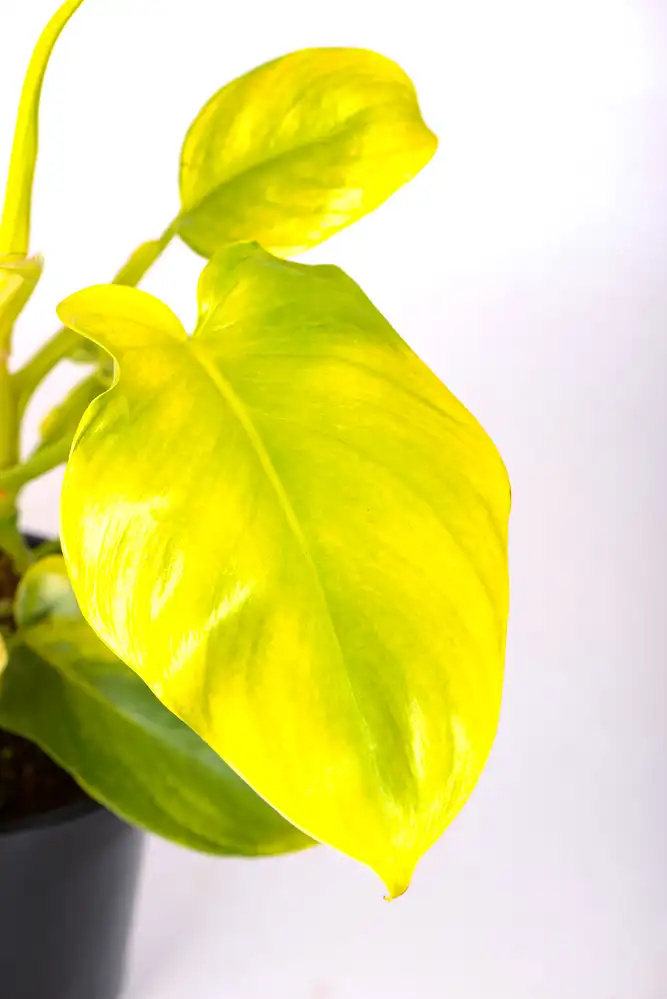
The Philodendron Bipennifolium Aurea is hard to miss. Its foliage ranges from bright lime to glowing yellow-green, with fresh leaves bringing another burst of colour as they unfurl.

The leaf shape is just as interesting as the colour.

As the plant matures, the foliage develops increasingly pronounced lobes, creating the unusual silhouette that has earned Philodendron bipennifolium names such as Horsehead and Violin Philodendron.

It’s also a true climbing Philodendron. As the stems develop, you’ll see aerial roots forming at the nodes as the plant looks for something to attach itself to. Giving it a moss pole or similar support allows it to grow naturally upwards and helps encourage stronger, more mature foliage.

Light plays a big role in keeping Aurea looking good. Give it plenty of bright, indirect natural light to support that vibrant golden colouring and strong growth. Gentle morning sun can also work very well once the plant has acclimatised.

Keep the growing medium evenly moist without leaving the roots waterlogged, feed regularly while it’s actively growing and give it good airflow.

Philodendron Bipennifolium Aurea

Water logo

Water – How often should I water my Philodendron Bipennifolium Aurea?

Water thoroughly once the upper layer of the growing medium starts to dry, then allow all excess water to drain away.

Aim for consistent moisture rather than permanently wet roots. Don’t leave the plant bone dry for extended periods, particularly during warm weather when it’s actively growing.

Use your finger to check the growing medium rather than watering automatically on a fixed schedule.

Light logo

Light – How much light does Bipennifolium Aurea need?

Give it plenty of bright natural light.

Aurea foliage needs good light to maintain its vibrant lime and golden colouring. Bright, indirect light is ideal, while some gentle morning sun can be beneficial once the plant has acclimatised.

Avoid harsh, prolonged midday sun, particularly on fresh leaves, as the lighter foliage can scorch.

Humidity logo

Humidity – Does Philodendron Bipennifolium Aurea need high humidity?

It appreciates moderate to higher humidity, particularly while producing new leaves, but it adapts well to normal household conditions.

Good airflow is important too. There’s no need to constantly mist the foliage – concentrate on consistent watering, good light and air movement instead.

Soil Logo

Soil – What growing medium should I use?

This is a climbing aroid, so give the roots a loose, well-aerated growing medium rather than dense potting soil.

Our Aroid Mix is ideal. It provides a good balance between moisture retention, drainage and airflow around the roots.

Fertilizing logo

Feeding – Should I fertilise my Philodendron Bipennifolium Aurea?

Definitely. Regular feeding helps support strong climbing growth and the development of larger, more mature leaves.

Controlled Release Fertiliser is an easy option for balanced, consistent nutrition over time.

For strong, active growth, Novatec Soluble Fertiliser is an excellent option.

Repotting logi

Repotting – When should I repot it?

Wait until the roots have properly filled the current pot before moving up.

When it’s ready, increase by one sensible pot size and use fresh Aroid Mix. Avoid putting a relatively small root system into a huge container, as the excess growing medium will remain wet for much longer.

Pest image

Pests – What should I watch for?

Keep an eye out for thrips, spider mites, scale and mealybugs.

Check fresh growth and the undersides of the leaves regularly. New Philodendron leaves are particularly worth inspecting because pests often target the softer growth first.

Temerature image

Temperature – What temperatures does Bipennifolium Aurea prefer?

Warm household conditions suit it very well.

Aim for roughly 18°C–28°C and protect the plant from cold drafts and very low winter temperatures. As temperatures drop and growth slows, it will naturally use water more slowly.

Q: Why are the leaves on my Bipennifolium Aurea so yellow?
The lime-yellow to golden colouring is a natural characteristic of the Aurea form. Healthy golden foliage shouldn’t automatically be mistaken for a nutrient deficiency.

Q: Will the leaves change shape as the plant grows?
Yes. Juvenile foliage can be relatively simple, while mature leaves develop the distinctive lobes associated with Philodendron bipennifolium.

Q: Is Philodendron Bipennifolium Aurea a climbing plant?
Yes. It’s a natural climber and will produce aerial roots from its stem as it grows. Providing vertical support is one of the best ways to encourage mature growth.

Q: Can I prune it if it becomes too tall?
Absolutely. Cut the stem above a node to control its height. Healthy stem sections containing a node can also be propagated.

Q: Is Philodendron Bipennifolium Aurea pet safe?
No. Like other Philodendrons, it contains calcium oxalate crystals and can cause irritation if chewed or eaten.

Be sure to visit and follow us Facebook and Instagram