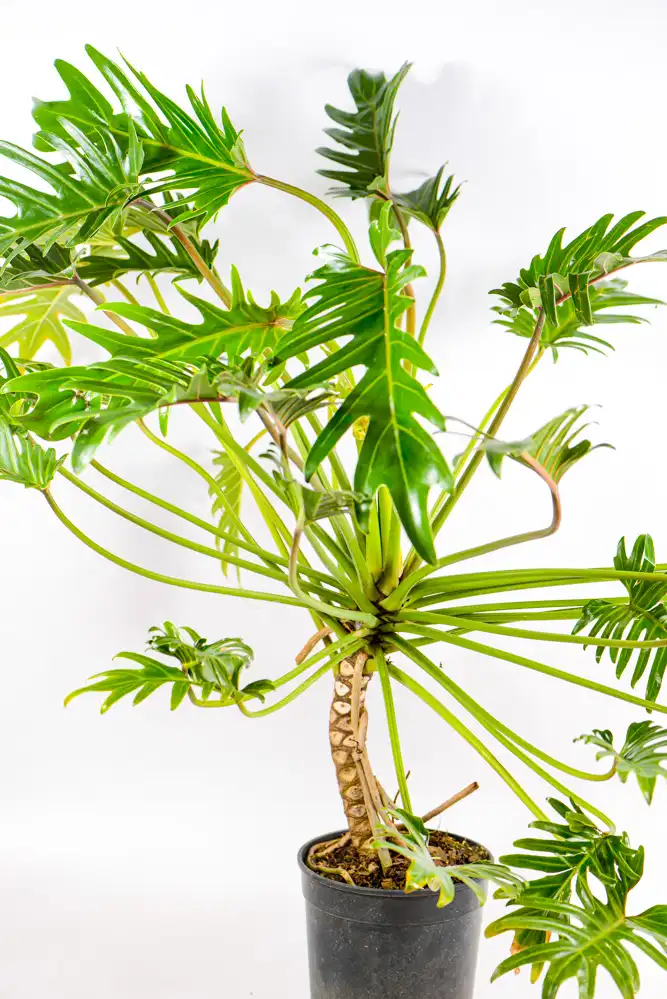
Commonly known as : Philodendron Kubla Khan
Botanical Name: Philodendron Kubla Khan
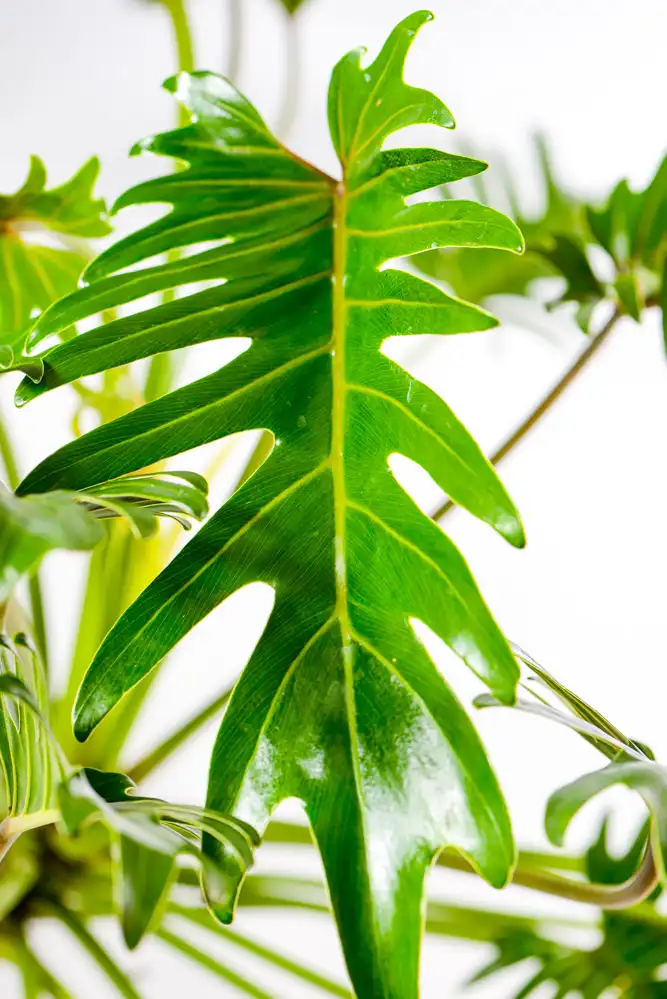
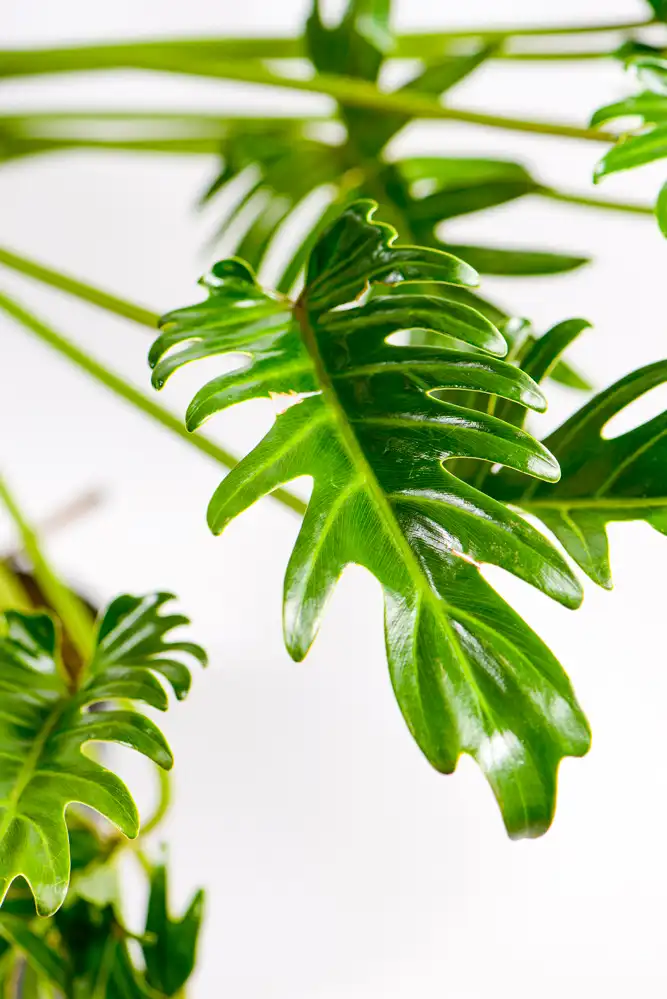
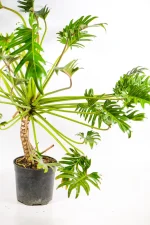
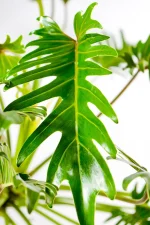
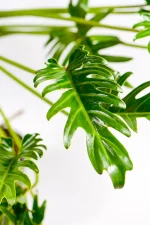
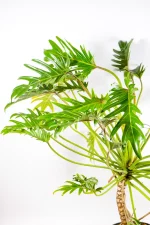
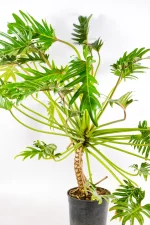
Philodendron Kubla Khan is a hybrid that demands attention. Its massive, jagged-edged leaves start out smooth and smaller when young, then mature into huge, deeply serrated shields that look like they belong in an ancient forest. The leaves have a rich green hue and a slightly leathery texture, making this plant feel both lush and structural at the same time.
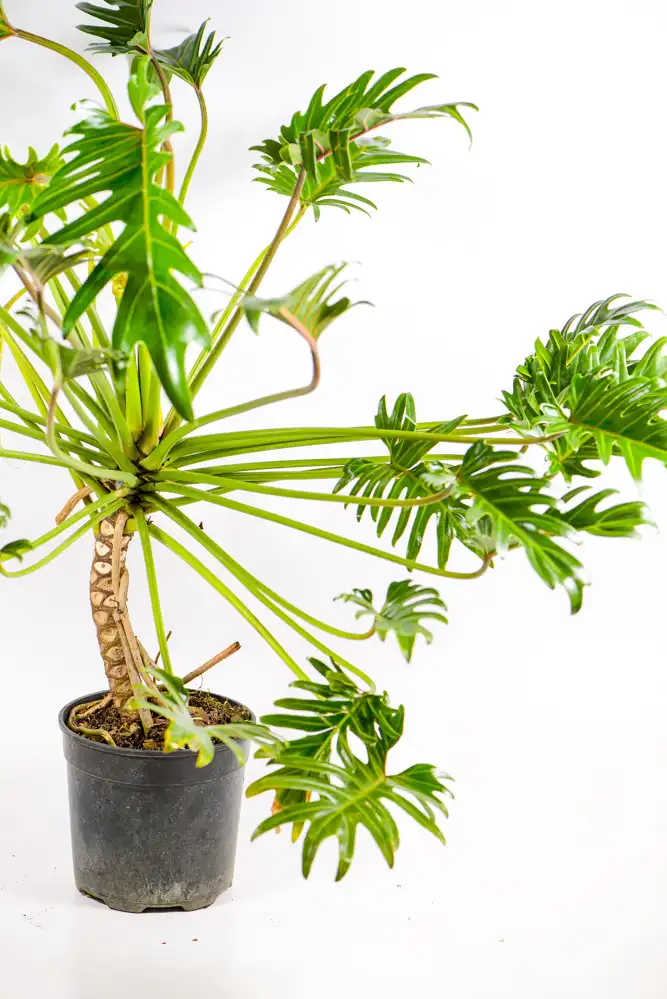
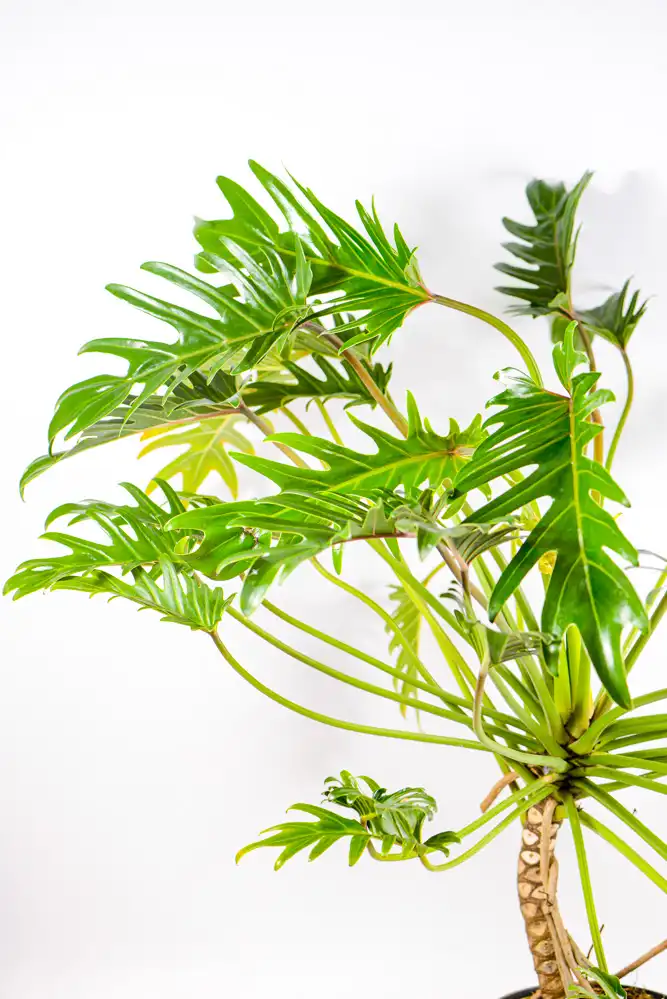
Despite its regal name and impressive looks, Kubla Khan is pretty laid-back when it comes to care. Like most philodendrons, it prefers bright but indirect light, and it can handle the occasional missed watering without complaint. It’s a self-heading type, so it won’t climb—making it ideal as a floor plant or in a large statement pot where its form can really shine.
Whether you’re expanding your aroid collection or just want a bold centrepiece plant, this one ticks all the boxes.
Philodendron Kubla Khan Care Guide
🌞 Light:
Kubla Khan loves bright, filtered light. A spot near a north- or east-facing window is perfect. Too much harsh sun can burn its leaves, but too little light will slow its growth and reduce the bold leaf shape.
💧 Water:
Water when the top 3–5cm of soil feels dry. It enjoys a good drink but doesn’t like wet feet. Make sure excess water can drain freely, and always empty saucers after watering.
🌡️ Humidity & Temperature:
It thrives in average to high humidity and prefers temperatures above 16°C. If your space is dry, a pebble tray or gentle misting now and then will help keep it happy.
🪴 Potting mix:
Kubla Khan needs a chunky, well-draining mix. Use our premixed Aroid Mix, or make your own with Barks Unlimited Potting Soil, Perlite, and some chunky Bark Chips.
🌱 Feeding:
Feed monthly in spring and summer with a balanced organic fertiliser. Hold off during the colder months when growth slows down.
🛡️ Pests:
Generally pest-resistant, but keep an eye out for the usual suspects like mealybugs or spider mites. If needed, use an insecticidal spray and wipe the leaves to keep them clean and shiny.
♻️ Repotting & pruning:
Repot every 1–2 years or when it becomes rootbound. Use a slightly larger pot to give those roots room to stretch. Prune old or damaged leaves at the base to keep the plant looking fresh.