





Commonly known as:Â Philodendron Xanadu
Botanical name: Thaumatophyllum xanadu
(previously Philodendron xanadu)
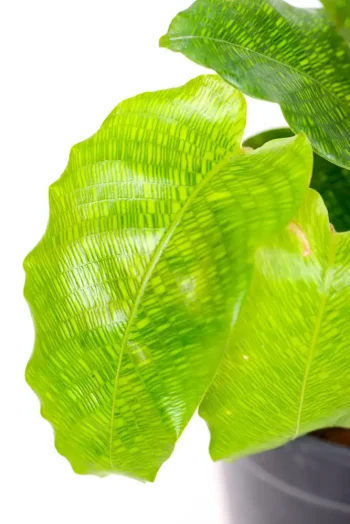
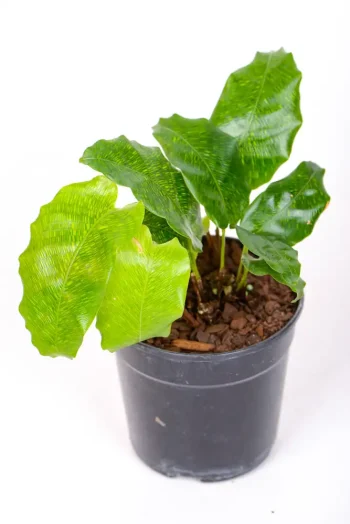
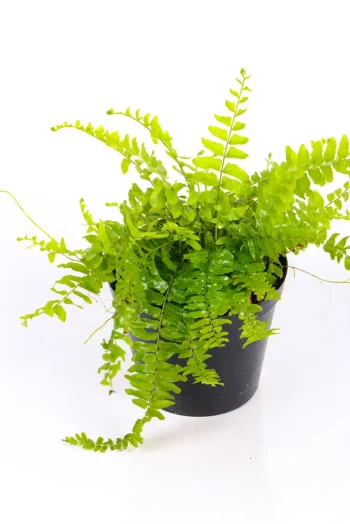
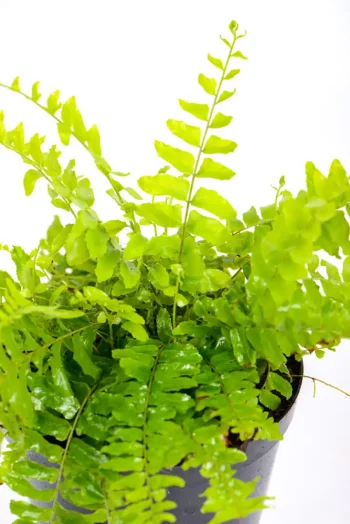
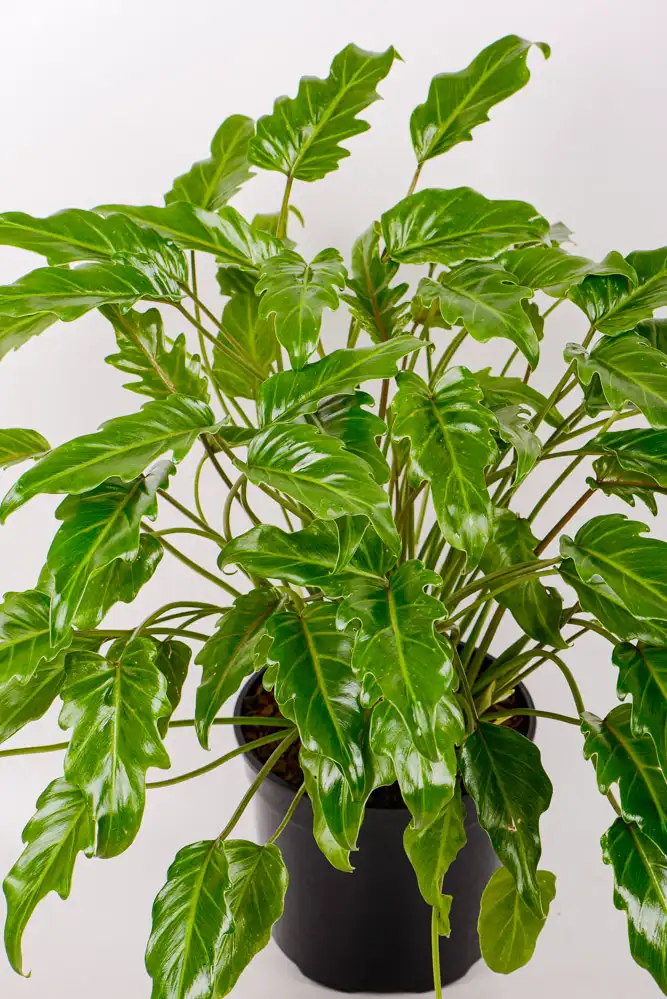
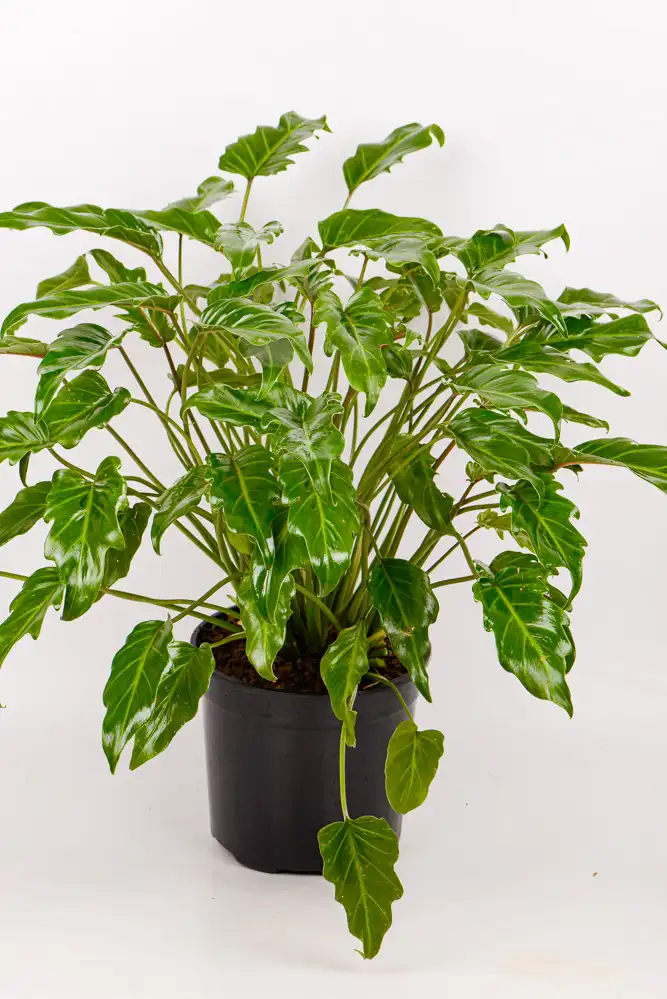
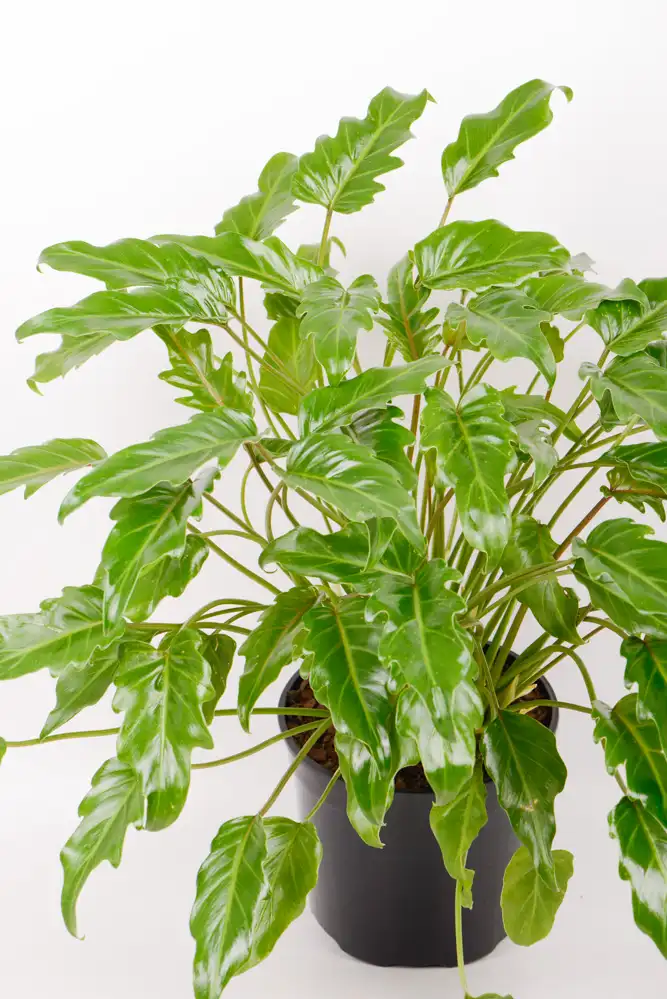
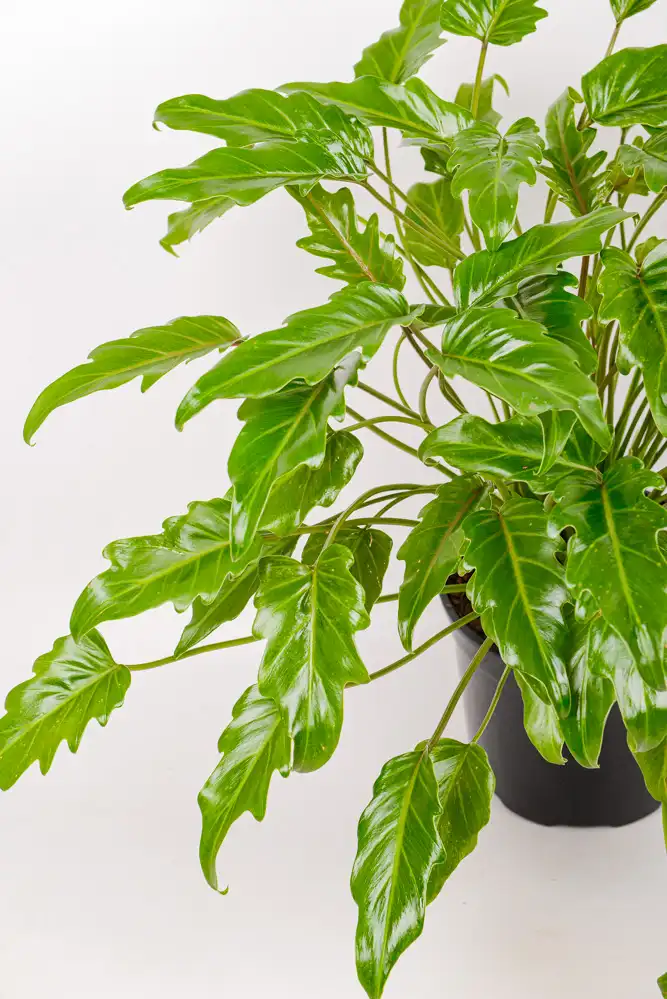
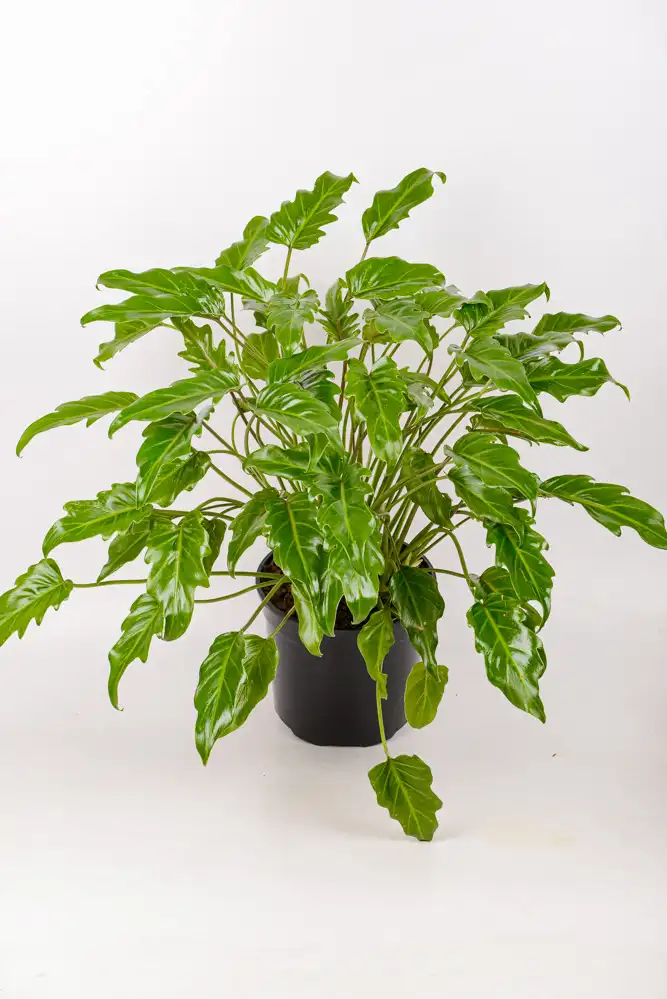
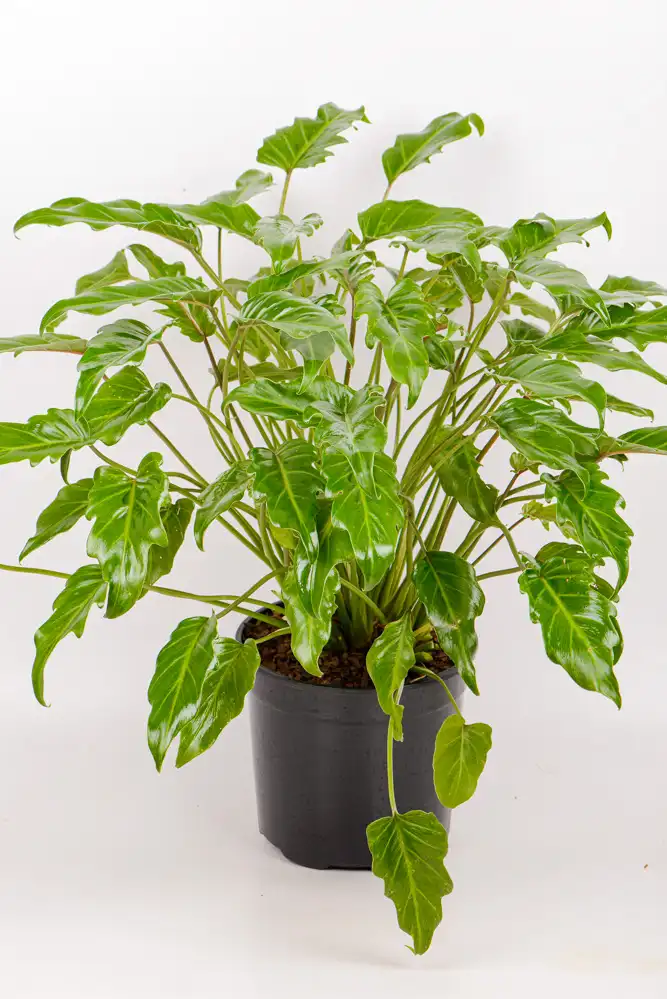
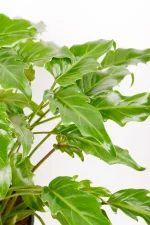
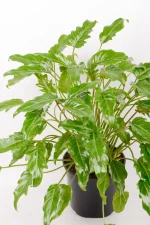
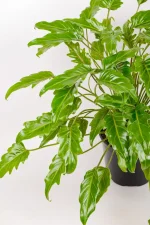
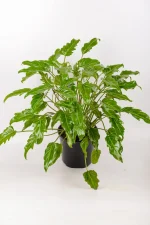
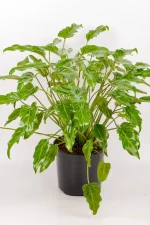
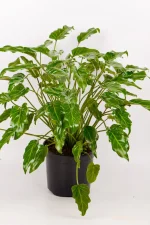
Philodendron Xanadu is grown for its dense tropical foliage and naturally layered form. The deeply cut leaves emerge upright before arching outward, creating a broad, full plant with strong texture from every angle.
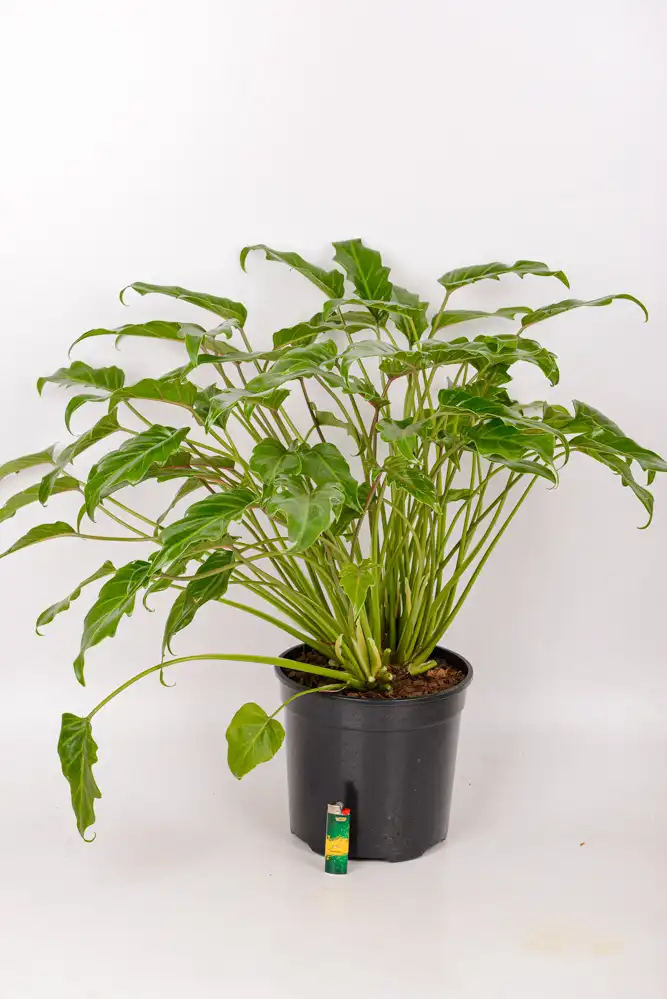
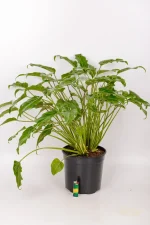
Unlike climbing Philodendrons, Xanadu grows as a self-heading plant. This means it forms a dense clump rather than producing long vines, allowing it to maintain a controlled and balanced shape without needing poles or support structures.
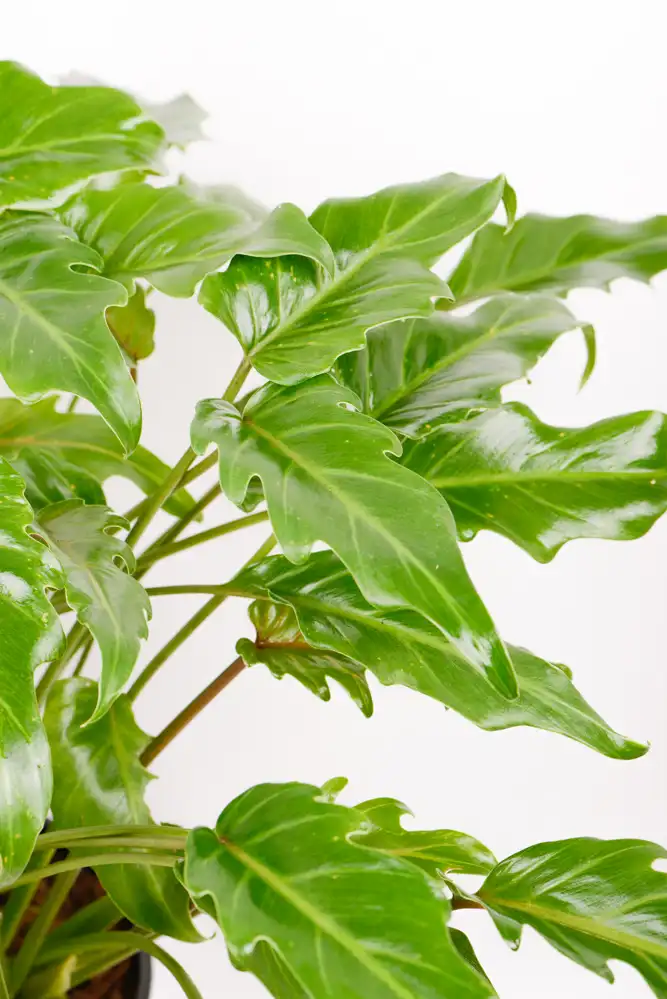
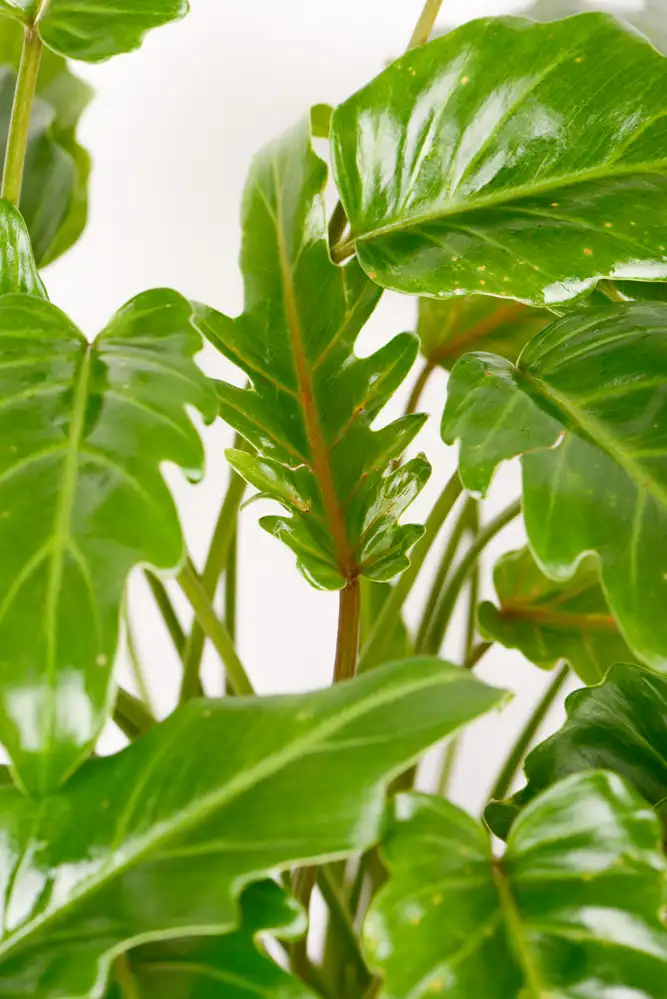
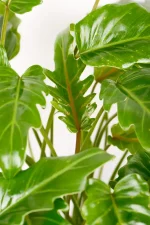
The foliage is heavily structured and distinctly tropical. Each leaf develops multiple lobes and divisions, giving the plant movement and detail without making it feel untidy. As new leaves emerge from the centre, the plant gradually becomes wider and fuller over time.
At around 50–60cm tall in a 23cm pot, this size already has good presence indoors. The layered growth fills space naturally and works particularly well in living areas, offices, or grouped plant displays where broader foliage is needed.
Because the leaves are divided rather than solid, the plant adds texture without becoming visually heavy. The lush green foliage also reflects light well, helping the plant feel fresh and vibrant indoors.
Philodendron Xanadu delivers the tropical look of larger landscape plants while remaining manageable indoors. It provides fullness, structure, and reliable growth without requiring complicated care.
Philodendron Xanadu Care Guide
Watering – How often should it be watered?
Water when the top 3–5cm of the growing medium begins to dry out. Keep moisture levels balanced while ensuring excess water drains freely. Avoid prolonged waterlogging.
Light – What light does Philodendron Xanadu need?
Bright, indirect light works best. It adapts well to medium light conditions, but stronger light supports fuller growth and larger leaves. Avoid harsh direct afternoon sun.
Humidity – Does it need extra humidity?
Average indoor humidity is suitable, although moderate humidity supports stronger foliage development and healthier growth.
Soil – What soil works best?
Use a breathable, free-draining growing medium. Milled Bark Growing Medium works particularly well, providing excellent airflow around the roots while retaining balanced moisture. Perlite can be added if additional drainage is preferred.
Feeding – How should it be fertilised?
Feed during the growing season with Grobest Organic Fertiliser every 4–6 weeks. For stronger foliage growth, Novatec Soluble Fertiliser can be used regularly.
Repotting – When should it be repotted?
Repot every 18–24 months or when the plant becomes root-bound. Move up one pot size only. Refresh with Milled Bark Growing Medium and incorporate TerraPlus Natura N and Controlled Release Fertiliser during repotting.
Pests – What pests should I watch for?
Watch for spider mites, aphids, and mealybugs, particularly around new growth. Treat early with an insecticidal spray if needed.
Temperature – What temperature suits it best?
Philodendron Xanadu grows well between 18°C and 30°C. Avoid temperatures below 12°C and protect from cold drafts.
FAQ’s
Does Xanadu climb like other Philodendrons?
No. Xanadu is a self-heading plant that grows in a dense clumping form.
Will it become fuller over time?
Yes. New growth continuously emerges from the centre, gradually increasing density and width.
Is it suitable for indoors long term?
Yes. It adapts very well to indoor conditions with stable light and watering.
Does it need support poles?
No. Xanadu maintains its own structure naturally.
Is it pet-safe?
No. Philodendron species are toxic if ingested.
Be sure to visit and follow us Facebook and Instagram