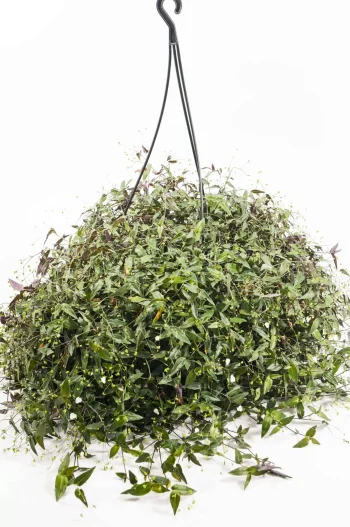






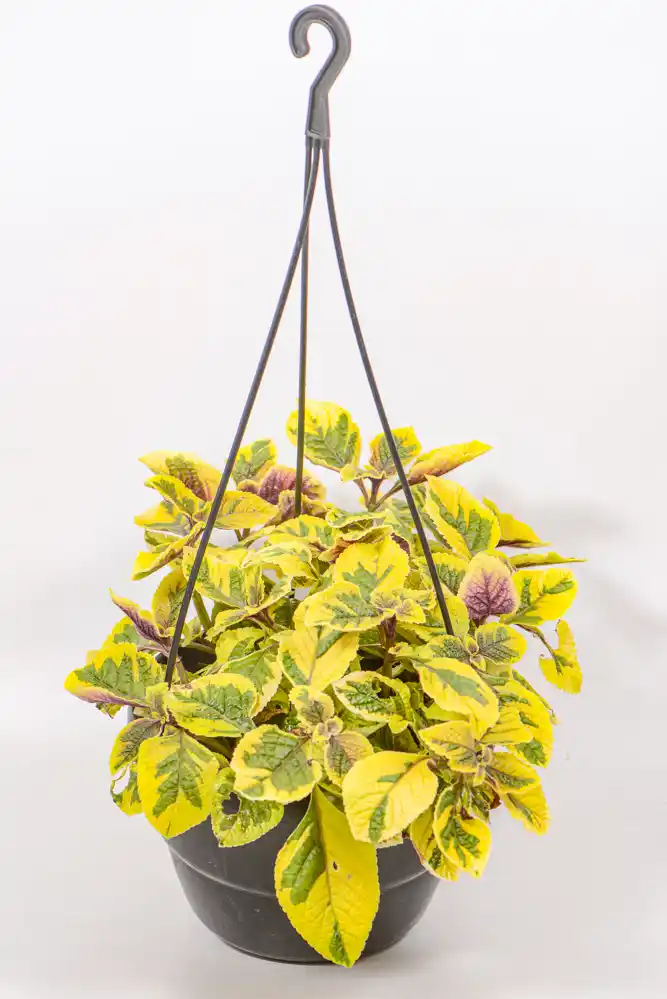
Commonly known as: Lemon Lime Plectranthus
Botanical name: Plectranthus madagascariensis ‘Lemon Lime’
Plectranthus madagascariensis ‘Lemon Lime’ is grown for its cheerful two-tone foliage and relaxed, cascading habit. The small rounded leaves shimmer in pale chartreuse and lime, creating a bright accent in shady gardens or semi-covered patios. It grows quickly, roots easily, and releases a gentle herby scent when brushed.
This variety is excellent in pots, hanging baskets, or as soft groundcover — it brightens dark corners and blends beautifully with other foliage textures.
Plectranthus Lemon Lime Care Guide
Watering – How often should I water a Lemon Lime Plectranthus?
Water when the top few centimetres of soil feel dry. It enjoys regular moisture but dislikes soggy roots. In warm weather, that’s usually once or twice a week. Reduce watering in cooler months and ensure the pot drains freely.
Light – What kind of light does it prefer?
Bright, indirect light or partial shade is ideal. Morning sun helps deepen the golden tones, but strong afternoon rays can scorch the leaves. Indoors, place it near a bright window with filtered light.
Humidity – Does it like humidity?
Average household or outdoor humidity is perfect. If indoors, a quick mist now and then keeps the leaves fresh and prevents edges from crisping in dry air.
Soil – What mix works best for Lemon Lime Plectranthus?
For optimal drainage and healthy roots, use our Aroid Mix, or create your own using Barks Unlimited Potting Soil combined with Perlite. This keeps the soil airy, lightly moist, and quick-draining — exactly what this variety enjoys.
Feeding – How often should I fertilise it?
Feed monthly in spring and summer with a mild Organic Fertiliser. You can also mix a little Controlled Release Fertiliser into the potting mix at the start of the season for steady growth. Hold back in winter.
Repotting – When should I repot or trim it?
Repot once a year or when it outgrows its container. Pinch back long stems regularly to keep it dense and bushy. Add a few Bark Chips for better aeration and to support new roots.
Pests – Are there common pests to look out for?
They’re usually pest-free, but aphids or whiteflies can appear on tender new growth. Treat promptly with an insecticidal spray and wipe down leaves to keep them clean and healthy.
Temperature – What’s the ideal temperature range?
Best between 18 °C and 28 °C. Protect from frost and cold drafts — it prefers warmth and bright shade. Outdoors, bring it under cover during very cold snaps.
FAQ’s
Q: Can I grow it outdoors year-round?
Yes, in frost-free areas. In cooler regions, overwinter it indoors or on a sheltered patio.
Q: How big does it get?
Up to 30–40 cm high and around 60 cm wide when mature.
Q: Why is my plant going leggy?
It needs more light or a trim. Pinch it back and move it to a brighter spot.
Q: Is it pet-friendly?
Yes — it’s considered non-toxic to cats and dogs.
Be sure to visit and follow us Facebook and Instagram