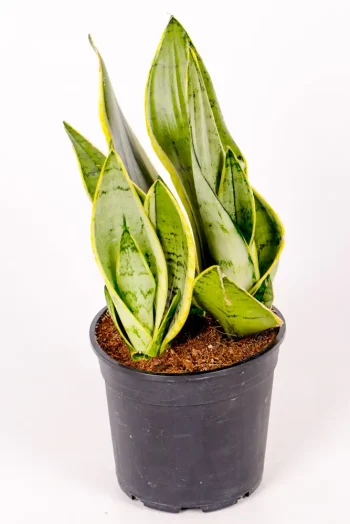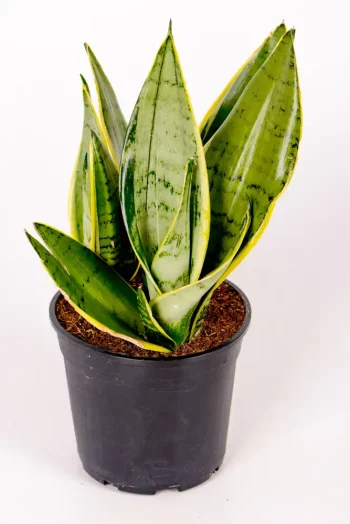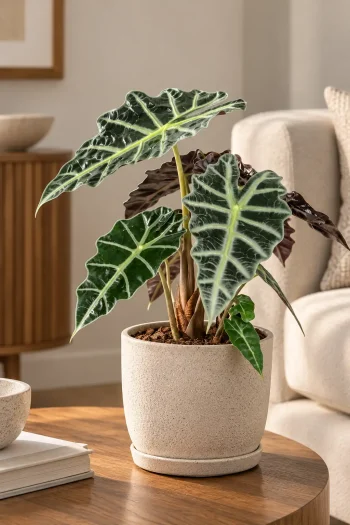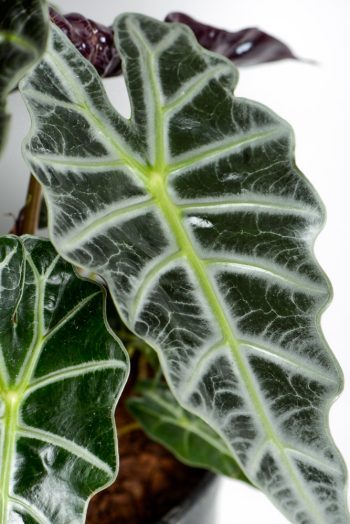






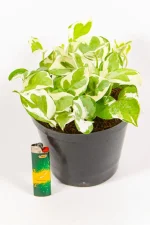
Commonly known as: Pothos N’ Joy
Botanical name: Epipremnum aureum ‘N’ Joy’
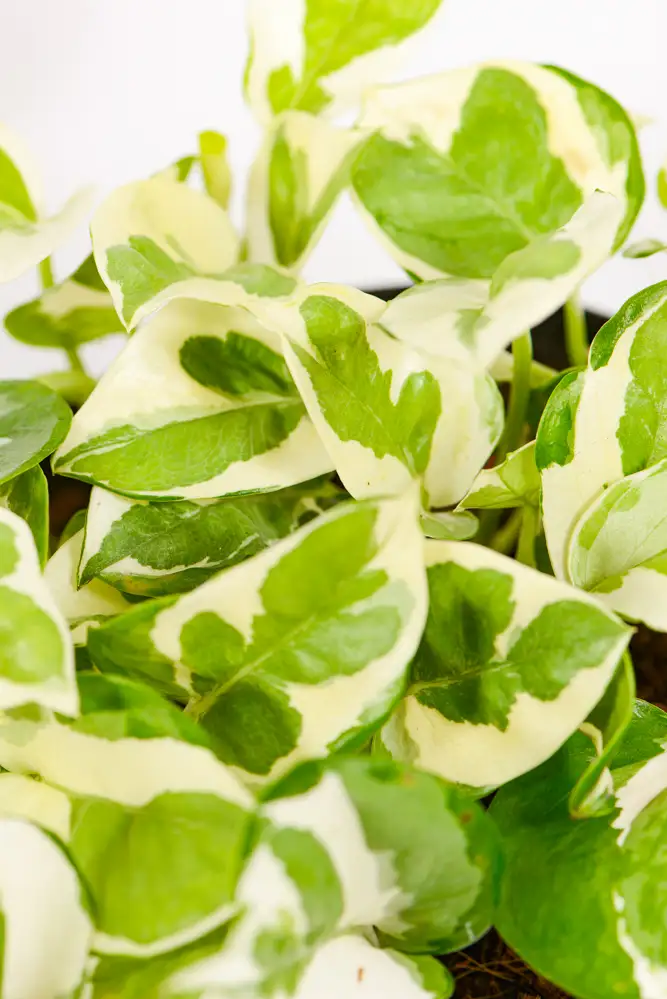
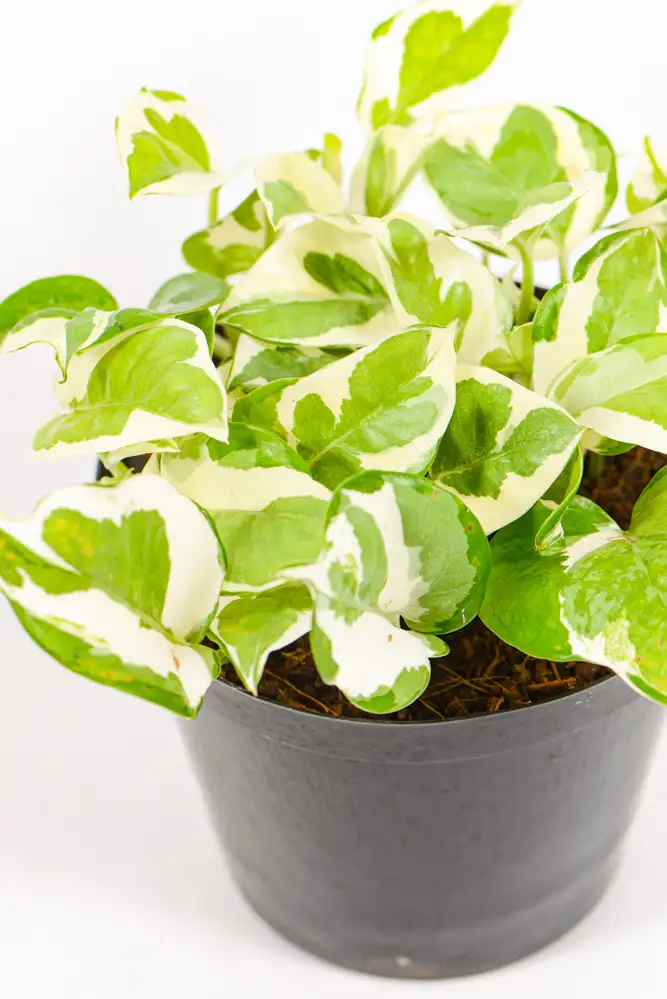
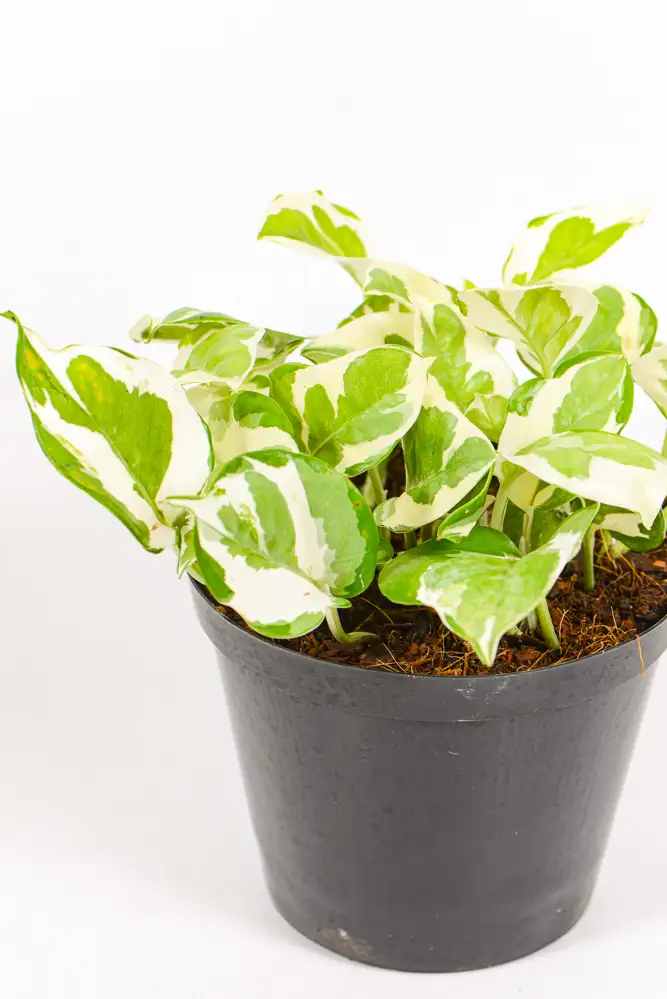
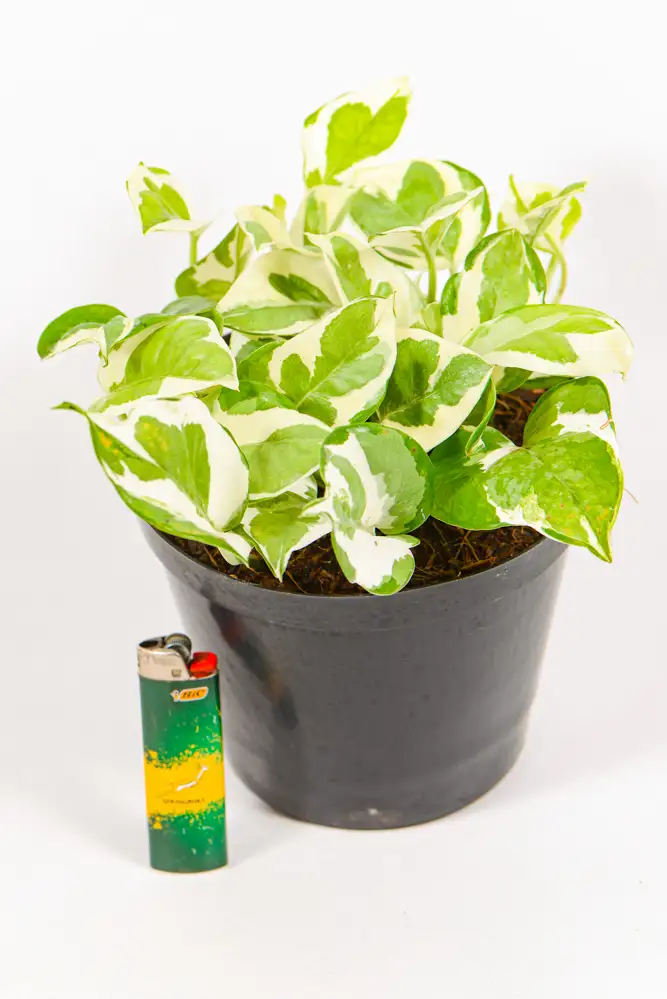
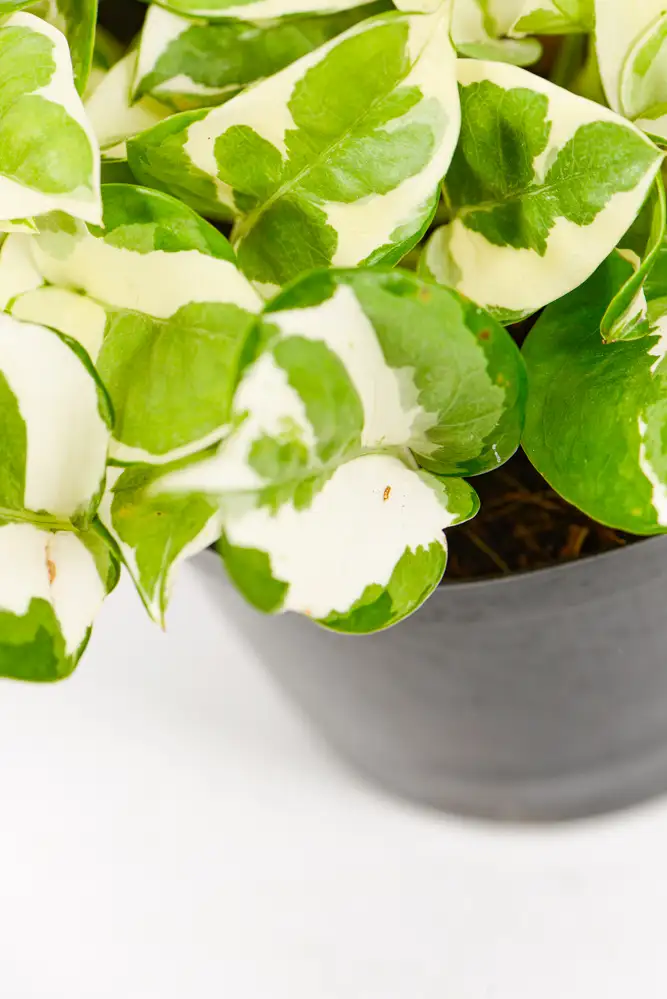
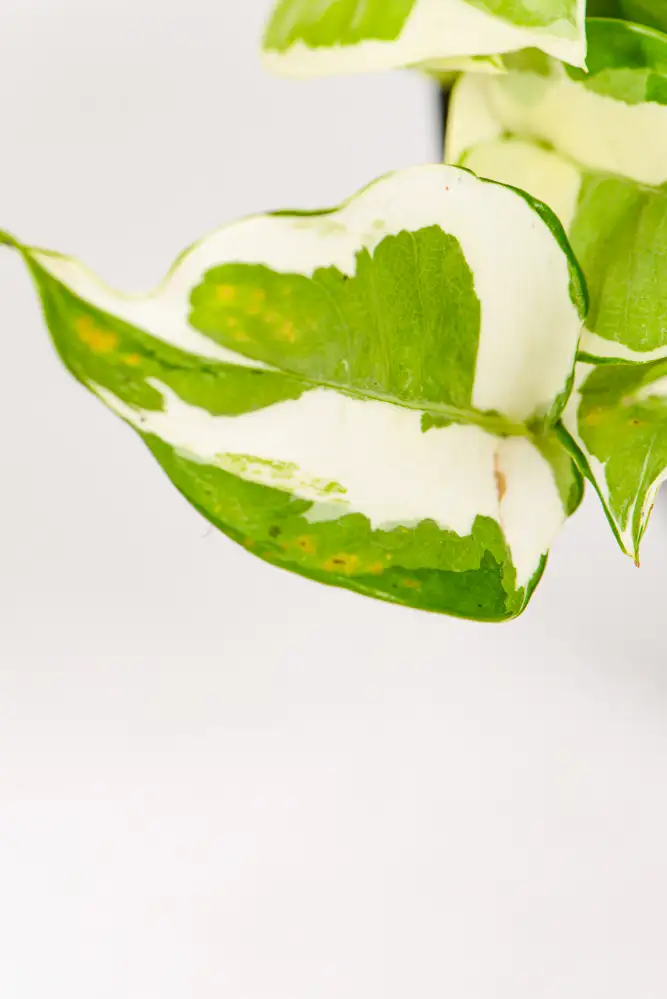
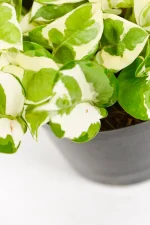
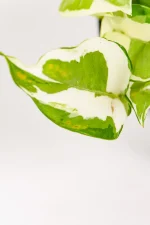
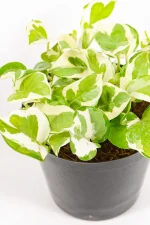
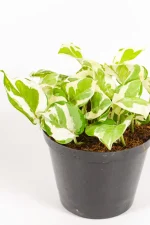
Pothos N’ Joy brings contrast and structure into an indoor space through its clean white and green variegation. The leaves remain smaller and more compact than many other pothos varieties, which gives the plant a tidy, well-balanced appearance. In good light, the white pattern stays crisp and evenly defined across the foliage.
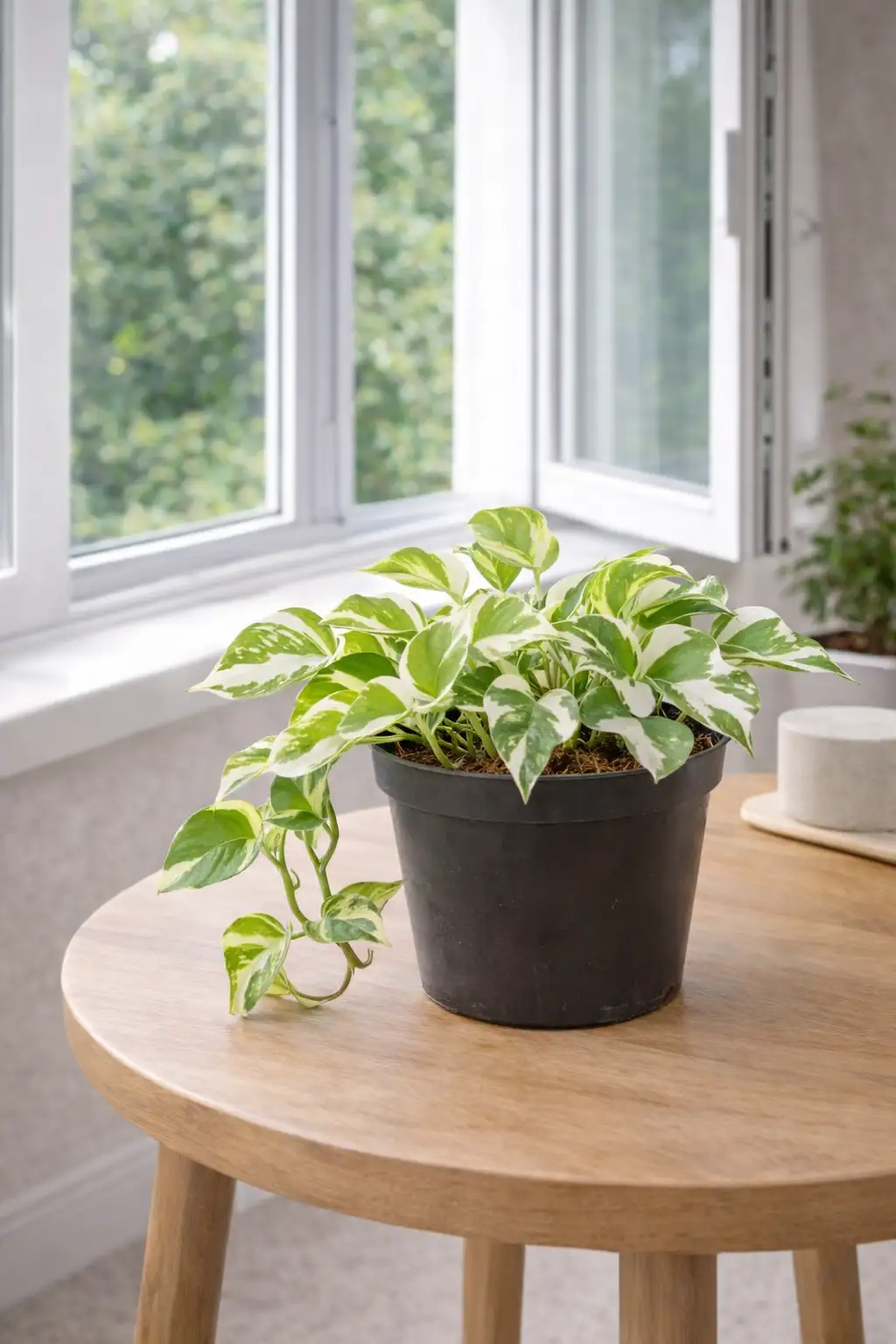
This variety grows in a trailing habit, producing shorter internodes and a denser overall shape. Because of this controlled growth, it works especially well in smaller spaces where a softer cascade looks better than long, loose vines. Occasional trimming helps maintain fullness and encourages branching.
Pothos N’ Joy adapts easily to indoor environments. With stable light, careful watering, and a well-structured growing mix, it continues to produce healthy growth and consistent variegation. Its forgiving nature makes it suitable for both new plant owners and more established collections.
Pothos N' Joy Care Guide
Watering – How often should it be watered?
Water when the top 3–5cm of the mix has dried out. Pothos prefers evenly moist soil but reacts poorly to waterlogged conditions. Always allow excess water to drain freely.
Light – What light does Pothos N’ Joy need?
Bright, indirect light works best. Good light helps maintain strong white variegation. The plant tolerates medium light, although colour contrast may soften slightly.
Humidity – Does it need extra humidity?
Average indoor humidity is sufficient. Pothos adapts well to normal home conditions without additional humidity support.
Soil – What soil works best?
Use a chunky, free-draining mix that supports healthy roots. Aroid Mix works well. Alternatively, use Indoor Potting Soil as a base and improve structure with Perlite and Bark Chips.
Feeding – How should it be fertilised?
Feed during spring and summer with Grobest Organic Fertiliser every 4–6 weeks. For faster growth during peak season, Novatec Soluble Fertiliser can be used occasionally at a reduced strength.
Repotting – When should it be repotted?
Repot every 12–18 months, or once roots fill the pot. Move up one pot size only. At repotting time, incorporate TerraPlus Natura N and Controlled Release Fertiliser into the fresh mix.
Pests – What pests should I watch for?
Inspect stems and leaf undersides for mealybugs, spider mites, and thrips. Early treatment with an insecticidal spray helps prevent issues from spreading.
Temperature – What temperature suits it best?
Pothos N’ Joy grows best between 18°C and 28°C. Avoid cold drafts and temperatures below 12°C.
FAQ’s
Q: How does N’ Joy differ from other pothos varieties?
It has smaller leaves, stronger white variegation, and a more compact growth habit.
Q: Can it trail and climb?
Yes. It trails naturally but can climb if given support.
Q: Does pruning help keep it compact?
Yes. Regular trimming encourages branching and fuller growth.
Q: Is Pothos N’ Joy pet-safe?
No. Pothos plants are toxic if ingested and should be kept out of reach of pets.
Be sure to visit and follow us Facebook and Instagram