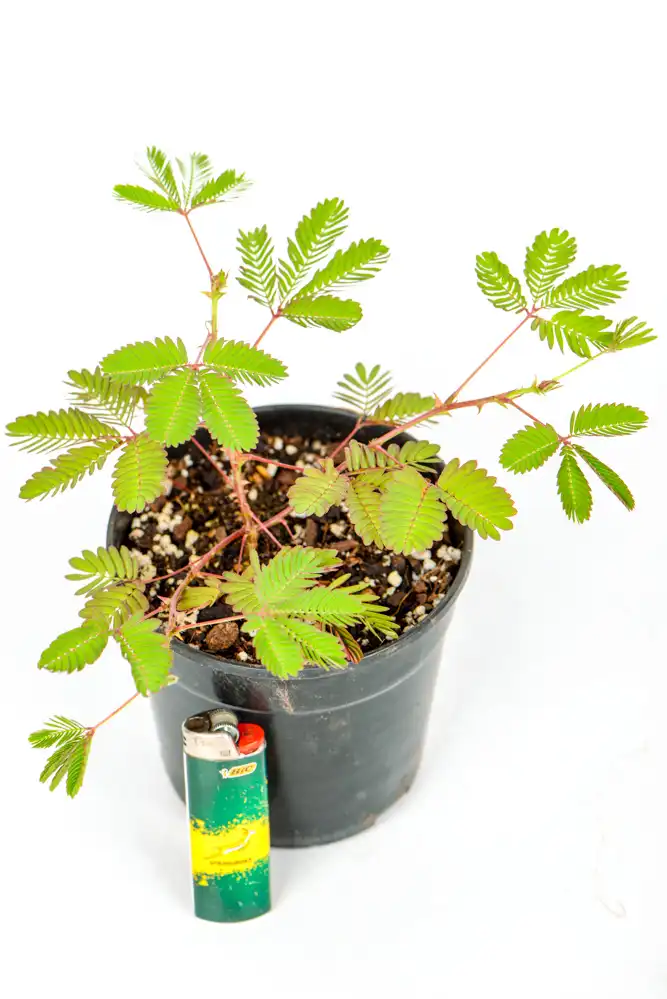
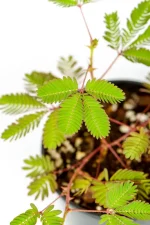
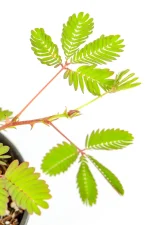
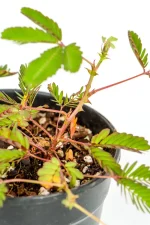
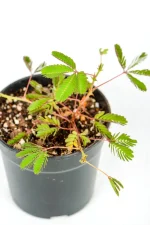
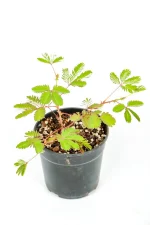
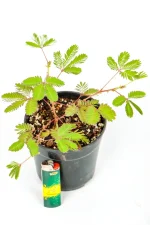
Commonly known as: Touch Me Not, Sensitive Plant
Botanical name: Mimosa pudica
There aren’t many plants that actually move when you touch them, but the Touch Me Not (Mimosa pudica) does exactly that.
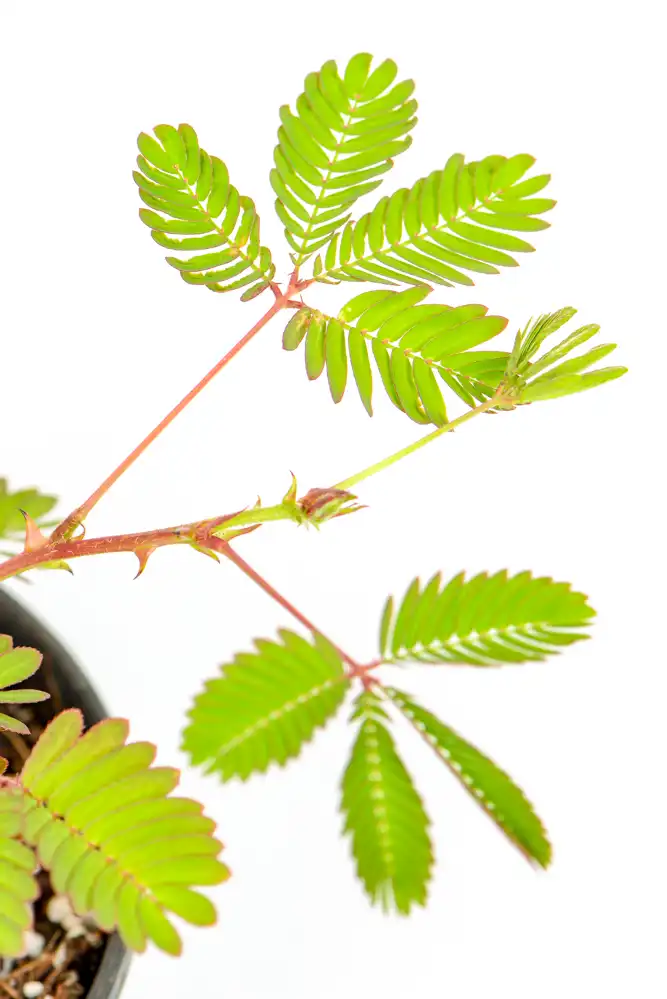
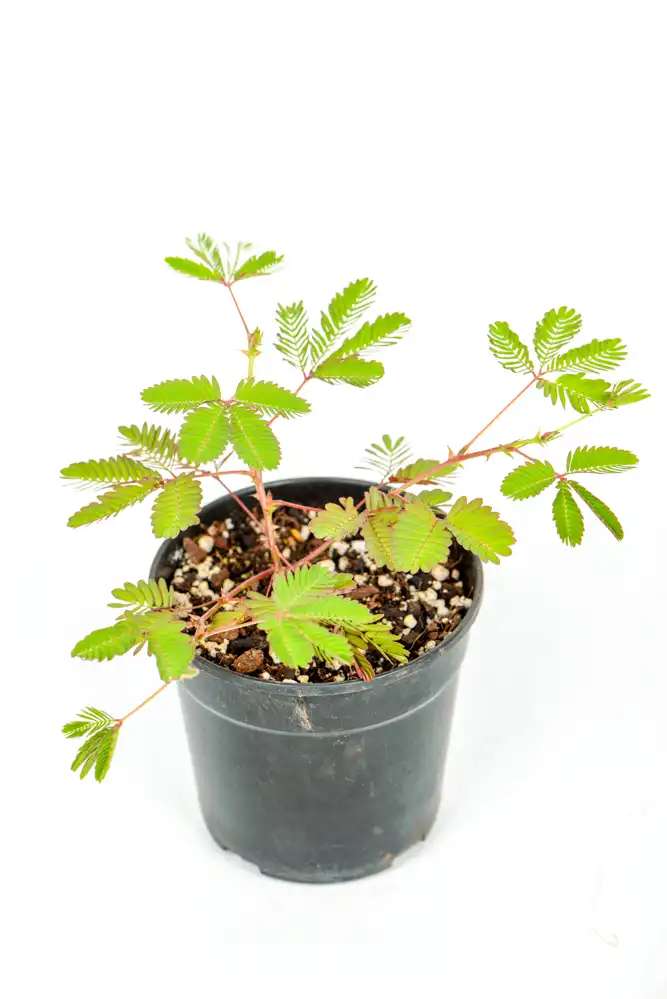
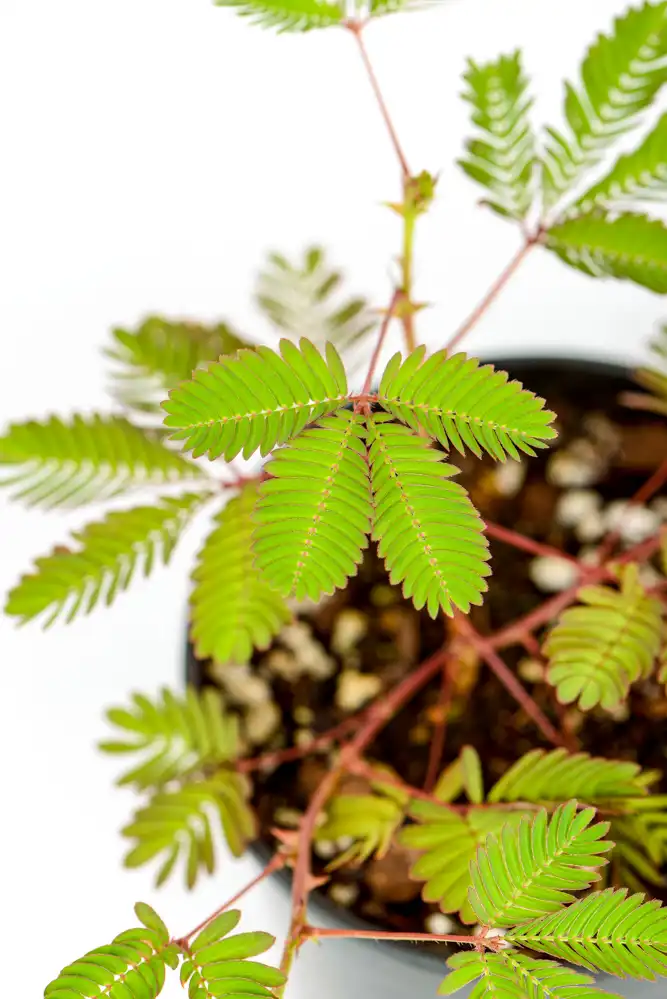
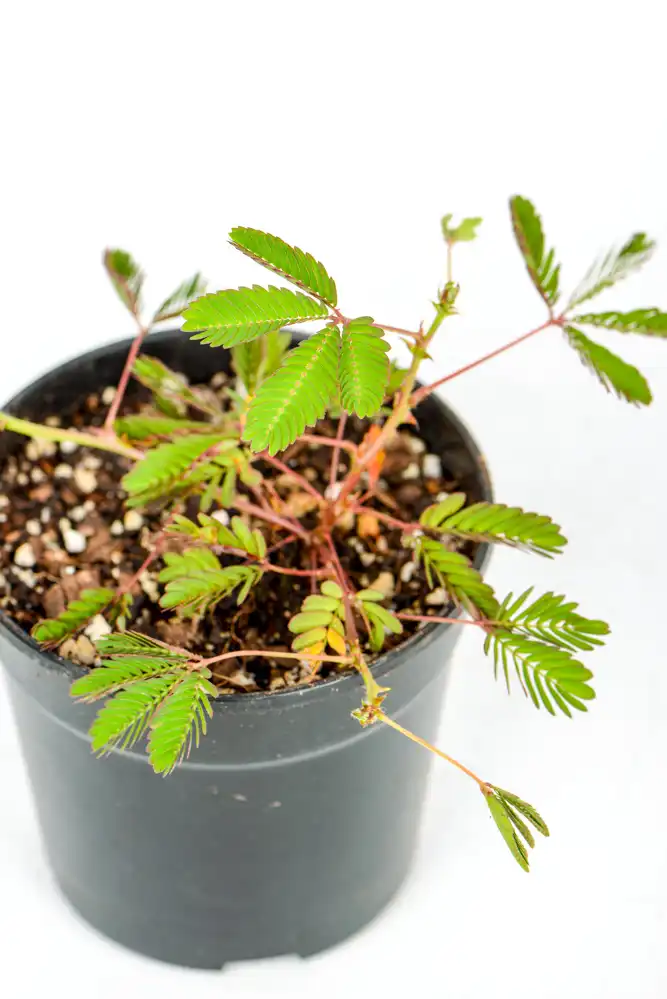
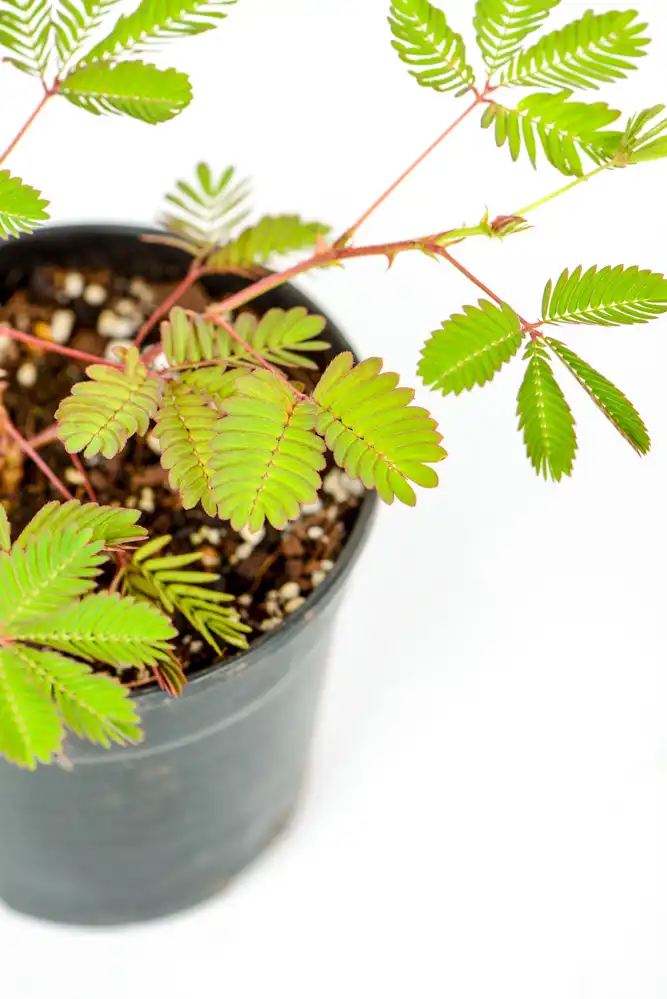
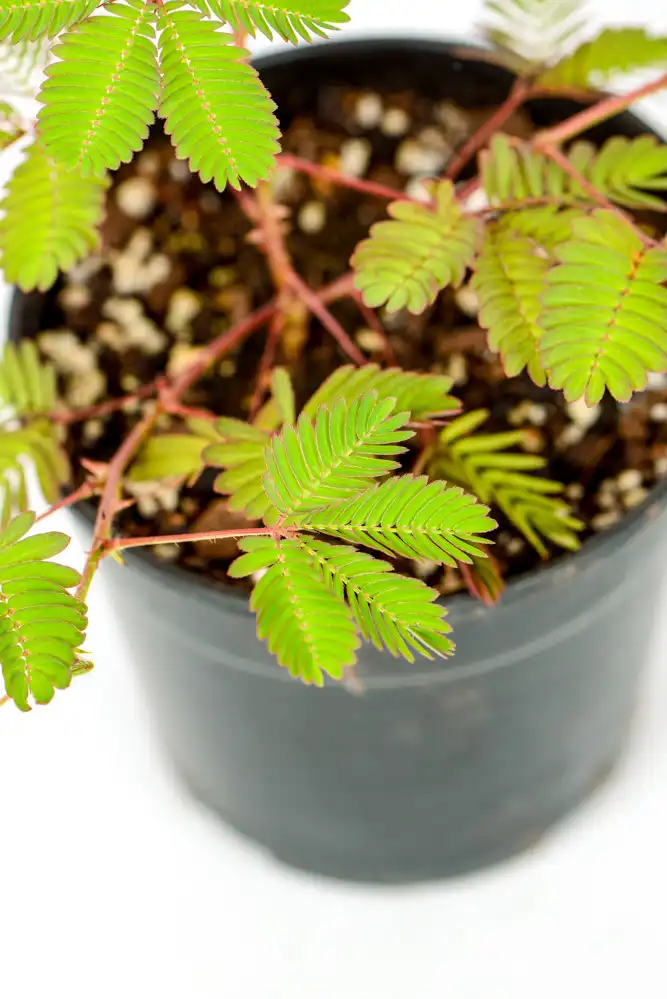
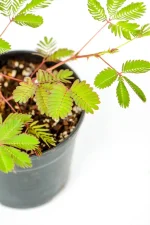
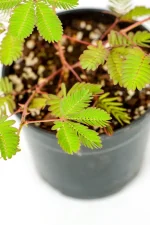
At first glance, it looks like a delicate little fern, with fine green leaflets arranged along slender stems. But gently touch one of those leaves and something rather remarkable happens: the leaflets fold together, and the entire leaf may droop downwards.
Within a short while, the foliage gradually opens again.
This fascinating response is called thigmonasty, and it’s a natural reaction to touch or physical disturbance. The plant rapidly changes the water pressure inside specialised structures at the base of its leaves, allowing them to move without relying on muscle tissue.
The Touch Me Not also has a daily sleeping routine. As evening approaches, the leaves fold together naturally, reopening the following morning when light returns.
Although it’s often grown for this unusual movement, Mimosa pudica is also an attractive plant in its own right.
Its delicate foliage grows along branching stems, and under favourable conditions, it produces small, fluffy pink to lilac flowers that resemble miniature pom-poms.
Touch Me Not grows relatively quickly during warm weather and enjoys plenty of natural light. A bright windowsill with some direct morning sun is an excellent position, although it can also grow outdoors in a warm, protected area.
Keep the growing medium lightly moist without leaving the roots waterlogged. Regular feeding during active growth will encourage fresh foliage and branching.
One thing worth remembering is that the leaves shouldn’t be deliberately triggered constantly. Although watching them close is fascinating, each movement uses energy, and repeated stimulation can place unnecessary stress on the plant.
Give it good light, warmth and consistent care, and you’ll have a wonderfully interactive little plant that’s particularly entertaining to watch grow.
Touch Me Not Care Guide
Water – How often should I water my Touch Me Not?
Touch Me Not prefers consistent moisture, particularly during active growth.
Water thoroughly once the upper layer of the growing medium starts to dry, allowing the excess to drain away.
Avoid leaving the entire root ball completely dry for extended periods, as the delicate foliage can wilt quickly. However, the roots also need oxygen, so don’t keep the growing medium permanently saturated.
During cooler weather, reduce watering slightly as growth slows.
Light – How much light does Mimosa Pudica need?
Give it plenty of bright natural light, ideally with a few hours of gentle direct sunlight.
Morning sun is particularly beneficial and helps encourage compact growth, healthy foliage and flowering.
If growing indoors, position it close to a bright window rather than further back in the room.
Plants grown in insufficient light often become stretched, with long, weak stems and fewer leaves.
Introduce stronger direct sunlight gradually to avoid scorching foliage that has been growing under protected conditions.
Humidity – Does Touch Me Not need high humidity?
Touch Me Not appreciates moderate humidity but generally grows well in normal household conditions.
During particularly hot, dry weather, a little additional humidity can help maintain healthy foliage.
Good airflow is important, especially if you’re growing the plant in a warm, humid position.
There’s no need to constantly mist the leaves.
Soil – What growing medium should I use?
Mimosa pudica prefers a light, well-draining growing medium that retains some moisture.
Our Milled Bark Growing Medium, with added peat is a good starting point. Adding a little Perlite can improve drainage and airflow around the roots.
The aim is to provide consistent moisture without leaving the roots sitting in soggy, compacted growing medium.
Feeding – Should I fertilise my Touch Me Not?
Yes. Touch Me Not grows actively during warm weather and benefits from regular, moderate feeding.
Grobest Organic Fertiliser is a good option for supporting healthy foliage and steady growth.
Alternatively, Novatec Soluble Fertiliser can encourage strong, active growth when used appropriately.
Avoid excessive nitrogen feeding, which can encourage lots of leafy growth at the expense of flowering.
Repotting – When should I repot my Mimosa Pudica?
Repot when the roots have properly filled the existing container.
Choose a pot one sensible size larger and use fresh, well-draining growing medium.
Touch Me Not can be sensitive to unnecessary root disturbance, so keep the root ball as intact as possible when repotting.
Spring and early summer are ideal times, when the plant is actively growing.
Pests – What should I watch for?
Keep an eye out for spider mites, aphids and whiteflies, particularly during warm weather.
Check the undersides of the leaves and around fresh growth regularly.
Because the foliage is delicate and responds to physical contact, avoid aggressive spraying or rubbing when treating pests.
Use a treatment suitable for sensitive ornamental foliage and test a small area first.
Temperature – What temperatures does Touch Me Not prefer?
Touch Me Not enjoys warm conditions, ideally around 20°C–30°C.
It is sensitive to cold and should be protected from temperatures below approximately 15°C, particularly for extended periods.
Frost can seriously damage or kill the plant, so keep it indoors or in a warm, protected position during cold Gauteng winters.
Frequently asked questions
Why are the leaves folded in the evening?
Mimosa pudica also folds its leaflets as the light fades. They open again as daylight returns.
Can I show someone how it moves?
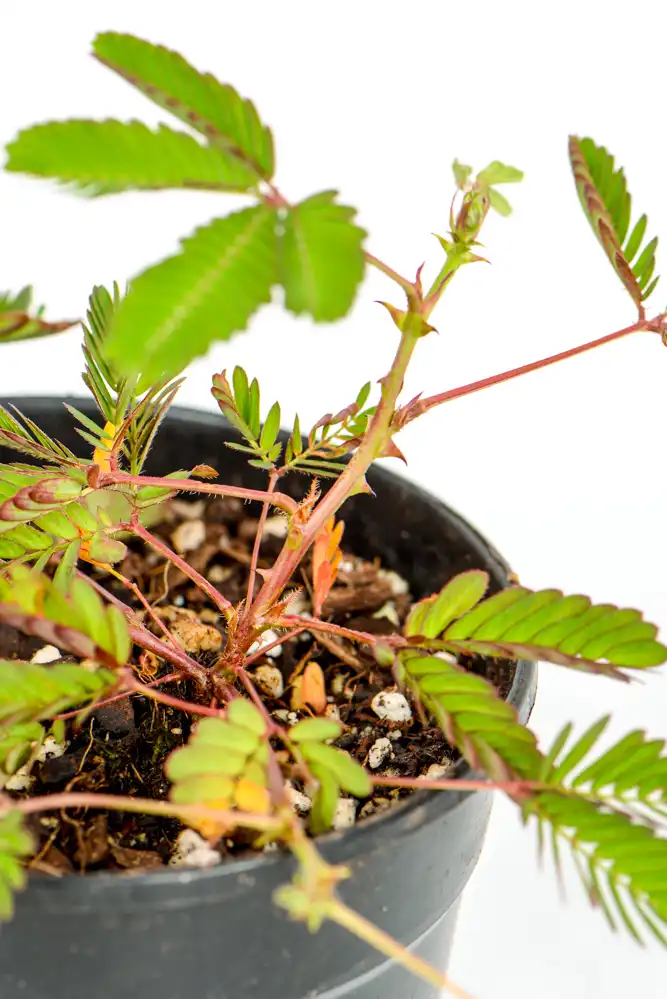
A light brush on one leaf is plenty. Leave the plant to reopen on its own and give it time between demonstrations. Watch out for the small prickles on the stems.
Will my plant flower?
Mature plants can produce fluffy pink flower heads in warm, bright conditions.
Be sure to visit and follow us Facebook and Instagram