





Variegated Vanilla Orchid

R430.00

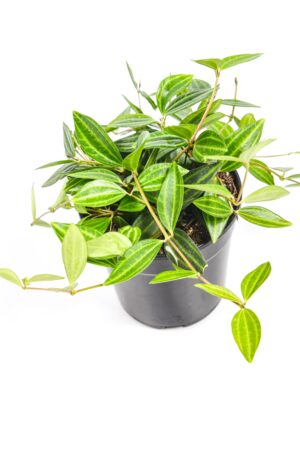
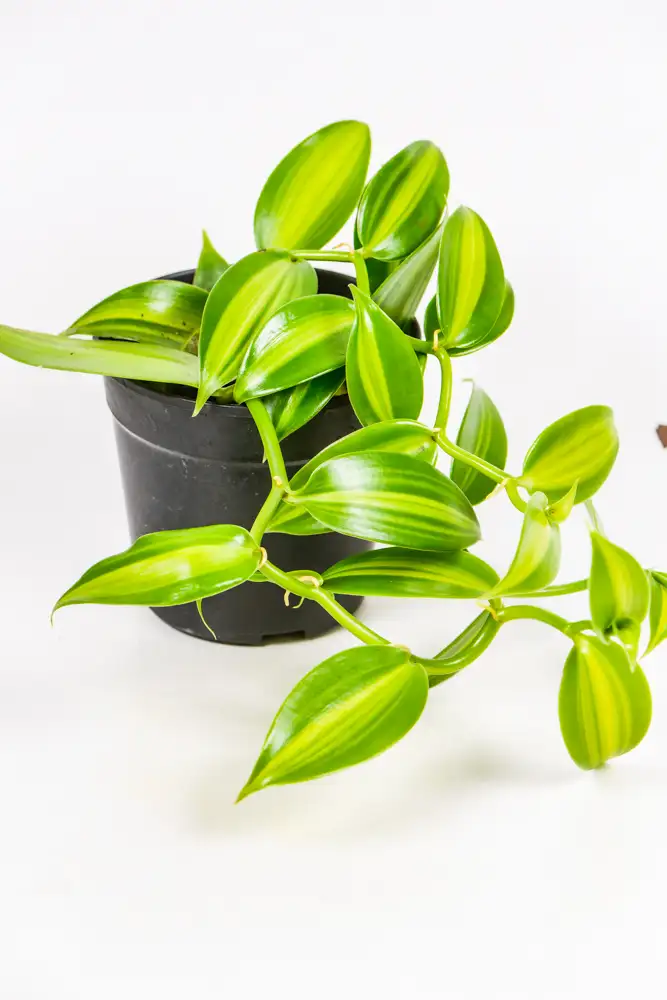
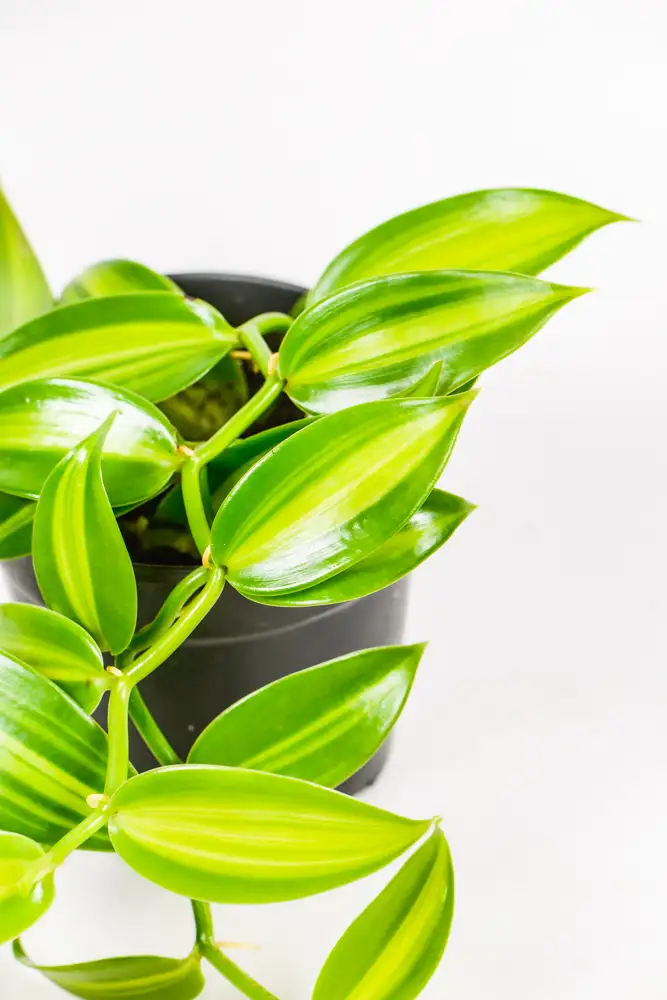
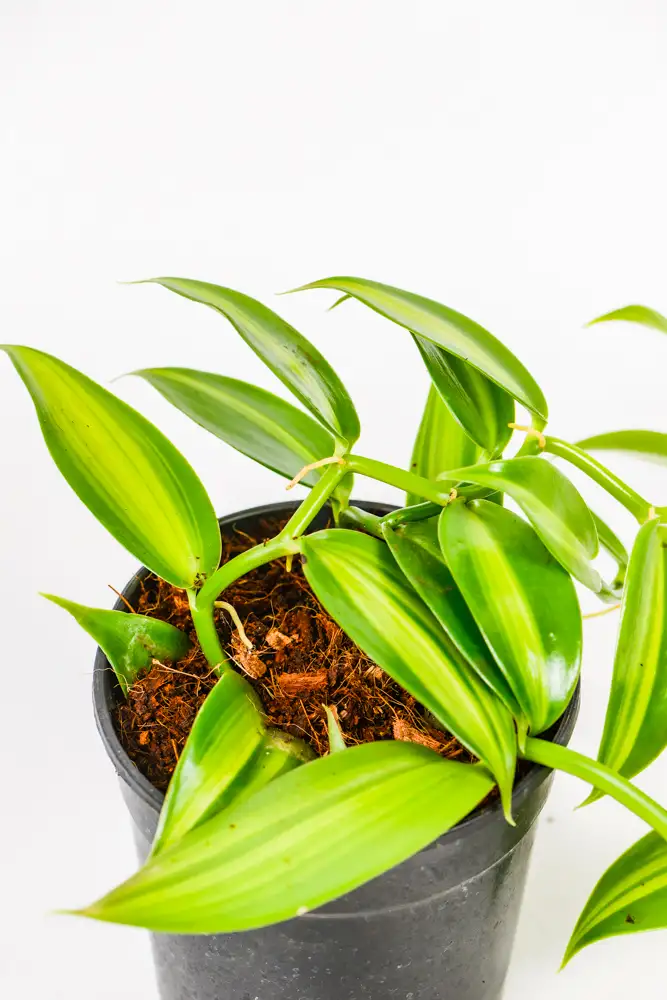
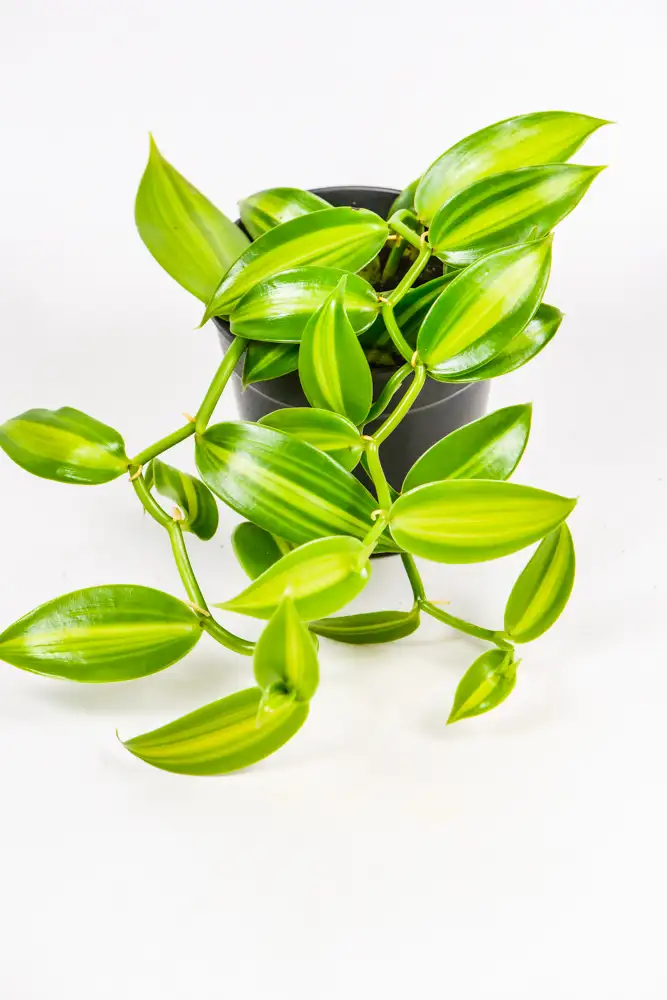
Variegated Vanilla Orchid is a rare climbing orchid vine with cream and green variegated foliage and thick succulent stems. Supplied in a 12cm pot with growth length of approximately 10–15cm, this plant requires warm temperatures, strong airflow, and careful watering to establish successfully. It is highly sensitive to overwatering and cold conditions, especially while young.

In stock

Add to Cart
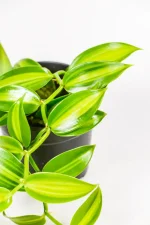
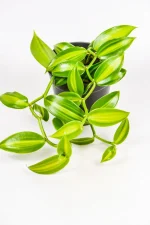
Full pot of a Variegated vanilla orchid
Variegated Vanilla Orchid
R430.00
Less than 5 items left!
Full pot of a Variegated vanilla orchid
Variegated Vanilla Orchid
R430.00
Questions? Send it to us!
Name

Commonly known as: Variegated Vanilla Orchid
Variegated Vanilla Vine

Botanical name: Vanilla planifolia ‘Variegata’

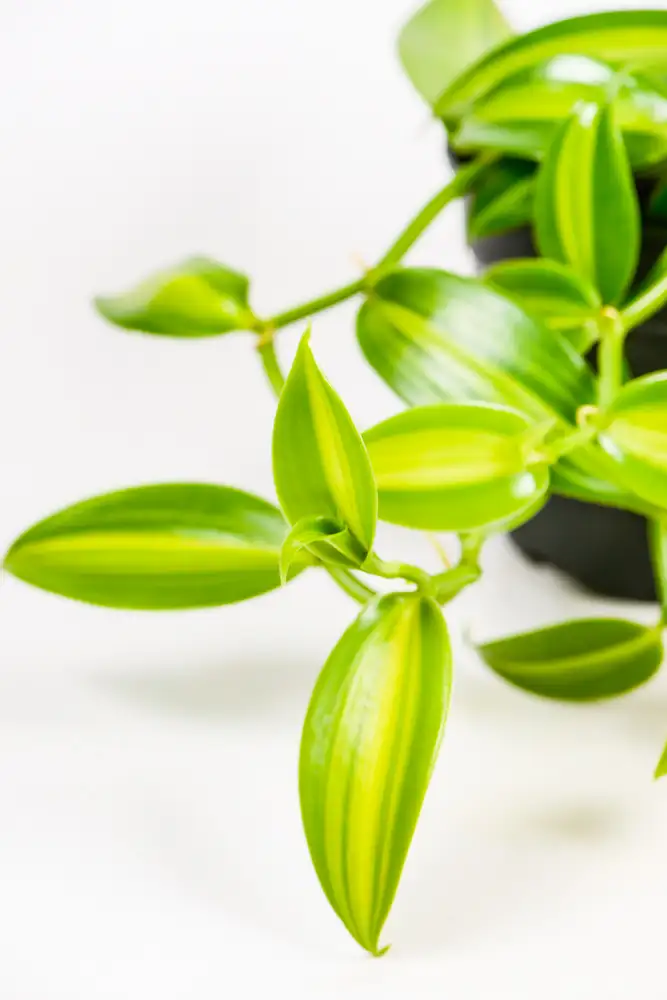
Variegated Vanilla Orchid is one of the more unusual orchid species grown as a houseplant. Unlike traditional flowering orchids, Vanilla planifolia grows as a climbing vine with thick fleshy stems, aerial roots, and elongated variegated foliage.

The cream and green variegation gives the plant a softer, more tropical appearance while also making it slower and more sensitive than the standard green form. At this young stage, with growth lengths around 10–15cm, the plant is still establishing itself and requires stable conditions to avoid stress.

Vanilla orchids naturally grow as tropical climbers in warm humid forests, attaching themselves to trees while receiving constant airflow around their roots and stems. This is extremely important to understand indoors, because most losses occur when the plant is treated like a normal potted houseplant.

The biggest issue with Vanilla Orchids is rot.

The stems contain a large amount of stored moisture, which means they can survive brief dryness far better than excessive wetness. When kept too wet, especially in cooler temperatures or poorly ventilated conditions, the stems and roots begin rotting very quickly. This often starts at the base of the vine before spreading upward.

Cold weather makes this even worse. During cooler months the plant slows down dramatically and becomes far less tolerant of moisture around the roots. Repotting during this period is one of the most common reasons young plants collapse.

For this reason, these plants should NOT be repotted during colder months. Allow the plant to establish properly first. Repot only once warmer spring temperatures arrive and once there has been substantial active growth.

Variegated Vanilla Orchids are not beginner plants. However, when kept warm, bright, and slightly on the drier side, they become rewarding tropical vines with strong climbing growth and highly unusual foliage.

Variegated Vanilla Orchid Care Guide

Water logo

Watering – How often should it be watered?

Allow the growing medium to partially dry between waterings. The roots should never remain constantly wet.

This plant is far more tolerant of slight dryness than excessive moisture. Overwatering, especially during colder weather, is the main reason Vanilla Orchids rot.

Always ensure excellent drainage and airflow around the roots.

Light logo

Light – What light does Variegated Vanilla Orchid need?

Bright, indirect light is essential. Gentle morning sun is beneficial, but avoid harsh midday sun. Variegated forms require strong light to maintain healthy growth.

Humidity logo

Humidity – Does it need extra humidity?

Yes. Moderate to high humidity is preferred, but airflow is equally important. Warm humid conditions with stagnant air can still lead to rot.

Soil Logo

Soil – What soil works best?

Vanilla Orchids require an airy, breathable growing medium with strong drainage. Milled Bark Growing Medium works particularly well because it maintains airflow around the roots while preventing the medium from remaining compact and waterlogged.

Additional Perlite can be added if even faster drainage is preferred.

Fertilizing logo

Feeding – How should it be fertilised?

Feed lightly during active growth using Grobest Organic Fertiliser every 4–6 weeks. For stronger vine growth during warmer months, Novatec Soluble Fertiliser can be used carefully.

Do not heavily fertilise stressed or cold plants.

Repotting logi

Repotting – When should it be repotted?

Do NOT repot during autumn or winter.

Young Vanilla Orchids are highly sensitive to root disturbance in cooler weather and often rot after unnecessary repotting.

Only repot once:

  • warmer spring temperatures arrive
  • the plant is actively growing
  • there has been substantial new vine growth

When repotting, use a very airy setup with Milled Bark Growing Medium and incorporate TerraPlus Natura N and Controlled Release Fertiliser lightly.

Support – Does it need something to climb?

Yes. As the vine matures, it benefits from climbing support such as poles, bark slabs, or trellises. Aerial roots will eventually attach naturally.

Pest image

Pests – What pests should I watch for?

Watch for mealybugs and spider mites, particularly in dry indoor conditions. Treat early with an insecticidal spray if necessary.

Temerature image

Temperature – What temperature suits it best?

Warmth is critical.

Variegated Vanilla Orchids grow best between 20°C and 30°C and should ideally not be exposed to temperatures below 16°C for extended periods.

Cold conditions combined with moisture are the fastest way to lose the plant.

FAQ’s

Why do Vanilla Orchids rot so easily?
They store moisture in their stems and require strong airflow around the roots. Cold wet conditions quickly lead to stem and root rot.


Can I repot it immediately after purchase?
No. Allow the plant to establish first and wait for warmer spring weather and active growth before repotting.


Is this an easy plant to grow?
No. Vanilla Orchids are more demanding than standard houseplants and require careful watering and warmth.


Does it actually produce vanilla?
Mature plants can eventually flower and produce vanilla pods under ideal conditions, however manual pollination is required. 


Why is the variegated form slower growing?
The cream variegation reduces chlorophyll, making the plant more sensitive and slower than the standard green form.

Be sure to visit and follow us Facebook and Instagram