










Commonly known as: Monstera Crème Brûlée
Botanical name: Monstera deliciosa ‘Crème Brûlée’
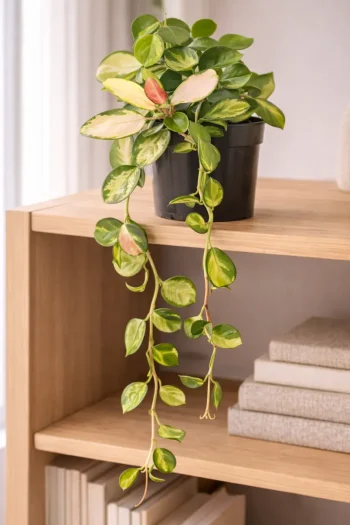
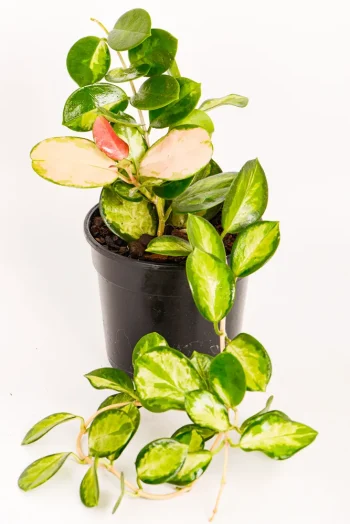
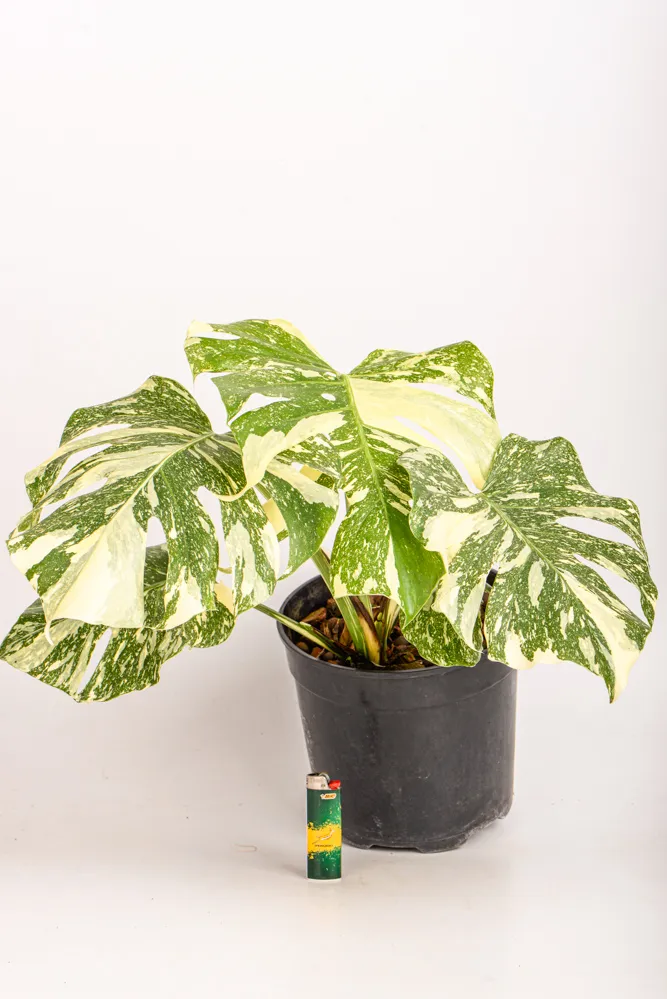
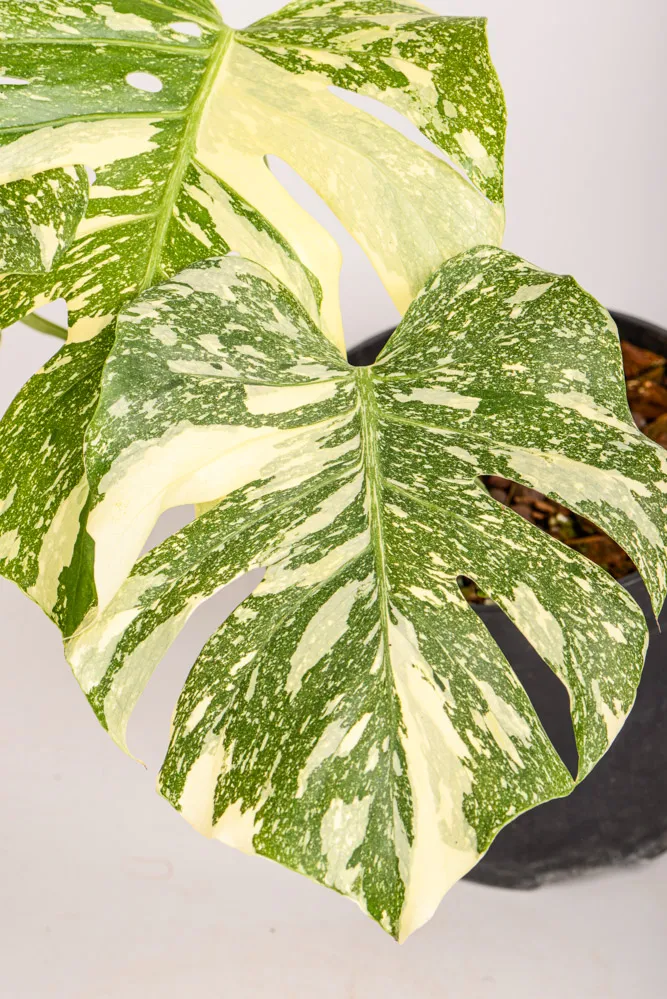
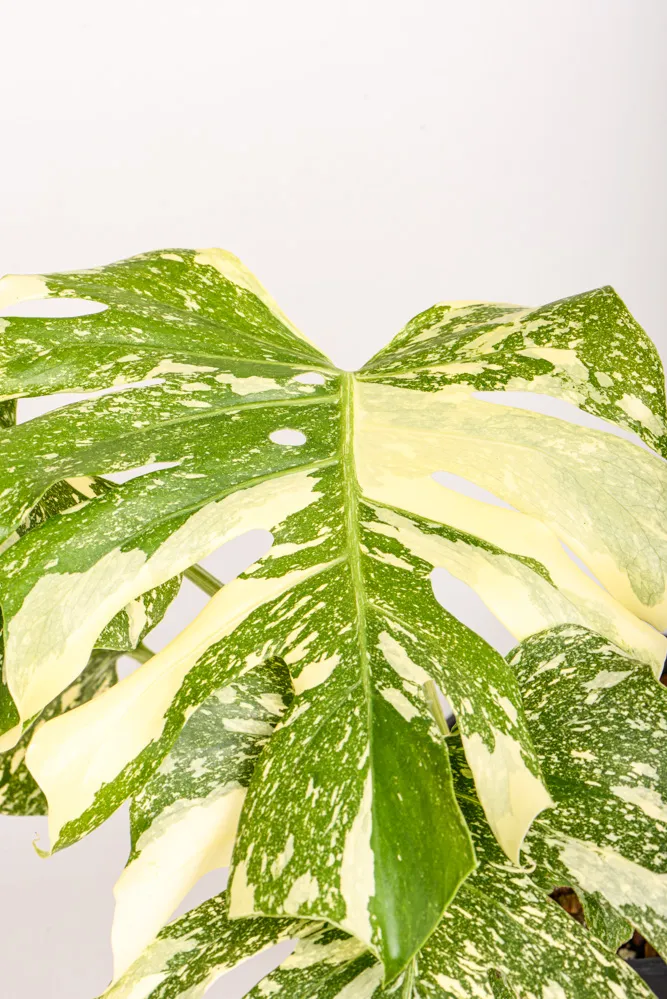
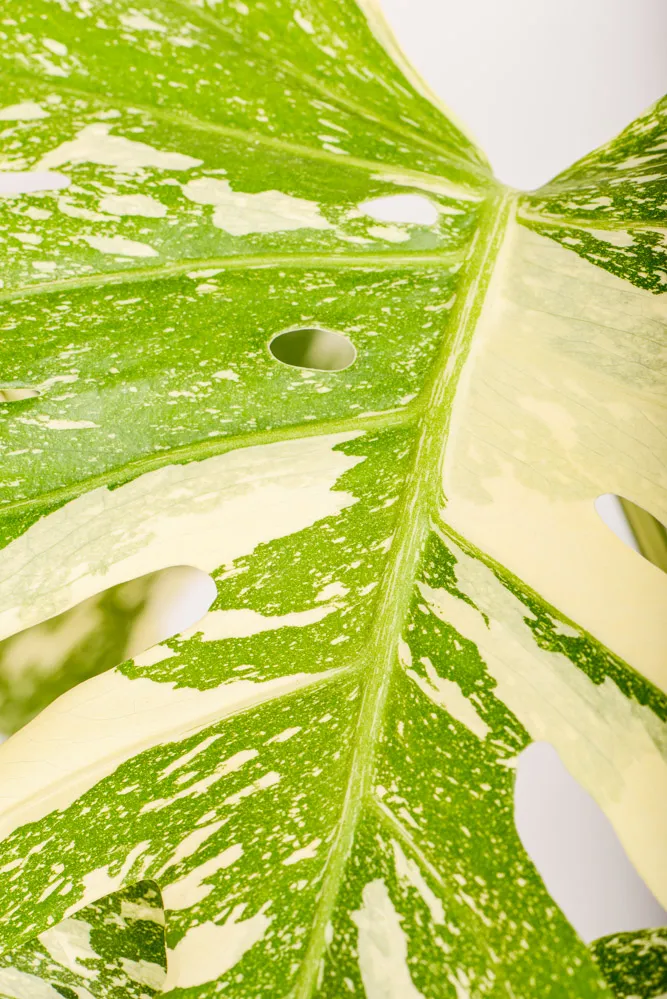
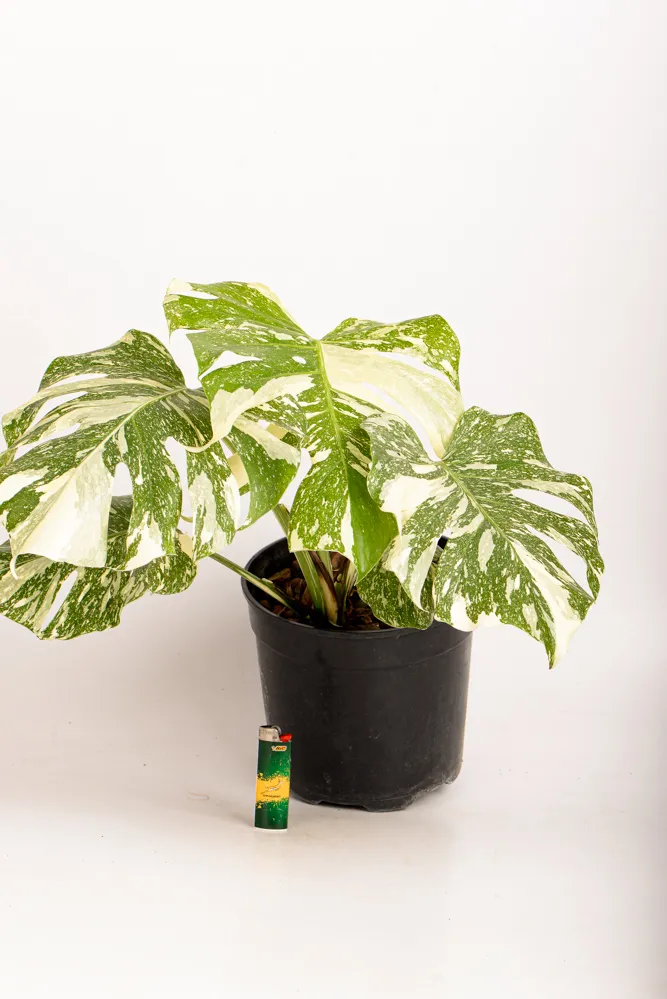
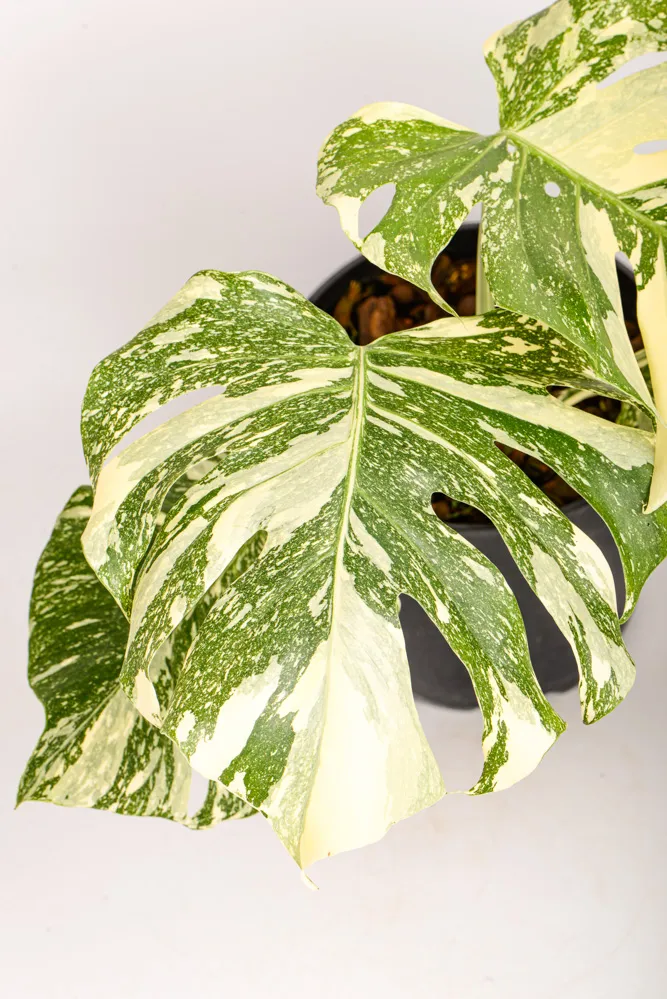
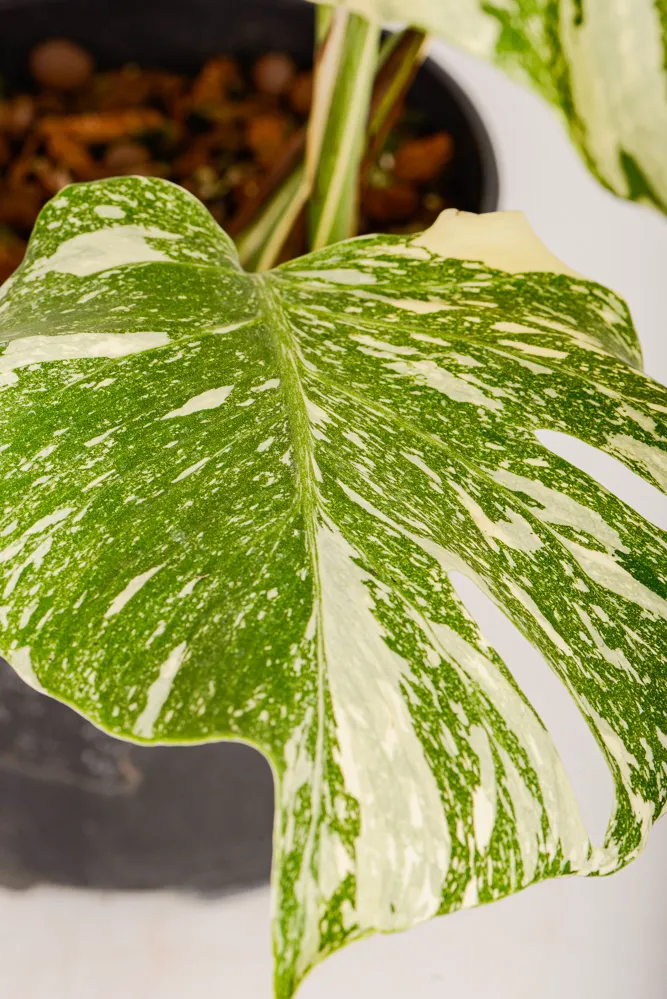
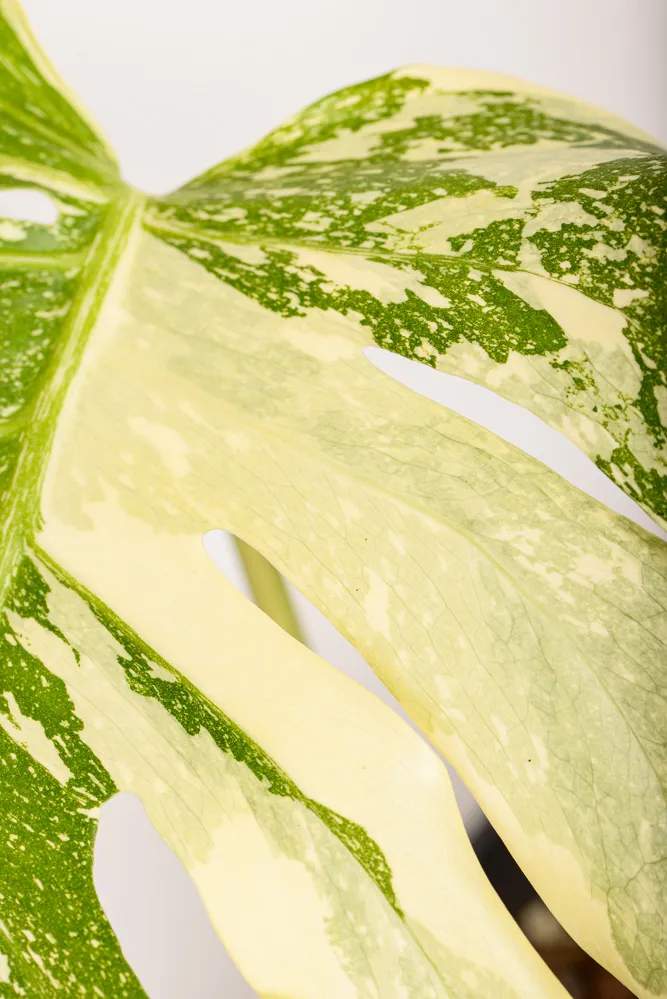
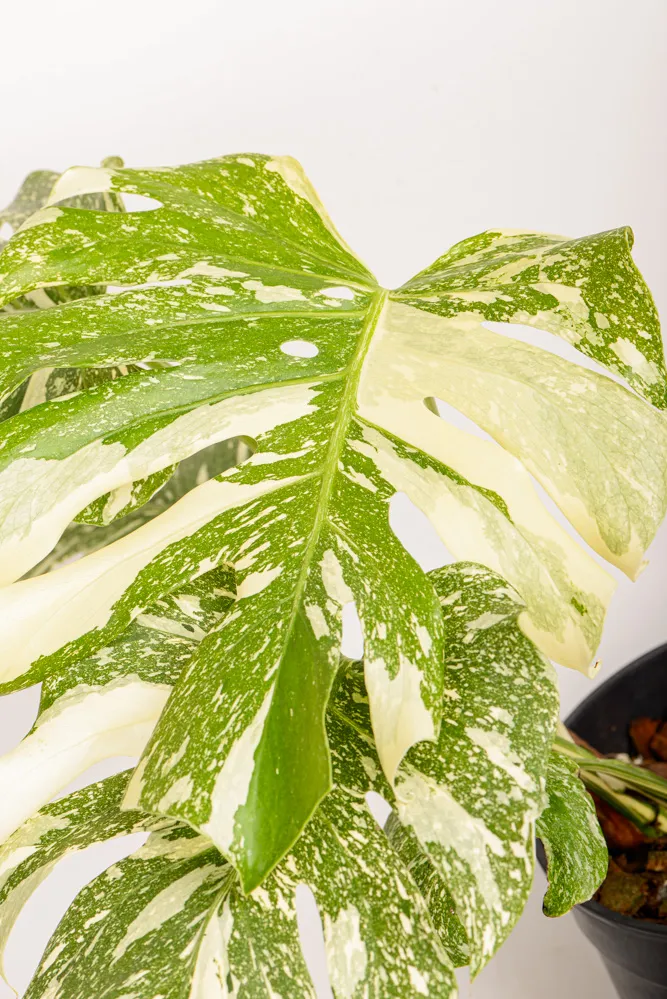
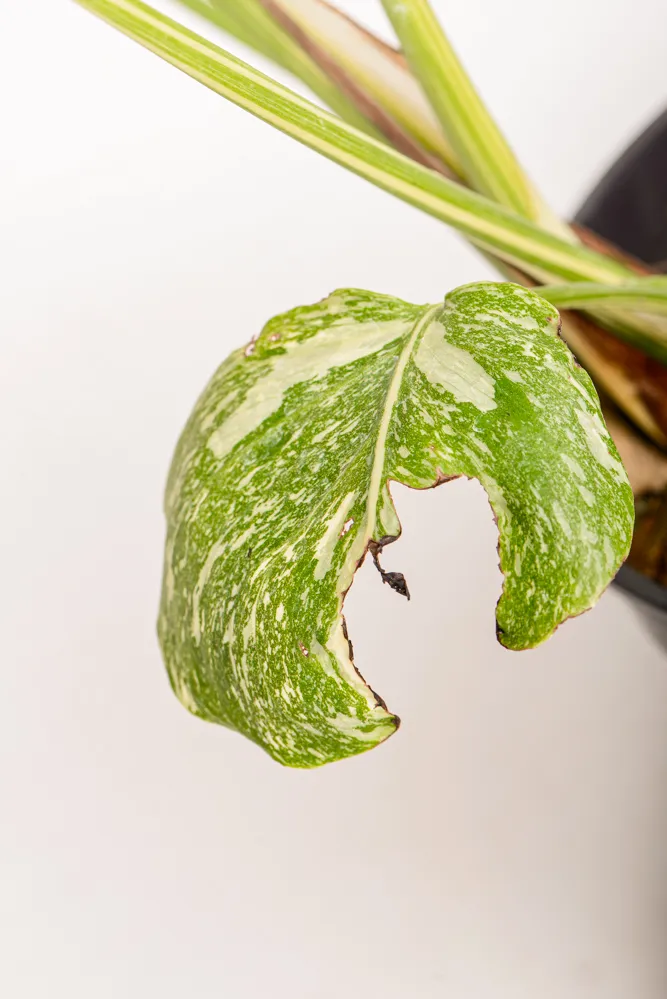
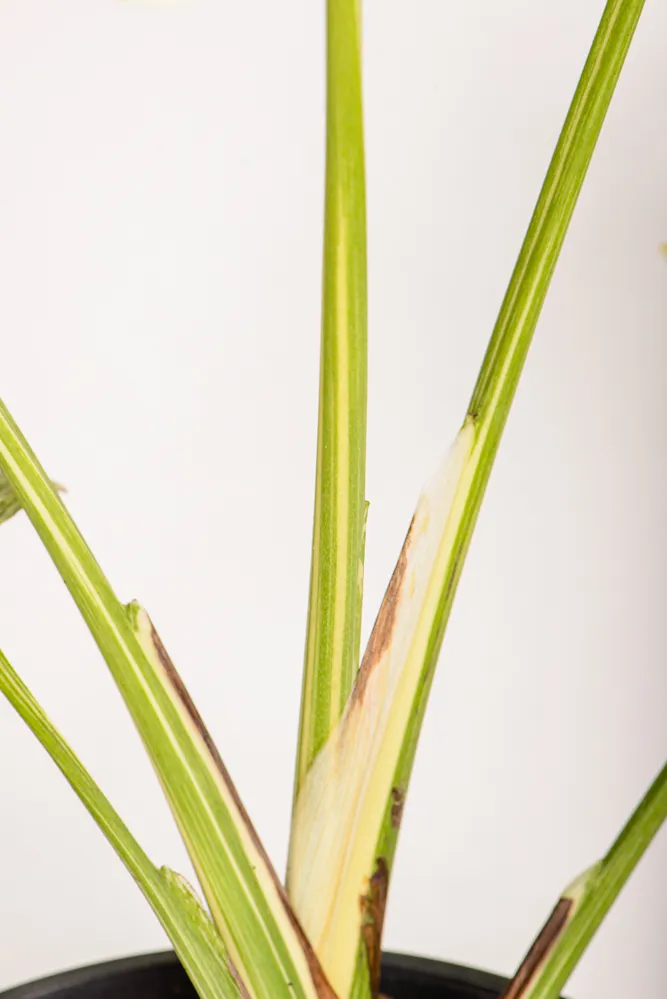
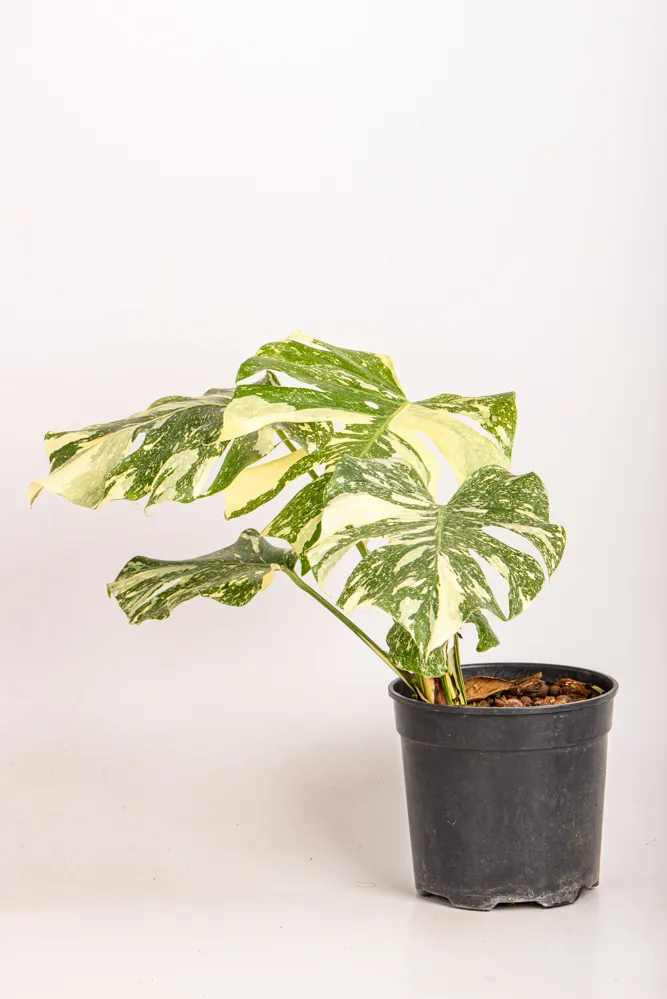
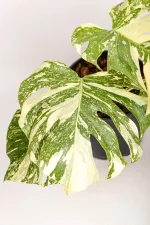
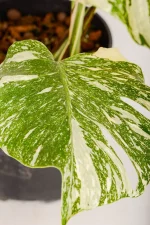
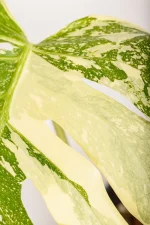
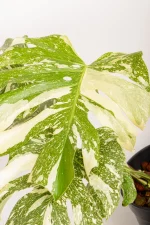
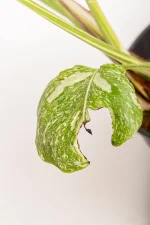
Monstera Crème Brûlée is one of the more distinctive variegated Monsteras currently available. The leaves display a warmer, cream-toned variegation compared to standard white forms, which gives the plant a softer, more layered appearance. The contrast between the cream and deep green creates a strong visual presence without looking harsh.
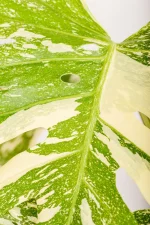
Each leaf develops its own pattern. Some show subtle marbling, while others produce larger blocks of variegation. As the plant matures, fenestrations begin to form and increase in size, adding to the overall structure and depth of the plant.
What sets this plant apart further is that it has been grown locally in South Africa. This means it is already adapted to local conditions, which often results in a more stable plant compared to freshly imported stock.
This is not a mass-produced plant. Monstera Crème Brûlée remains limited in availability, and each specimen carries unique variegation. With the right placement and consistent care, it develops into a strong climbing plant with increasingly dramatic foliage.
Monstera Crème Brûlée Care Guide
Watering – How often should it be watered?
Water when the top 3–5cm of soil begins to dry out. Keep the soil evenly moist but not saturated. Good drainage is important to prevent root issues. Avoid letting the plant sit in water.
Light – What light does Monstera Crème Brûlée need?
Bright, indirect light is essential to maintain strong variegation and support leaf development. Variegated Monsteras require more light than green forms. A position near a bright window with filtered light works best. Avoid harsh direct sun.
Humidity – Does it need extra humidity?
Average indoor humidity is acceptable, but moderate humidity supports larger leaves and smoother growth. Stable conditions help prevent stress on variegated sections.
Soil – What soil works best?
Use a chunky, breathable mix that supports strong root development. Aroid Mix works particularly well as it maintains airflow while retaining balanced moisture. Alternatively, use Indoor Potting Soil combined with Perlite and Bark Chips.
It is EXTREMELY important NOT to make sudden or complete changes in potting mediums as this will cause root rot.
Feeding – How should it be fertilised?
Feed during the growing season with Grobest Organic Fertiliser every 4–6 weeks. For stronger growth, Novatec Soluble Fertiliser can be used occasionally.
Repotting – When should it be repotted?
Repot every 12–18 months or when the roots begin filling the pot. Move up one size only. When repotting, incorporate TerraPlus Natura N and Controlled Release Fertiliser into fresh mix.
Pests – What pests should I watch for?
Monitor for thrips and spider mites, especially on new growth. Early treatment with an insecticidal spray helps prevent infestations.
Temperature – What temperature suits it best?
Monstera Crème Brûlée grows well between 18°C and 28°C. Avoid temperatures below 12°C and protect from cold drafts.
FAQ’s
Why is Crème Brûlée considered rare?
It is not widely produced and each plant shows unique variegation, making availability limited.
Is locally grown better than imported?
Yes. Locally grown plants are already adapted to South African conditions, which often results in better stability.
Will every leaf be variegated?
Most leaves will show variegation, but the pattern and intensity vary.
Does it climb?
Yes. It benefits from support as it matures and develops larger, fenestrated leaves.
Be sure to visit and follow us Facebook and Instagram