



Sale!

Nepenthes Gaia

Original price was: R550.00.Current price is: R450.00.

-18%

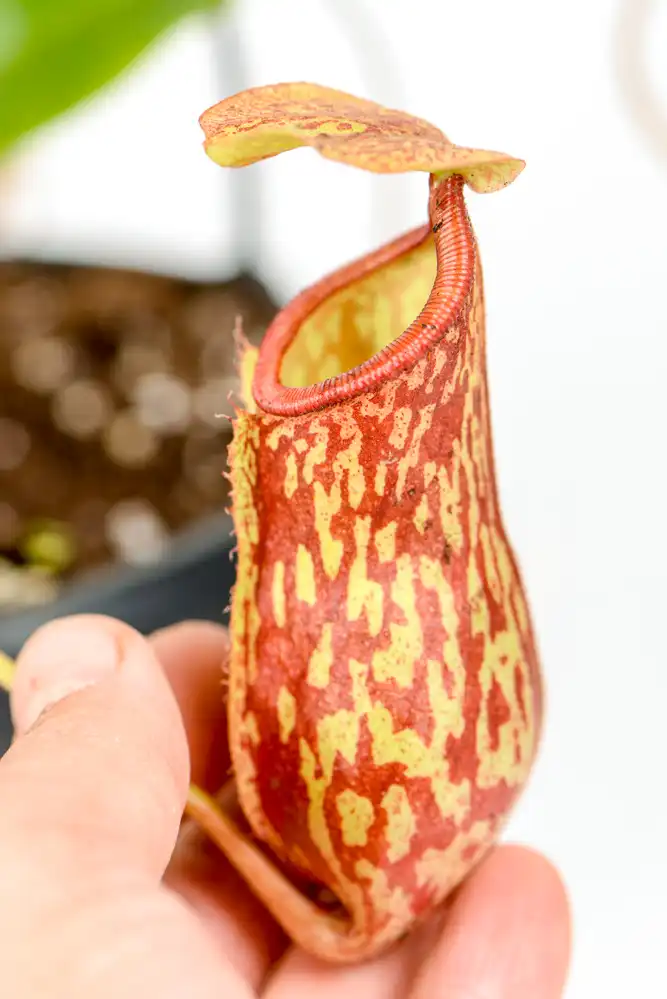
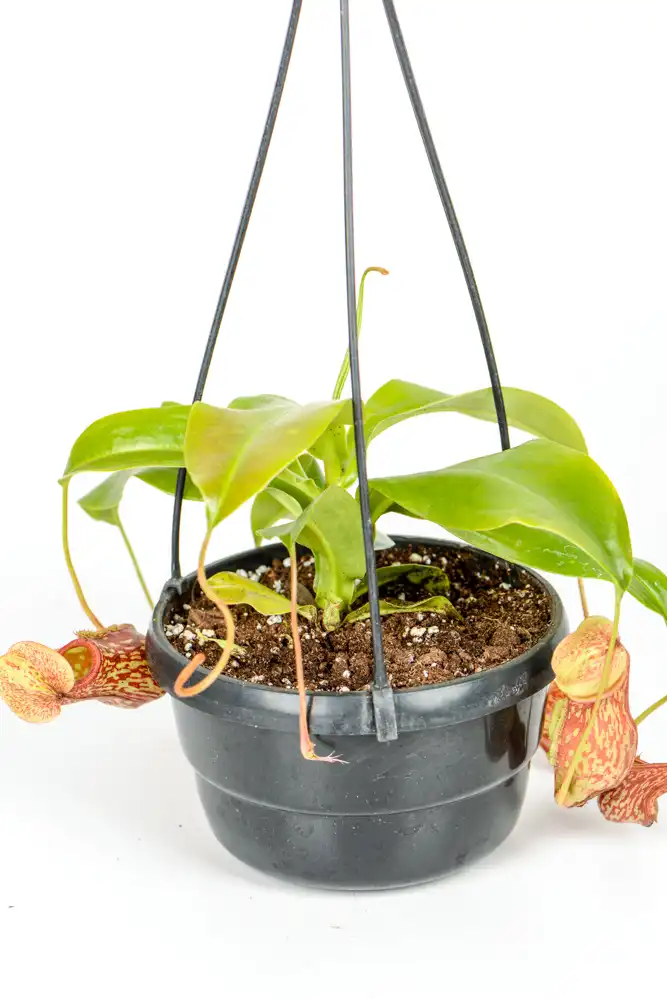
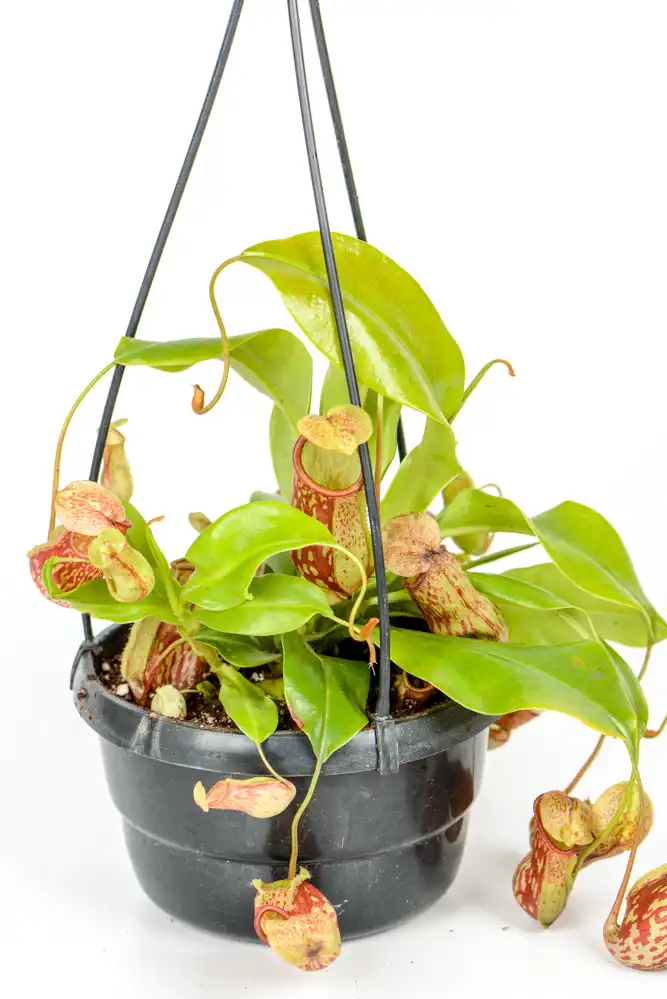
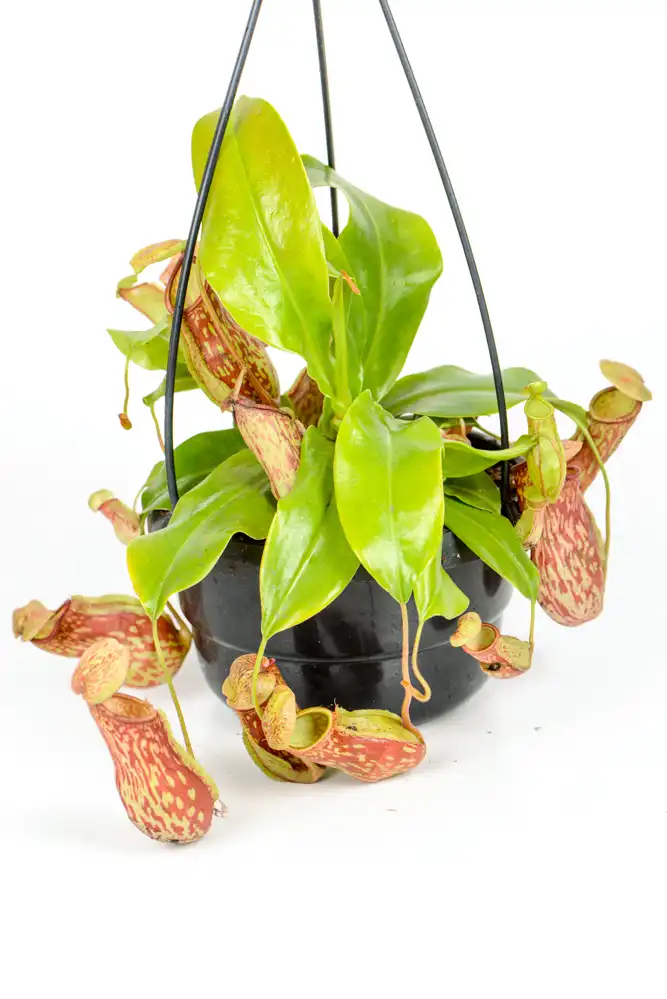
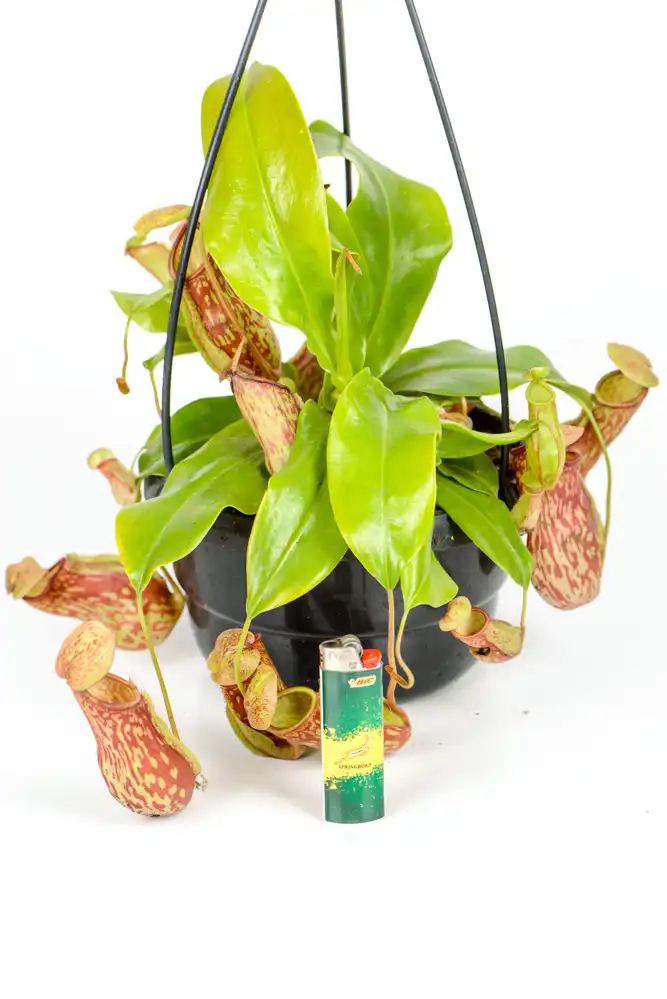
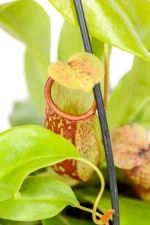
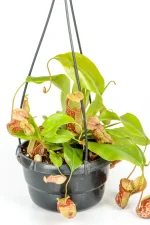
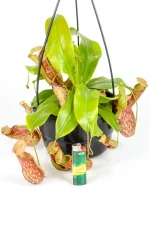
Nepenthes Gaia is a rare and striking tropical pitcher plant that produces colourful, jug-shaped pitchers. A fascinating carnivorous plant that naturally helps catch flies and insects, perfect for hanging baskets and bright spaces. A great talking point for any plant collector. Supplied in a 16cm hanging basket

In stock
Add to Cart
Nepenthes Gaia in hanging basket
Nepenthes Gaia
R550.00 Original price was: R550.00.R450.00Current price is: R450.00.
Less than 6 items left!
Nepenthes Gaia in hanging basket
Nepenthes Gaia
R550.00 Original price was: R550.00.R450.00Current price is: R450.00.
Questions? Send it to us!

Botanical name: Nepenthes Gaia

Commonly known as: Gaia pitcher plant, tropical pitcher plant


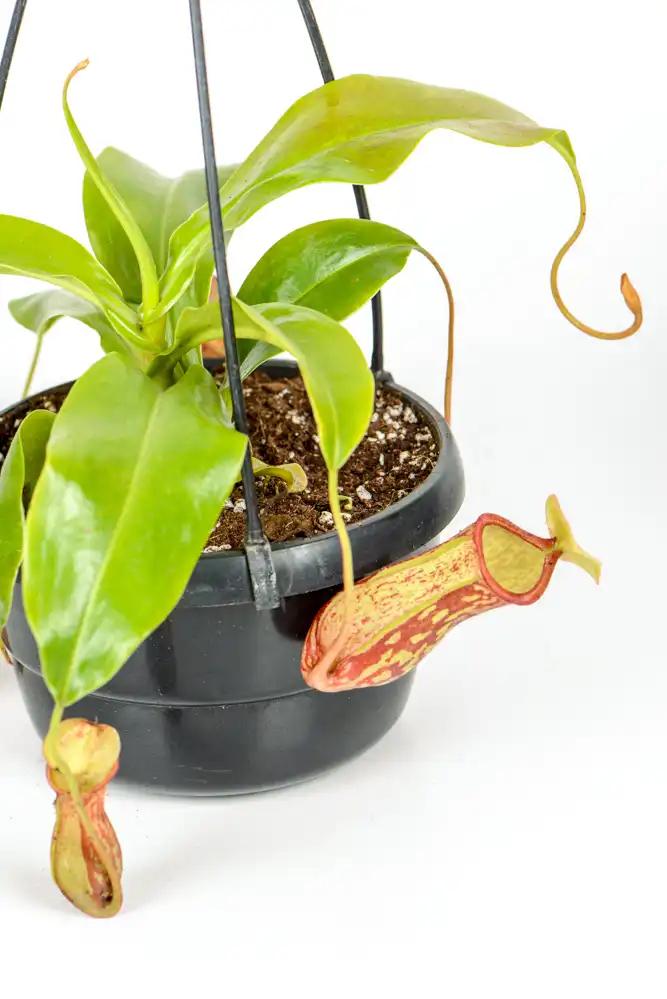
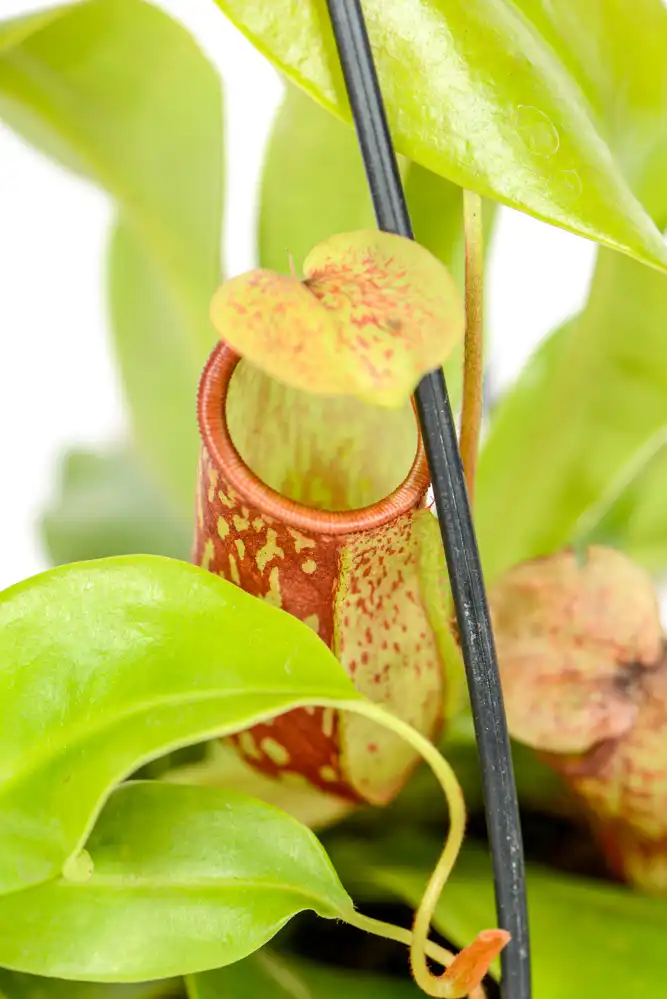
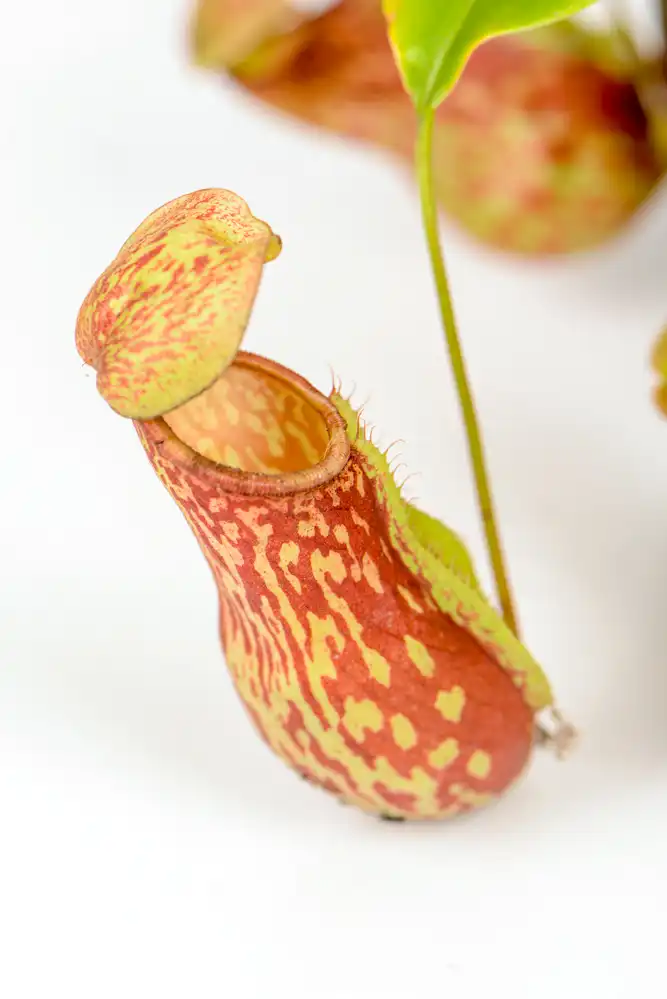
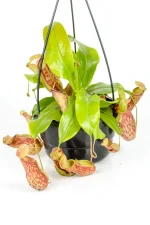
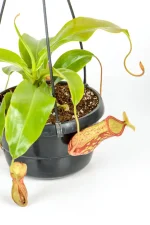
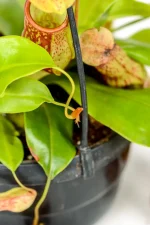
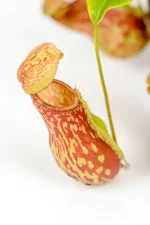
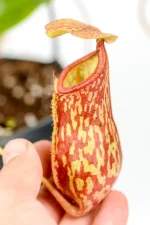
The best view of Nepenthes Gaia is from the side. Its leaves arch over the rim of the basket, and the pitchers hang below on slender tendrils. Look closely at an open pitcher and you’ll see the little lid poised above its rim. Small insects that slip inside provide the plant with extra nutrients.

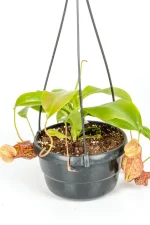
These are full, well-established plants in 16 cm hanging baskets, with foliage that already fills out the basket. Hang one at eye level and you can see the pitchers properly, right down to the tendrils that hold them. It’s a plant that makes particularly good use of the space below its pot.

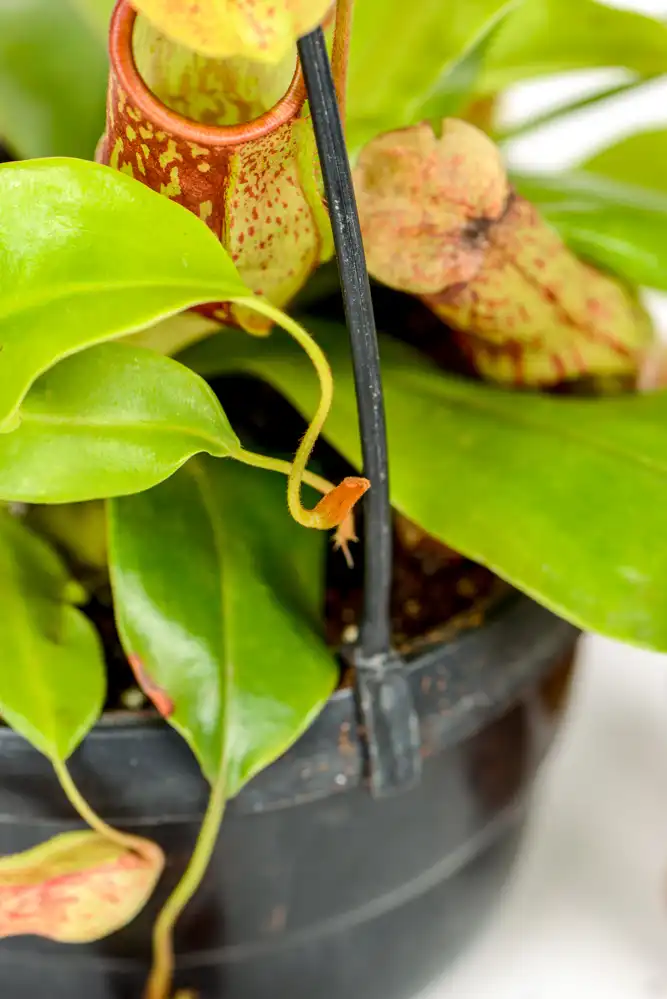
One of the pleasures of growing Gaia is spotting the next pitcher before it opens. A tendril tip begins to swell, the little cup takes shape, and the lid lifts as it matures. Once you’ve watched it happen, you’ll find yourself checking the tip of every new leaf.

Nepenthes Gaia Care Guide

Water logo

Watering – What water should I use?

Use rainwater, reverse osmosis water or distilled water to limit mineral build-up. Water from the top until it runs out of the basket. Keep the mix evenly moist and check it more often in hot weather. Let it drain fully before rehanging so the basket never sits in water.

Light logo

Light – Where should I hang it?

Give Nepenthes Gaia plenty of bright, filtered light. Hang it within 1 m of a bright north-facing window with a sheer curtain to soften the sun. An east- or west-facing window with filtered light can also work. Keep the leaves out of direct sun to prevent scorch.

Humidity logo

Humidity – How can I help it make pitchers?

Give it humid air with gentle circulation. Keep it away from heaters, air conditioners and dry draughts. If new tendrils repeatedly dry before they swell, a room humidifier can help in a dry room.

Soil Logo

Soil – What growing mix suits Nepenthes Gaia?

Use an airy, low-nutrient mix made with sphagnum peat as the only peat source. Our Venus Fly Trap Soil blends sphagnum peat with perlite for drainage. Avoid coco peat, ordinary potting soil and mixes with added fertiliser.

Fertilizing logo

Feeding – Do I need to feed or fertilise it?

Monkey cups catch small insects on their own. Indoors, you can occasionally offer a small dried insect to a healthy, open pitcher during active growth.

Fertilising is optional. In spring or summer, lightly mist the leaves with Umya Foliar Spray diluted to quarter strength (¼ of the label rate). Apply during the cooler part of the day and keep the spray out of the potting mix and pitchers.

Repotting logi

Repotting – When does it need a new basket?

Let it settle in its 16cm basket. Repot when the mix compacts or drains poorly, or if the plant clearly outgrows the basket. If it needs more room, choose a basket just one size up with plenty of drainage and disturb the roots as little as possible.

Pest image

Pests – What should I look for?

Check new shoots and the undersides of the leaves for aphids, mealybugs or scale. If you spot pests, move the plant away from the rest of your collection and identify the pest before treating it.

Temerature image

Temperature – Where will it be comfortable?

Pick a spot with steady indoor temperatures. Protect it from frost, cold draughts and the heat that builds up against sunny glass. Avoid moving it back and forth between very different conditions.

Frequently asked questions

Is it normal for a pitcher to turn brown?
Yes. Older pitchers dry out naturally, and a move can speed that up. Snip off a fully dried pitcher with clean scissors and leave the leaf in place if it’s still green.

Why are there new leaves but no new pitchers?
Give the plant time to settle, then check the light at basket height and the humidity around the tendrils. Pitchers form at the tips of leaves, so leave them room to hang.

Will it get rid of flies in my home?
It can catch the occasional small insect, but it won’t control a fly problem.

Be sure to visit and follow us Facebook and Instagram