





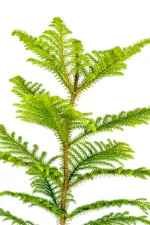
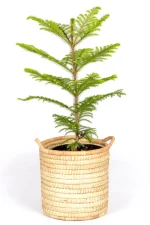
Norfolk Pine

R490.00

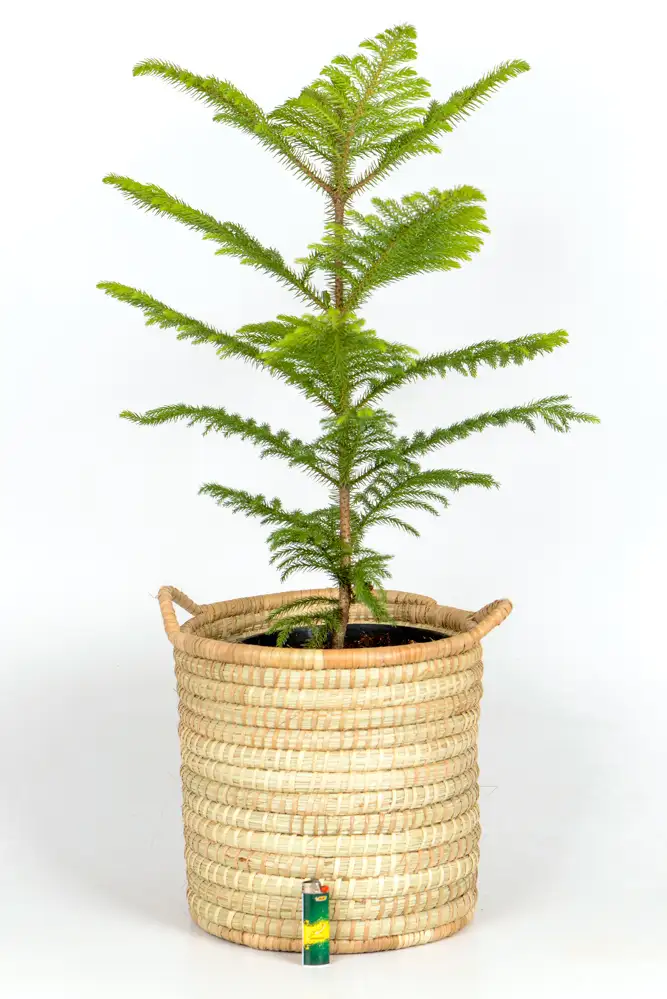
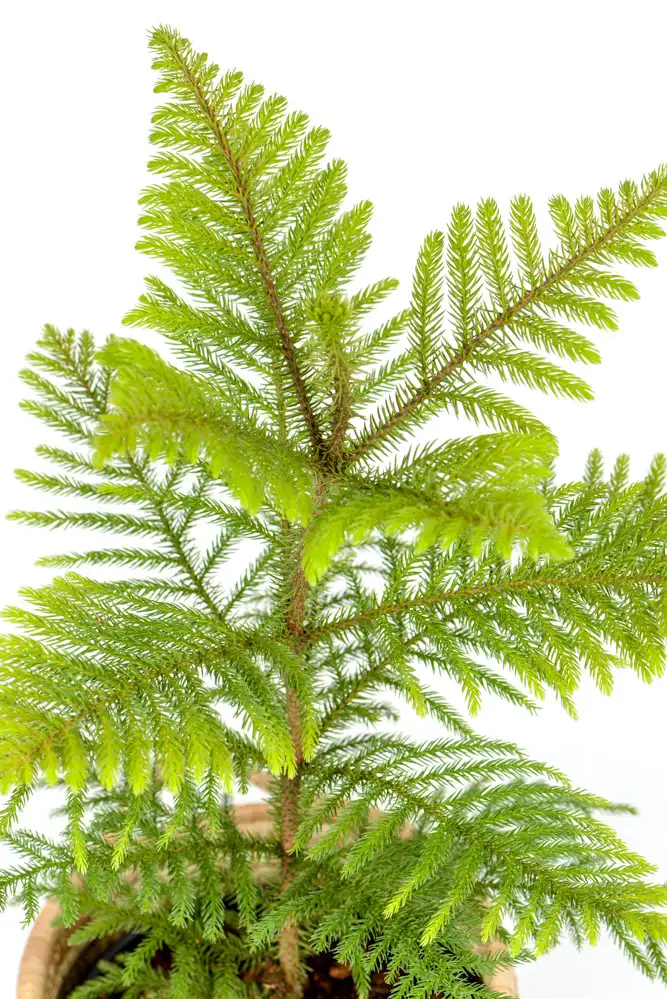
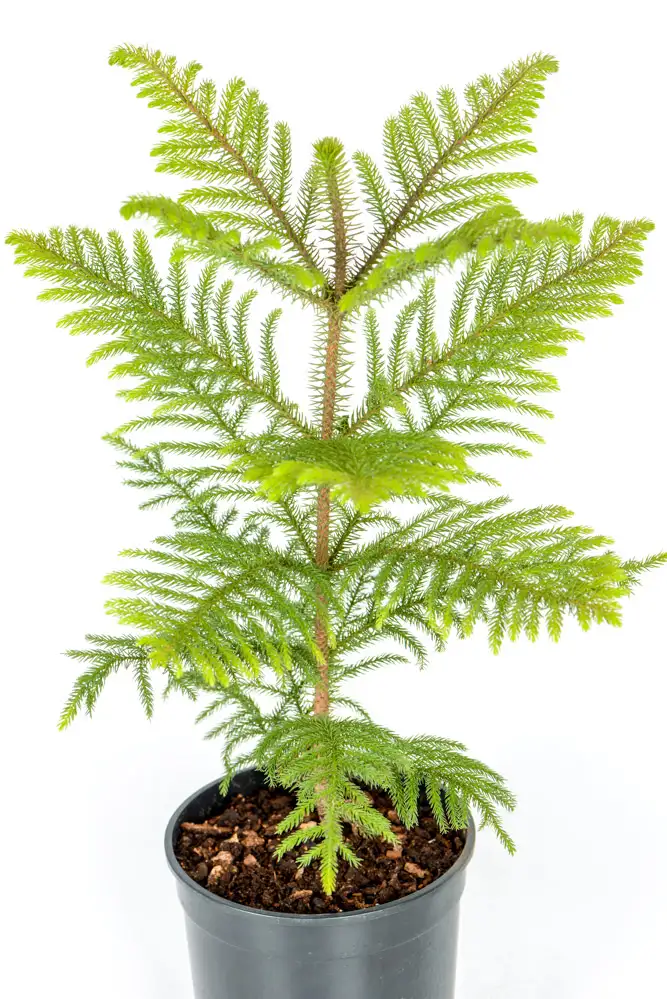
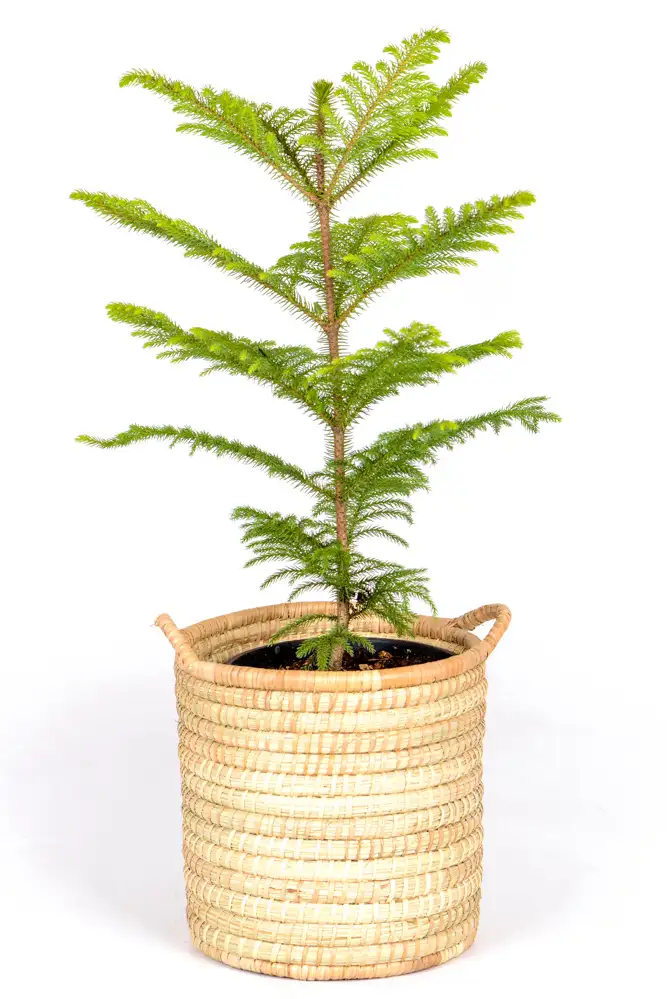
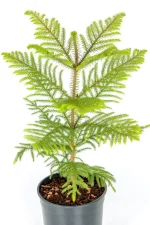
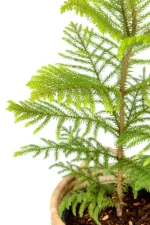
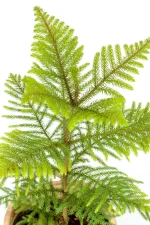
Norfolk Pine brings soft green foliage and neatly layered branches to a sunny room, with a naturally symmetrical shape that looks good throughout the year.

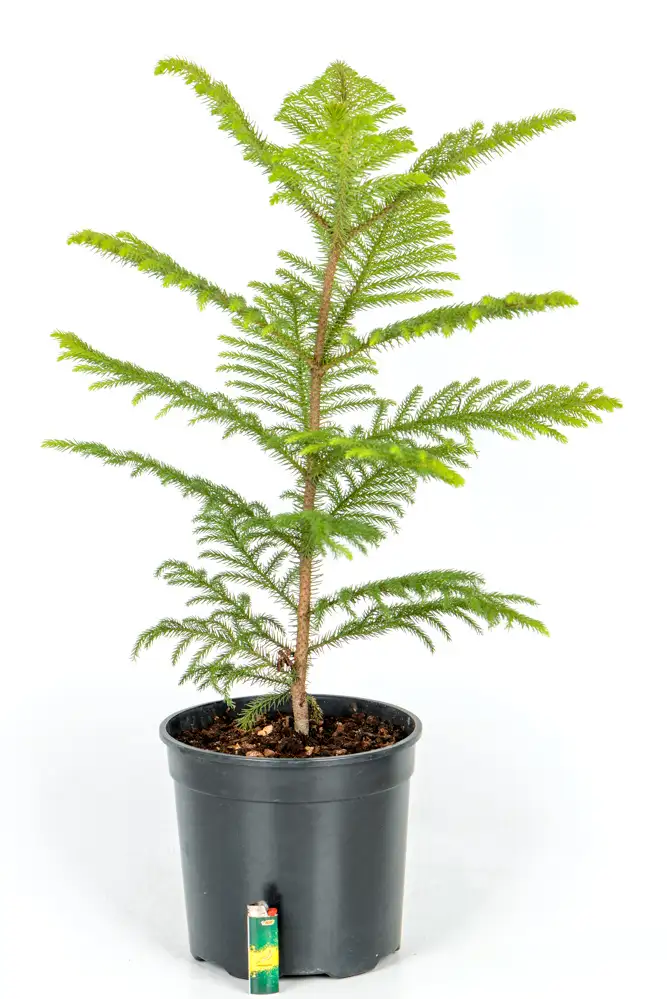
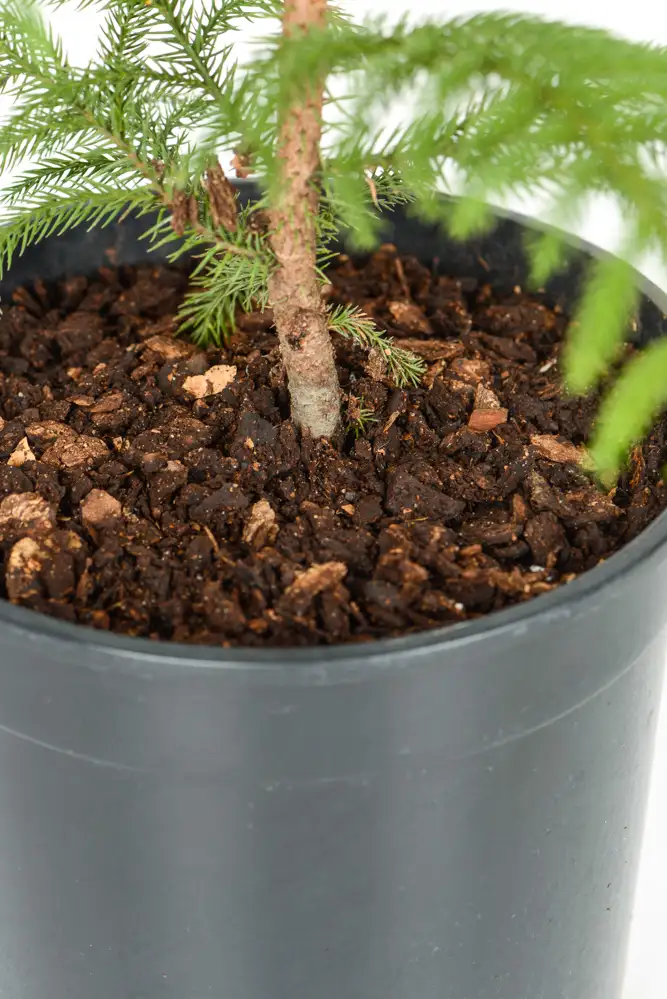
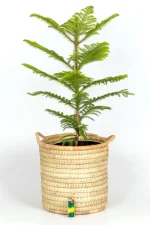
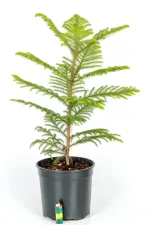
These plants are supplied in black 23cm pots and stand approximately 60cm tall. Give yours a position close to a north-facing window with some direct sunlight, introducing stronger sun gradually.

In stock
Additional Product Info
23cm pot | approximately 60cm tall
Height of plants are measured from the bottom of the pot to the tallest leaf.
Add to Cart
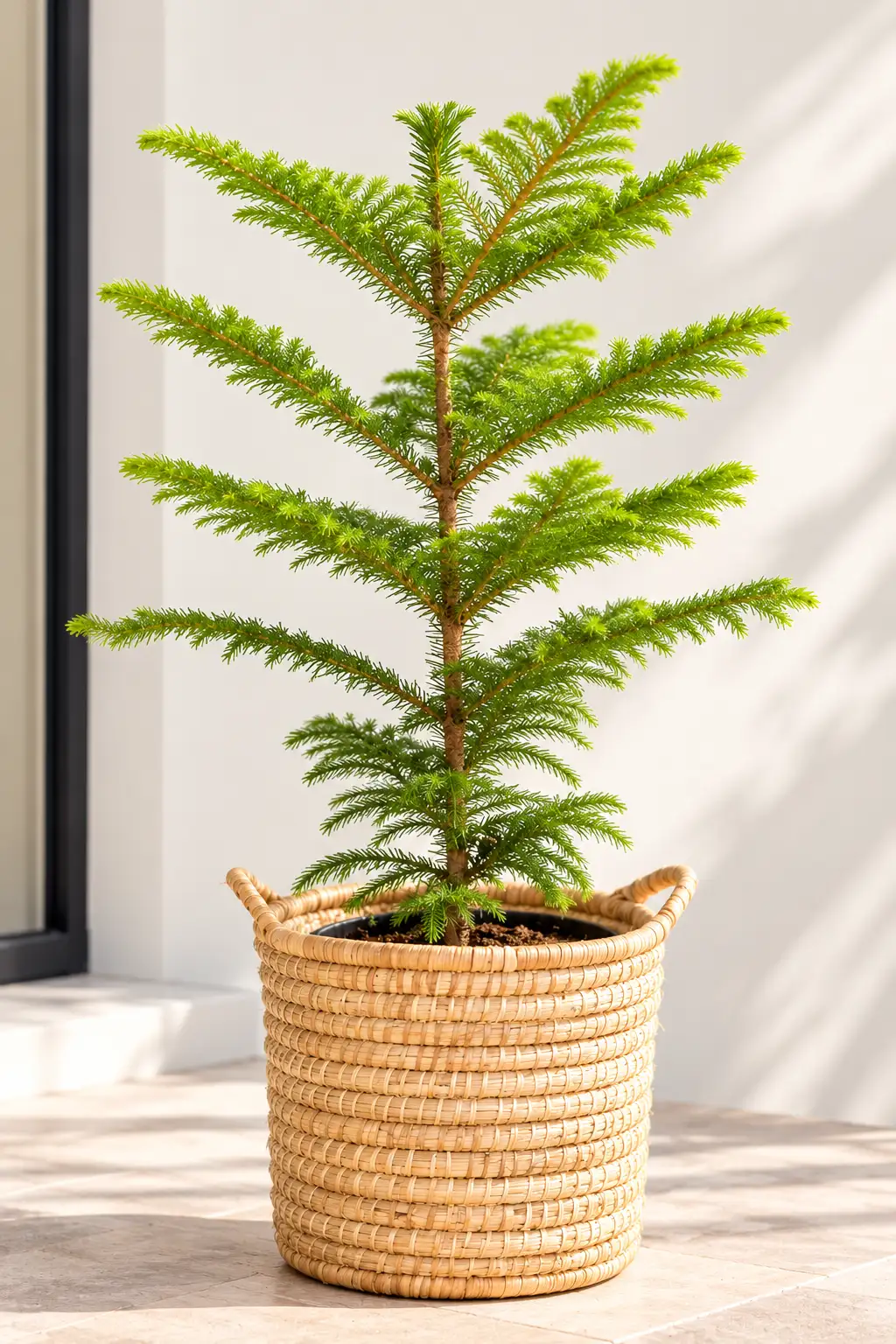
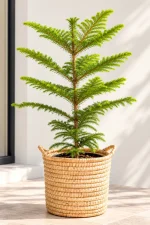
Norfolk Pine in handwoven basket on sunlit patio
Norfolk Pine
R490.00
Less than 10 items left!
Norfolk Pine in handwoven basket on sunlit patio
Norfolk Pine
R490.00
Questions? Send it to us!

Commonly known as: Norfolk Pine, Norfolk Island Pine, Living Christmas Tree

Botanical name: Araucaria heterophylla

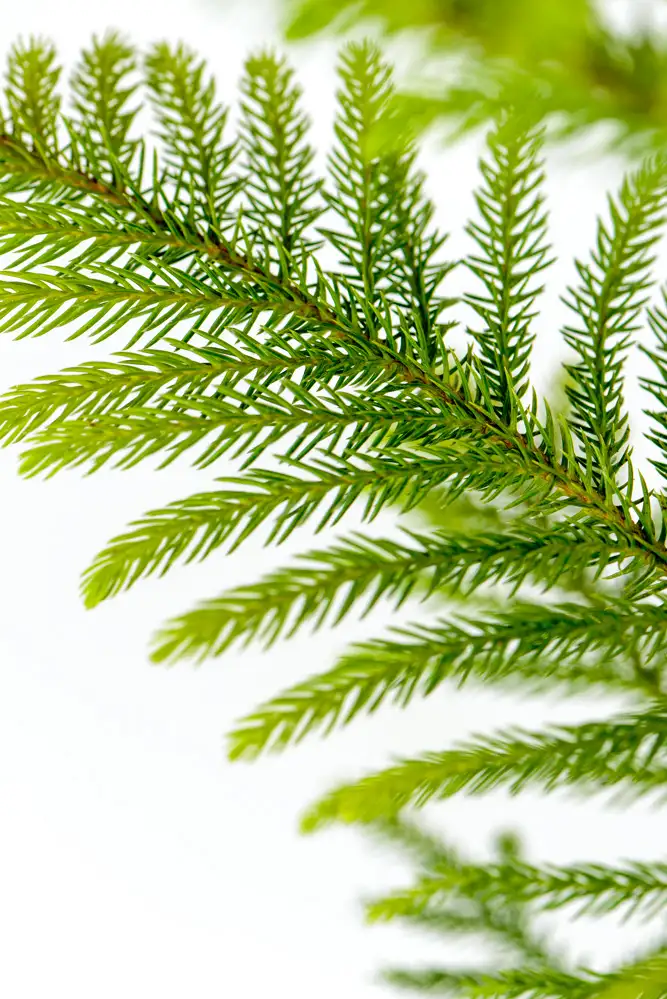
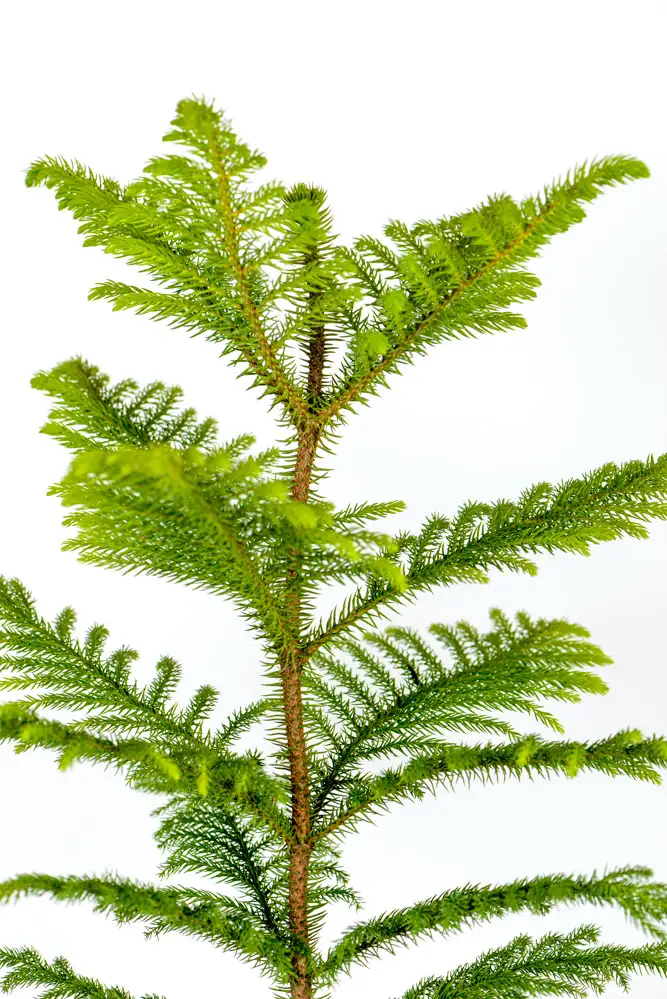
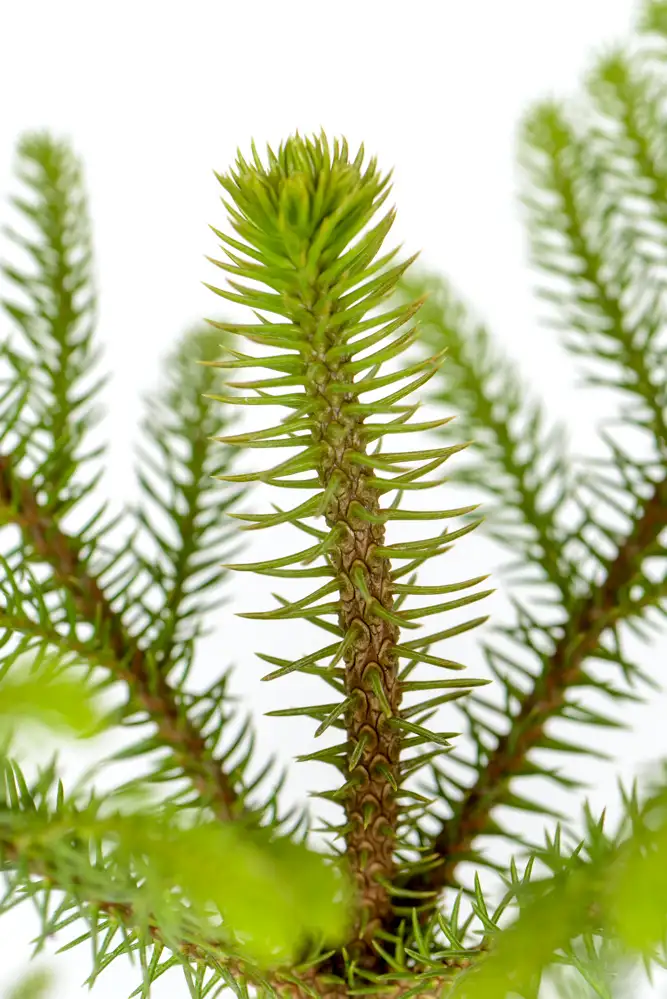
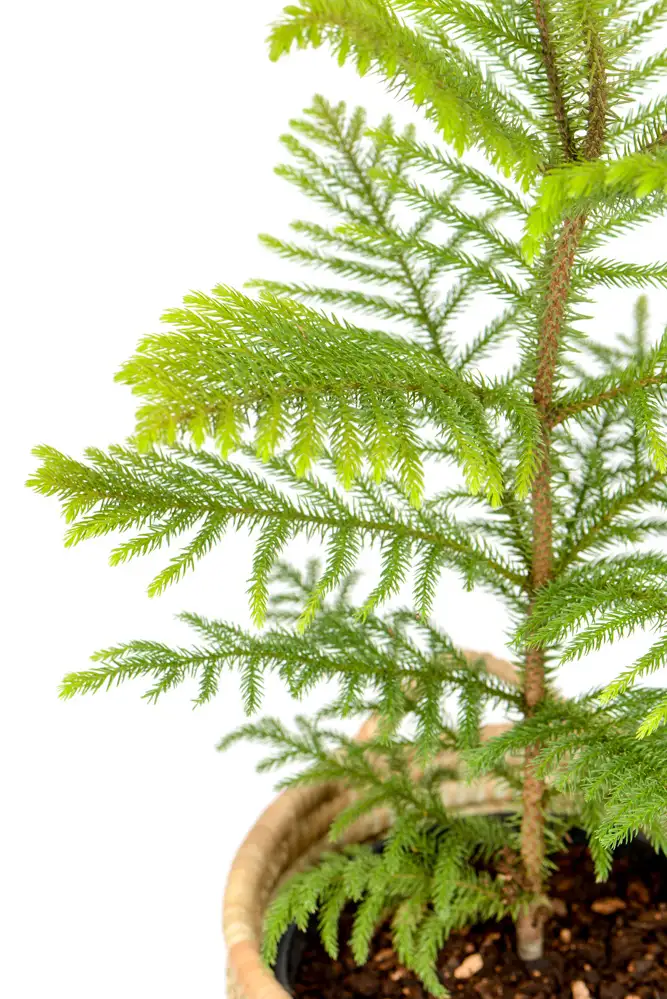
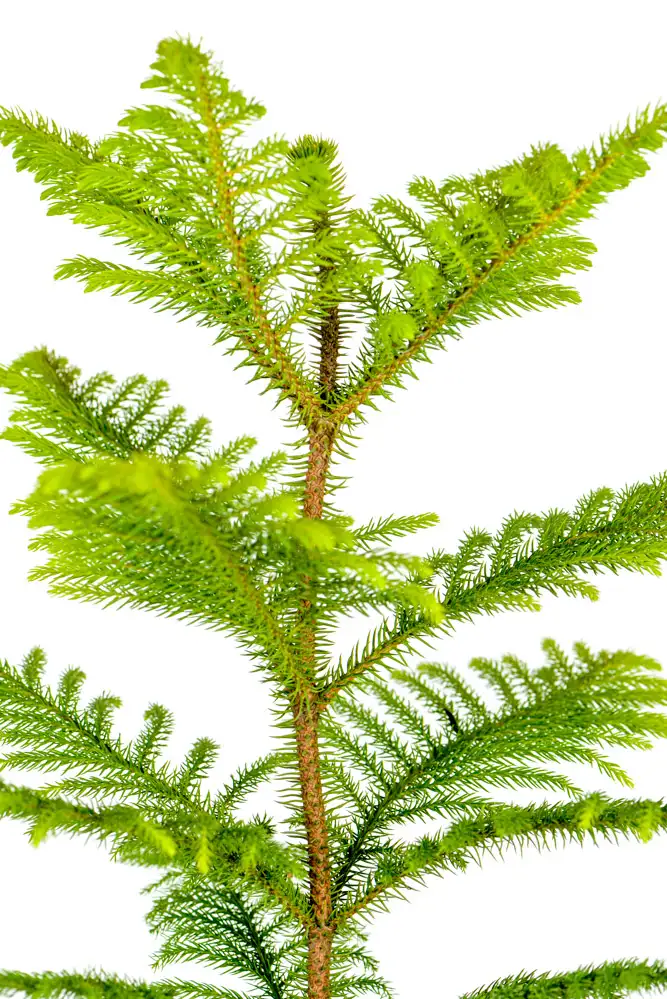
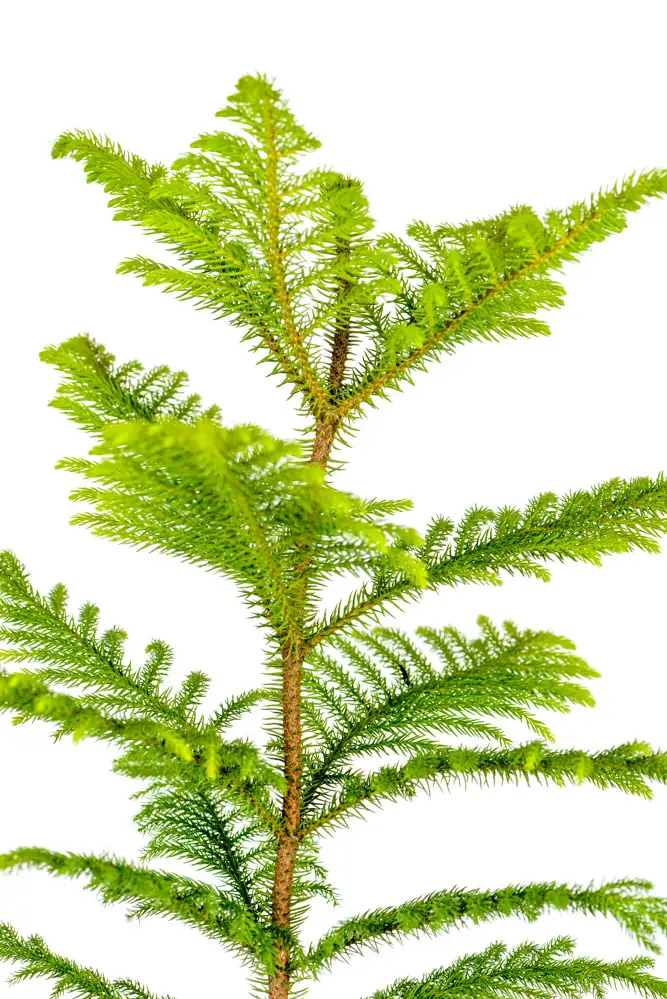
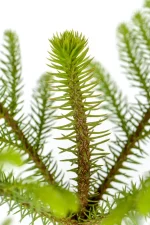
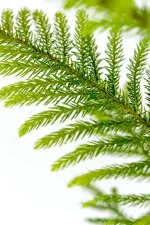
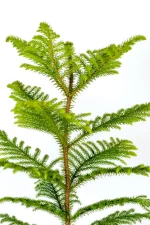
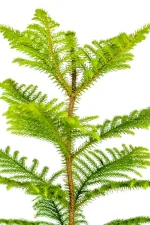
Norfolk Pine has a wonderfully orderly shape: a central stem surrounded by tiers of finely textured green branches. Its soft appearance brings a different kind of greenery to a room, especially alongside plants with broad, glossy leaves.

Our plants come in black 23cm pots and stand approximately 60cm tall, a useful size for a sunny tabletop or raised plant stand. Individual plants vary naturally in shape and fullness.

Botanically known as Araucaria heterophylla, this evergreen originates from Norfolk Island in the South Pacific. Although its familiar name suggests a pine, it belongs to the Araucaria family. Indoors it grows steadily with good care, gradually becoming a taller feature plant.

It deserves a permanent place by a sunny window. In a South African home, a position within 1m of a north-facing window is a good starting point, with several hours of gentle direct sun after gradual acclimatisation. A dark corner will eventually leave the branches sparse.

Its naturally festive outline makes it a lovely living Christmas tree, but its appeal lasts well beyond December. Keep decorations light, preserve the main growing tip, and give it consistent moisture so those graceful layers stay in good condition.

Norfolk Pine Care Guide

Water logo

Water – When should I water my Norfolk Pine?

Water thoroughly when the surface of the potting mix starts to feel dry. Let excess water drain, then empty the saucer or outer pot. Aim for a lightly moist rootball, without keeping it waterlogged or letting it dry right through.

Check the pot rather than following a fixed weekly schedule. Expect slower drying during cooler months.

Light logo

Light – Where should I position my Norfolk Pine?

Place it within 1m of your brightest north-facing window, where it can receive a few hours of direct sunlight each day. Start with gentle morning sun and increase exposure gradually if the plant has been grown under cover.

Protect it from sudden, intense midday heat behind glass. Turn the pot a little each week so the branches develop evenly. Outdoor plants also need gradual adjustment to sun and shelter from frost.

Humidity logo

Humidity – How can I prevent dry branch tips?

Norfolk Pine appreciates humidity and can struggle beside heaters or air-conditioners. Keep it away from drying airflow. In a very dry room, a humidifier is more dependable than occasional misting.

Brown tips can also reflect missed watering or poor light, so check the growing conditions together.

Soil Logo

Soil – What potting mix suits Norfolk Pine?

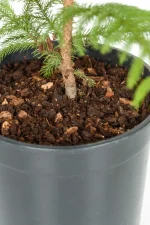
I recommend Milled Bark Growing Medium as the growing medium for an airy, freely draining root zone.

Keep the rootball lightly moist while allowing excess water to drain. Avoid compacting the medium, and use a pot with drainage holes.

Fertilizing logo

Feeding – How much fertiliser does Norfolk Pine need?

I recommend Novatec Soluble Fertilizer, a high-nitrogen fertiliser that supports leafy growth.

For organic feeding, choose TerraPlus Natura N or Grobest Organic Fertilizer. Controlled Release Fertilizer is another option for a gradual nutrient supply.

Norfolk Pine needs modest feeding, so use a gentle programme and reduce feeding when growth slows. Follow the chosen product’s label rate and application method. Apply soluble feed to a moist rootball, and avoid combining several products at full rates.

Repotting logi

Repotting – When should I move it to a larger pot?

Repot in spring when roots have filled the container or are crowding through the drainage holes. Move up only one pot size and handle the rootball gently.

There is no need to repot immediately after arrival if the existing pot still gives the roots enough room.

Pest image

Pests – What should I watch for?

Check the branches for fine webbing, speckling or visible pests, particularly in hot, dry rooms where spider mites may become a problem. Isolate an affected plant and use a treatment labelled for the pest and ornamental plants, testing a small area first.

Temerature image

Temperature – What conditions suit Norfolk Pine?

Choose a comfortable, relatively cool room with steady conditions. Keep it clear of hot heaters, cold draughts and air-conditioner outlets.

Protect it from frost. A sheltered patio may suit it in a mild climate, but move it under cover before cold weather arrives.

Extra Care – Protect the central growing tip

Keep the top growing point intact to preserve its natural shape. Avoid trimming it like a hedge, and do not hang heavy decorations from the branches.

FAQs

How big are these plants?
They are supplied in 23cm pots and stand approximately 60cm tall. Size and branching vary slightly between plants.

Can I keep it in a dim corner?
It needs a position close to a sunny window to keep its layered growth looking full. Move it to better light if it becomes sparse.

Why are lower branches turning brown?
Check for a dry rootball, waterlogged soil, very dry air and inadequate light. Some ageing is natural, but widespread browning needs attention.

Will it stay this size?
No. With suitable care it continues growing, so allow room for it to become a taller houseplant.

Be sure to visit and follow us Facebook and Instagram