





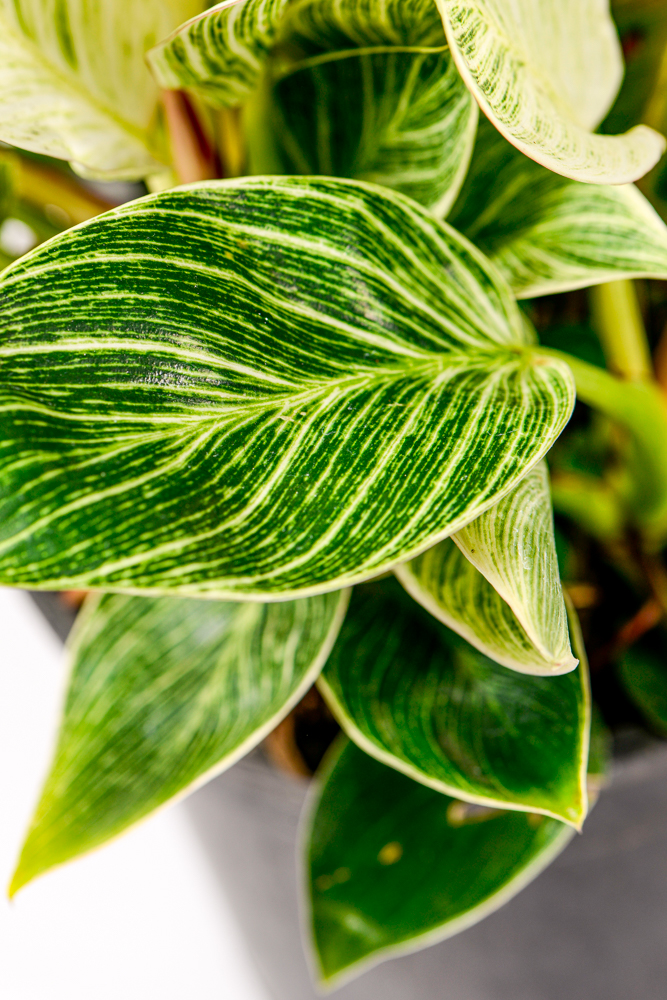
Commonly known as: Philodendron Birkin
Botanical name: Philodendron ‘Birkin’
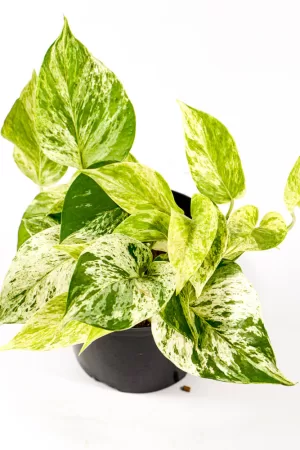
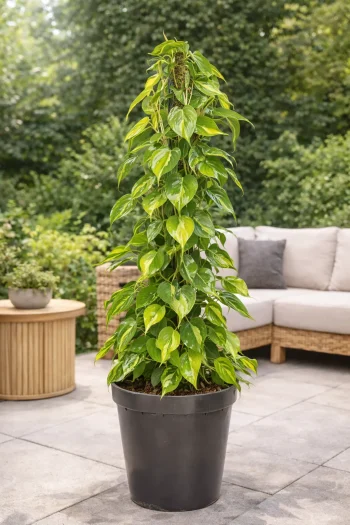
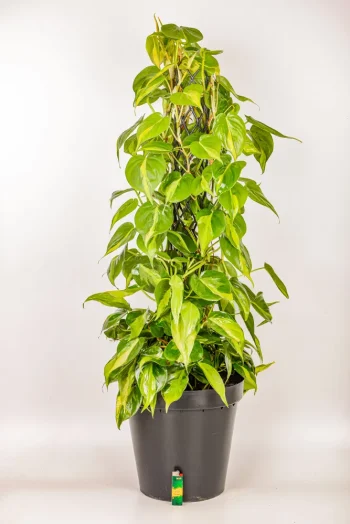
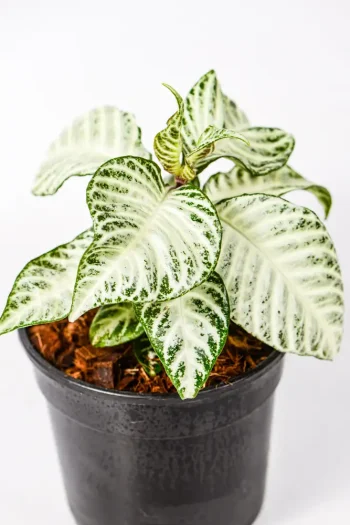
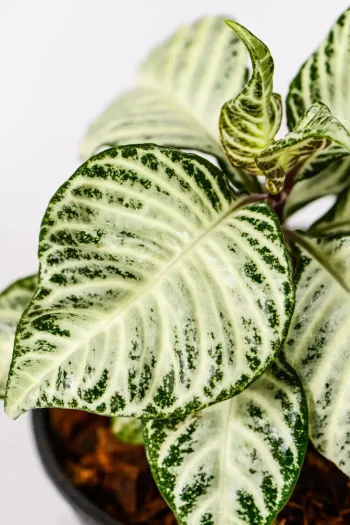
The Philodendron Birkin is a cultivated hybrid known for its distinctive pinstriped foliage. Each new leaf unfurls darker green, gradually revealing fine cream or pale yellow striping as it matures. No two leaves are identical, which adds to the plant’s appeal.
Birkin stays relatively compact compared to many other Philodendrons, making it ideal for indoor settings where space is limited. Its upright growth habit means it doesn’t trail or sprawl, and it generally holds its shape well without support.
One thing to know about Birkin is that its variegation can change. Under lower light or stress, leaves may revert to more solid green. With consistent bright, indirect light and balanced feeding, the striping remains clearer and more defined.
This plant suits anyone who wants a refined foliage look without complicated care routines.
Philodendron Birkin Care Guide
Watering – How often should I water it?
Water when the top 3–4 cm of soil feels dry. Birkin prefers evenly moist soil but does not tolerate soggy roots. Always allow excess water to drain away. In winter, watering frequency naturally reduces.
Light – What light does a Philodendron Birkin need?
Bright, indirect light helps maintain the pinstripe variegation. It tolerates moderate light, but very low light may cause leaves to lose their striping. Avoid harsh direct sun, which can scorch the foliage.
Humidity – Does Birkin need high humidity?
Average household humidity is perfectly fine. While it enjoys slightly humid air, it doesn’t demand it. Good airflow around the plant helps keep leaves healthy and prevents issues.
Soil – What soil mix works best?
Use a loose, well-draining mix that holds some moisture without compacting. We recommend our Aroid Mix or a DIY blend using Barks Unlimited Potting Soil combined with Perlite and a small amount of Bark Chips.
Feeding – How should I fertilise a Philodendron Birkin?
Feed every 4–6 weeks during spring and summer with our Organic Fertiliser. For longer-term support, add a light amount of Controlled Release Fertiliser at the start of the growing season.
Repotting – When should I repot it?
Repot every 12–18 months, or once roots begin to fill the pot. Move up only one pot size at a time. Birkin prefers being slightly snug rather than sitting in a large volume of wet soil.
Pests – What pests should I watch for?
Birkin is fairly pest-resistant, but spider mites and mealybugs can appear, especially in dry conditions. Inspect leaves regularly and treat early with an insecticidal spray if needed.
Temperature – What temperature suits it best?
Ideal temperatures range between 18 °C and 28 °C. Keep away from cold drafts, heaters, and sudden temperature changes.
FAQ’s
Q: Why are my Birkin leaves turning solid green?
This usually happens due to low light or stress. Move the plant to brighter indirect light and keep care consistent.
Q: Does Philodendron Birkin climb?
No. It has an upright, self-heading growth habit and does not need a moss pole.
Q: Is it safe around pets?
No — like most Philodendrons, it is toxic if ingested.
Q: Can I prune it?
Yes. Removing older or damaged leaves keeps the plant tidy and encourages fresh growth.
Be sure to visit and follow us Facebook and Instagram